My First Downward Dog Hurt Like Heck…
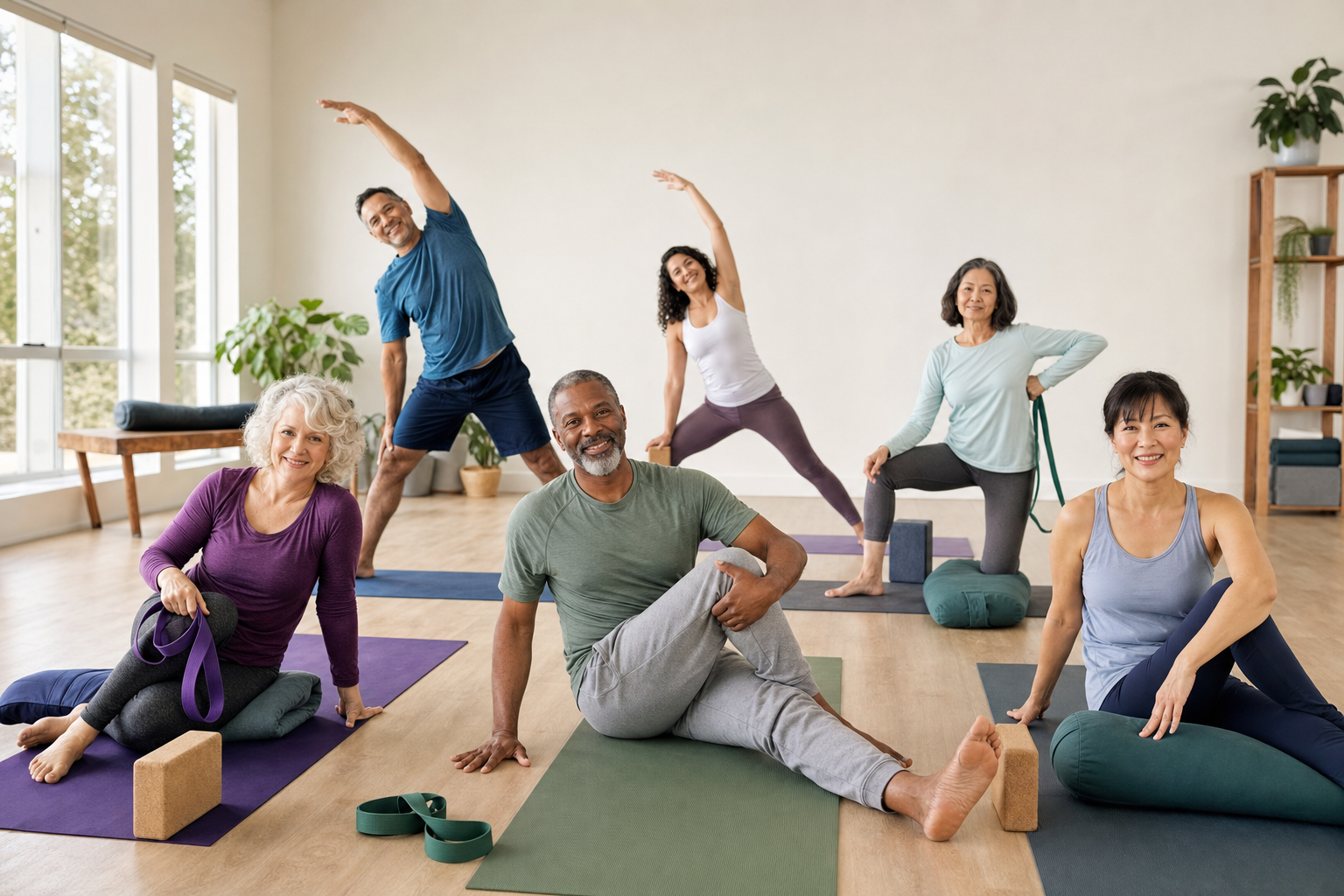
Years ago, I was the guy giving side-eye to every yoga class at the gym. I mean, c’mon—what would a chiropractor who’s seen hundreds of stiff, inflamed knees want with a little stretching and deep breathing? Well, let me tell you: my first attempt at Downward Dog was humbling, and not just because my hamstrings screamed. What shocked me was how much my wrists, knees, and even my shoulders ached from just holding steady. If you feel stiff—or downright stuck—in your joints, trust me, I get it. I’ve been there, and I’ve helped a lot of folks crawl out of that rut with the right moves (and, sometimes, the right tools).
If You Dread Getting Out of Bed Because of Stiff Joints…
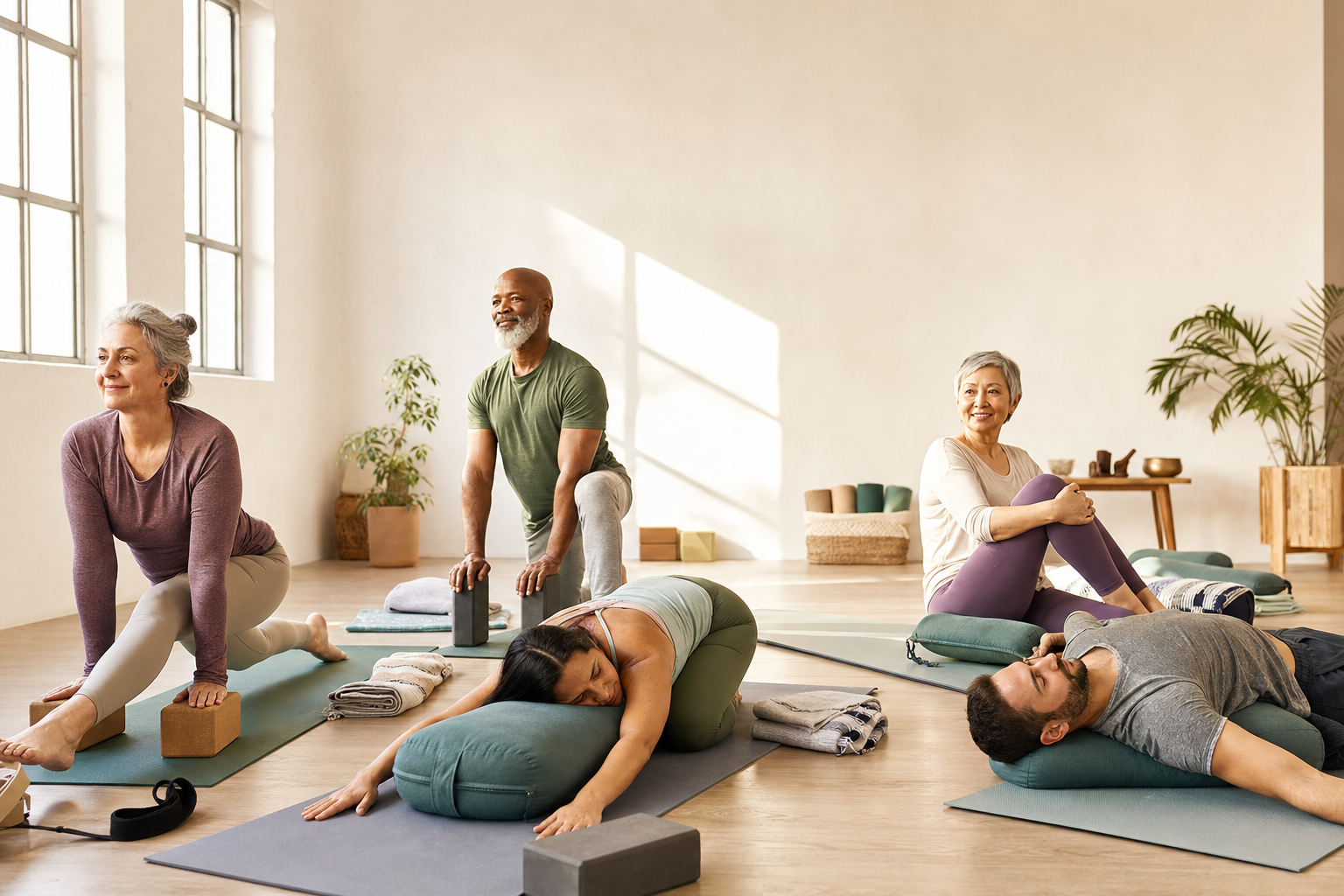
You're not alone. I talk to patients every day—teachers, runners, my own mother-in-law—who say the same thing: it’s just so much harder to move in the morning. There’s that creaky, stubborn tightness, sometimes swelling, often a little pain. For some, it’s knees; for others, fingers or hips. I've met people who need ten minutes just to get their hands to make a fist. It’s frustrating, and worse, it can make you feel older than your years.
Here’s the thing: joint stiffness doesn’t care whether you’re 35 or 75. Sometimes it’s old injuries. Sometimes it's arthritis (the Arthritis & Rheumatology journal estimates that over 54 million adults in the U.S. have some form of it). Sometimes, it’s just…life. Lack of movement, stress, maybe a bit too much desk time. The real kicker? If you don’t move, it just gets worse. This is where yoga comes in—not magic, but real, steady improvement over time.
Yoga and Joints: What the Science Says (and What I’ve Seen)
Look, I’m not here to sell you on yoga as a cure-all. But I wouldn’t keep recommending it to my patients if it didn’t work. There’s plenty of research showing that gentle, regular yoga can genuinely improve joint mobility and reduce stiffness. The Journal of Rheumatology (2014) published a study showing that people with knee osteoarthritis who practiced yoga twice a week saw a 35% improvement in joint function and pain scores after just 8 weeks. Thirty-five percent! That’s not nothing.
You don’t have to be a bendy yogi to get those benefits. In fact, the sweet spot is with simple, accessible poses that focus on movement, deep breathing, and gentle stretching—rather than pretzel-like contortions. Here’s how it works:
- Synovial Fluid Activation: When you move your joints (even a little), it stimulates more production of synovial fluid—nature’s joint lubricant.
- Breaking Adhesions: Slow, controlled stretching helps break up adhesions (fancy word for sticky tissue) that keep joints stiff.
- Reducing Inflammation: Studies from BMC Musculoskeletal Disorders show yoga helps lower markers of inflammation in people with arthritis.
- Neuromuscular Re-Education: Basically, you’re re-teaching your body to move efficiently—less pain, more confidence.
And this isn’t theoretical for me. I remember a patient, Susan, who couldn’t kneel down to play with her grandkids. After two months of gentle yoga, she was on the floor rolling cars back and forth, beaming (and a little teary, honestly). That’s the real stuff.
My Core Yoga Poses for Joint Stiffness & Mobility (With Detailed Tips)
Alright, let’s get practical. Here are my top yoga poses for stiff joints—these are the ones I teach (and use myself) for knees, hips, shoulders, wrists, and even those stubborn ankles. You don’t need to be flexible. You need to be consistent. If you’re nodding along, you’re not alone.
1. Cat-Cow (Marjaryasana/Bitilasana)
This one looks simple, but it’s a game-changer for the whole spine—and by extension, your hips and shoulders.
- Start on all fours, wrists under shoulders, knees under hips. Inhale, arch your back (cow), lifting your head/tailbone. Exhale, round your spine (cat), tucking chin and pelvis.
- Repeat slowly for 1-2 minutes. Don't rush—focus on the smooth movement of each vertebra.
- If wrists hurt, roll up a towel or use a gentle compression brace for extra support. I’ve seen the Modvel Compression Knee Brace double as a gentle wrist support for some patients, believe it or not.
2. Supported Child’s Pose (Balasana)
If you’ve got cranky knees or hips, you need props—blankets under the knees, a bolster under the chest. Don’t tough it out. This pose gently stretches the hips, knees, and ankles, but only if you’re comfortable enough to relax.
3. Bridge Pose (Setu Bandha Sarvangasana)
This pose gently activates the hips, knees, and back, and it can be modified for anyone.
- Lie on your back, knees bent, feet hip-width. Press feet down, lift hips up, roll shoulders under.
- Hold for 5–10 breaths, then lower with control.
- If your knees wobble or ache, place a yoga block or cushion between them and squeeze gently to keep alignment.
4. Seated Forward Fold (Paschimottanasana)—With a Twist
No, you don’t need to touch your toes. In fact, bend your knees as much as you want. The goal isn’t a pretty Instagram shot; it’s gentle traction for your spine and hips. I often tell patients to loop a towel behind their feet and pull gently, breathing into tight spots.
5. Reclining Hand-to-Big-Toe Pose (Supta Padangusthasana)
Great for stiff hamstrings, knees, and ankles. If you can’t reach your foot (most can’t at first), use a belt or yoga strap. Keep your non-lifting leg bent for extra comfort. Three or four slow reps on each side is plenty.
Bonus: Wrist and Ankle Circles
Neglected joints, right? Spend 30 seconds making slow, deliberate circles with each wrist and ankle. It lubricates the joint and wakes up the surrounding muscles. I do this every morning with my coffee (not kidding).
What About Pain During Yoga?
Let’s be real—if you’re dealing with arthritis or old injuries, some discomfort is expected. But pain is not progress. If a pose hurts, stop or modify. I can’t say this loudly enough: talk to your doctor or PT before starting new routines if you’ve got serious joint issues, recent surgeries, or you’re taking blood thinners (more common than people think). The goal is patience and progress, not pushing through pain.
Level Up: Everyday Tools That Help Loosen Stiff Joints
Here’s where a little modern support makes a big difference. Yoga is powerful, but sometimes you need a nudge:
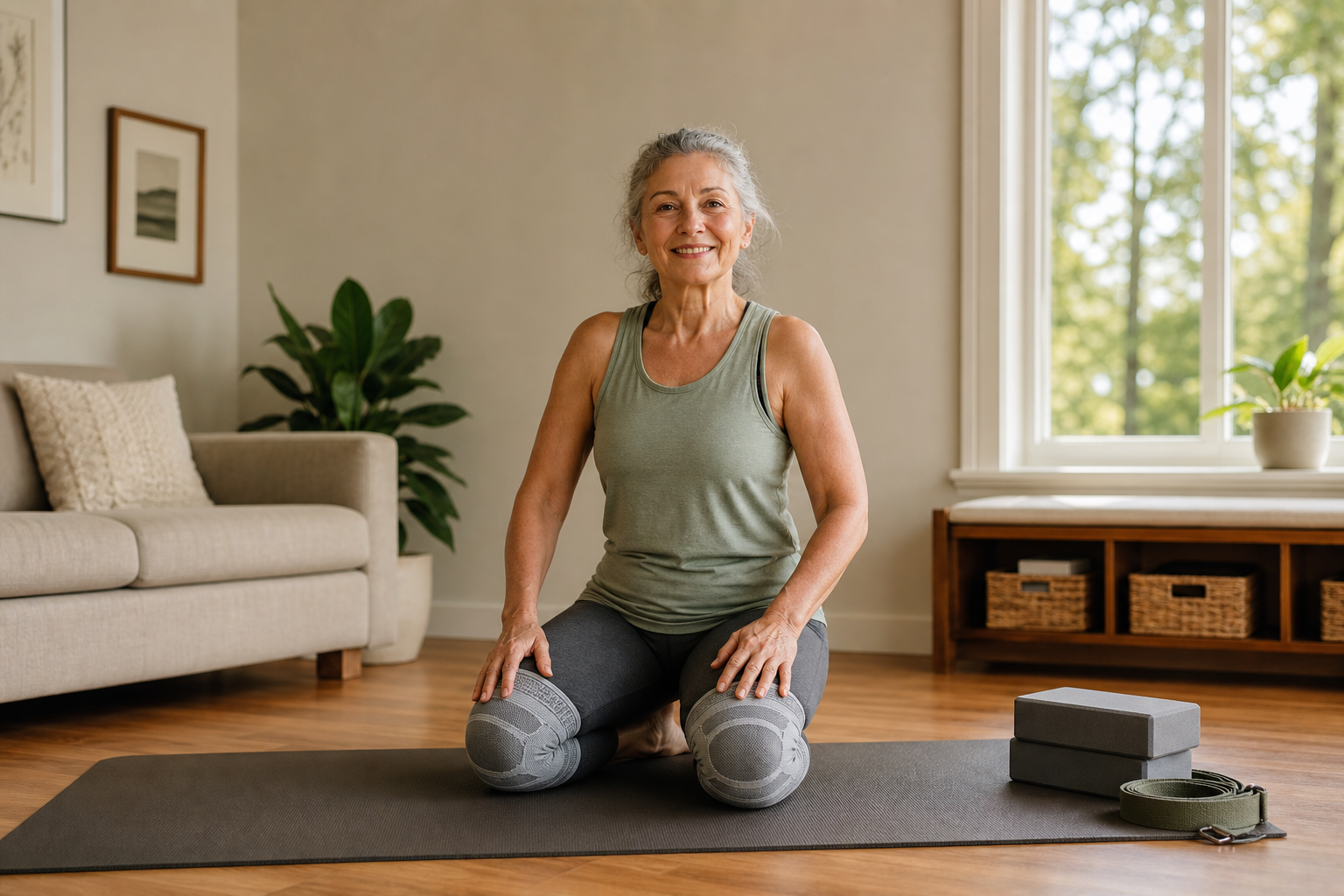
- Compression Braces: I already mentioned the Modvel Compression Knee Brace—it’s a bestseller for good reason. Over 75,000 reviews, anti-slip, holds up through classes and daily use, and you get a pair for under $15. I’ve seen patients stick with their mobility routines longer simply because they feel more stable and supported. Just don’t wear them so tight that you cut off circulation.
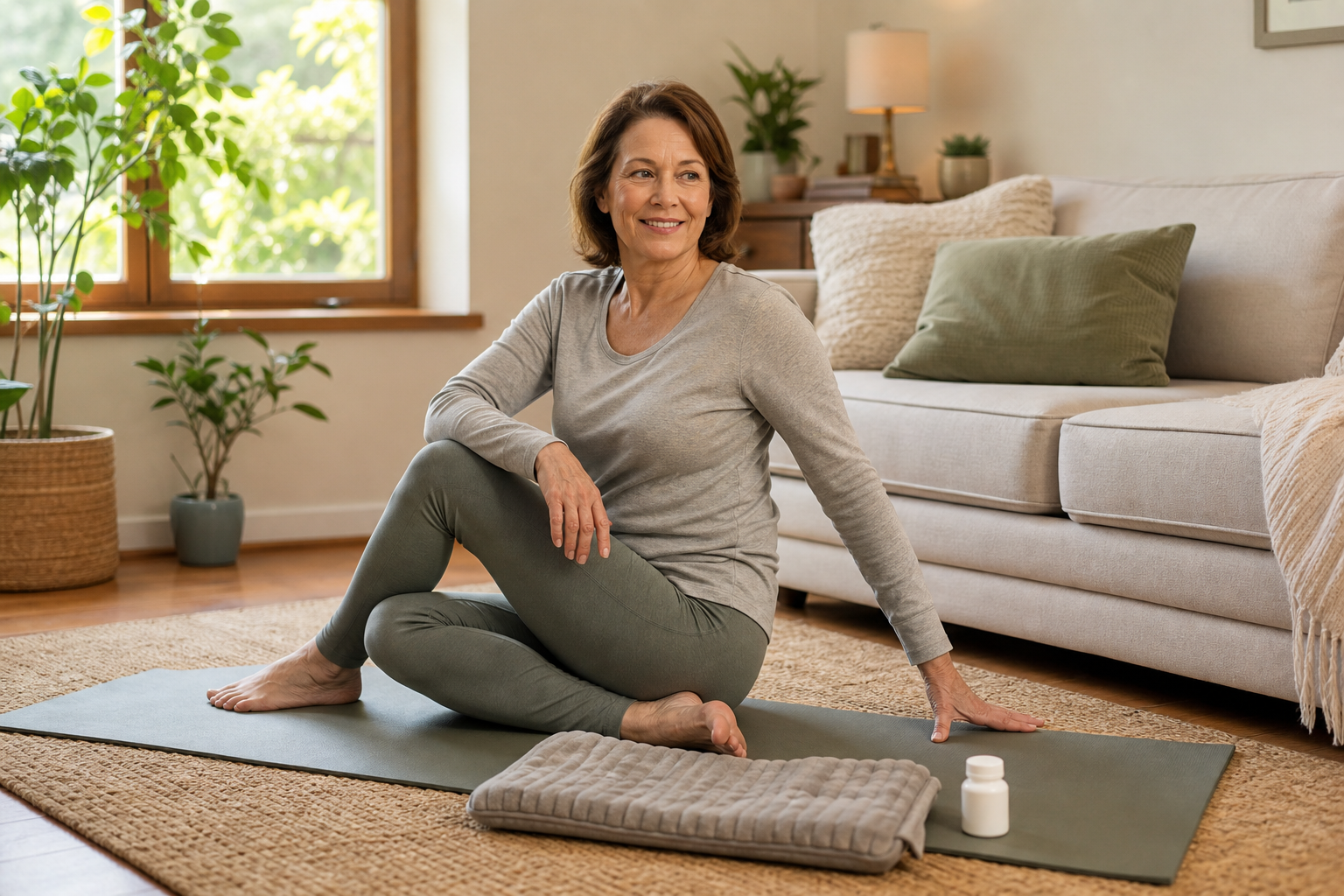
- Moist Heating Pads: Stiff mornings? A 10-minute warm-up with a pad like the Pure Enrichment PureRelief XL Heating Pad can help prep joints for movement. The moist heat option is a lifesaver—penetrates deeper than dry heat and helps soft tissue relax. I keep one behind my office chair for stubborn days.
- Joint Support Supplements: This one’s a bit controversial. Some docs roll their eyes, but the BMJ published a meta-analysis in 2017 showing that glucosamine and chondroitin, when taken at 1500mg/1200mg daily, can reduce knee pain in mild to moderate osteoarthritis. Not everyone’s a responder—but I’ve had patients swear by comprehensive blends like Glucosamine Chondroitin Turmeric MSM & Boswellia by Vimerson Health, especially when paired with yoga. At less than $30 for a month’s supply, most folks find it worth a shot—just clear any supplements with your doctor, especially if you’re on prescription meds or have allergies.
How Often Should You Practice (and What’s “Enough”)?
Consistency over intensity. I’d much rather patients do ten minutes of yoga, three or four days a week, than one marathon class once a month. The studies I trust most (like the 2019 randomized trial in Clinical Interventions in Aging) used two to three sessions per week. Even a short daily routine—five poses, five breaths each—moves the needle over time. Mark your calendar, link it to your morning coffee, or put a mat in the middle of your living room. Whatever it takes.
And—don’t expect perfection. Some days will feel easier, some stiffer. Celebrate the small wins: a deeper squat, less crackling, the ability to get up from the floor with a little more grace. Those are huge.
Yoga Poses for Specific Joint Stiffness: Quick Reference
- Knees: Bridge Pose, Supported Child’s Pose, Seated Forward Fold (with bent knees)
- Hips: Cat-Cow, Child’s Pose, Reclining Hand-to-Big-Toe
- Shoulders: Cat-Cow, gentle Supported Bridge, Arm Circles
- Wrists/Ankles: Slow circles, light weight-bearing with props
If you want video routines, there are excellent free resources out there—YouTube is stuffed with gentle yoga for seniors, arthritis, or beginners. Just vet the creator’s credentials, and avoid any pose that makes you wince.
What Yoga (Alone) Can’t Fix—And When to Get Help
Look, yoga is a tool, not a miracle. If you’ve got sudden severe swelling, fever, redness, or your joint clicks and locks up, please get checked out. Yoga can help manage mild to moderate stiffness and the day-to-day aches of aging, old injuries, or overuse. If you’re dealing with autoimmune arthritis, advanced osteoarthritis, or new injuries, you need a tailored plan—sometimes more medical management. I always tell folks: “Yoga is safe, but your body is unique. Don’t push through sharp pain.”
The Bottom Line: Small Steps, Big Shifts
Here’s what I tell my own family: joint stiffness is stubborn, but it’s not a life sentence. Start with a few gentle yoga poses, add a little patience, maybe supplement with a brace or heating pad if you need it, and watch for those tiny improvements. Over weeks and months, they add up. And if you’re thinking, “I’m too old, too inflexible, too far gone”—I’ve seen folks in their seventies regain mobility they thought they’d lost for good.
If you have a favorite pose, or a tool that's worked wonders, send me a note! I’m always looking for real-life stories to share. And if you’re new to all of this, let today be the start. Your joints will thank you.
Stay Curious, Stay Moving
I’ll keep testing, researching, and (occasionally) eating my own words—because that’s how we get better. Here’s to looser joints, more freedom, and a little less creak in the morning!
—Dr. Michael Torres, DC
Licensed Chiropractor & Nutrition Counselor