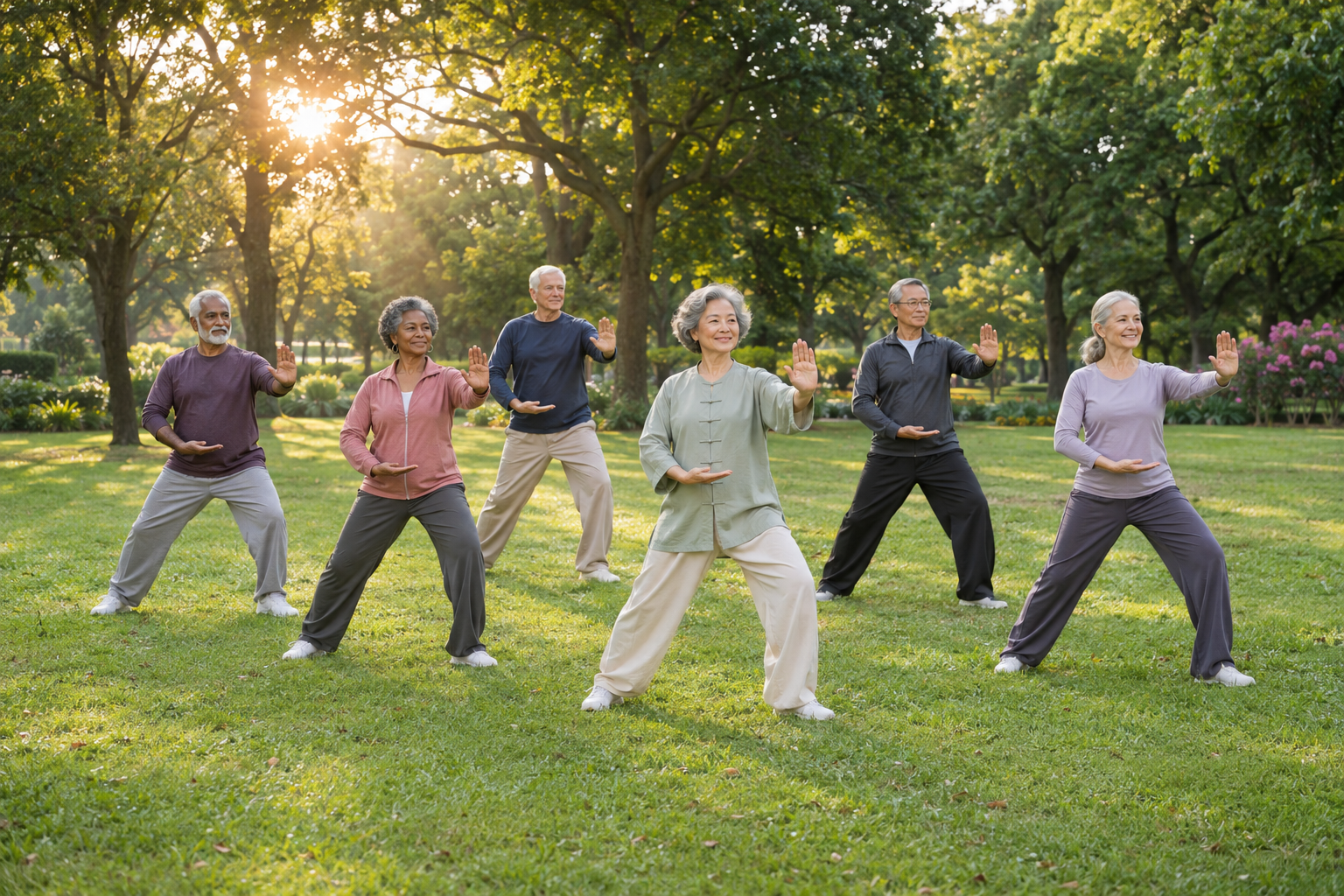
Tai Chi Benefits for Arthritis and Balance: What I Tell My Patients (And My Own Family)
I still remember the first time a patient—let’s call her Ruth—walked into my office, cane in hand, wincing with every step. She was skeptical when I mentioned tai chi. "Isn’t that just slow-motion dancing for retirees?" she asked, half-joking, half-dubious. I get it. Tai chi’s gentle, flowing movements hardly look like medicine. But the research (and I’d argue, real life) tell a different story.
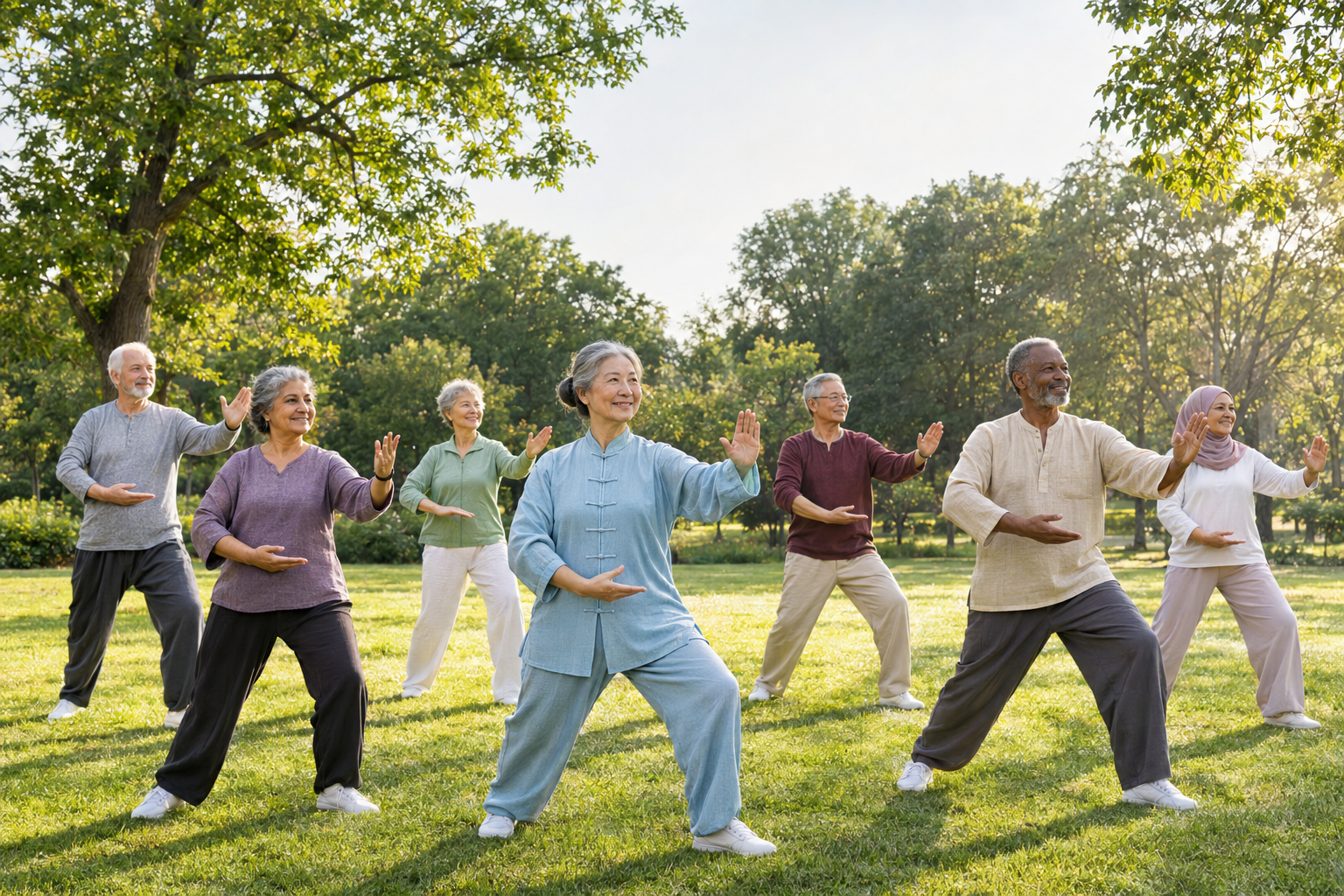
Why Everyday Movement Feels Like an Uphill Battle with Arthritis
If you’re nodding along—aching knees in the morning, knuckles that won’t close without complaint, or maybe a paralyzing fear that a stumble could mean a broken hip—you’re not alone. The CDC estimates over 58 million adults in the US have doctor-diagnosed arthritis. Stiffness, swelling, pain—all of it conspires to make us move less, which just... makes it worse.
And balance? Most folks don’t realize how quickly pain and weakness can unravel it. Falls are the leading cause of injury for older adults. It’s not just about discomfort—it’s about independence, confidence, and, frankly, the fear that a single misstep might change your life.
Here’s the thing: I’ve treated hundreds of arthritis patients over 13+ years. Medication helps, sure. But movement—gentle, mindful movement—can be a game-changer. That’s where tai chi comes in.
How Tai Chi Works for Arthritic Joints and Wobbly Balance
Tai chi isn’t one-size-fits-all. In China, it’s called "moving meditation." But the clinical journals—Arthritis & Rheumatology, BMJ, Journal of Rheumatology—paint an even broader picture.
- Gentle, controlled motions lubricate stiff joints without overloading them.
- Weight shifting and posture changes activate core muscles and stabilize the lower body. Every step, reach, and bend trains your body to catch itself—crucial if you have poor balance or a history of falls.
- Slow breathing and focus reduce stress and pain perception. (There’s real science here: Mindfulness practice in tai chi has been shown to lower pain ratings in arthritis patients.)
One 2016 BMJ meta-analysis looked at over 1,500 participants with knee osteoarthritis. Tai chi improved pain and physical function by roughly 20% compared to controls after 12 weeks. That’s not magic. That’s movement science.
An older Journal of Rheumatology study (2009) found that after 12 weeks of tai chi, adults with rheumatoid arthritis reported better joint function, less pain, and even improved mood. It’s not just about the knees or hips—shoulders, wrists, spine, all benefit from gentle mobility.
Won’t I Be Too Stiff for Tai Chi?
I’ll be honest—I was skeptical years ago. My mother-in-law, stubborn as she is, started tai chi after her second fall. She could barely get out of her chair at first. The first few classes, she mostly watched. But week by week, her confidence grew. Six months in, she ditched her walker for a hiking stick. I’ve seen this pattern over and over: You don’t have to be flexible or athletic. Tai chi meets your body where it’s at.
What really sealed it for me? Unlike most exercise classes, tai chi instructors are used to adapting for arthritis, balance problems, and even wheelchairs. It’s slow, controlled, and forgiving. Miss a step? No one cares.
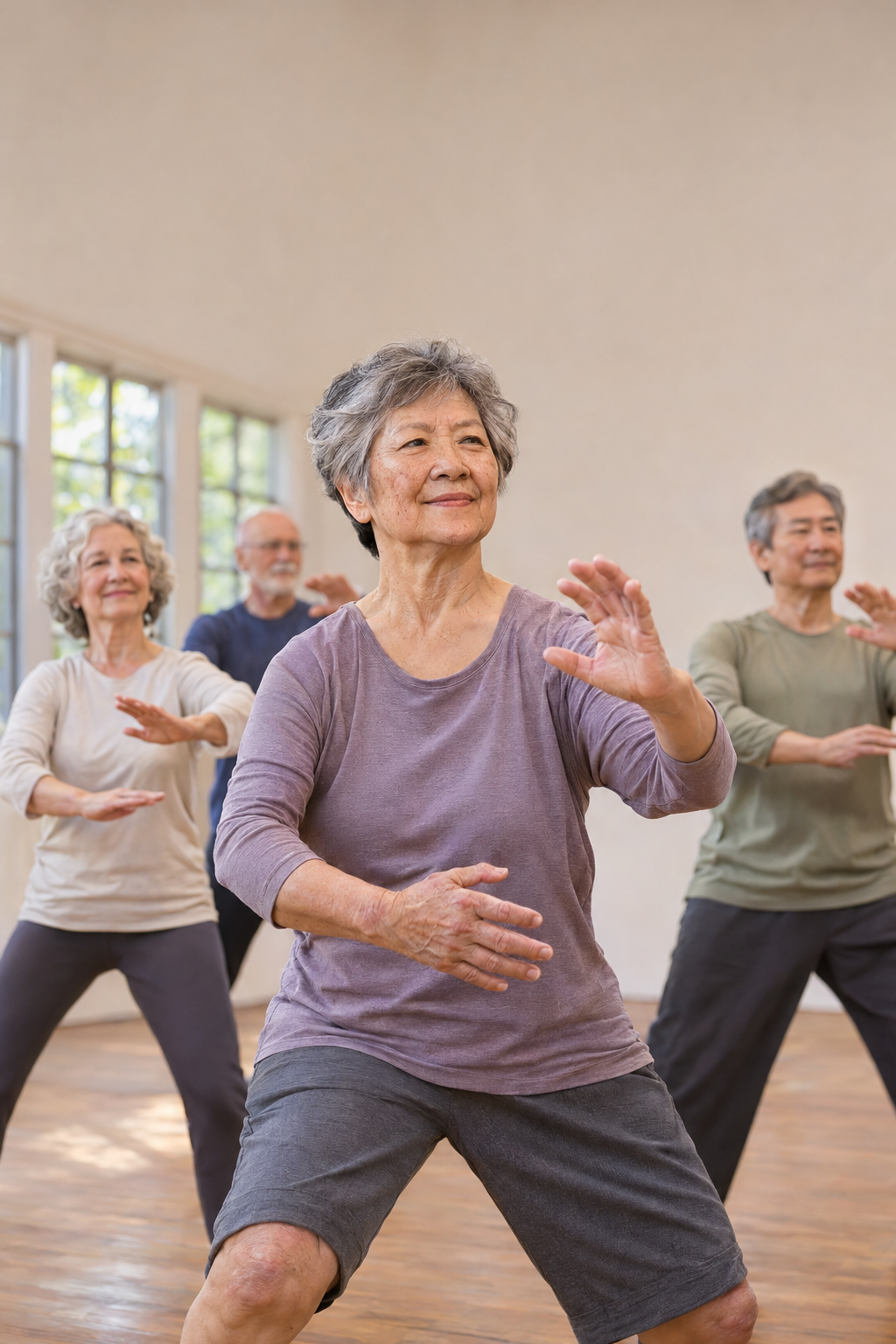
The Research: Tai Chi for Arthritis and Balance Isn’t Just Hype
On Pain and Mobility
Here’s where it gets interesting: A 2015 Harvard study followed 204 adults with knee osteoarthritis for 12 weeks. Half did tai chi, the other half attended stretching and wellness classes. Both groups improved, but tai chi participants reported significantly less pain (measured by WOMAC scores) and better function. They also stuck with their practice longer.
Another review in Arthritis Care & Research (2019) looked at over 20 trials. The summary? Tai chi consistently improved pain and stiffness, especially with 2-3 sessions weekly. No serious side effects reported. That’s a rarity in arthritis interventions.
On Balance and Fall Prevention
Here’s the real kicker—tai chi improves balance. A Journal of Gerontology trial showed that older adults practicing tai chi twice a week cut their fall risk in half over six months. Most articles don’t mention this, but tai chi actually outperformed physical therapy exercises for balance in a head-to-head trial from the New England Journal of Medicine in 2012.
Why? It’s not just leg strength. Tai chi combines:
- Dynamic stepping (the kind you use to catch yourself in a trip)
- Coordination between arms, core, and legs
- Awareness of body position (proprioception) — which declines with arthritis or age
If you want to prevent falls, it’s not about getting strong at the gym—it’s about retraining your body’s "balance reflex." Tai chi, practiced regularly, does just that.
What About Results for Severe Arthritis?
Not gonna lie—if you’re flaring badly or bone-on-bone, you won’t suddenly do deep lunges. However, there are modified tai chi styles (like Sun-style, popularized by Dr. Paul Lam’s "Tai Chi for Arthritis") that were designed for arthritis and have been studied by the CDC. Seated tai chi can be surprisingly effective for mobility and confidence, too.
How to Start: Realistic Tips for Real-World Bodies
So, how do you actually make tai chi work if your knees are creaky, your back is stiff, and you’re (let’s be honest) a bit nervous about group exercise?
- Look for arthritis-friendly classes—Ask about modifications, props, and beginner support. Many senior centers and YMCAs now offer "Tai Chi for Arthritis and Fall Prevention." (YouTube can be helpful, but in-person feedback is gold.)
- Start with 10-15 minutes—You don’t need an hour. 2-3 short sessions per week were enough for benefits in most studies.
- Wear grippy shoes, not socks—Balance first, always.
- Check with your doctor or PT—Especially if you have severe joint damage, heart issues, or a history of falls. (I know, I sound like a broken record. But safety first.)
If you want a research-backed, at-home guide for joint-friendly exercises—including tai chi-type movements—my go-to is Treat Your Own Knees by Jim Johnson, PT. It’s $11 well spent. The illustrations are simple, and every move is designed to build the flexibility and strength tai chi requires—without gym equipment, and with plenty of arthritis tips sprinkled in. (A reader emailed me last month to say she finally got up from the floor alone after following the knee routine for 8 weeks. She’s 74. Made my week.)
Supporting Your Practice: Tools That Help
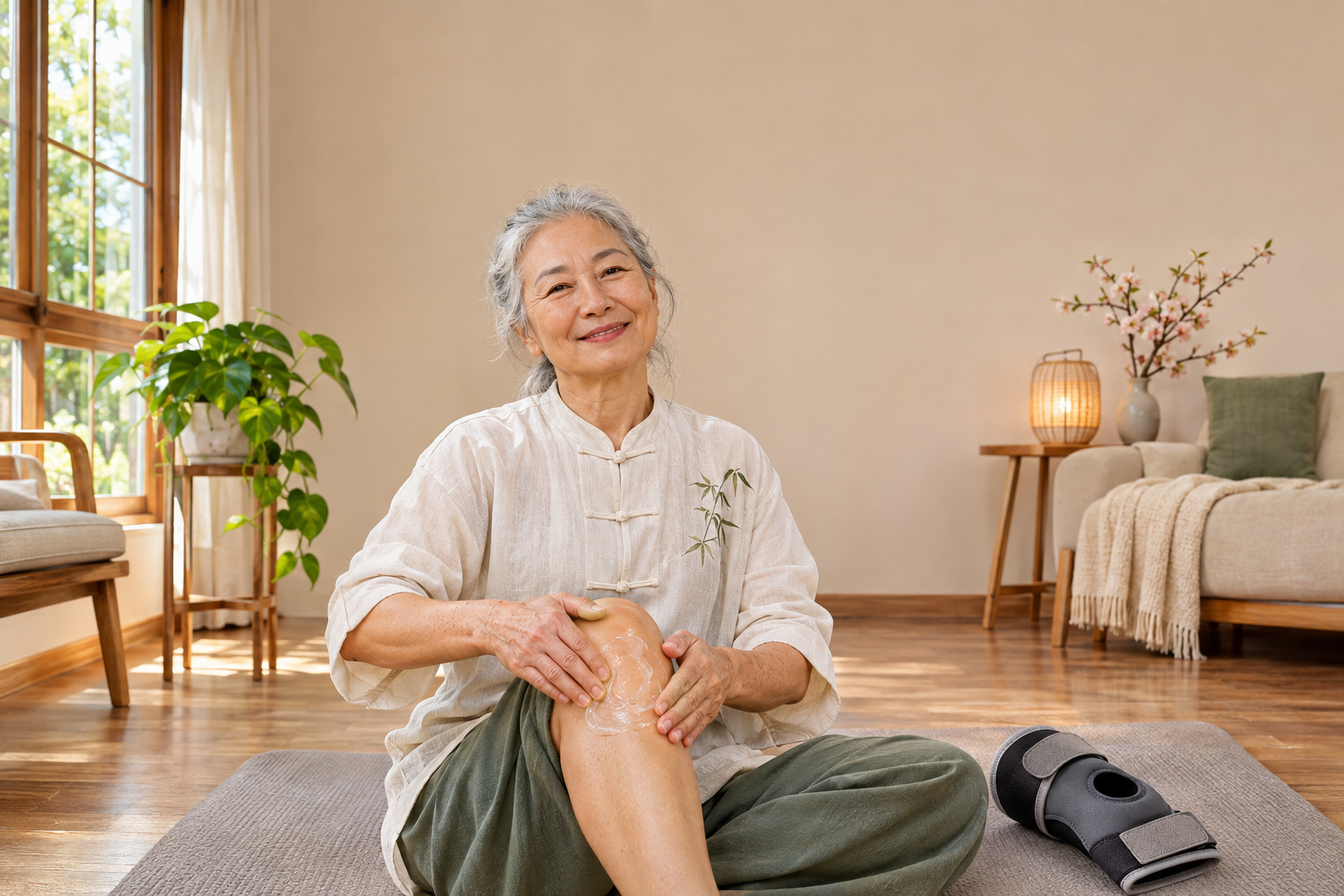
Some days, pain wins. That’s real. On those extra-stiff mornings, I suggest two things (besides movement): topical relief and smart support. For hands-on arthritis pain management, Voltaren Arthritis Pain Gel (diclofenac sodium 1%) is still my clinical gold standard—FDA-approved, clinically proven, and available without a prescription. It’s not messy, absorbs fast, and takes the edge off just enough to make movement possible. I use it on my own knees before morning walks.
If your joints feel wobbly or you’re worried about "giving out," an adjustable brace like the NEENCA Professional Knee Brace can add peace of mind—especially for new tai chi practitioners. The side stabilizers and patella gel pad help with uneven surfaces and transitions from sitting to standing. I don’t encourage bracing all the time, but as a training wheel for building confidence? Absolutely.
But—and this is important—none of these products replace movement. They just help you get started, stay consistent, or push through a tough day without making things worse.
How Tai Chi Stacks Up: The Honest Pros and Cons
- Pros: Safe for most people (with your doctor’s okay), improves pain, balance, mood, and confidence. No fancy gear or gym membership required. Adaptable for all abilities.
- Cons: Progress is gradual—don’t expect overnight results. Some folks get frustrated with the choreography. Not all instructors know arthritis modifications, so shop around.
Here’s something most articles won’t tell you: For severe, bone-on-bone arthritis, you might hit a ceiling on pain relief. Tai chi won’t regrow cartilage. But it can absolutely help you move better with the joints you have—and build resilience in muscles that support them.
And for balance? If you’re consistent, it’s tough to beat. I’ve had patients who went from shuffling across the living room to hiking at their state park club—all because they stuck with twice-weekly tai chi and a home exercise plan.
Extra Tips from the Clinic
- Journal your pain and progress. You may not notice improvements right away, but looking back over a month helps.
- Prioritize quality over quantity. Ten mindful minutes trump a distracted hour.
- Keep it social. Tai chi is meant to be shared—don’t be afraid to invite a spouse, friend, or grandkid. Even virtual classes help with accountability.
Biggest Takeaways (That You Won’t Find on a Supplement Label)
If you remember nothing else from this column, let it be this: Movement heals, and tai chi—done right—offers a uniquely safe, effective, and sustainable path for arthritis and balance issues. Pills, lotions, and gadgets have their place, but they don’t retrain your body’s sense of movement or confidence.
Start slow, stay safe, choose supportive tools as needed, and find a good teacher. I’ve seen more functional milestones hit with tai chi and home exercise than with any single medication. And honestly? It’s never too late to begin. My oldest tai chi convert was 93.
If you’ve been sitting on the fence, try one gentle session—either in person or with a guidebook like Treat Your Own Knees. Notice how your joints feel. Notice how your confidence shifts. That’s the real medicine.
And if you find your motivation wavering, shoot me a message. I’ll get out the pep talk (and maybe share my latest tai chi mishap—I’m still not immune to tripping over my own feet). Here’s to less pain, more balance, and movement that restores the life you want to live.
Dr. Michael Torres, DC—chiropractor, nutrition counselor, and longtime advocate for mindful movement over miracle pills.