Yoga Poses for Joint Stiffness and Mobility: My Go-To Routines for Everyday Relief
I’ll never forget the first time my neighbor, Karen, limped into my clinic holding her hip. She’s in her early 60s, still hiking the local trails, but lately her joints had started “creaking” every morning. She looked at me—half embarrassed—and said, “Isn’t there something…gentler than squats?” Honestly, I’ve lost count of how many times I’ve heard that question. The answer I give? Yoga. Not the Instagram version with handstands or pretzel poses, but simple, time-tested stretches that ease stiffness and get those joints gliding again. In fact, a 2020 meta-analysis in Arthritis Care & Research found just eight weeks of gentle yoga improved mobility and reduced pain in adults over 50. That’s where the magic happens.
Why Joint Stiffness Feels Like a Permanent Houseguest
If you’re dealing with joint stiffness—especially in the morning, or after sitting too long—trust me, you’re in crowded company. I work mostly with folks 40 and up, and the usual complaints sound eerily similar: “My knees snap when I stand,” “My hips feel glued together,” or “My back’s a rusty hinge.” Everyday activities suddenly become negotiations with your own body. Putting on socks? That’s an Olympic event. Grabbing something from the floor? Forget it, unless you want to groan dramatically.
Here’s the thing: Joint stiffness isn’t just about age or arthritis. It’s more about what your joints aren’t doing than what they are. The less we move, the tighter the connective tissues get. Synovial fluid (the natural "oil" for your joints) needs movement to circulate. That’s why “motion is lotion,” as I remind almost every client. But it needs to be the right kind of motion: controlled, gentle, steady—just like yoga.
The Science: How Yoga Eases Stiff Joints and Boosts Mobility
Let’s cut through the wellness noise. Does yoga really help stiff joints? The evidence says yes, but it’s not all incense and deep breaths. Research in the Journal of Rheumatology (2014) showed that yoga can reduce joint pain, stiffness, and functional limitations in adults with osteoarthritis and rheumatoid arthritis. The big kicker? Many participants reported improvements within just 6-8 weeks. Even a basic home routine (no fancy equipment required) can make a measurable difference.
Here’s why it works:
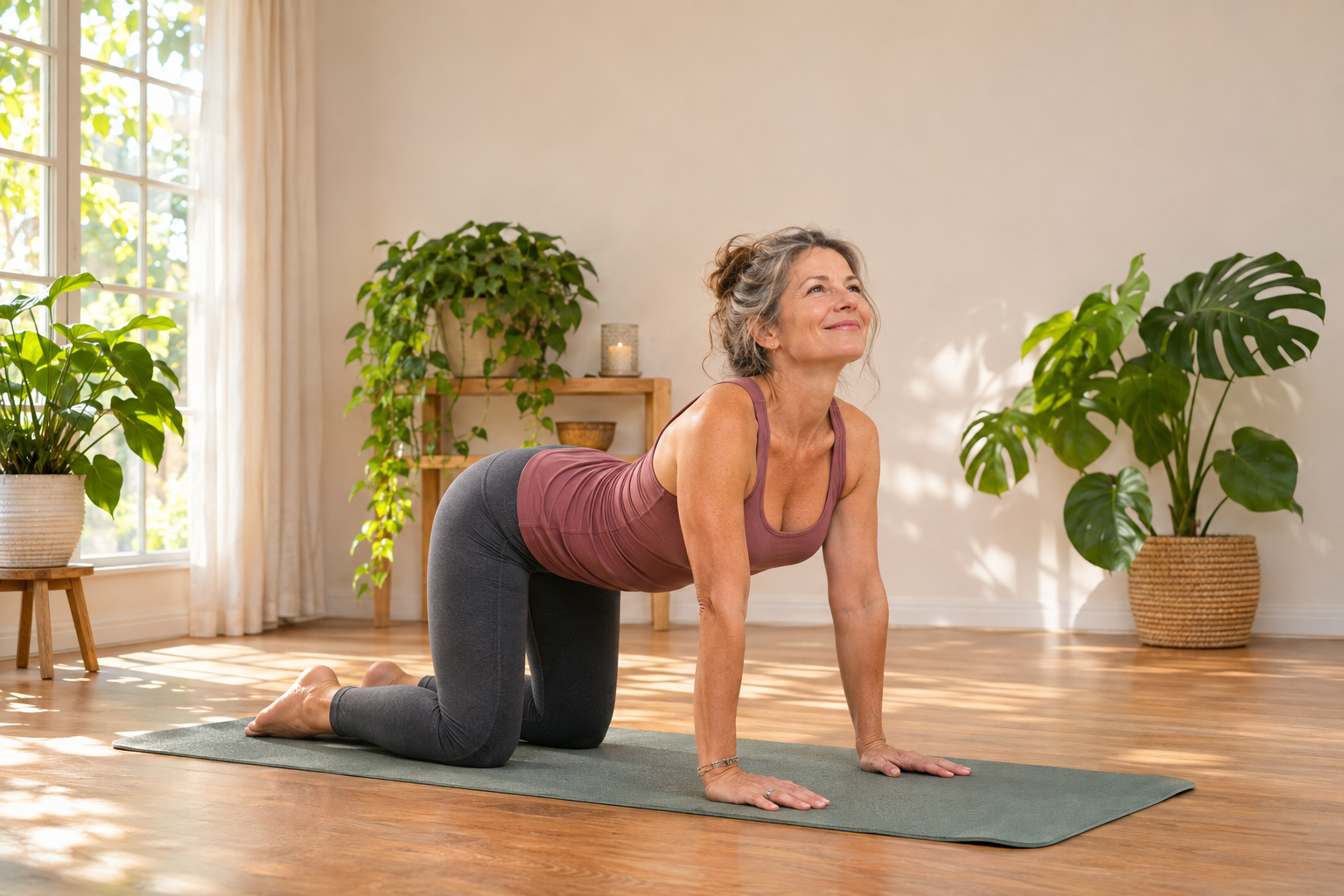
- Gentle Joint Circulation: Poses like Cat-Cow or gentle twists move synovial fluid, literally lubricating cartilage and washing away waste products.
- Stretching Tight Tissues: Yoga lengthens muscles and connective tissue, reducing that “locked” feeling in the morning.
- Mindful Movement: Slowing down helps retrain your nervous system, so you stop tensing up at every twinge. (A big deal for chronic pain folks!)
One thing I always remind readers: If you have a medical diagnosis—especially inflammatory arthritis, recent joint replacement, or an old injury—talk to your doctor or PT before starting any new routine. Safety first, always.
7 PT-Approved Yoga Poses for Joint Stiffness and Mobility
Let me show you the poses I actually teach—no circus moves, I promise. These are safe for most folks and easy to modify. No experience required.
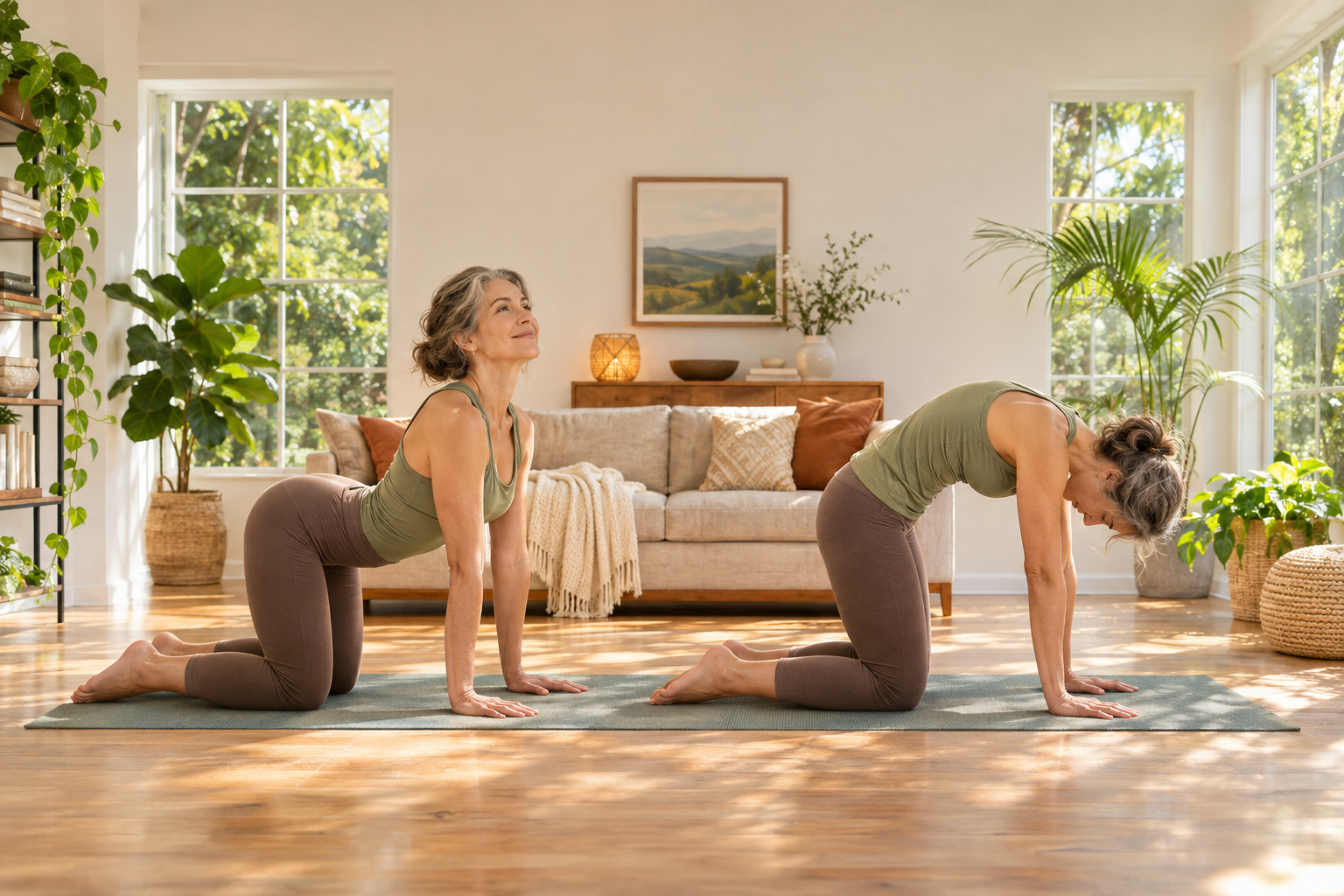
- Cat-Cow (Marjaryasana-Bitilasana): Start on hands and knees, alternate between arching and rounding your back. Great for spine, shoulders, and even hips. I recommend 8-10 slow reps, focusing on your breath.
- Child’s Pose (Balasana): Knees wide, sit your hips back toward your heels, forehead to floor or pillow. Relieves tension in hips, knees, and low back.
- Knee-to-Chest (Apanasana): Lie on your back, hug one or both knees toward your chest. Fantastic for hip and lumbar flexibility.
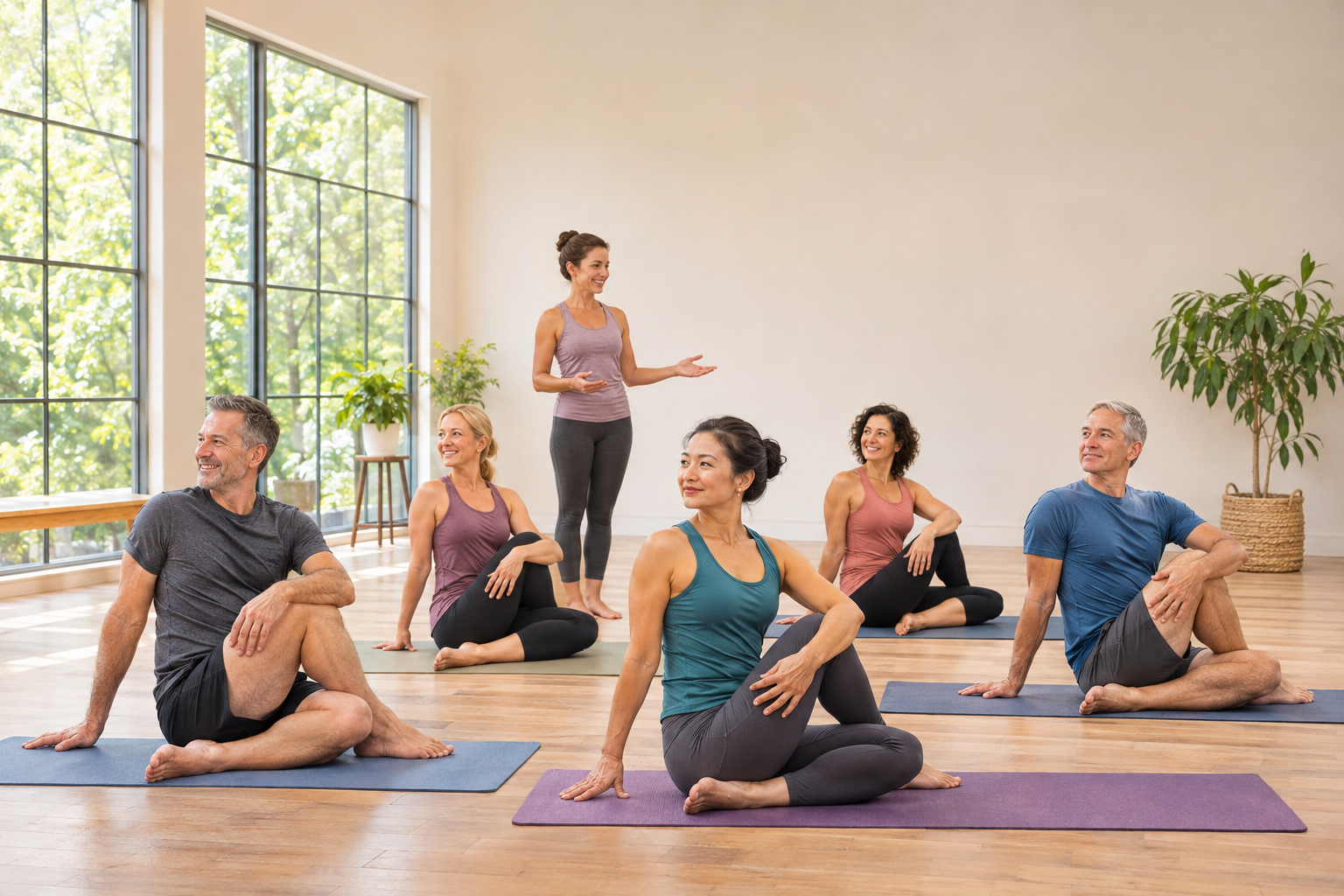
- Seated Spinal Twist (Ardha Matsyendrasana): Sit tall, cross one leg over, gently twist toward the raised knee. My mother-in-law swears by this for her “unruly” lower back.
- Supine Figure-4 Stretch: On your back, cross one ankle over opposite knee and gently pull the uncrossed thigh in. Opens up the hips and relieves piriformis tightness.
- Supported Bridge Pose (Setu Bandha Sarvangasana): Lie on your back, knees bent, feet flat. Lift hips, support with a block or pillow. This gently mobilizes hips and stretches the front body.
- Low Lunge (Anjaneyasana): Step one foot forward, drop the back knee. Targets hip flexors—a neglected area for most of us who sit too much.
How to Build a Joint-Friendly Home Yoga Routine (and Actually Stick With It)
Look, I’ll be honest: Motivation is a real barrier for most of us—myself included. Even therapists. What works? Small, realistic expectations. I tell clients to “stack” yoga onto something you already do. Morning coffee? Try Cat-Cow right after. Evening TV? Stretch on the floor during commercial breaks. Five minutes is enough—if you’re consistent.
If you struggle with knee pain (and who doesn’t, past 40?), a Modvel Compression Knee Brace can help stabilize your joint, making kneeling or lunges way less intimidating. I’ve recommended these more times than I can count—especially for those nervous about pressure on sensitive knees. They’re affordable, easy to slide on, and the anti-slip strips actually work (my clinic’s loaner pairs get a lot of use!).
Here’s the unpopular opinion: You do not need an hour—or split leggings or fancy blocks—to get real benefit. Just pick 3-4 moves, do them every day, and log how you feel after a week. I ask my patients to rate their stiffness from 0-10 before and after. The change can be subtle at first, but it adds up.
What Makes a Yoga Sequence Truly “Joint-Safe”?
Most articles gloss over this. But as a PT, I’m picky. A “joint-safe” yoga practice should:
- Skip deep end-range holds or aggressive splits—think gentle stretching, not forced flexibility.
- Use props (pillows, folded blankets) liberally to support knees, hips, or wrists.
- Encourage slow transitions—rushing risks tweaks or strains, especially in the AM when joints are coolest.
For extra comfort, I keep a Pure Enrichment PureRelief XL Heating Pad stashed in my living room. Applying a little heat to the low back or knees before stretching can make you feel ten years younger, not gonna lie. Especially in winter. (Bonus: the moist heat setting really penetrates deep—great for stubborn joints.)
Deep Dive: What the Research Shows—And What It Doesn’t
If you’re nodding along, you’re not alone. The last decade has seen a flurry of studies on yoga for arthritis and age-related stiffness. The 2019 BMJ Open review looked at over 20 randomized trials: yoga improved pain and physical function in adults with knee osteoarthritis, with effects similar to basic PT exercise programs. That’s huge. But here’s where it gets interesting: the benefits seemed strongest for people who practiced at least 2-3 times a week, even if just for 15-20 minutes.
But—there’s always a “but”—yoga isn’t a cure-all. Severe joint damage, acute flares, or systemic inflammatory diseases need a whole different management plan. I’ve had patients who loved yoga but needed a break during a bad arthritis flare. Others—like my friend Dave, who had a knee replacement—could only do chair-based yoga for months. Listen to your body, and if a pose feels sharp or makes you wince, skip it for now.
There’s also some debate about whether supplements can help boost your joint mobility. Full disclosure: I’m a cautious fan, provided you talk with your doctor first. Many of my readers use a glucosamine-chondroitin combo (1500mg glucosamine sulfate, 1200mg chondroitin is the classic clinical dose) as an adjunct. One option that combines classics with turmeric and MSM (both anti-inflammatory) is Glucosamine Chondroitin Turmeric MSM & Boswellia by Vimerson Health. It’s not a magic pill, but a 2016 review in Arthritis & Rheumatology found modest improvements in joint comfort and function over placebo, especially in folks with mild to moderate OA. If you’re curious, track your results for 2-3 months—you’ll know if it’s helping you.
Beyond the Mat: Everyday Habits to Support Joint Mobility
Yoga is powerful, but it’s only one piece of the puzzle. Here’s what I see working, day in, day out:
- Stay Hydrated: Even mild dehydration can stiffen cartilage—aim for at least 6-8 cups of water daily.
- Move Frequently: Mini movement “snacks” (getting up to stretch every 30-45 minutes) keep joints oiled.
- Warm Up: Don’t launch into deep stretching cold—walk around the house or climb stairs first.
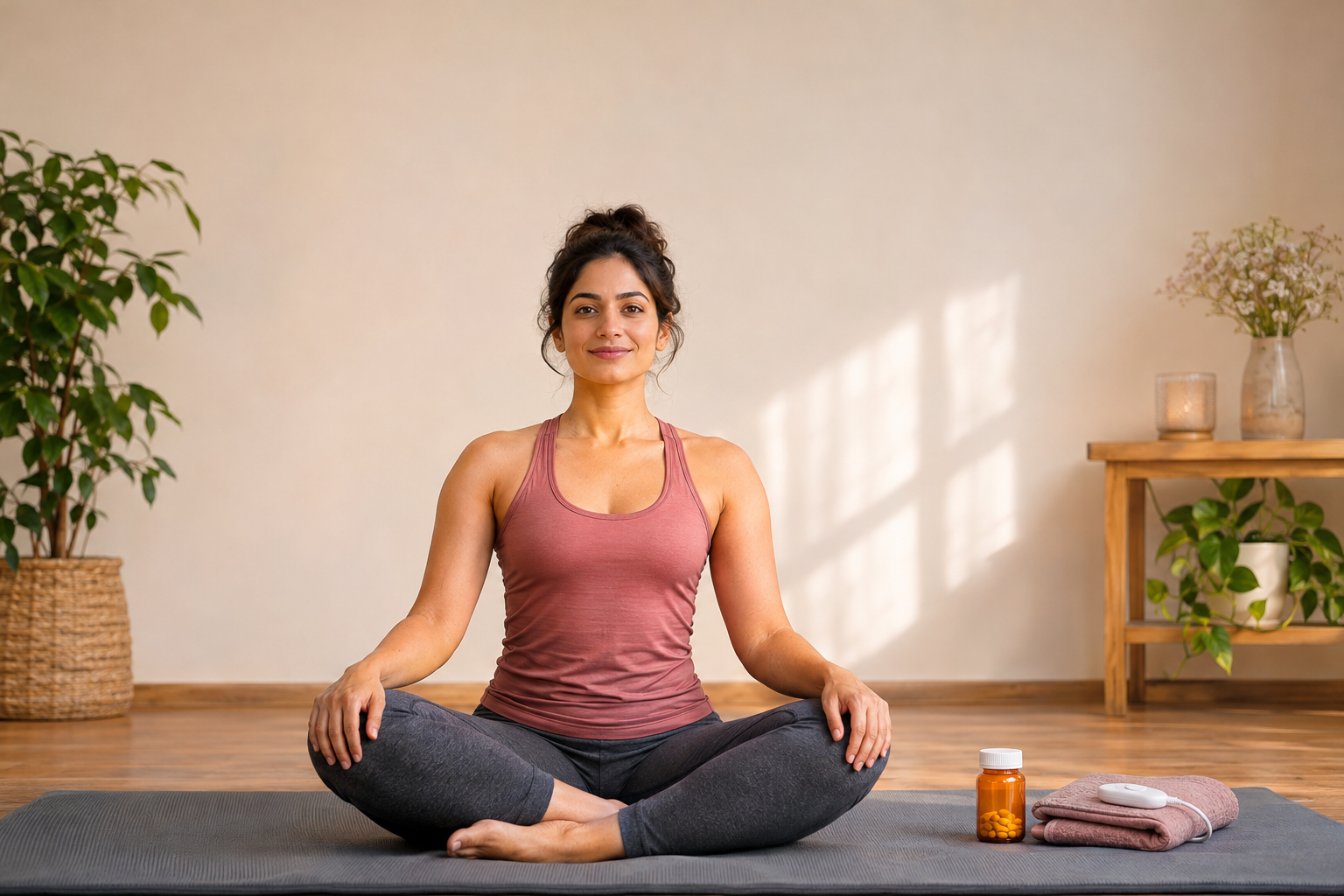
- Supportive Gear: Compression braces, cushioned mats, or gentle heat pads can bridge the gap between stiff days and flexible ones.
- Nutrition Counts: A Mediterranean-style diet (lots of olive oil, greens, oily fish) supports natural anti-inflammatory pathways.
And don’t underestimate the value of community. My local senior center’s yoga class is as much about socializing as stretching. Buddy up, join a group online, or just call a friend to check in after your morning routine. Motivation is contagious.
Quick-Start Mini Routine (5 Minutes)
Not sure where to start? Here’s my “stiff morning” prescription:
- 1 minute Cat-Cow, slow and steady
- 30 seconds each side: Knee-to-Chest
- 1 minute Child’s Pose (use a pillow under your hips or chest)
- 30 seconds each side: Seated Spinal Twist
- 1 minute Supine Figure-4 Stretch
That’s five minutes—done before your coffee goes cold. You can absolutely build from there if you want more.
The Takeaways: Small Steps, Big Changes
Here’s what I tell every client: Mobility isn’t about being the bendiest person in the room. It’s about comfort, confidence, and moving through your day with less resistance. Five minutes, most days of the week—that’s the sweet spot.
And if you need a little extra support? There’s no shame in reaching for a knee brace, a trusty heating pad, or a joint supplement—just stay informed and give each tool a fair trial. Track what helps. Ditch what doesn’t. Your body will thank you.
If you try these routines—let me know how it goes, seriously. And don’t be afraid to modify, skip, or adapt. Every joint is different. Every body tells a different story.
Dr. Sarah Mitchell, DPT, is a licensed physical therapist and Senior Health Editor at JointReliefReviews. She’s spent over a decade helping people move better, hurt less, and reclaim their active lives—one joint at a time.