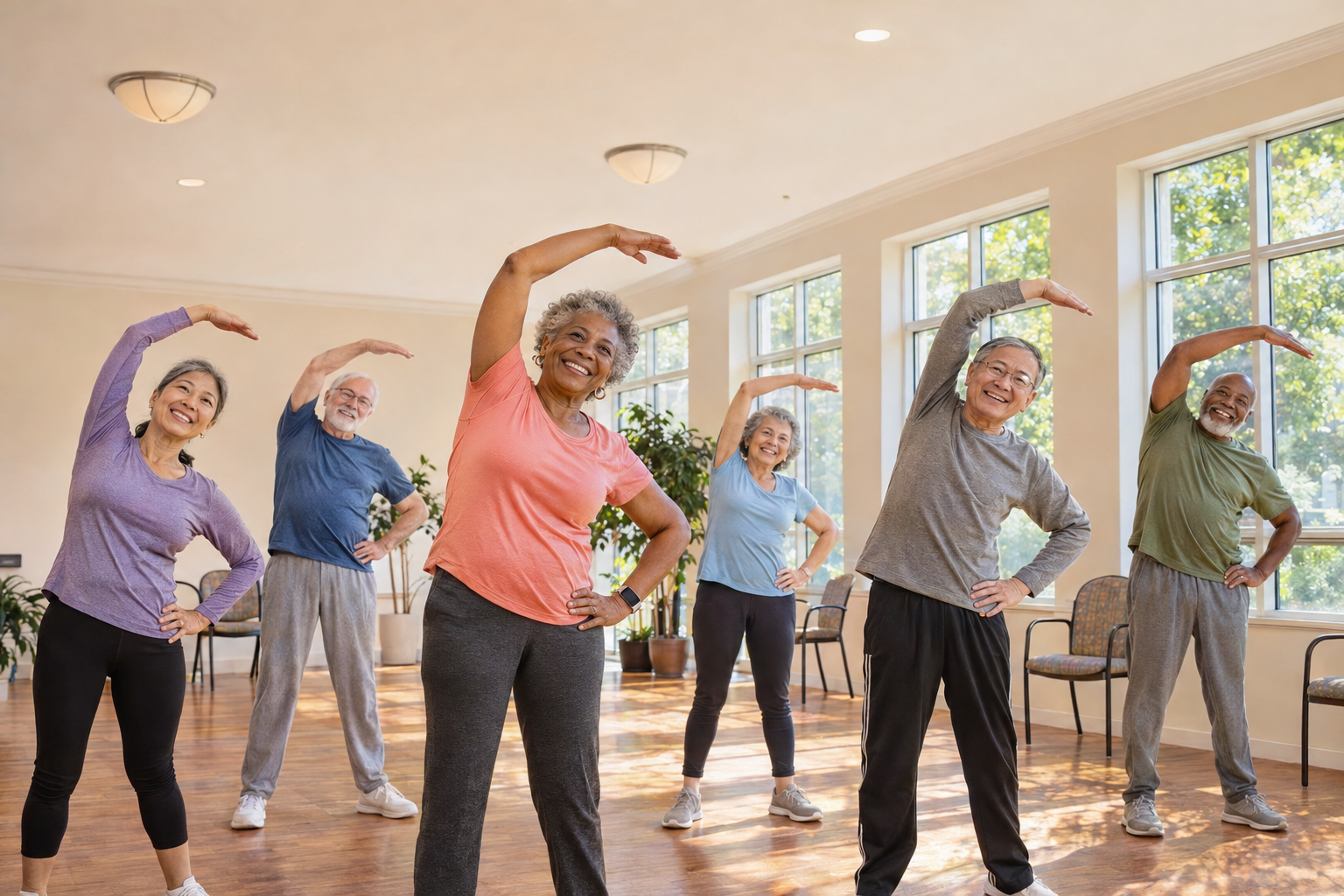
Low Impact Exercises for Seniors with Arthritis: Real-World Advice from a Physical Therapist
"My knees just don’t work like they used to." Helen told me this at her first appointment, hands folded over her walker, eyes a little hopeful and a little skeptical. She’s not alone—according to the CDC, nearly half of adults over 65 live with arthritis. But here’s what most people don’t realize: the right kind of movement is not just safe for arthritic joints, it’s absolutely vital.
But Why Does Exercise Feel Impossible When You Hurt?
If you’re nodding along, you’re not alone. Nobody wants to move when every joint is screaming. And let’s be real—sometimes simply getting out of a chair feels like running a marathon (without the medal or the bananas at the end). I’ve worked with hundreds of seniors who describe the same frustrating cycle: pain leads to inactivity, muscles get weaker, joints get stiffer, and pain gets even worse. It’s a vicious loop.
Here’s the thing: too much rest is the enemy. The Journal of Rheumatology (2019) found that seniors with osteoarthritis who followed a regular, gentle exercise program had up to 35% less pain and were twice as likely to keep their independence compared to those who stayed sedentary. That’s not wishful thinking—that’s hard science.
What Makes an Exercise 'Low Impact'—And Why Does It Matter?
Low impact doesn’t mean 'easy' or 'wimpy.' It just means the exercise is kind to your joints. Think movements where at least one foot stays on the ground, there’s no pounding or jarring, and you can adjust the intensity.
Here’s where it gets interesting: a lot of activities you might already be doing—walking, gentle swimming, even basic chair yoga—are considered low impact. But some classic low impact moves work even better for arthritis, and that’s what I want to share with you.
The Science: Why Low Impact Exercise Helps Arthritic Joints
I know what you might be thinking: "If my cartilage is wearing away, won’t exercise just do more damage?" Believe me, I hear this every single week.
But study after study—like the meta-analysis in Arthritis & Rheumatology (2021)—shows that gentle, consistent movement actually nourishes cartilage by pumping synovial fluid (think: joint lubricant) into the creaky spots. Plus, low impact exercise strengthens the muscles surrounding your joints, which takes the load off aching knees, hips, or shoulders.
I’ll be honest—most medical articles make it sound way too complicated. In practice, the formula is simple: move a little, move often, and keep it kind.
Best Low Impact Exercises for Seniors with Arthritis: My Top Picks
I’m not here to give you a one-size-fits-all list. Some folks love the pool (my mother-in-law insists her weekly aqua class changed her life), others prefer to keep both feet planted firmly on dry ground. These are the exercises I keep coming back to with my patients:
- Walking. The single most underrated exercise, hands down. Even 10 minutes a day—broken into 2-3 short strolls—keeps joints supple. Flat, even surfaces are your friend.
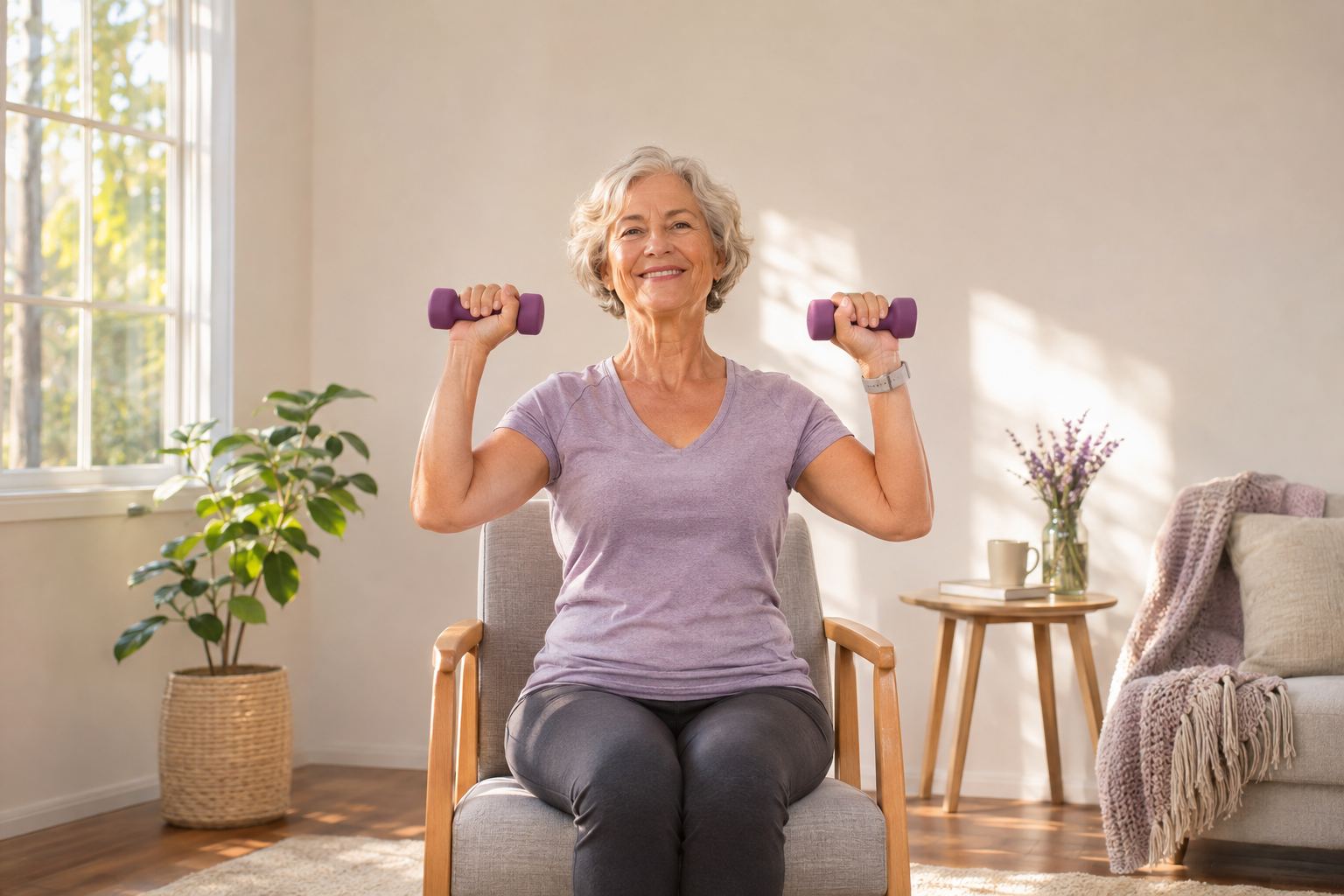
- Chair Exercises. Seated marches, gentle kicks, and arm raises work wonders if standing is tough. I often point patients to resources like Treat Your Own Knees (Jim Johnson, PT). It’s loaded with research-backed moves, and I’ve seen people regain confidence just by following a few simple routines.
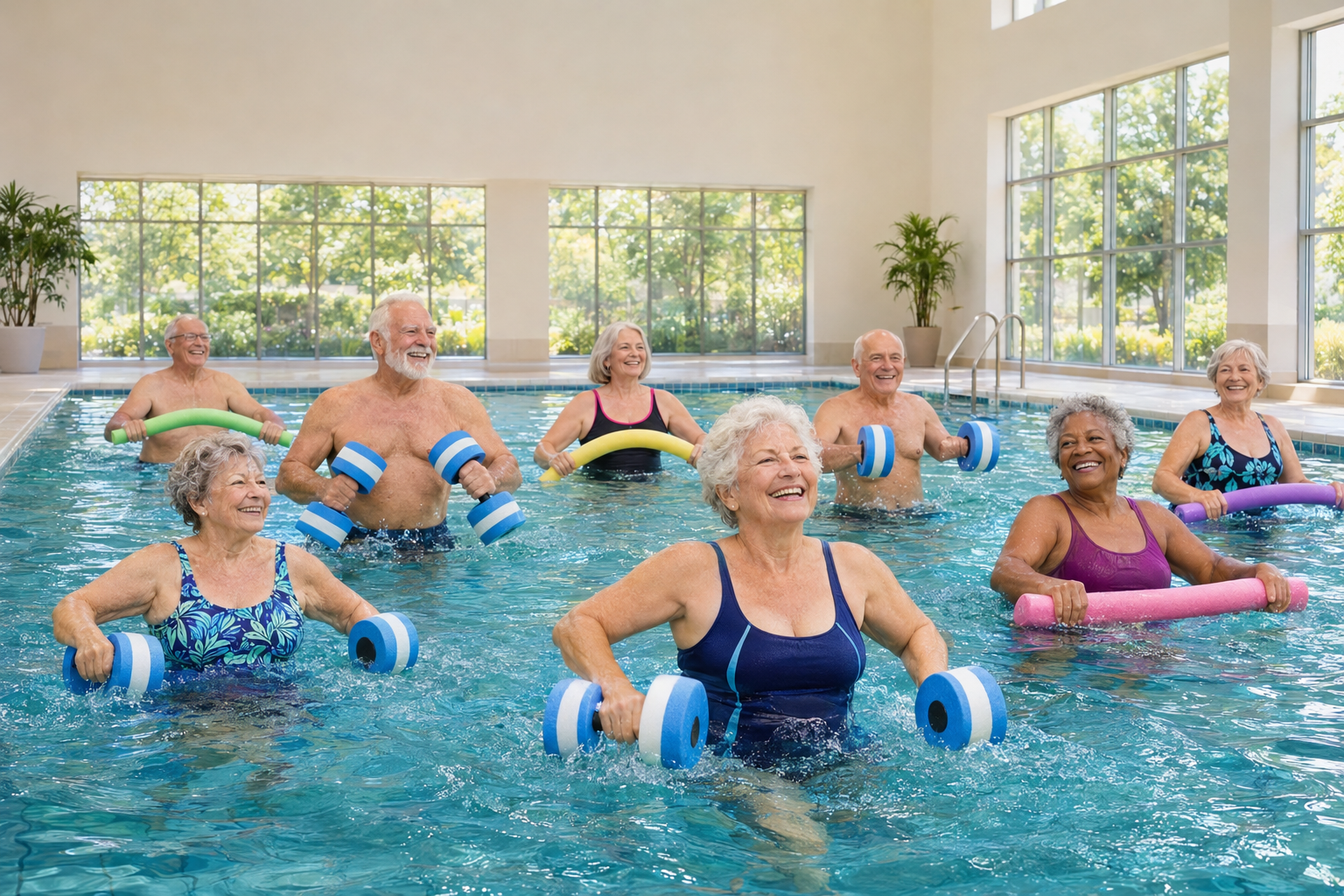
- Water Aerobics or Swimming. The buoyancy of water supports your joints, so you can move more freely with less pain. No need for Olympic laps—aqua walking or gentle kicks count.
- Stationary Cycling. Even a slow pedal on a recumbent bike keeps knees and hips moving without impact. Try for 5 minutes at first, build up as tolerated.
- Gentle Yoga or Tai Chi. Research out of BMJ Open (2020) showed tai chi cut knee pain by nearly 40% in seniors with osteoarthritis. Don’t worry about the fancy poses—focus on slow, steady movement and deep breathing.
Look, you don’t need fancy equipment or a personal trainer. But if knees need a little extra TLC, a medical-grade knee brace like the NEENCA Professional Knee Brace can add stability and confidence—especially on days when you’re nervous about giving way. I’ve seen folks go from barely shuffling to walking their grandkids around the block once they felt secure.
Safety First: Tips for Getting Started
I know it’s tempting to jump in with both feet (metaphorically, of course). But let’s be smart:
- Warm up first. Five minutes of easy joint circles—ankles, knees, wrists—gets the blood flowing.
- Pace yourself. Start with short sessions (even 3-5 minutes), build slowly. Consistency beats intensity—every time.
- Use support when needed. Grab a sturdy chair, countertop, or walker if balance is a concern. No shame in safety.
- Listen to your body. Mild soreness is okay, sharp or lingering pain is not. If it hurts, modify or back off. Trust me, there’s no prize for pushing through agony.
- Talk to your doctor or physical therapist before starting. Especially if you have heart issues, recent surgeries, or balance problems. We want you moving, not risking a fall.
The Tools I Actually Recommend—for Comfort, Not Just Sales
Here’s something most blogs won’t tell you: you don’t need to spend a fortune on gadgets. But the right tool can make or break your exercise routine.
- Quality Knee Brace: The NEENCA Professional Knee Brace is the one I see in my clinic most often. Side stabilizers, a squishy gel pad for your kneecap, and adjustable straps—it's medical-grade but easy to wear under pants. Not magic, but it does help folks feel stable and less anxious, especially during new activities.
- Research-Backed Exercise Guides: If you want something step-by-step, Treat Your Own Knees by Jim Johnson is the real deal. It’s not fancy, but the illustrations are clear, and the exercises are exactly what I prescribe in the clinic—think leg lifts, quad sets, and gentle stretches. At $11-ish, it’s often less than a specialist copay.
- Heat Therapy: On cold, achy mornings, I grab my PureRelief XL Heating Pad. The moist heat penetrates deeper than a standard pad—perfect for pre-exercise warmups. I recommend five minutes of gentle heat before stretching; it makes those first few moves much easier.
The real kicker: you don’t have to buy all three. Sometimes a single tool can make exercise less intimidating—and frankly, that’s half the battle.
But What About Pain Flare-Ups?
Even with the best plan, arthritis has its moods. Some days, pain flares and your body tells you, not today. That’s okay. On those days, it’s fine to focus on gentle range-of-motion (think slow ankle circles or open/close your hands) or just some deep breathing. The next day, start again.
If pain lasts more than a day after exercise, cut the duration by half. If you have redness, swelling, or fever—call your doctor. Safety first, always.
Comparing Low Impact Options: Which Type Is Right For You?
This is where I wish there was a quiz with a perfect answer (trust me, my patients wish it too). Instead, I’ve seen the best results with a mix—and a willingness to experiment. Here’s what I tell folks:
- If you like structure: Chair routines (like those in Treat Your Own Knees) are fantastic. Set times, clear moves, and measurable progress.
- If you enjoy social time: Group pool classes or senior tai chi in the park are wonderful. The conversation is half the point (and I’m convinced laughter is therapeutic).
- If you have limited mobility or balance: Start with seated exercises and consider a knee brace or grab bar for support. I once had a reader email me about her "hallway circuit"—she’d walk up and down with the walls as support until her stamina improved. Brilliant.
- If mornings are your worst time: Use a heating pad to loosen up before moving. Five minutes is all it takes, and you’ll find your joints cooperate just a little bit more.

Here’s a bit of mildly controversial PT wisdom: Not every exercise will feel like a revelation. Some days, it will just feel like work. That’s okay. The key is showing up—most of my success stories are not the fastest or the strongest, but the most consistent. Progress is measured in weeks and months, not days.
What the Latest Research Says (and What It Misses)
Sometimes friends or readers send me headlines: “New Exercise Cures Arthritis!” The truth? There’s no single exercise, supplement, or brace that will cure arthritis. But the American College of Rheumatology’s 2022 guideline is crystal clear: regular low impact exercise is as effective as most NSAIDs for pain control in mild-to-moderate osteoarthritis, without the stomach side effects.
One detail the guidelines gloss over—mental health. My patients who stick with gentle movement routines often report less depression, better sleep, and even improved digestion. These benefits don’t show up in standard pain scales, but they matter.
What’s less studied (but obvious if you’ve worked in clinics as long as I have): community matters. If you hate doing stretches alone, find a buddy, a group, or even a dog who needs walking. Accountability changes everything.
Takeaways: Start Small, Stick With It, Ask for Help When You Need It
If this all feels overwhelming, start here: pick one low impact activity to try this week. Maybe three minutes of chair kicks while watching your favorite show. Maybe a walk to the mailbox with a brace for backup. Maybe just a warm towel on stiff knees before bed.
Celebrate the little wins: less pain when standing up, an easier time getting dressed, fewer wobbles in the hallway. These are victories, even if they don’t make headlines.
And if you need a roadmap, don’t reinvent the wheel—resources like Treat Your Own Knees offer step-by-step routines grounded in real science. Pair that with a brace or a good heating pad if joints protest, and you’re set up for success.
Above all, trust your body, ask for help when you need it, and remember: movement is medicine (even if it doesn’t feel magical on day one).
Here’s to a little more comfort, a little more freedom, and a lot less fear of moving. I’m rooting for you—and if you have specific questions, email me. I really do read every note.
Dr. Sarah Mitchell, DPT
Senior Health Editor, JointReliefReviews.com