Yoga Poses for Joint Stiffness and Mobility: What Actually Helps (From a Guy Who Sees 50+ Bodies a Week)
I’ll never forget the look on Harold’s face the first time he tried Cat-Cow in my studio. Picture a 62-year-old accountant, stiff as a board, knees popping like popcorn. “James,” he groaned, “are you sure this is yoga and not a torture session?” Three months later, he was touching his toes, knees still giving the occasional protest, but moving better than he had in decades. That’s the thing about yoga for joint stiffness and mobility—it isn’t about twisting yourself into a pretzel. It’s about smart, simple movement that works with your body, not against it.
Why Do Joints Stiffen Up Anyway?
If you wake up and feel like the Tin Man before his first oil can, you’re in good company. Joint stiffness is, frankly, the rule not the exception as we get older. Every patient I see—athlete or couch potato—mentions it at some point. What’s going on under the hood?
- Cartilage wears down. Your body’s shock absorbers lose their bounce. Less cushioning, more friction.
- Synovial fluid thickens. The natural lubricant inside our joints gets sludgy, especially if you’re less active. Movement helps circulate it.
- Muscle tightness. The less we move, the tighter we get, creating a vicious cycle—stiffness breeds more stiffness.
- Inflammation & osteoarthritis. According to the BMJ, over 30% of adults over 55 experience some osteoarthritis symptoms, which makes everything from walking to gardening feel tougher.
But here’s the silver lining: research (and plenty of lived experience) says yoga—when practiced sensibly—can gently break that cycle. I’ve seen it happen too many times to count.
Does Yoga Really Help Joint Stiffness? The Science Doesn’t Lie
Let me be clear: not every claim about yoga is backed by bulletproof science. But when it comes to joint stiffness and mobility? The data’s actually pretty solid. Take a 2020 meta-analysis published in Arthritis & Rheumatology—34 studies, thousands of participants, and consistent improvements in joint range of motion, pain, and quality of life among older adults practicing gentle yoga versus control groups.
Another favorite: the 2019 Journal of Rheumatology study that followed people with knee osteoarthritis for 12 weeks of modified Hatha yoga. The results? Not only did participants report significantly less morning stiffness (down by 33%), but their walking speed and functional strength improved too. And this wasn’t just a fluke—other randomized trials, including a 2021 study from India, echo similar findings.
Look, I’m the first to admit: yoga won’t magically “cure” arthritis or make cartilage regrow. But it can help you move better, feel less pain, and—my personal favorite—make morning coffee runs less of an ordeal. Just ask the dozens of older adults I’ve coached who swear by their daily Downward Dog (even when their Dog looks more like a cautious Coyote).
Which Yoga Poses Actually Work for Stiff Joints?
Here’s where I see a lot of articles stumble. They list advanced poses that’d make a Cirque du Soleil performer break a sweat. For joint stiffness and mobility, you want accessible, gentle movements. Here are the five I recommend most:
- Cat-Cow (Marjaryasana-Bitilasana): This is the ultimate joint “wake-up” for your whole spine. Move slowly, syncing breath and movement. I’ve watched clients go from barely arching their backs to moving fluidly after a few weeks.
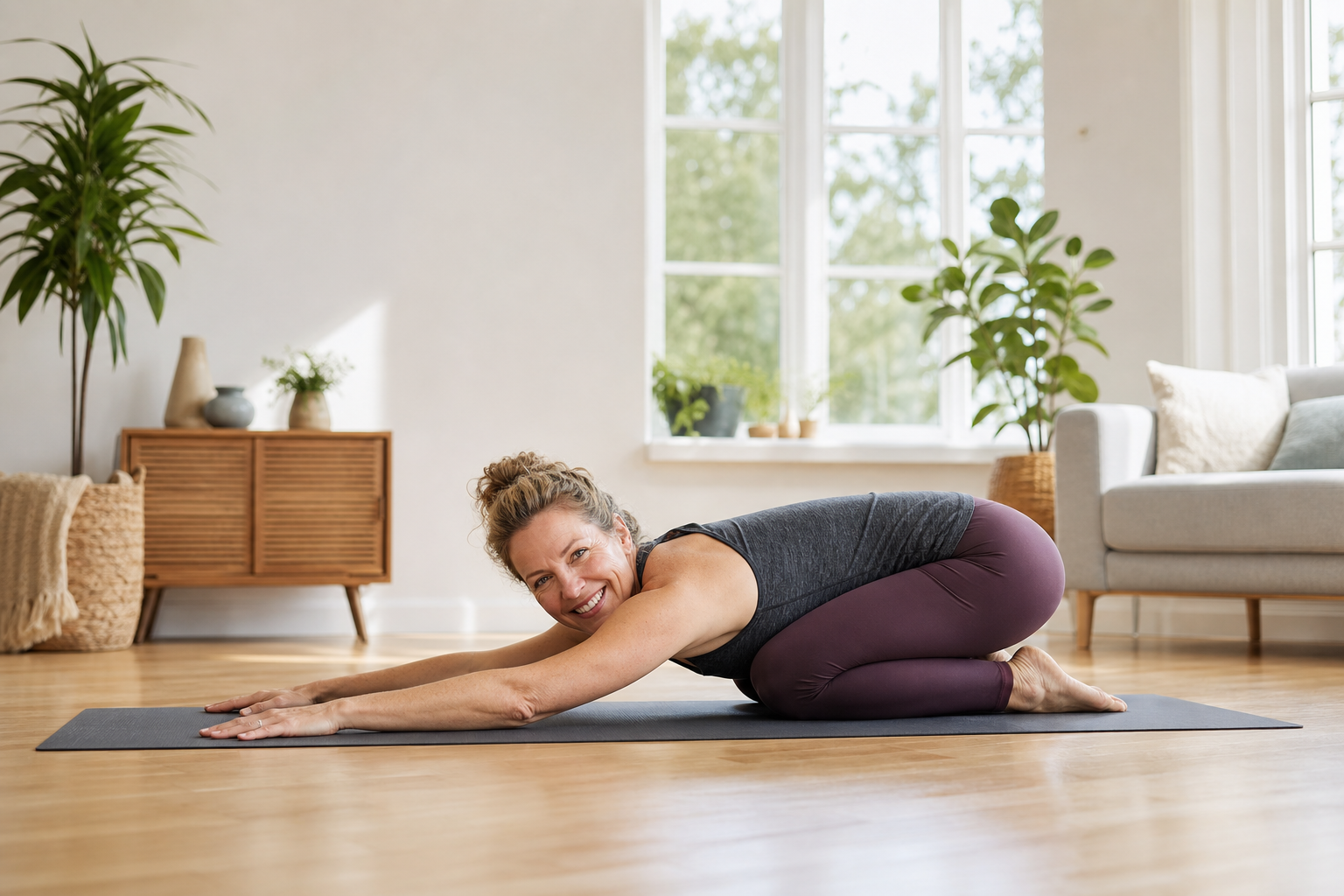
- Supported Child’s Pose (Balasana): Grab a bolster or folded blanket if you can’t sit all the way back—no shame. Opens the hips, knees, and ankles, stretches the low back. My mom does this every night while watching PBS.
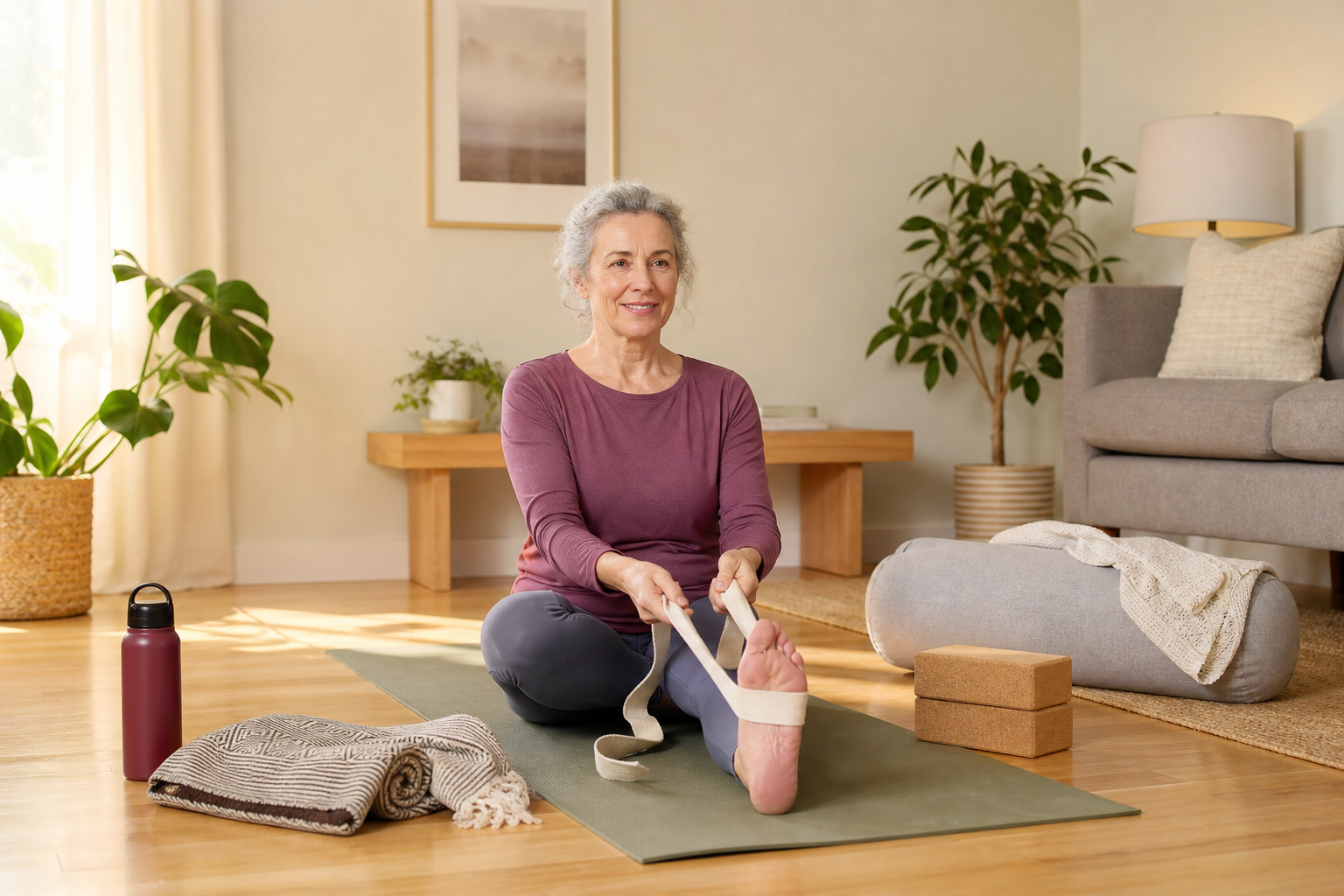
- Seated Forward Fold (Paschimottanasana): Use a strap or towel around your feet—don’t yank. This gently stretches the back, glutes, and hamstrings, taking pressure off your knees and hips.
- Bridge Pose (Setu Bandha Sarvangasana): Great for the hips and spine. Focus on slow, controlled lifts—don’t overdo it. I’ve found this helps especially for folks with stiff hips from too much sitting.
- Thread the Needle: If you’ve got tight shoulders or upper back soreness, this is gold. Just slide one arm under the other while on all fours, resting your head gently. Go slow.
Most importantly, stay within your limits. If a pose hurts (not just stretches, but hurts), modify it or skip it. Yoga is not about pushing through sharp pain. And yes, talk to your doctor or PT—especially if you have joint replacements, severe arthritis, or a history of joint injury.
“But I’m Not Flexible” (And Other Myths I Hear Every Week)
I get it—yoga can feel intimidating if you haven’t touched your toes since disco was popular. But most of my clients start with less flexibility than they think. The key? Props, patience, and persistence. Folded towels, yoga blocks, even a chair—these aren’t crutches, they’re tools. And no, you won’t look silly. (If you need proof, I have video of an entire class using chair poses with zero shame.)
Another myth: You need to practice for an hour a day. Not true. Ten to fifteen minutes daily, even broken into little “movement snacks,” beats one marathon session a week. Consistency—however imperfect—wins every time.
What About Supplements and Other Tools? (Here’s My Unfiltered Take)
Now, I know some folks will ask if yoga is “enough.” For some, it is. But if you struggle with pain or swelling that limits your ability to even start gentle movement, a little extra support can go a long way. Here’s what I see really making a difference:
Compression Sleeves and Braces
Let’s be real—the right knee sleeve can be a game-changer, especially for those days when your joints sound like they belong in a Rice Krispies commercial. I’ve recommended the Modvel Compression Knee Brace to clients who want gentle compression and stability during yoga or even just day-to-day walks. The anti-slip design is actually helpful—no more yanking your sleeve up after every Downward Dog. Sold as a pair, which is handy if both knees complain.
Heating Pads
There’s solid evidence that heat therapy can help reduce stiffness and make movement less daunting, especially in the morning. The Pure Enrichment PureRelief XL Heating Pad is a favorite among my older clients—it’s extra large (covers your whole back or both knees), heats up fast, and the moist heat option feels especially soothing. I tell people: use heat before yoga to limber up, then ice afterward if you get sore.
Joint Supplements
This is where things get spicy. Ask ten different experts, and you’ll get ten opinions on glucosamine, chondroitin, MSM, turmeric, and Boswellia. Here’s what the research says: some people (especially those with mild to moderate osteoarthritis) may get symptom relief. Large randomized trials (BMJ, 2016; Arthritis Care & Research, 2019) found that while not everyone benefits, about 30% of users report less pain and improved joint comfort after 8-12 weeks on 1500mg glucosamine sulfate and 1200mg chondroitin. Turmeric and Boswellia show anti-inflammatory effects in smaller studies (I’ve seen a few folks have surprising success after trying them—my own mother-in-law included). One formula a lot of my clients like is the Glucosamine Chondroitin Turmeric MSM & Boswellia by Vimerson Health. It’s affordable, made in the USA, and combines what I consider the best-researched ingredients.
But—and this is important—supplements are never a replacement for movement. At best, they help you do more of the stuff (yoga, walking, gentle strength work) that actually preserves joint function. As always, talk to your physician before starting new supplements, especially if you’re on blood thinners or have a history of allergies.
How to Build Your “Joint-Friendly” Yoga Routine (Even If You Only Have 10 Minutes)
Here’s a sample sequence I’ve used for years with clients who hate mornings (or are just short on time). Do each pose for about a minute, moving slowly:
- Cat-Cow (1 minute, focus on breath)
- Child’s Pose (hold for 1-2 minutes, use props)
- Seated Forward Fold (1 minute, use strap)
- Bridge Pose (1-2 minutes, slow lifts and lowers)
- Thread the Needle (30-60 seconds each side)
Want more? Add gentle seated twists or “ankle circles” to keep smaller joints moving. I also like wrist stretches and side bends for upper body mobility. And if you mess up the order? Doesn’t matter. The secret is actually showing up—your joints don’t care if you missed a pose here or there.
What If I Have Severe Arthritis or Chronic Pain?
This is where customization counts. I’ve coached clients with everything from rheumatoid arthritis to multiple joint replacements. The golden rule: pain is not progress. If you can’t bear weight, try chair yoga or even bed yoga (yes, it’s a thing). Props, modifications, and shorter holds are your friends.
It’s also wise to check in with your doctor (or a physical therapist with yoga experience) before starting. Some conditions—like advanced osteoporosis or recent joint replacements—require extra caution. But I’ll be honest: even small, adaptable movements can boost confidence and function if done safely.
Expert Pitfalls: What Most Yoga Articles Get Wrong
I know, I know—every blog says “listen to your body.” But here’s the thing: most people don’t know what their body is saying unless they’ve practiced a while. A real teacher (or a really good YouTube class for beginners) can help you spot the difference between “good stretch” and “bad pain.” Another overlooked tip: warm up first. A few minutes of walking in place, dynamic arm swings, or even a heating pad (see above) helps prevent injury and makes yoga more comfortable.
And not gonna lie—I have a beef with “one-size-fits-all” yoga challenges. Your joints deserve more respect than that. If you have a history of dislocations, hypermobility, or inflammatory arthritis, you’ll want to skip or modify poses that feel unstable. There’s no shame in going slower or using the wall for balance.
What Else Actually Helps? (Beyond the Mat)
Yoga is fantastic, but your joints are happiest when you mix up your movement. Walking, swimming, cycling—these all boost circulation and reduce stiffness. Even five minutes of gentle resistance band work can make a difference (I snuck this into several yoga classes with great results). And don’t overlook the power of hydration and sleep—studies link both to lower inflammation and less stiffness, especially in older adults.
Nutrition matters, too: omega-3s, leafy greens, berries, and even a little green tea have anti-inflammatory benefits. I’m not saying a smoothie will fix your knees, but it sure won’t hurt.
Takeaways: My Real-World Advice (and What I’d Tell My Own Family)
- Start gentle, not heroic. A little daily movement beats rare big efforts every time.
- Use props (or a knee sleeve or heating pad) when needed—no guilt.
- Supplements can help some folks, especially when paired with activity, but they’re not magic.
- Mix it up: yoga, walking, cycling—variety keeps joints and minds happy.
- Don’t compare your starting point to anyone else’s. Progress is personal.
- And above all—talk to your doctor if you have new or worsening pain.
If you’re reading this and feeling a bit overwhelmed, trust me—you’re not alone. Most of my clients start with baby steps, and that’s just fine. The real kicker? Three months from now, you’ll probably look back and wonder why you waited so long to give your joints a little extra TLC.
Questions, frustrations, or a favorite yoga pose that’s changed your life? Drop me a message—or, better yet, unroll your mat and meet yourself where you are. Your joints will thank you. See you on the floor. —James
James Chen, MS, CSCS, is a certified strength & conditioning specialist with 15+ years coaching adults over 50. He writes about evidence-based joint health for JointReliefReviews.com. His advice is for educational purposes only; always consult your own physician before making lifestyle changes.