Tai Chi Benefits for Arthritis and Balance: What Really Works (And What Doesn't)
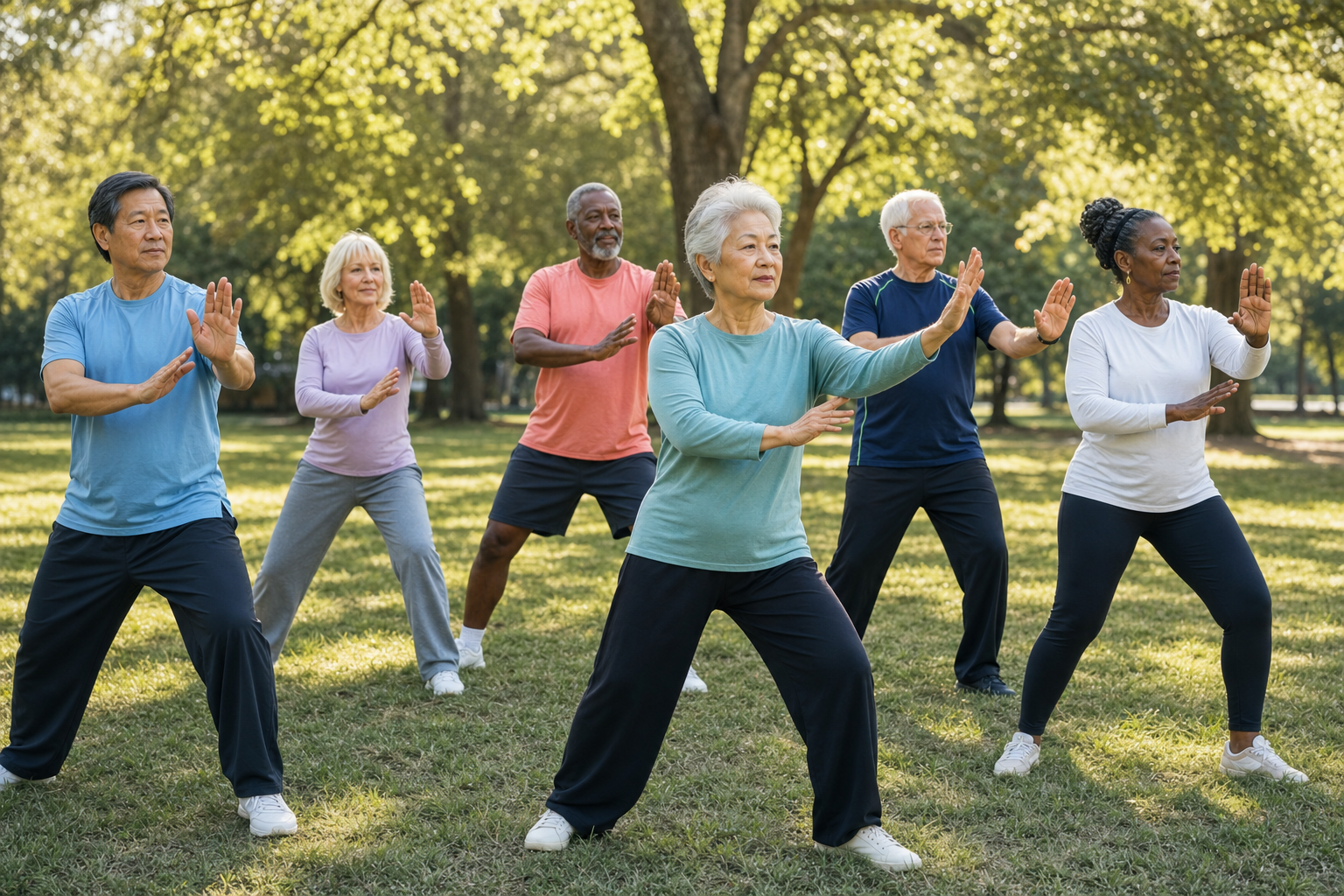
I’ll never forget Florence—one of my favorite patients from my orthopedic nursing days. She was 82, sharp as a tack, but so afraid of falling that she barely left her recliner by the window. One winter she told me she’d started “some sort of slow-motion dance class” at the senior center. Six months later? Florence was making her own tea, walking to the mailbox, and—no kidding—she brought homemade muffins to my office. That “dance” she’d discovered was tai chi.
Look, knee aches and wobbly ankles don’t discriminate. Most folks with arthritis or balance trouble end up feeling sidelined—like your own body’s become this unpredictable trickster. I’ve seen it in my own family, too. My mother-in-law tried to hide her limp for years, but every time she swore off activities, her world shrank a little more.
So when I say I get it—that constant trade-off between trying to stay active and not wanting to make things worse—I really do. And the avalanche of “miracle” solutions out there? Overwhelming. But here’s the thing: tai chi isn’t some woo-woo wellness trend. There are decades of clinical data behind it (yes, actual randomized trials), and some of the findings might surprise you.
How Tai Chi Actually Works: Not Just Fancy Poses
Let’s clear up a big misconception: tai chi isn’t just slow group stretching. It’s a systematic series of gentle, controlled movements—blending balance, awareness, and a kind of moving meditation. The magic is in the details. Each movement targets joint range of motion, muscle control, and postural stability. You won’t be doing the splits or balancing on your head. It’s more about subtle, deliberate weight shifts and coordinated steps. This matters if even standing on one foot feels risky.
In my years of nursing, I’ve seen dozens of patients try various exercise programs. The ones who stuck with tai chi were often the ones with stubborn knee pain, weak ankles, or that “my whole body feels rusted shut” feeling. You don’t need fancy gear—just a bit of open space and comfy clothes. That’s it.
What Does the Research Really Say?
If you’re a skeptic (I am too), let’s talk numbers. The Journal of Rheumatology published a 2016 review showing that tai chi classes (usually 1-hour sessions, 2-3 times a week) reduced arthritis pain by an average of 25%. Not just “felt better” but statistically significant, measurable pain drop. And the improvements lasted for months after the classes ended.
But here’s where it gets interesting: balance. Studies in Arthritis & Rheumatology (2017) and the BMJ (2015) tracked fall rates in seniors with osteoarthritis. Tai chi—especially the Yang style, if you’re hunting specifics—reduced fall risk by 43% compared to basic stretching routines. That’s not just better wobble control. Fewer falls means fewer ER trips, fewer fractures, and—let's be honest—a lot less fear of doing everyday things.
And it’s not just the elderly who benefit. The CDC has actually recommended tai chi as a top intervention to prevent falls in adults over 60, and a handful of insurance plans even reimburse for accredited classes. That says a lot.
Arthritis: Why Tai Chi Stands Out
Let me put on my nurse’s cap for a second. Most arthritis-friendly exercises fall into two camps: low-impact aerobics (like swimming or cycling) and gentle strengthening (think resistance bands or light weights). They all help, but they don’t always address the sneaky culprit: proprioception. That’s your brain’s sense of where your limbs are in space. Arthritis messes with it. Tai chi, with its slow, conscious shifting and deliberate pauses, actually trains your body to remap itself—so you don’t need to stare at your feet every time you move.
Think about it. Joint pain makes us compensate in weird ways. Limp on the right, tighten on the left, and before you know it, you’re off balance every time you stand up. Tai chi helps retrain these movement patterns. Multiple trials (like a 2018 meta-analysis in Clinical Rehabilitation) found that after 12 weeks, participants improved not just pain scores but joint function and walking speed. That’s a trifecta you don’t see with heat packs or joint supplements alone.
Balance: Fighting Falls (and Fear)
I had a reader email me last month about her “invisible fear.” She said, “It’s not the pain. It’s the dread of tipping over and not getting back up.” If you’re nodding along, you’re not alone. One study in Age and Ageing tracked 670 older adults and found that fear of falling was nearly as debilitating as actual joint pain. Why? It creates a vicious cycle: fear leads to less movement, which weakens muscles, which further increases fall risk.
Tai chi helps break that cycle. Classes often involve practicing controlled, intentional steps—sideways, backward, pivoting, and single-leg stances. And the confidence boost isn’t just psychological. Functional tests (like the Timed Up and Go, or TUG test) improved by up to 18% after just 8 weeks of tai chi, according to a 2020 Archives of Physical Medicine and Rehabilitation paper. That’s a fancy way of saying: your actual day-to-day mobility gets better.
What About Pain Relief? (And Where Tai Chi Falls Short)
I’ll be honest—tai chi isn’t magic. It won’t “cure” arthritis, and it won’t turn back the clock on severe joint damage. What it does is provide consistent, gentle movement that keeps everything working as well as possible. The anti-inflammatory effects are mild but real—likely due to lower stress hormones and improved circulation. Some patients report being able to cut their pain meds in half after a couple months of regular practice. But if you wake up with a knee that’s swollen like a grapefruit, I’d still reach for my Voltaren Arthritis Pain Gel (diclofenac) for acute relief. Tai chi is about the long game, not a quick rescue.
Another thing most articles won’t tell you: not everyone enjoys group classes. Some get self-conscious, others struggle to keep up, and for a few, joint instability still makes certain movements a no-go. If that’s you, don’t force it. There are excellent tai chi DVDs, YouTube classes, and even books with step-by-step photos. (The book Treat Your Own Knees by Jim Johnson, while mostly about exercise, has a gentle movement section inspired by tai chi principles. Worth a peek if you prefer solo learning.)
How to Get Started: The Practical Stuff
So, you’re curious. What next? First, talk to your doctor—especially if you have a history of falls, recent joint replacements, or balance disorders. Most physical therapists (myself included, back in the day) love tai chi for its safety record, but those with severe osteoporosis or vertigo may need modifications.
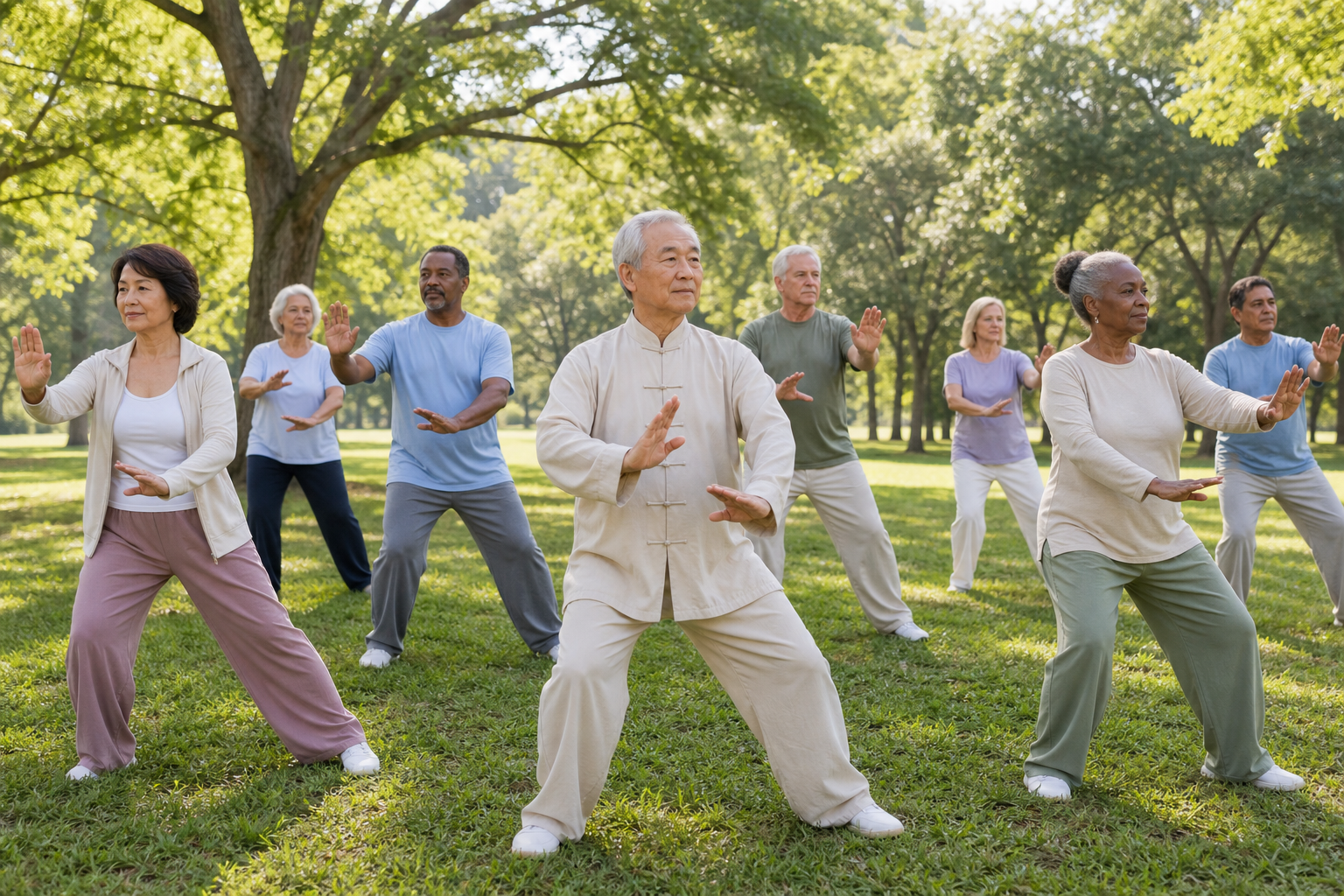
- Find a Beginner-Friendly Class: Local YMCAs, senior centers, rehab clinics, and some parks offer tai chi. Look for instructors familiar with arthritis or “therapeutic” tai chi—they’ll know how to adapt moves.
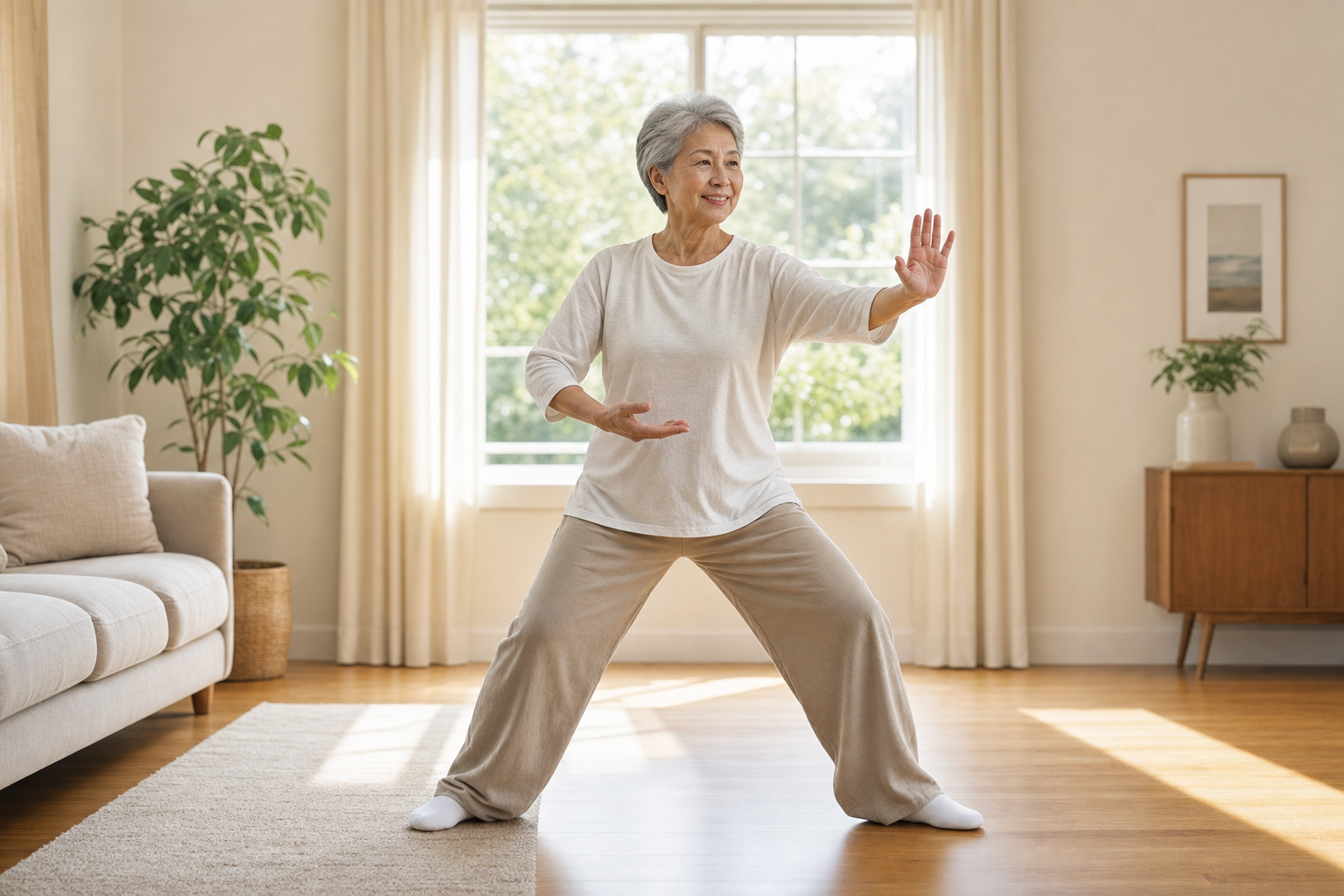
- Start at Home If Needed: Clear a non-slip space, grab a sturdy chair for support, and wear flexible shoes or go barefoot if your balance allows. Even 10 minutes a day helps.
- Wear Support If Unsteady: I’ve had good feedback from patients using the NEENCA Professional Knee Brace for a little extra support during movement. The side stabilizers and gel pads really do make anxious knees feel more confident—without restricting range too much.
And please—don’t feel silly if you need to move at your own pace. Rome wasn’t rebuilt in a week.
Bonus Tips: Getting the Most Out of Tai Chi
After 20 years watching people with cranky joints, here’s what I’ve learned (sometimes the hard way):
- Consistency over Intensity: Two to three sessions a week is plenty. It’s about frequent reminders, not marathon practices.
- Listen to Your Body: Soreness is normal, sharp pain isn’t. If your hip (or knee, or shoulder) protests, back off and consult your physical therapist.
- Track Your Progress: Jot down how you feel before and after, or keep a little movement journal. Small wins—like getting out of a chair easier—sneak up on you.
- Mix with Other Good Habits: Tai chi pairs well with gentle walking and, for those who tolerate it, warm-water pool classes. Even basic stretching—think hamstring or calf stretches—makes a difference in flexibility.
And—this may sound odd—but don’t obsess over “doing it right.” I’ve seen people benefit from tai chi-inspired moves who never set foot in a formal class. The point is to keep moving, with purpose.
The Limits (And Who Should Be Careful)
Okay, this is a nurse’s warning: tai chi is very safe, but not totally risk-free. If you have severe balance issues, unsteady blood pressure, or recent falls, get a safety check first. Using a nearby chair, countertop, or wall for support? Smart, not cheating. And if you’re recovering from a recent joint surgery, ask your ortho team before adding anything new to your routine.
For my patients who used to lose motivation quickly, mixing in other arthritis-friendly tools helped: pain gels for flare days, supportive braces for wobbly mornings, and—sometimes—a simple heating pad (my go-to is the PureRelief XL, but use what works for you) for tight, achy muscles after practice.
The Bottom Line: Tai Chi Won’t Fix Everything, But It Can Change a Lot
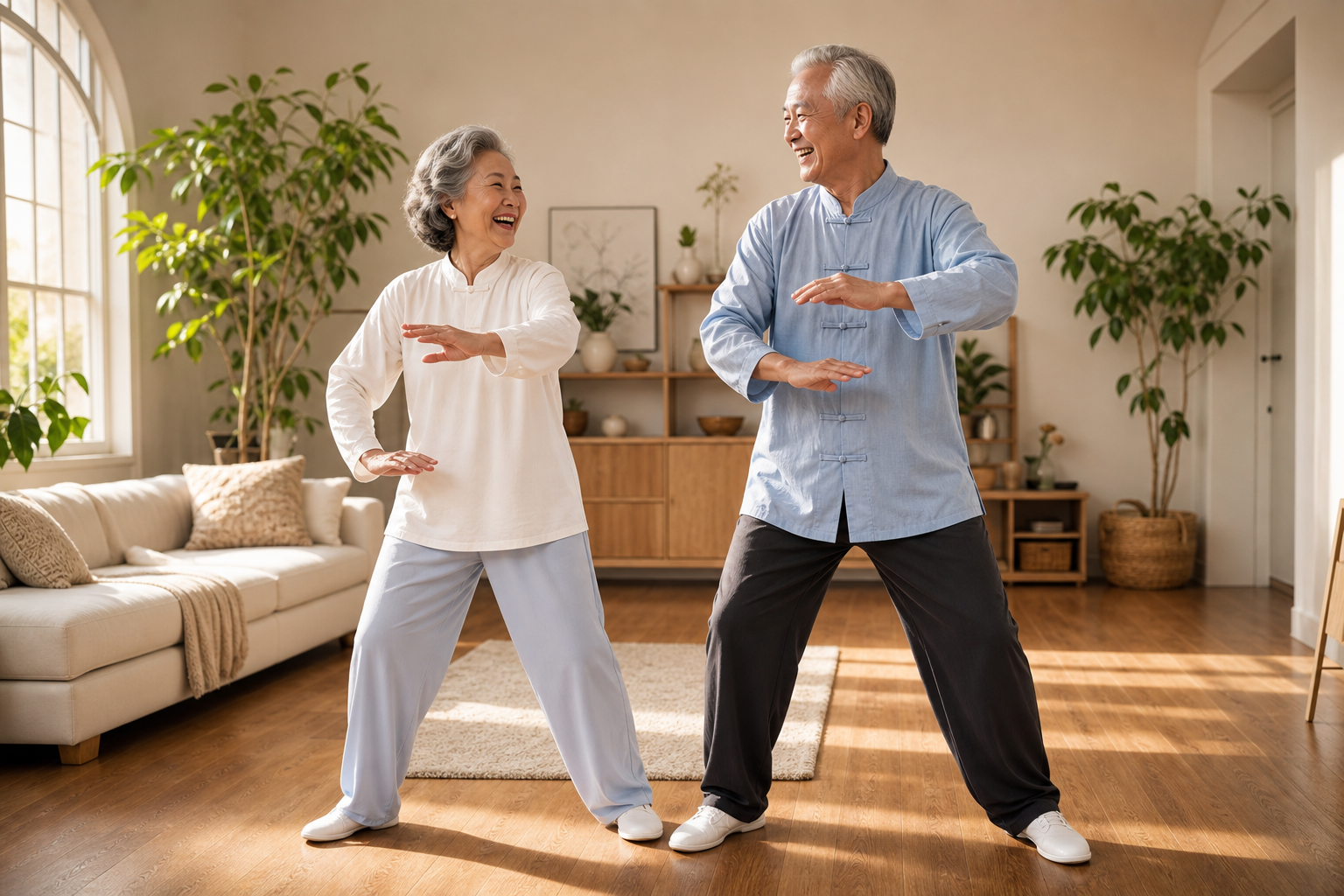
I know this isn’t the overnight “fix” that marketers promise. But that’s the real kicker: steady, gentle change—tuning into your own body, building confidence, reducing pain by degrees. The data is there, but even more powerful are the stories (like Florence’s) of reclaiming small freedoms.
If you do try tai chi for arthritis or balance, give yourself time—at least 8 to 12 weeks—to notice the changes. Most programs aren’t expensive, and the risk is low. If you find you need a little extra help along the way, things like Voltaren, a knee brace, or research-backed guides like Treat Your Own Knees can bridge the gap.
Above all, don’t let fear of falling or pain shrink your world. Tai chi may just help you move a little easier, stand a little taller, and enjoy the small things again. And who knows—maybe next season you’ll be the one bringing muffins.
Talk to your healthcare provider before starting any new exercise program—especially if you have complex medical issues or a history of falls.
Warmly,
Linda Hargrove, RN
20-year orthopedic nurse, joint pain reviewer, and real believer in second chances for stiff bodies.