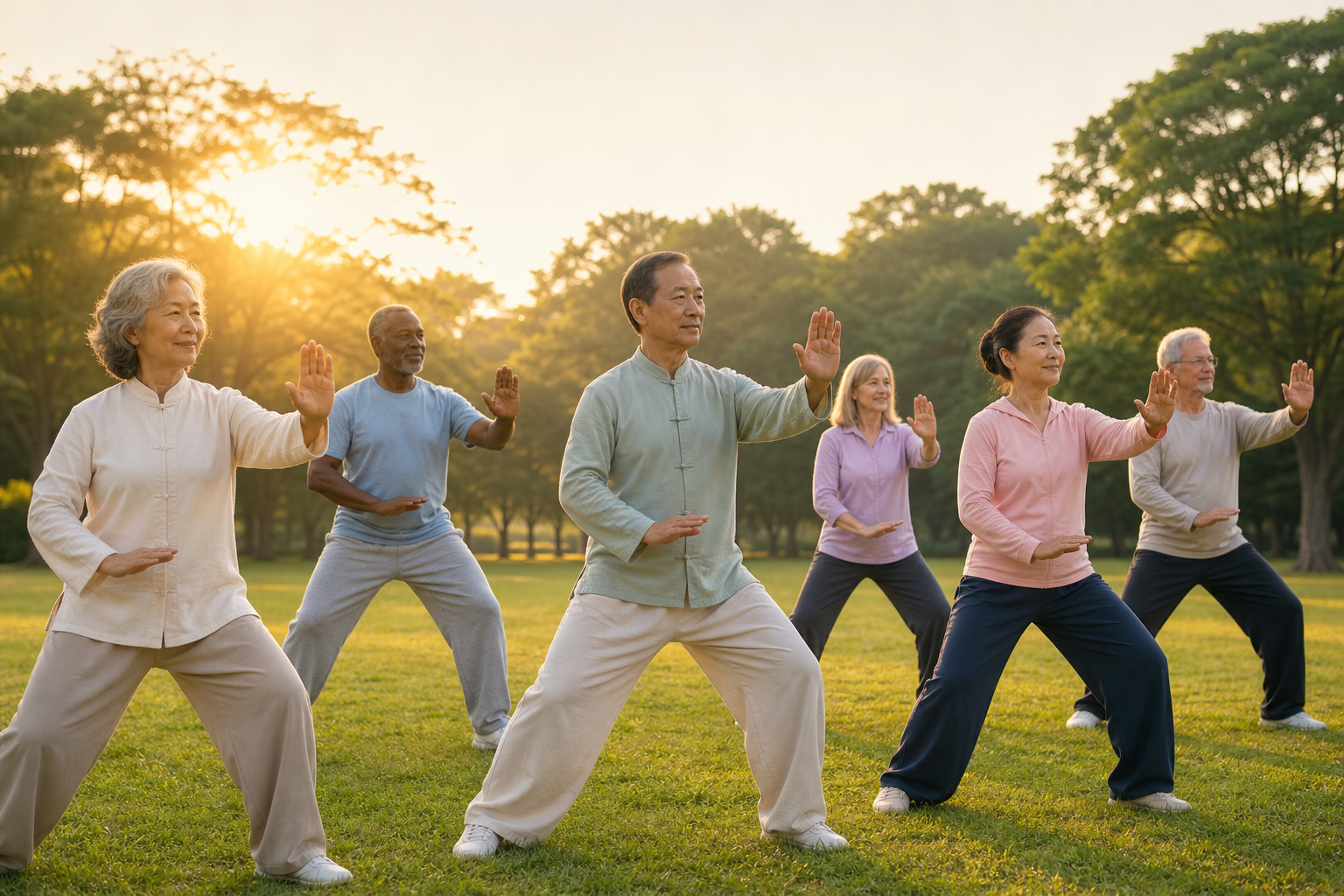
Tai Chi Benefits for Arthritis and Balance: Why Slow Movement Can Change Everything
Last spring, a patient of mine—let’s call her Marie—walked into my office gripping her cane like a lifeline. She’d had two falls that year (thankfully no major injuries, but her confidence was shot), and her arthritis was flaring up like clockwork every morning. What surprised me? She’d already tried physical therapy, pain gels, and every supplement in the book. But she wanted to stay active—grandkids, gardening, the works. “Isn’t there something gentle I can do for my joints?” she asked. And that’s when I brought up tai chi.
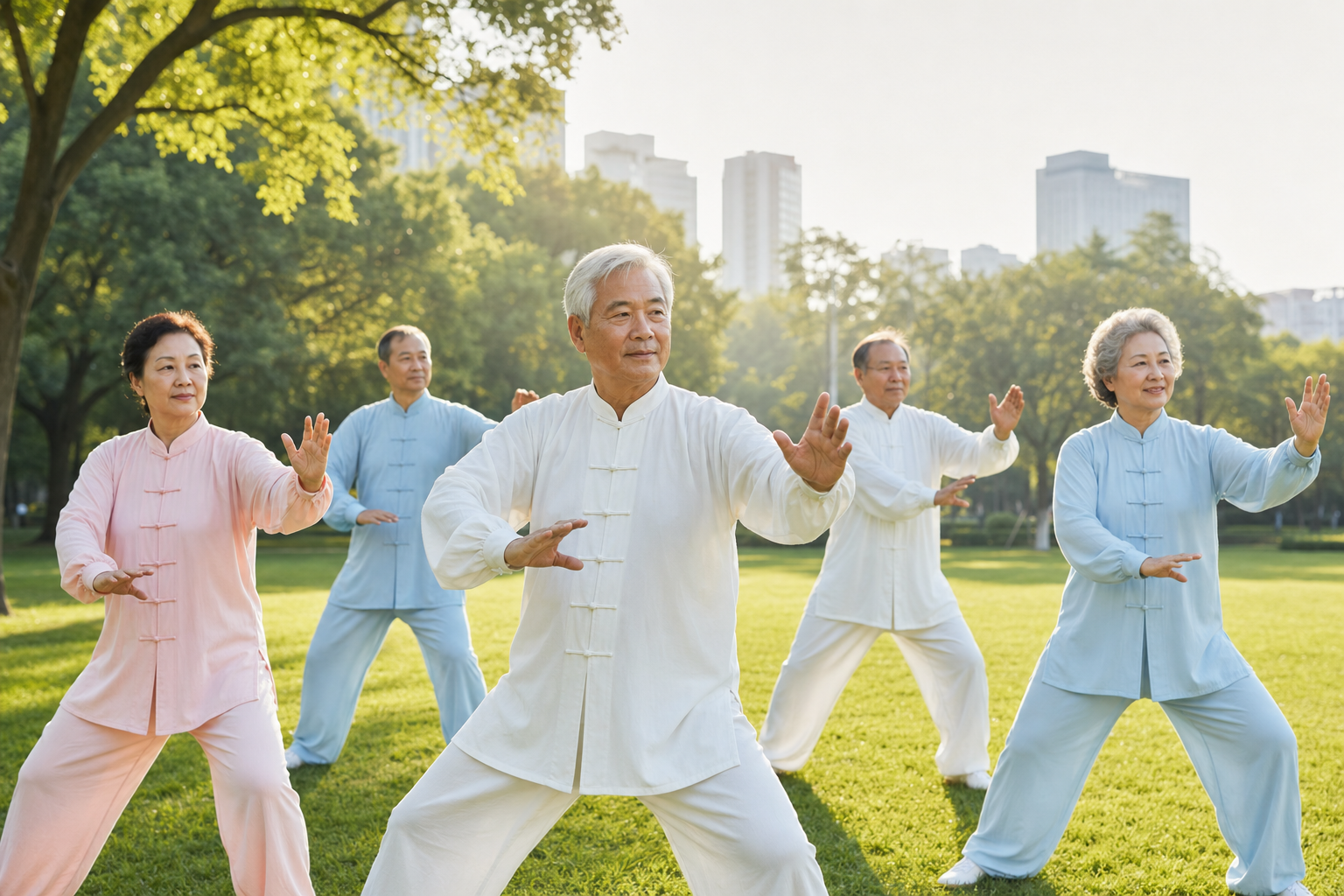
Are You Stuck in the Arthritis-Balance Trap?
If you’re nodding along, you’re not alone. Arthritis—especially osteoarthritis and rheumatoid arthritis—often brings a brutal double whammy: joint pain and a creeping fear of losing your balance. It’s not just the aching knees or swollen fingers. It’s freezing up on the stairs. It’s giving up morning walks because you’re afraid of tripping on a cracked sidewalk.
I’ve seen this pattern play out in my clinic for over a decade. The real kicker? Doctors focus on pain management, but the sinking confidence—the worry that one wrong step could mean a broken hip or yet another ER visit—gets ignored.
Here’s where it gets interesting: Research now shows that tai chi, that slow-motion martial art you might have seen at the park, isn’t just “gentle exercise.” It’s a science-backed way to tackle both joint pain and the subtle, sneaky balance problems that make everyday life feel like an obstacle course.
The Science: Why Tai Chi Makes a Difference
Let’s cut through the fluff. Tai chi isn’t some mystical fix—it’s a set of controlled, flowing movements linked with deep breathing and focused attention. If that sounds “too easy,” bear with me. The research is surprisingly robust.
- Arthritis Relief: The Journal of Rheumatology published a 2016 meta-analysis—over 1,100 participants, most with knee osteoarthritis. Their verdict? Just 12 weeks of tai chi improved pain scores by 30% on average and increased walking ability compared to control groups. That’s on par with NSAIDs (but without the stomach upset).
- Balance and Falls: In 2018, BMJ Open reported a large-scale review: older adults in tai chi programs saw their fall risk drop by 20-45%. For those with prior falls or chronic joint pain, the results were even more striking. Some studies show improvements in single-leg stance times—translation: better ankle, knee, and hip stability—by up to 40%.
- Joint Function: Tai chi encourages gentle flexion and extension—think slow half-squats, knee bends, and arm circles. The Arthritis & Rheumatology journal (2015) highlighted increased joint range of motion and greater quadriceps strength after 3 months of practice.
- Other Perks: Lower anxiety, better sleep, and improved mood are common “side effects.” I’ve seen this in my own patients who feel less stiff and more hopeful after just a few weeks.
And if you’re worried about needing to be fit or coordinated? Trust me, I’ve worked with folks in their 80s (even one client who used a walker) who benefitted.
How Exactly Does Tai Chi Help Arthritis?
The big question: Why is tai chi so effective for stiff, aching joints? Here’s the breakdown, minus the jargon.
- Low-Impact Movement: Every tai chi step is slow and controlled, minimizing joint stress. It’s the opposite of pounding pavement or high-impact aerobics. Think of it as “movement nutrition” for cartilage and synovial fluid (your body’s natural joint lubricant).
- Muscle Activation: Tai chi postures gently activate major muscle groups—especially thighs, hips, core, and shoulders. This builds strength and stability around weak or inflamed joints. Some protocols even improve hamstring and quadriceps tone, which is key for knee arthritis.
- Proprioception: This is your body’s “GPS”—the sense of where your limbs are in space. Arthritis (and even plain old aging) can dull this instinct, leading to stumbles. Tai chi’s shifting of weight, slow turns, and one-legged stances retrain your brain to sense and correct wobbles.
- Mind-Body Focus: Unlike mindless treadmill marches, tai chi asks you to tune in. Breath, movement, posture—all synced. This mindfulness component can blunt pain perception, according to MRI studies from the late 2010s (University of Wisconsin, 2018).
I know some folks still picture tai chi as “just waving your arms.” I used to be one of them—until I took a few classes in my thirties and realized, wow, the slow pace is deceiving. You’ll feel muscles firing you forgot you had. And for arthritis? That gentle challenge is exactly what keeps joints moving, not just stiff and frozen.
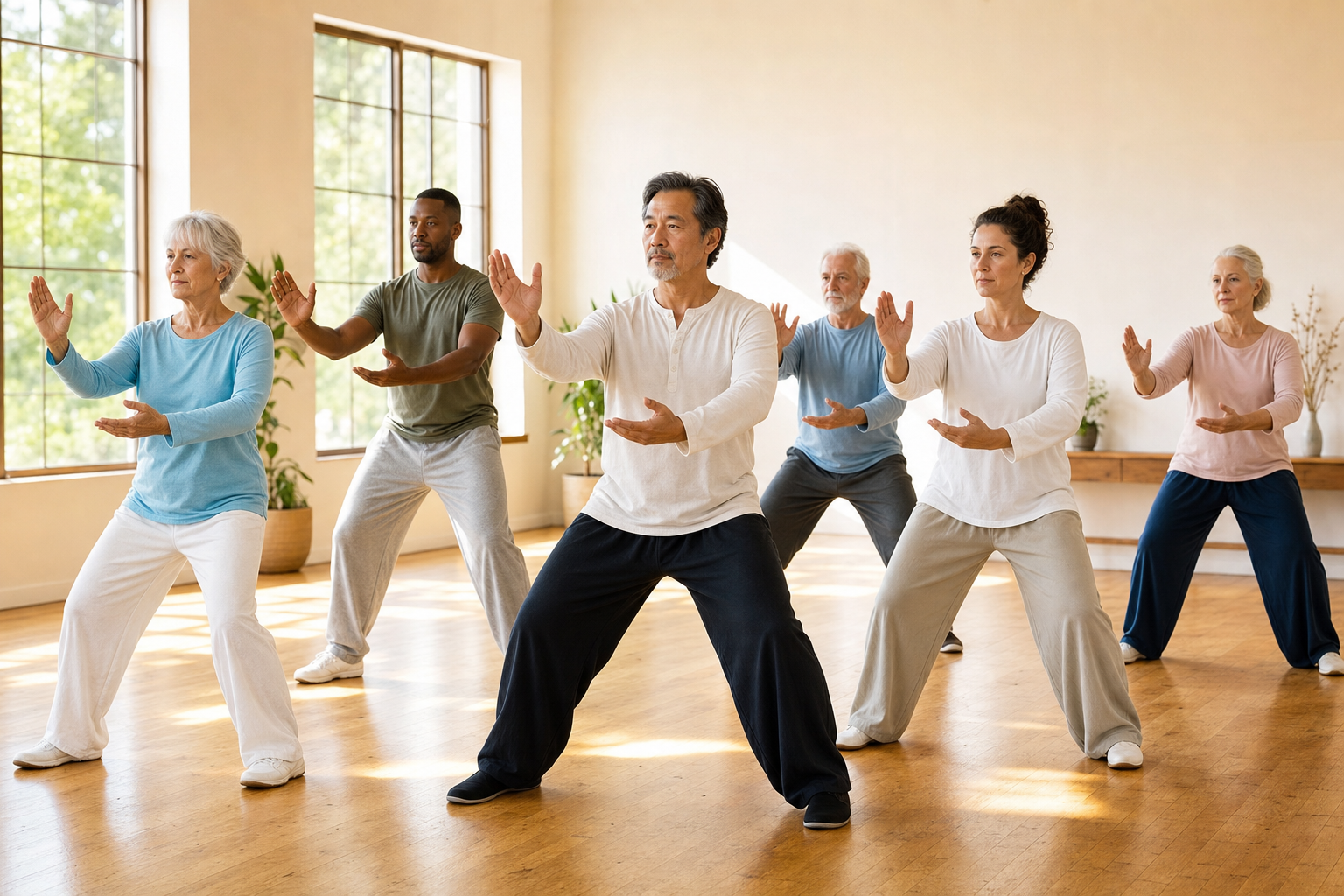
What Does a Tai Chi Routine for Arthritis Look Like?
Let’s get practical. You don’t need silk pajamas or martial arts experience. Most arthritis-friendly tai chi routines are 20-40 minutes, 2-3 times per week. Here’s a “starter kit” I share with new patients:
- Warm-Up: Gentle shoulder circles, ankle rolls, and neck stretches.
- Basic Movements: Try “Parting the Wild Horse’s Mane” or “Wave Hands Like Clouds”—two foundational moves. These focus on controlled stepping and smooth weight shifts. Great for hips, knees, and ankles.
- Breath Training: Inhale during the gathering phase, exhale on the push. This calms the nervous system and improves oxygenation. (Sounds simple, but it's weirdly powerful for pain modulation.)
- Balance Drills: Slow-motion heel-to-toe walking, one-legged stands (with support as needed).
- Cool Down: Gentle wrist, finger, and toe stretches—especially key for hand and foot arthritis.
One gentle warning: If you have severe arthritis, recent surgery, or are prone to falls, talk to your doctor or physical therapist before starting anything new. Tai chi is safe for most, but a quick “is this right for me?” chat never hurts.
Home Tai Chi vs. Group Classes: Which Is Better?
I get this question weekly. The honest answer depends on your personality and schedule.
Group classes (community centers, YMCAs, even some arthritis foundations) offer camaraderie, live feedback, and a social boost. But online videos and DVDs can be a lifesaver for folks with busy schedules, rural addresses, or social anxiety. I’ve seen great results either way—the key is consistency, not perfection.
Need a little accountability or extra structure? I often recommend the book Treat Your Own Knees by Jim Johnson, which pairs simple home exercises (some drawn from tai chi, some from PT) with research-backed plans for arthritis and balance. It’s about $12 and surprisingly readable. And no, you don’t have to become a tai chi “expert” to benefit—just get moving (safely) a few times per week.
Mixing Tai Chi With Other Joint-Friendly Approaches
Here’s where I get a bit opinionated: Tai chi by itself is powerful, but the real game-changer is using it alongside other evidence-based tools.
- Topical Relief: If you need extra help on high-pain days, a topical NSAID like Voltaren Arthritis Pain Gel can calm sore knees or wrists enough for gentle exercise. It’s my go-to recommendation—FDA-approved, non-greasy, and genuinely backed by clinical studies (see the 2018 Journal of Pain review if you want the data).
- Supportive Braces: For those with moderate-to-severe instability, something like the NEENCA Professional Knee Brace provides extra side-to-side support during tai chi stepping or daily routines. Multiple patients swear by it for group classes.
- Nutritional Support: Not gonna lie—supplements aren’t magic bullets. Glucosamine/chondroitin can help a minority, but movement is the core therapy. If you’re curious, stick to the research-backed dosages (usually 1,500mg glucosamine sulfate, daily), and give it at least 3-6 months.
And here’s a little secret: Small victories matter. If you can bend your knees another five degrees or stand on one leg for a few more seconds, that’s progress. Pain, stiffness, and fear don’t vanish overnight—but with tai chi, I’ve watched people reclaim their stride, their hobbies, and (most importantly) their confidence.
What About the Limitations?
Look, nothing is perfect. Tai chi isn’t a cure for advanced joint damage or severe inflammatory flares. If you have an unstable knee, active infection, or uncontrolled heart conditions, get a green light from your provider first. (I’ll always err on the side of caution here.)
And yes, learning the forms takes a bit of patience. That’s actually a benefit—slowing down is good for your nervous system. But for anyone who gets frustrated easily, a gentle home-based program or hybrid class (tai chi/physical therapy) is often best. Remember, progress isn’t measured in black belts—it’s about pain-free steps and fewer stumbles.
Takeaways: My Advice for Arthritis and Balance Struggles
- Start Small, Stay Consistent: 10-20 minutes of tai chi, two or three times a week, is enough to see change within a month or two. Consistency beats intensity.
- Pair With Smart Tools: Consider an evidence-based knee brace, pain gel, or research-backed home program for best results. Don’t rely on any single “secret” or fad.
- Focus on Confidence: Balance isn’t just muscle—it’s brain, nerves, and mindset. Tai chi builds all three.
- Don’t Go It Alone: Community matters. If you can, find a class or even a friend to practice with. The shared momentum helps.
I’ll be honest—Marie, my patient from the opening story, didn’t become a tai chi master. But she now walks her dog every morning, rarely uses her cane, and recently joined her grandkids for a backyard soccer game (as goalie, but still!). She credits those slow, meditative movements for giving her not just better knees, but a braver attitude.
So, if you’re stuck between the pain and the fear of falling, give tai chi a try. Your body—and your sense of steadiness—may surprise you.
— Dr. Michael Torres, DC
Dr. Michael Torres is a licensed chiropractor and nutrition counselor. He’s spent over a decade helping people move better, live with less pain, and reclaim their confidence—one step at a time. This article reflects personal clinical experience and current research, but nothing here replaces medical advice. Always talk to your provider before starting new exercise programs, especially if you have complex health conditions.