
How to Stay Active with Chronic Joint Pain: Real-Life Strategies That Work
"Dr. Mitchell, I can barely get up the stairs—how am I supposed to exercise?" A patient asked me this last winter, as she gingerly shifted on the treatment table, rubbing her aching knees. If you’re nodding along, trust me, you’re not alone. According to the Journal of Rheumatology, over 54 million adults in the U.S. deal with doctor-diagnosed arthritis—yet most health advice still assumes everyone can jog around the block.

The Daily Grind: Why Chronic Joint Pain Can Feel Like an Unsolvable Puzzle
Let’s get brutally honest for a second: chronic joint pain can make the simplest activities feel like marathons. I hear stories every week—patients who wince getting out of bed, skip social events because stairs are involved, or avoid playing with grandkids for fear of a pain flare-up. Joints stiffen overnight, then lock up during the day. Symptoms wax and wane unpredictably. The worst part? That subtle fear that every new twinge means it’s only going to get worse.
The mental toll is just as real. Studies in Arthritis & Rheumatology (2022) showed that people with chronic joint pain report higher rates of depression and anxiety, especially when pain disrupts daily movement. And yes, the internet is full of “just walk more!” advice—which honestly feels like a slap in the face when standing up is a challenge.
Why Moving Matters—Even When It Hurts
Here’s the thing: the less you move, the stiffer and weaker your joints and muscles get. That’s not just my opinion—it’s basic physiology. When my mother-in-law was first diagnosed with osteoarthritis, she spent two months “resting” her knee, convinced movement would make it worse. By the time she came to me, her quad muscle had wasted so much that even gentle walking made her wobbly.
Of course, the real kicker? Moderate, low-impact movement is one of the best ways to reduce pain and slow joint degeneration. The 2019 BMJ review of over 20,000 patients with knee osteoarthritis found that those who stuck with gentle exercise—think walking, water aerobics, resistance bands—reported a 10-30% reduction in pain compared to those who gave up activity. And muscle strength and flexibility are directly correlated with fewer flare-ups.
But how do you actually move when your joints are screaming? That’s what I want to address—real strategies that work, not empty platitudes.
Science-Backed Ways to Stay Active (Even on Your Worst Days)
Let me break down a toolkit I recommend to my own patients. Every strategy here is research-backed, practical, and—most importantly—doable even on tricky days.
1. Start Small, But Start Consistent
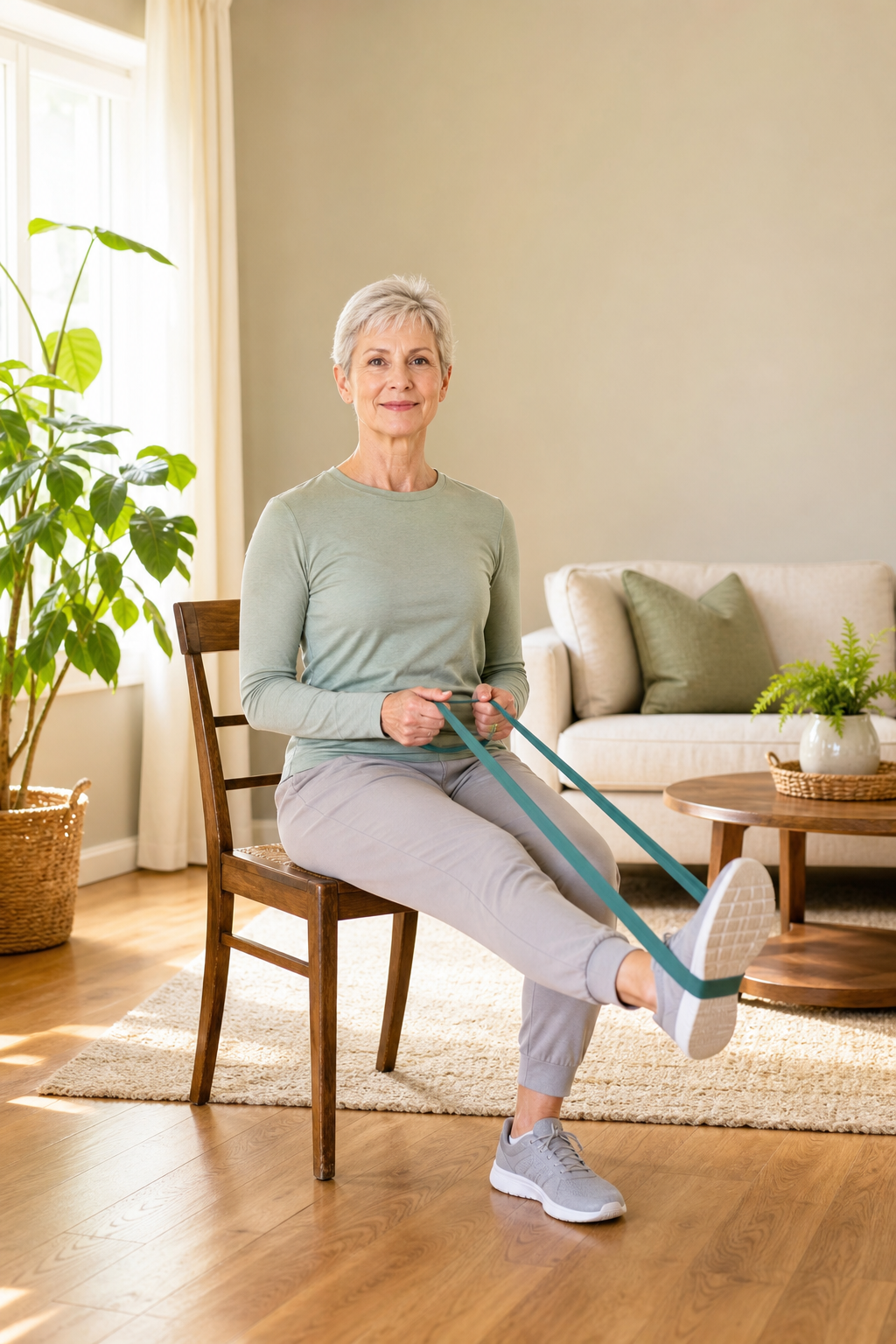
You do not need to join a gym or train for a marathon. Honestly, most people with chronic joint pain do better with 5-10 minute movement “snacks” scattered through the day. A 2021 study in Clinical Rehabilitation found that three daily 10-minute walks were as effective at improving function as a single 30-minute session. I’ve had patients keep a resistance band by the sofa and do gentle leg extensions during commercial breaks—every rep really does count.
On rough days, circle your ankles, clench and release your fists, or try gentle seated marches. Progress over perfection—and consistency over intensity—is my mantra.
2. Use the Right Tools for Support
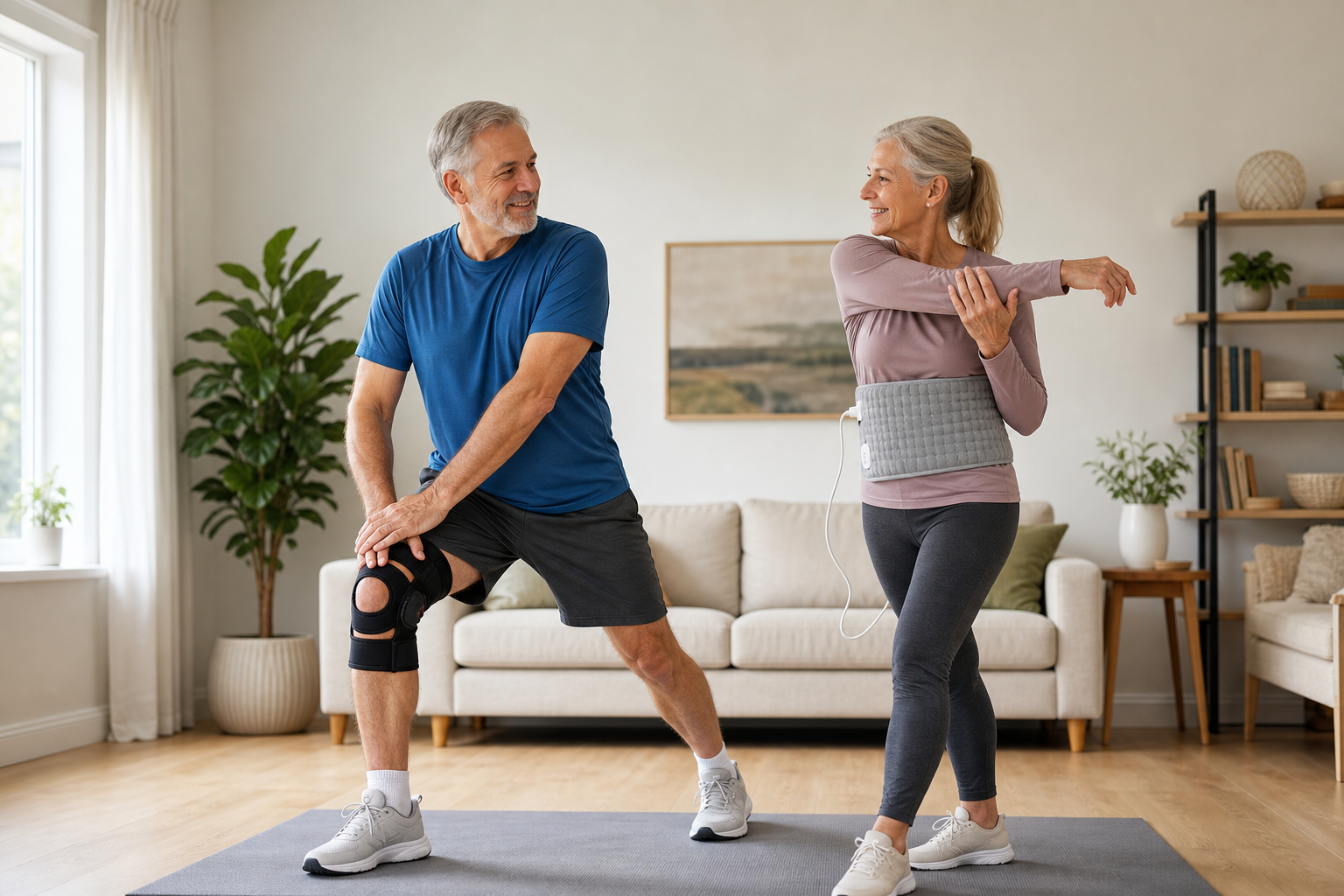
Look, not all braces and gadgets are created equal. But there are a few aids that genuinely reduce pain and make activity less intimidating. Compression knee sleeves, for instance, can provide that “hug” around the joint that gives many people enough confidence to walk farther or stand longer.
One of the most popular among my patients—and, for what it’s worth, one I personally recommend—is the Modvel Compression Knee Brace. It’s affordable, doesn’t sag down after an hour, and has over 75,000 reviews. (Honestly, the anti-slip strips are a game-changer. I can’t count how many patients have tripped over droopy braces.) If you’re struggling to walk or exercise because your knees feel unstable, adding this kind of support can make all the difference.
For heat therapy, I’m a fan of extra-large heating pads with moist heat—like the Pure Enrichment PureRelief XL Heating Pad. Moist heat penetrates deeper than dry, according to several small trials in Physiotherapy Research International (2020), and is especially helpful for prepping stiff hips or knees before you move. Plug it in while you read or sip your morning coffee. Just watch for numbness—never use while sleeping.
3. Gentle, Targeted Strengthening — At Home
Forget squats and lunges if those moves trigger pain. The research is clear: targeted, low-load strengthening (using light resistance, bands, or even just your own body weight) is safest for painful joints. Flexibility and balance matter too. I’m a huge fan of home exercise guides that break these into bite-sized, research-backed routines. The best one I’ve seen is Treat Your Own Knees by Jim Johnson, a respected physical therapist who’s obsessed (in the best way) with making things simple. The routines are clear, easy to follow, and genuinely helpful—plus, everything is based on published studies, not just “PT wisdom.”
And yes, if you’re thinking, “I’ve tried knee exercises before and they didn’t work”—I get it. The secret is sticking with it for at least 4-6 weeks. Most of the clinical trials (including one in Physical Therapy 2015) report meaningful improvement after a month, so don’t quit too early.
4. Listen, Adapt, and Pace Yourself
If you want the fastest way to burn out—and flare up—try to push through “good” days with excessive activity. I see this all the time: Someone feels better, so they clean the whole house or go hiking, then spend the next three days on the couch in agony. Pacing is not “giving up”; it’s smart joint management. The Arthritis Foundation suggests using a pain-rating scale: Only allow your pain to rise 2 points above baseline during activity. If you’re a 4 out of 10 most days, aim to stay under 6. After that, rest and reset.
Try breaking activities into chunks. Instead of vacuuming the whole house, do one room at a time. Use timers or phone reminders to alternate movement and rest, and never let guilt get in the way of common sense. You’re not lazy—you’re preserving your long-term mobility.
5. Cross-Train to Protect Your Joints (Yes, You Have Options)
Here’s where it gets interesting: the type of movement matters just as much as the amount. A 2023 study in Osteoarthritis and Cartilage found that people who alternated between walking, gentle cycling, and water exercise (even just once a week each) had slower cartilage loss and less pain than those who stuck with one repetitive activity.
- Walking: Still the gold standard—but stick to flat, predictable surfaces.
- Swimming/water aerobics: Take advantage of buoyancy. Pain relief is nearly immediate for many.
- Gentle cycling: Stationary bikes are your friend. No impact, steady resistance.
- Chair yoga/tai chi: Proven to improve both pain and balance—find a local class or online video.
Mixing things up isn’t just for fun. Different activities work different muscle groups and minimize the risk of overuse injuries.
6. Manage Flare-Ups Without Giving Up
Every single person I’ve treated with chronic joint pain hits rough patches. It’s normal—and it doesn’t mean your progress is gone. On flare-up days, I recommend:
- Shorter, gentler exercise (think stretching or slow walking)
- Moist heat before movement, ice after if there’s swelling
- Supportive braces or sleeves for stability
- Non-habit-forming pain relief (talk to your doctor before starting anything new)
The Research: What Actually Works (and What Doesn’t)
People ask me about supplements, gadgets, and miracle cures all the time. Here’s the unvarnished truth, based on dozens of journal articles, my own clinical experience, and more than one enthusiastic (but ultimately disappointed) patient:
- Glucosamine and chondroitin: A bit controversial. The big 2022 BMJ review found that glucosamine sulfate (at 1500mg daily) helped about 54% of people with moderate knee pain—but only after 3-6 months. Not a miracle, but may be worth a shot (after a chat with your doctor, of course).
- Compression sleeves and braces: Every major clinical guideline now recommends these for certain joints, especially knees and elbows, when instability or swelling is present. Not for everyone, but worth trying if you’re struggling with confidence during movement.
- Heating and cooling therapy: Old-school, but effective. Moist heat is best for stiffness, ice for swelling/inflammation. Don’t overuse either—10-20 minutes at a time.
- Home exercise programs: Consistently the most effective non-drug intervention across studies (see: Arthritis Care & Research, 2021). The only catch is you have to do them regularly—not just when things feel good.
- Over-the-counter topical relief: Products like menthol roll-ons (Biofreeze, for example) provide short-term relief, especially right before movement, but don’t address the root problem.
Expert Tips and Answers to Questions I Hear Every Week
"What if every kind of movement hurts?" Start with water therapy if you have access—pain is often cut in half, and you can build confidence before transitioning to land-based activity. Or, try gentle isometric exercises (like pressing your knee into a pillow) to maintain strength without aggravating the joint.
"Should I avoid stairs and hills?" Only if they ramp up your pain beyond a 6/10. If you can manage stairs with support (railings, knee sleeves), keep doing them—gradually. Stopping altogether leads to muscle loss, which is harder to reverse later.
"My doctor says exercise is safe, but it feels awful. Am I making things worse?" If your pain returns to baseline within two hours of finishing, you’re likely fine. Persistent, severe pain means you need to scale back, modify, or try a different activity. Honest conversations with your healthcare team are crucial here.
Fresh Takeaways (Not the Same Old Advice)
- Bite-sized, daily movement is better than heroic gym sessions you can’t sustain.
- The right tools—like compression sleeves, braces, or a well-designed heating pad—aren’t crutches. They’re confidence-builders.
- Flare-ups are normal. Adapt, don’t quit.
- Variety is your best friend: change up your movement to protect joints and stay motivated.
- Science is still evolving (and not all supplements are magic). Focus on what’s proven, practical, and safe for your body.
Final Thoughts from the Clinic
I’ve seen hundreds of people reclaim activities they thought were lost: gardening, playing pickleball (it’s a thing!), even just taking long walks with family. The secret isn’t some secret—it’s practical, patient, consistent movement. And on tough days, a reliable brace, a smart heating pad, or a clear home routine can help you stay in the game.
If you take away one thing, let it be this: You don’t have to “push through” or sit on the sidelines. There’s a middle path—and it’s more doable than you might think.
Stay moving, stay hopeful. Your joints—and your future self—will thank you.
Dr. Sarah Mitchell, DPT is a licensed physical therapist with 12+ years’ experience treating chronic joint pain and osteoarthritis. Senior Health Editor at JointReliefReviews.