Tai Chi Benefits for Arthritis and Balance: More Than Just Gentle Movement
I’ll never forget my first tai chi class with a group of older adults at our local senior center. There was a 74-year-old woman named Janet who hadn’t been able to walk without her cane in years. Three months later, she left the cane behind for the first time in a decade—her eyes as big as saucers, all thanks (she swore) to a weekly tai chi session. Skeptical as I was, I had to admit: watching Janet move was a lightbulb moment for me as a physical therapist.

The Real Struggle with Arthritis (And Why Balance Fades)
If you’re waking up stiff, limping through your morning coffee, or catching yourself on the counter more than you’d like—well, you’re not alone. I see people every week who feel betrayed by their knees, hips, and ankles. Arthritis pain is more than just an ache. It’s the fear of falling, the frustration of watching friends hike when you can barely climb the stairs, the nagging worry that your world is shrinking.
And here’s the kicker: it’s not just the pain. It’s the balance issues. As joints get stiffer and muscles get weaker, your body’s natural stability takes a nosedive. The risk of falls skyrockets—especially if you avoid moving out of fear. I’ve had patients tell me, “I’m just clumsy now.” What they really mean is, “My brain and body aren’t talking the way they used to.”
That’s where tai chi comes in. Not as a miracle cure—but as a practical, research-backed tool for regaining what arthritis tries to steal.
So, What Exactly Is Tai Chi?
I’ll be honest: the first time someone suggested tai chi for joint pain, I pictured slow-motion kung fu in silk pajamas. Turns out, I wasn’t entirely wrong. Tai chi originated as a martial art in China but has evolved into a gentler, meditative movement practice. Think of it as a series of flowing, deliberate poses that link breath, body, and (if you do it right) a surprising amount of strength.
Unlike yoga or Pilates, tai chi is performed standing. There’s no getting down on the floor (a relief for most arthritic folks). Movements are low-impact, meaning there’s little joint jarring—ideal for anyone whose cartilage is protesting every step. And the best part: you can tailor it to your own pace, even from a chair.
What Does the Science Say About Tai Chi for Arthritis?
Let’s cut through the fluff. The research on tai chi for arthritis and balance isn’t just promising—it’s solid. A landmark 2016 review in Arthritis Care & Research looked at over a dozen randomized controlled trials. The verdict? Regular tai chi reduced joint pain and stiffness, improved physical function, and even chipped away at symptoms of depression.
Here’s where it gets interesting: A 2018 study in the Annals of Internal Medicine compared tai chi to physical therapy for knee osteoarthritis. After 12 weeks, both groups improved—but the tai chi group reported bigger boosts in mood and well-being, on top of pain relief. And, crucially, they stuck with it longer. That’s not nothing.
Even the CDC now lists tai chi as a recommended activity for arthritis and fall prevention. That’s a pretty big deal in my world—and it’s not just because it’s low-risk. It’s because it works.
How Tai Chi Helps Balance (and Why It’s a Game-Changer)
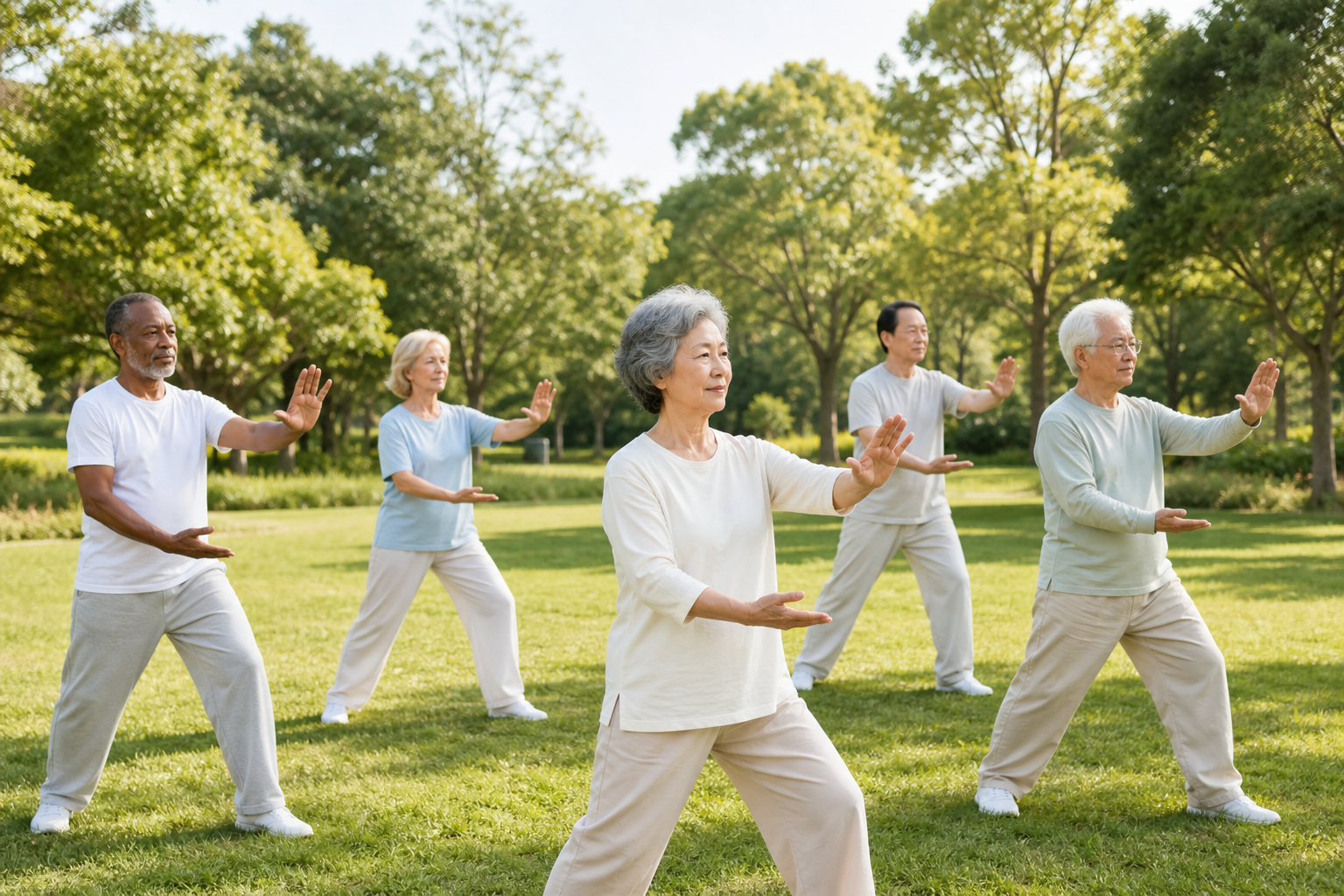
If you’ve ever watched a tai chi group, you’ll notice participants moving in slow, controlled arcs—shifting weight, reaching, then bringing it back. That’s not just for show. Those repeated shifts are training your proprioception (your body’s sense of where it is in space) and your muscle coordination. Both are critical for balance—and both take a hit as arthritis progresses.
There’s a 2015 Journal of the American Geriatrics Society study that still gets cited in our clinics: older adults who practiced tai chi twice weekly had 55% fewer falls over six months compared to a control group. That’s not cherry-picked—it’s been replicated more than once. If you’re nodding along, you’re not imagining it: less pain, better balance, and a reduced fear of falling are the trifecta for staying mobile as you age.
The Mechanisms: Why Tai Chi Eases Joint Pain and Stiffness
Look, the science here gets a bit technical, but I’ll break it down. Tai chi’s slow, controlled movements encourage gentle joint loading—stimulating synovial fluid (that’s your body’s natural joint lubricant) and easing stiffness. There’s evidence in BMJ Open (2015) showing tai chi can boost quadriceps and glute strength without stressing the knees. Plus, consistently moving through full ranges of motion helps keep connective tissues limber, not locked.
And don’t discount the anti-inflammatory effects of mindful breathing. When my patients learn to breathe purposefully with movement, I often see a decrease in tension—the kind that can make arthritic pain feel even worse. Is it a cure? Of course not. But is it a meaningful, affordable, and safe way to get moving? Absolutely.
Getting Started: How to Try Tai Chi for Arthritis and Balance (No, You Don’t Need Fancy Pants)
Here’s the thing: you don’t need to sign up for a formal studio or buy a DVD set. (Unless you want to, of course.) Most communities have free or low-cost tai chi classes—parks, YMCAs, even some libraries. Many of my patients start with YouTube—look for “tai chi for arthritis” or “gentle tai chi for beginners.” The key is consistency, not perfection.
Some tips from years of watching beginners:
- Wear shoes with a flat, supportive sole—slippers or thick running shoes can actually throw off your balance.
- Start with 10 minutes, 2-3 times a week. Slow is better than none. Your joints need time to adjust.
- Listen to your body. Never push into sharp pain. (Mild stiffness or gentle fatigue is normal; pain is a no-go.)
- If you’re worried about your knees, consider using a sturdy chair as backup—no shame in safety first.
- Recruit a friend. Accountability helps, and you’ll probably laugh together the first few tries (which, honestly, is half the benefit).
And I know someone’s going to ask: “Can I do tai chi if my arthritis is severe?” Yes, with modifications. Seated tai chi is absolutely an option. I have a 79-year-old client with advanced knee OA who does all his forms from a kitchen chair—and still reports better balance on stairs.
Tai Chi vs. Other Arthritis-Friendly Exercises
I’ll be blunt here: I love strength training, water aerobics, and stretching. They all have proven arthritis benefits. But tai chi offers something unique. It combines movement, mindfulness, and social connection in a way I haven’t seen elsewhere.
Yoga, for example, can be fantastic—but many poses require good wrist and ankle mobility, which is tricky with arthritis. Water exercise is wonderful, but not everyone can get to a pool. Tai chi, by comparison, is almost universally accessible—and doesn’t require any special equipment.
That said, the best plan is a mix. Most of my successful arthritis patients do tai chi alongside gentle walking, some resistance work, and occasional stretching. Variety keeps your body guessing—and responding.
Extra Support: Tools That Can Boost Your Tai Chi (and Comfort)
Look, I’m not here to sell you quick fixes. But I do get asked a lot about what can make movement easier for sore, stiff joints. Here’s what I actually see my patients use and recommend:
- Supportive knee braces: If your knees feel wobbly or you’re just gaining confidence, a brace like the NEENCA Professional Knee Brace can provide medial and lateral support. Several of my clients use these for extra stability during balance work—or just to feel safer in class. The patella gel pad is especially helpful if kneecap pain is your nemesis.
- Topical pain relief: Not gonna lie, I was skeptical about creams and gels for years. But products like Voltaren Arthritis Pain Gel have evidence behind them (diclofenac sodium, FDA-approved) and can make warm-up movements less intimidating if you’re dealing with morning stiffness.
- At-home exercise guides: If you want to build up joint strength in tandem with tai chi, I often recommend Treat Your Own Knees by Jim Johnson, PT. It’s plain-English, genuinely helpful, and the exercises can be done at home with zero equipment.
Full disclosure: None of these are magic bullets. But paired with tai chi, they can help you move more comfortably and confidently. (As always, check with your doctor before starting any new exercise if you have significant health concerns or joint replacements.)
What to Expect: Realistic Results and Honest Limitations
This part matters. Tai chi isn’t a quick fix, and it’s not for everyone. If you expect to be running 5Ks next month after years of pain, you’ll be disappointed. But if you stick with it—say, 8-12 weeks of regular practice—you can expect:
- Reduced morning stiffness
- Less fear of falling and greater confidence standing up or climbing stairs
- Improved leg and core strength (sometimes subtle at first)
- Better mood, less anxiety about pain
Will every single person see dramatic changes? Of course not. If you’ve got severe joint deformities, chronic instability, or advanced neuropathy, talk to your healthcare provider about modifications. And don’t be afraid to combine tai chi with physical therapy for even better results—no shame in getting backup.
The Bottom Line: Tai Chi Is About Taking Back Control
I know it can feel overwhelming—trying to choose the right exercise for creaky, unpredictable joints. But tai chi is something I come back to again and again. Why? Because it works for real people, not just in academic journals but in my own clinic. I’ve watched clients regain confidence, rediscover balance, and—yes—do things their doctors told them might never happen again.
So if you’re tired of feeling trapped by arthritis, give tai chi an honest shot. Start slow. Laugh at yourself. Use a chair if you need it. And, if it helps, get the right gear or support to make those first weeks a little smoother. Movement is medicine—and tai chi just might be the dose your joints have been asking for.
If you give it a try, let me know how it goes. I’d love to hear your story—or even answer your questions personally. Don’t let perfect be the enemy of better.
Dr. Sarah Mitchell, DPT
Senior Health Editor, JointReliefReviews.com
12+ years as a physical therapist helping people conquer joint pain, one step at a time.