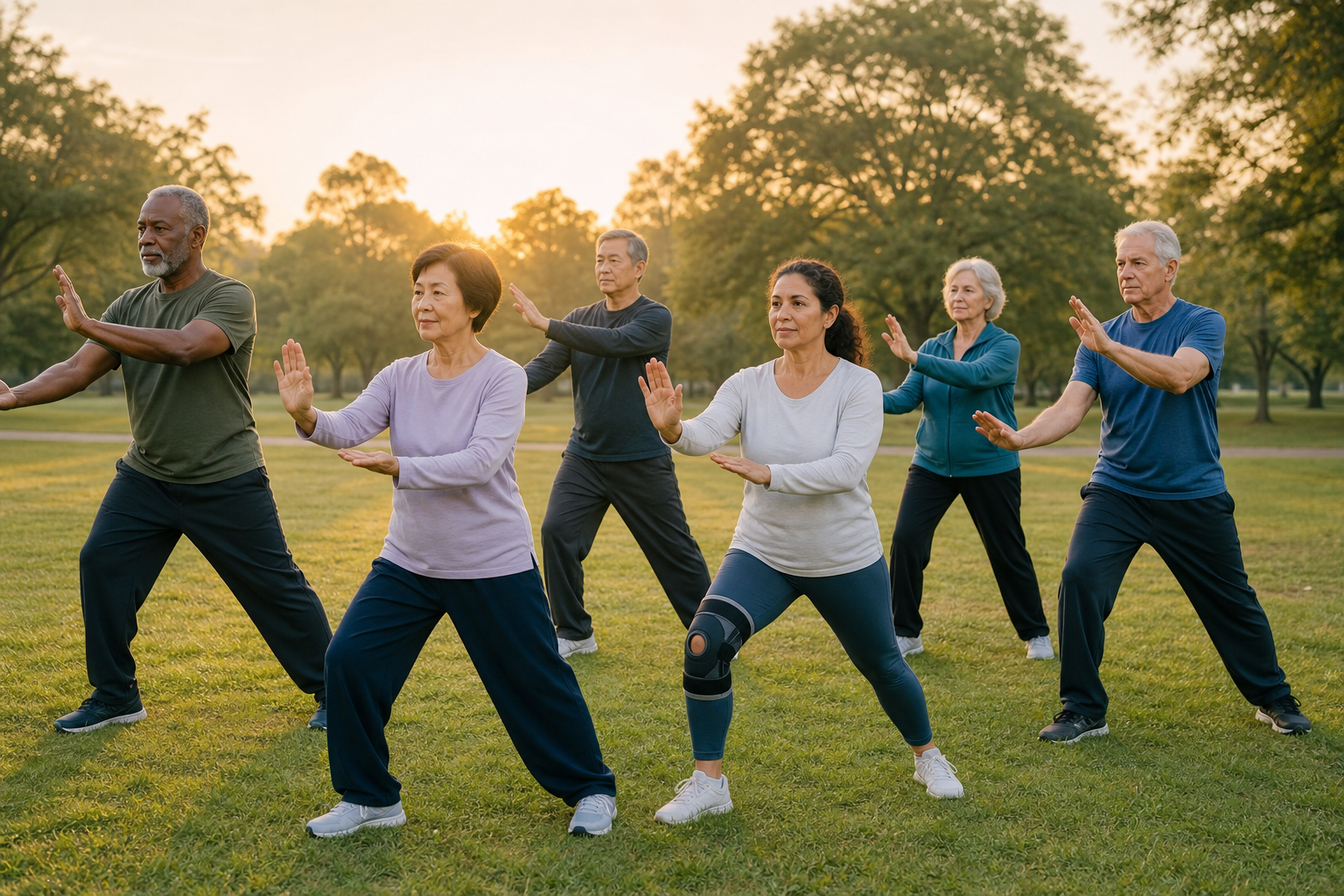
Tai Chi Benefits for Arthritis and Balance: What Decades in Nursing Taught Me
If you’d told me twenty years ago that a slow-motion martial art would be one of my go-to recommendations for joint pain, I’d have laughed. Honestly, my first exposure to tai chi was my stubborn Uncle Bob moving at a snail’s pace in the park—he claimed it helped his knees more than any pill. Turns out, he was onto something. And now? I’ve read the research, tried it myself, and watched dozens of my patients regain mobility, confidence, and yes—relief—from arthritis pain simply by adding tai chi to their weekly routine.
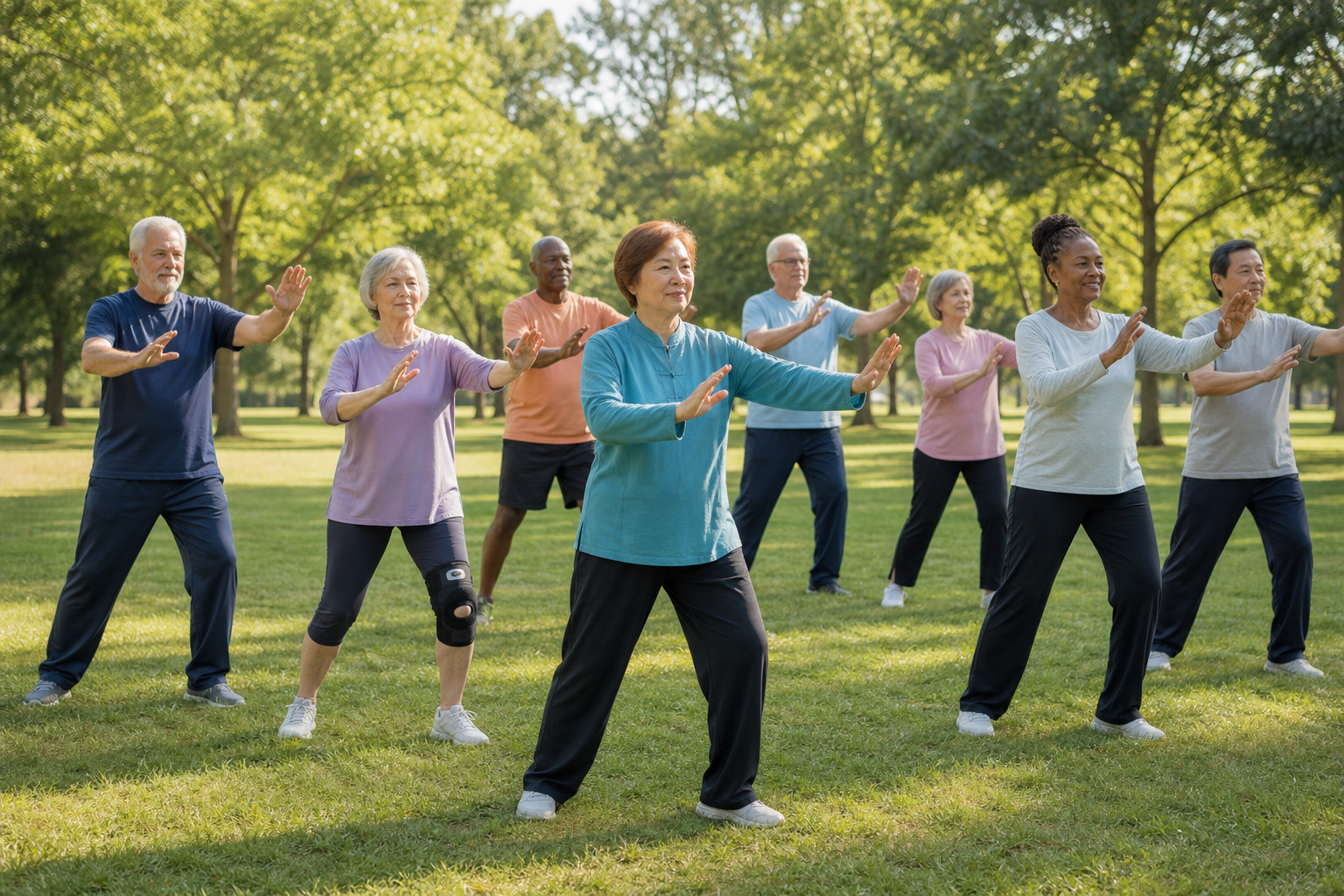
Arthritis Isn’t Just Pain—It’s Loss of Confidence (and Balance)
Let me start with a little empathy, because if you’re living with arthritis, you know it seeps into every corner of your life. People think it’s just sore joints. Nope. It’s that moment you hesitate at the top of the stairs. It’s the dread of uneven sidewalks, the wince getting out of the car, or the slow shuffle to the kitchen in the morning.
And here’s the kicker: It’s not just pain, it’s the balance issues that sneak up—almost as bad as the ache itself. Dozens of my patients have told me they’re more afraid of falling than of pain. That fear leads to less movement, which leads to weaker muscles, stiffer joints, and yes, even more wobbly moments. It’s a nasty cycle.
The Science: Why Tai Chi Works for Arthritis and Balance
I’ll be honest—nurses and doctors used to brush off tai chi as just “gentle stretching.” But the research over the last decade has changed everything. Two big studies published in Arthritis & Rheumatology and the Journal of Rheumatology (2016, 2019) found tai chi just as effective—or sometimes better—than traditional physical therapy for knee osteoarthritis. Seriously.
One 2016 Harvard-led trial followed 204 people with knee osteoarthritis. Half were assigned tai chi classes (twice a week, 60 minutes), the other half got standard physical therapy. After 12 weeks, both groups improved, but the tai chi group reported slightly more pain relief, less stiffness, and a bigger boost in mood. The improvement wasn’t just numbers on a chart—it was people getting back to cooking, gardening, going for walks. I’ve seen it firsthand. A reader emailed me last winter: “Linda, tai chi finally got me walking my dog again—no limp!” That’s gold.
Balance? There’s no contest. Tai chi is practically designed to challenge your stability on purpose. Unlike typical exercise, where you might grip a railing or hold onto a machine, tai chi’s flowing, single-leg moves force your muscles (and your brain) to work together. In a 2012 meta-analysis (that’s researcher-speak for a pile of studies reviewed together) in BMJ Open, older adults practicing tai chi had a 43% reduced risk of falls. Forty. Three. Percent. That’s not a fluke.
How Does Tai Chi Actually Help?
Let’s cut through the flowery language. Here’s what’s really happening in your joints and nerves, according to the research and what I’ve seen on the ground:
- Muscle strength: Tai chi loads and unloads your legs in slow motion. No jumps, no impact, but plenty of sneaky work for your quadriceps, calves, and glutes. Stronger muscles = less joint strain.
- Flexibility: The endless shifting of weight, gentle squats, and arm arcs coax stiff joints into action. I’ve seen patients get back a few precious degrees of knee flexibility after a month or two, which is huge for daily life.
- Proprioception: Fancy word for “your body knowing where it is in space.” Tai chi’s slow, deliberate movements sharpen this sense, cutting down on those dangerous, off-balance moments.
- Joint lubrication: Regular movement signals your joints to produce more synovial fluid—the natural oil for creaky knees and hips.
- Stress relief: This one’s underrated. Chronic pain and anxiety are best buds, unfortunately. Tai chi’s calming breath-work lowers cortisol, which in turn can lower pain perception (2017, Journal of Aging and Physical Activity).
If you’re nodding along, you’re not alone. Most arthritis guidelines (the CDC, the Arthritis Foundation, and the UK’s NICE guidelines) now list tai chi as a top non-drug treatment for both pain and balance. Not trendy—just proven.
How to Start Tai Chi When You Have Arthritis (Or Are Just Out of Practice)
Here’s the thing: You don’t need to join a “master’s” class or buy silk pajamas. The best tai chi for arthritis is the style you’ll actually stick with. That might be a gentle “Tai Chi for Beginners” YouTube series, a senior center class, or—my favorite—a local parks program where the pressure’s low and the chairs are plentiful for resting.
A few nurse-approved tips:
- Start slow. If you can only do 10 minutes, that’s enough. Build from there. Even once or twice a week makes a difference.
- Pick a leader who understands joint pain. A good instructor will know how to modify moves, like not pushing deep into squats or pivoting carefully if your knees are touchy.
- Go easy on yourself. Tai chi looks simple, but it’s sneaky-challenging at first. Wobbles and mistakes are normal—laugh them off. The balance gains come surprisingly fast.
I wish I could bottle the confidence I’ve seen bloom after a month of tai chi. People who were afraid to step off a curb start striding across parking lots again. It’s not magic, but it feels close.
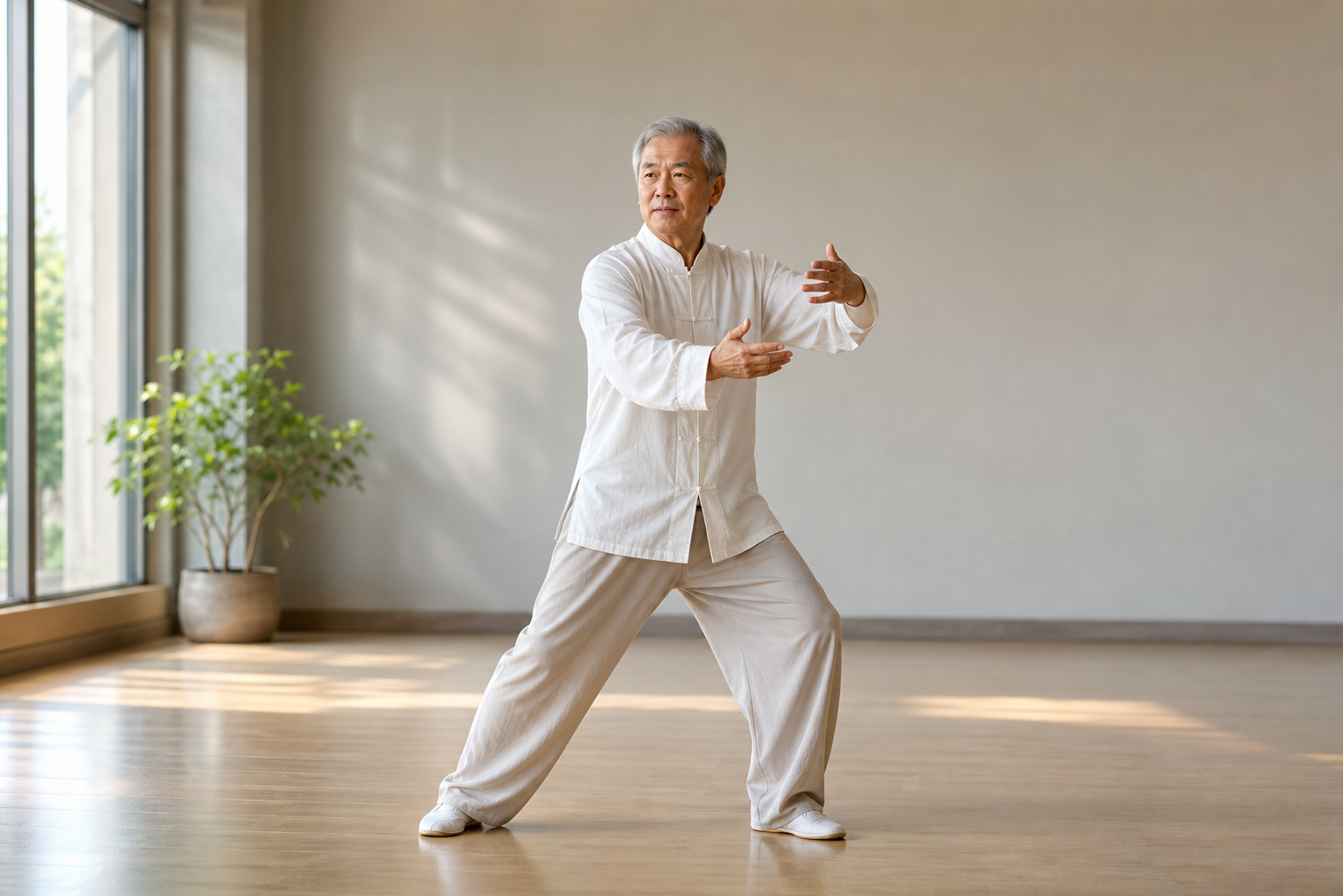
Pairing Tai Chi With Other Home Solutions: Real-World Tips
Now, if you have moderate or severe arthritis, tai chi will help, but it may not be a miracle by itself. Here’s where I get practical—and a little controversial. Most articles gloss over this, but in my experience, pairing gentle movement with the right home support gives people the best shot at relief and staying active.
For example, when knee pain flares, a supportive knee brace makes a huge difference between “I can join class” and “nope, too risky.” The NEENCA Professional Knee Brace is one I trust, both for my patients and my own iffy right knee. The side stabilizers keep your joint moving in a safe track and the patella gel pad really does relieve that bone-on-bone pressure during balance moves. It’s adjustable, so you’re not wrestling with it mid-class. Sure, you can try generic sleeves, but the NEENCA feels “medical-grade”—and I haven’t seen it slide down mid-walk.
But don’t just rely on braces. Consistent movement is key. I’m a big fan of research-backed exercise routines you can do at home—especially on days when you’re too stiff for a group class. Jim Johnson’s book Treat Your Own Knees lays out simple, joint-friendly exercises (with actual drawings, not confusing jargon) to build strength, flexibility, and endurance. It’s affordable, easy to follow, and honestly, I wish more physical therapists used these routines as homework.
Some of my readers swear by a short pre-tai chi warmup—like a quick heat session or gentle stretching. If you’re extra stiff in the mornings, a heating pad session before class can work wonders (and let’s be real, it feels heavenly on sore joints).
Are There Downsides? (Let’s Be Honest)
Here’s where I may ruffle a few feathers. Tai chi isn’t a “cure” for severe, bone-on-bone arthritis. If your knee is swollen like a grapefruit, or you can barely walk to the mailbox, start with medical treatment—maybe even a round of physical therapy—before expecting much from tai chi. Always check with your doctor before starting new exercise, especially if you have balance problems or a history of falls.
Another thing: Some people expect instant results. Tai chi takes commitment (think weeks to a few months), but the gains are real and lasting. And if you feel sharp, worsening pain—stop and get checked out. Gentle discomfort is normal (those sore muscles!), but joint stabbing is not.
What About Other Exercise?
I get this question a lot: “Should I do tai chi instead of walking, swimming, or yoga?” My honest answer: Mix it up, if you can. Each type of activity confers its own perks. Walking is great for cardio and bone strength, yoga can help with flexibility, and tai chi uniquely targets balance and “body awareness.” If you had to pick one for balance and gentle pain relief, tai chi’s my top choice. But there’s no rule against combining.
One overlooked benefit—especially in group tai chi settings—is the social aspect. (There’s something restorative about moving together, even in silence.) Isolation is a hidden risk for people with arthritis, so even a small class can keep your spirits up. I’ve seen firsthand how a little camaraderie leads to better attendance and, in turn, stronger, more stable legs.
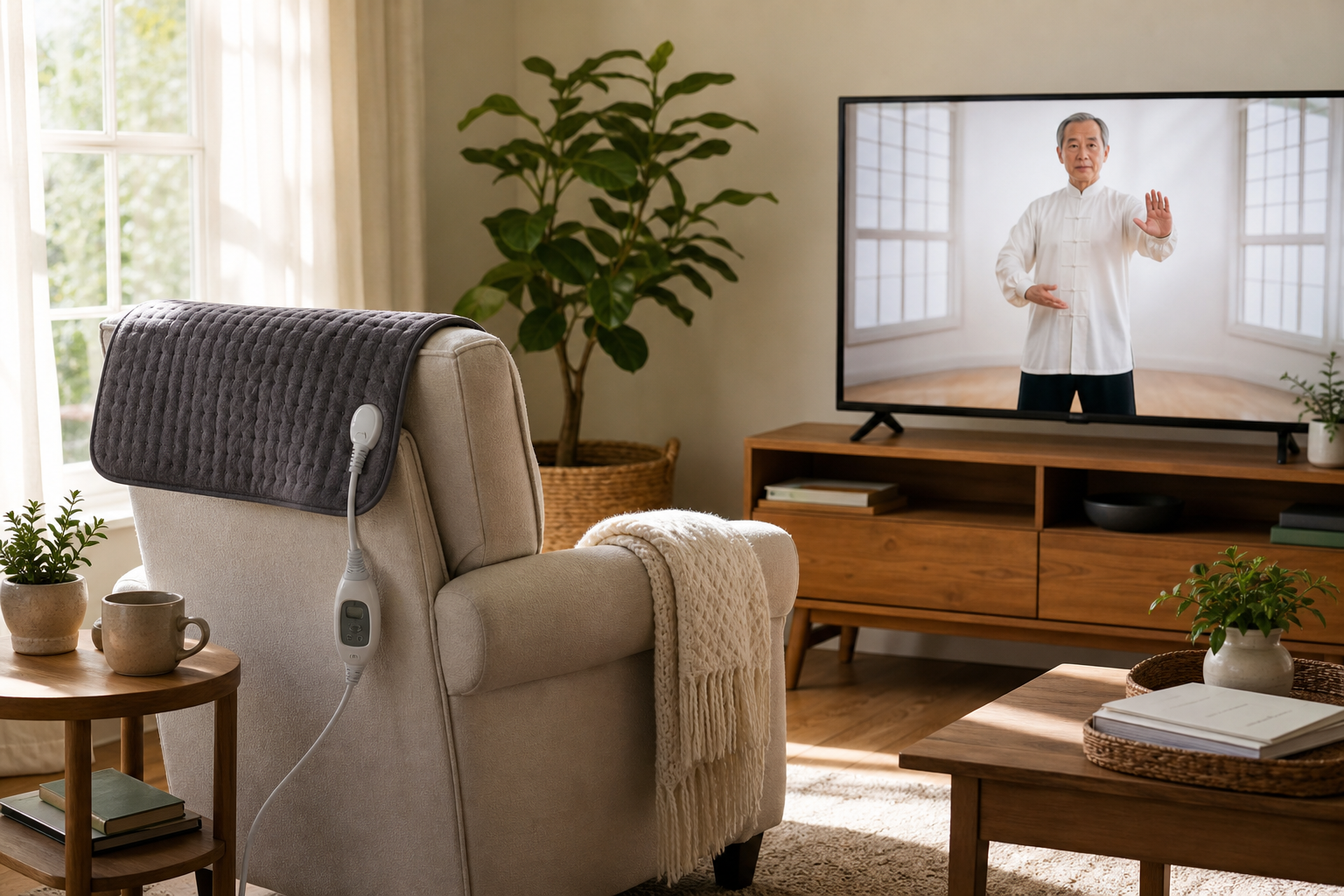
Tai Chi Moves to Try—Even If You're Not Flexible
People always ask for specific moves. Here are three that most arthritis-friendly tai chi routines include—and yes, they’re “doable” for most with sore knees or hips:
- Parting the Wild Horse’s Mane: (Don’t be put off by the name!) This move involves gentle, shifting lunges from side to side—great for hip and knee stability, but done with very shallow bends. If your knees are touchy, keep the bend minimal or do it seated.
- Wave Hands Like Clouds: This is my favorite for shoulder and wrist arthritis. Imagine slowly waving your arms in front of you while gently swiveling your torso. It’s surprisingly soothing and helps with upper-back stiffness, too.
- Golden Rooster Stands on One Leg: Here’s the balance test. You’ll see most instructors offer chair support or light wall fingertips for this one. Even just attempting the shift in weight activates those deep stabilizer muscles. Start with a few seconds—work up to more over time.
The best part? You don’t need to memorize a long sequence. Even five minutes of these moves can “wake up” stiff joints and get your blood flowing.
Expert Tips (From the Field—Not the Lab)
A few bits of nurse wisdom I wish someone had told my patients (and Uncle Bob!):
- Consistency beats intensity. Two or three short sessions a week deliver better results than one long, exhausting class.
- Shoes matter. Soft, supportive soles with good grip cut your fall risk in half. No slippery socks on hardwood floors!
- Don’t overdo props. Chairs and braces are great for starting, but work toward standing unsupported (even for a few seconds) for real balance gains.
- Track your progress. Jot down a note: “Less sore today” or “Stood on one leg 8 seconds.” Small wins add up and keep you motivated.
And if you’re stuck during a home routine, don’t be afraid to pause and try a joint-friendly exercise from Johnson’s book Treat Your Own Knees—I’ve found those simple strength-builders actually make tai chi easier over time. The synergy is real.
Final Takeaways: Realistic, Not Perfectionistic
So—tai chi isn’t a miracle. But for arthritis and balance (especially together), it’s as close as we get to a low-risk, evidence-backed, gentle “reset” for aging joints. The studies back it up, but the changes I’ve seen in people—their confidence, mobility, mood—matter even more.
If you’re new to tai chi, give yourself a few weeks. Pair it with home supports like a medical-grade knee brace (NEENCA Professional Knee Brace) or a targeted exercise plan (my pick: Treat Your Own Knees), especially if you’re starting out with pain or stiffness. And always check with your doctor before starting a new movement routine—especially if falls or major joint damage are a concern.
If you give it a try, email me your progress. I love hearing about those little wins—walking the dog, climbing the stairs, or just feeling steadier on your feet. Tai chi isn’t a secret anymore; it’s smart, safe, and frankly, overdue for its moment in the arthritis spotlight.
Linda Hargrove, RN, spent 20 years in orthopedic nursing and now helps readers at JointReliefReviews.com cut through the hype and find real, research-backed joint relief—without the jargon.