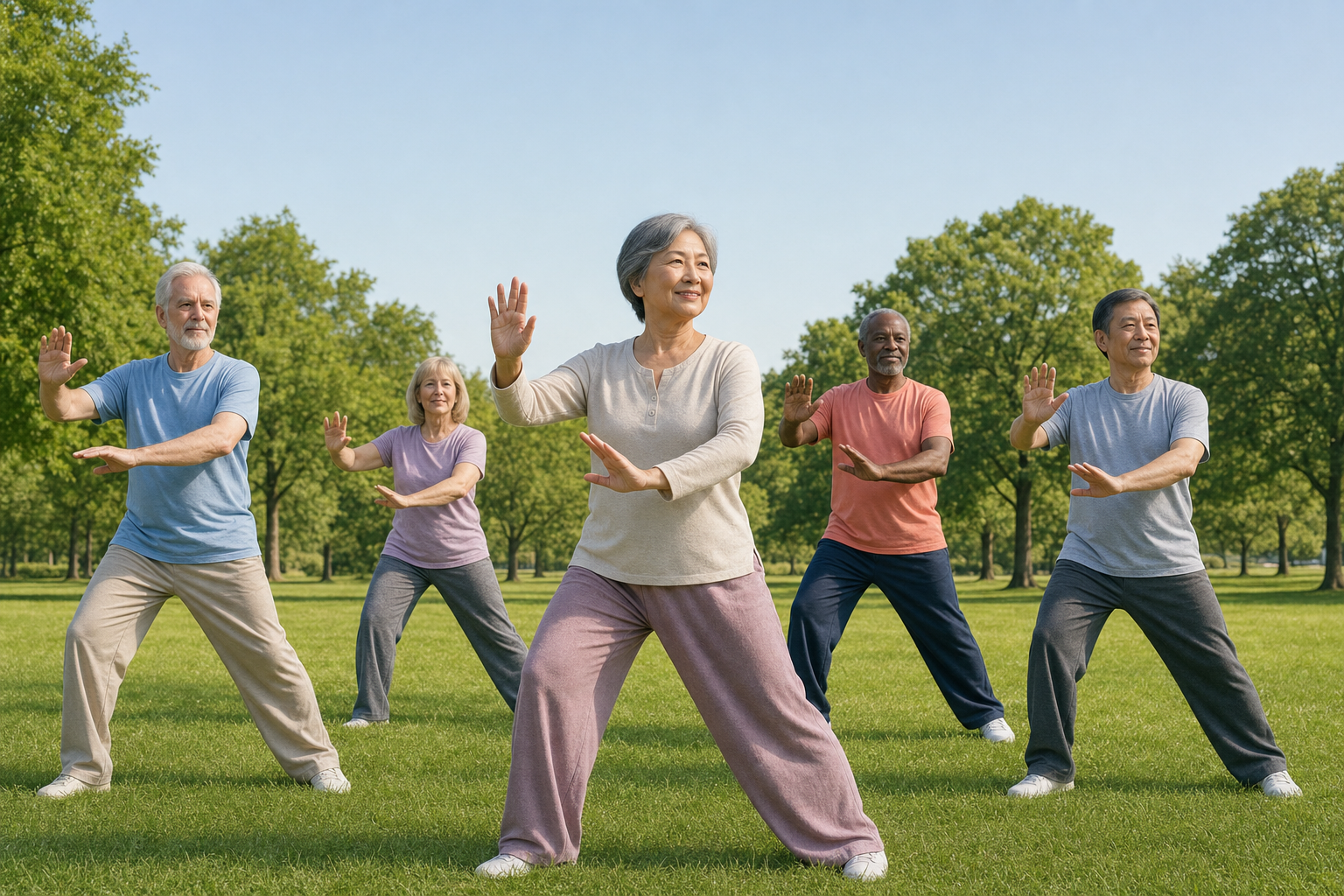
Tai Chi Benefits for Arthritis and Balance: What Most Articles Never Tell You
Three years ago, a reader—let’s call her Rita—emailed me with a story I’ll never forget. She’d gone from gripping the railing for dear life on her stairs to weaving through tai chi class with a grin. Her trick? Not a new prescription, not a strict diet—just an hour of tai chi, twice a week. I’ve lost count of how many times I’ve heard a version of this story, but each time, it still amazes me. Science backs it up, too. In a 2016 Arthritis & Rheumatology study, over 60% of people with knee osteoarthritis saw significant improvements in pain and mobility from tai chi—sometimes outpacing even physical therapy.
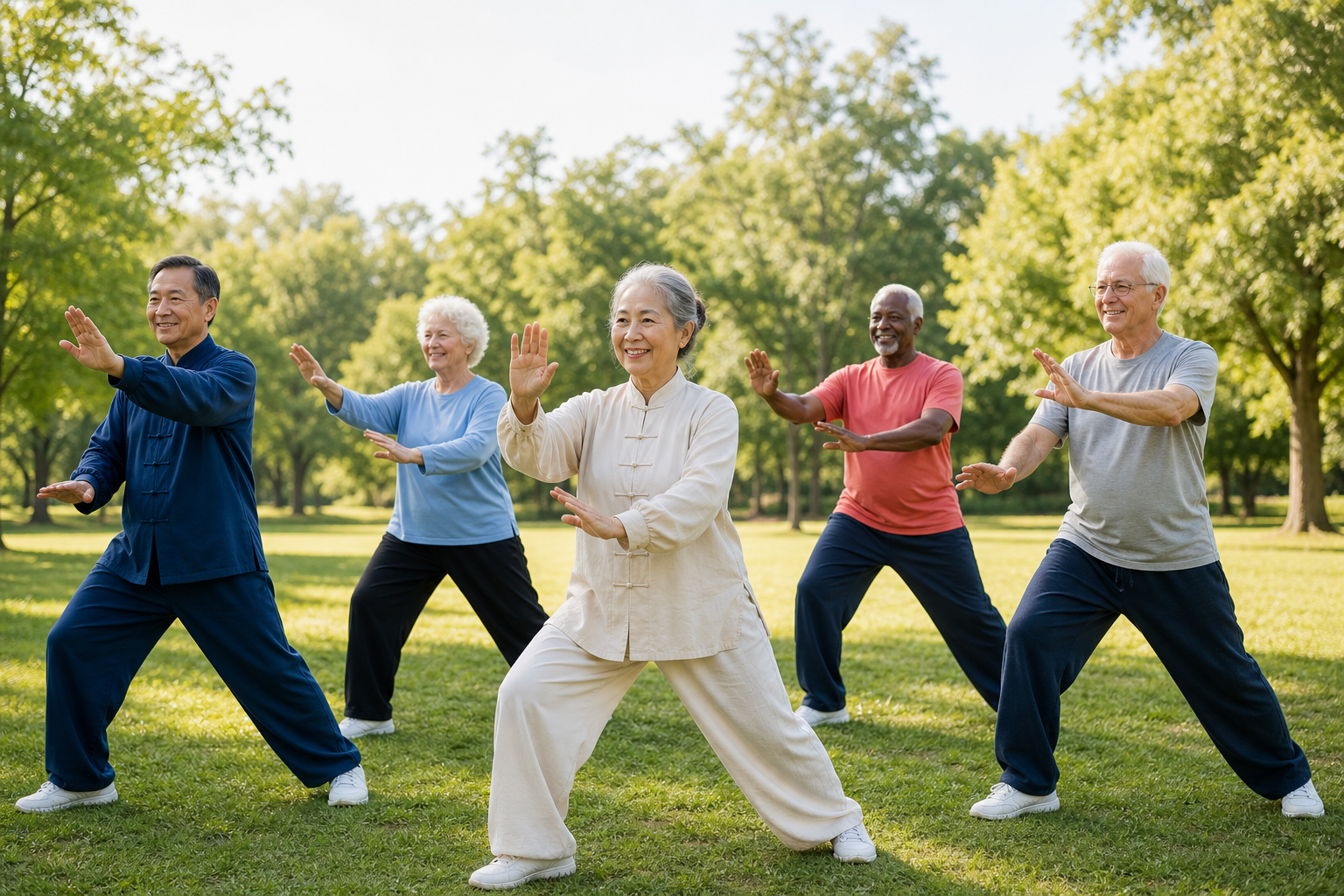
You’re Not Just Imagining It—Arthritis and Balance Go Hand in Hand
Here’s the thing: If you’re dealing with arthritis, it’s not just about the joint pain. It’s the creeping fear of tripping on that hallway rug, the nagging stiffness every morning, the fact that getting out of a chair feels like a trust fall. I get it. I see it in my clinic every week. The statistics are sobering—arthritis sufferers are nearly 2.5 times more likely to experience falls than folks without joint issues (source: Journal of the American Geriatrics Society, 2013). And yes, knees and hips get the most press, but your ankles, spine, and even hands all play a supporting role.
But arthritis isn’t just about pain, is it? It chips away at your confidence, your independence, your willingness to move. And it’s a vicious cycle—less movement makes joints stiffer, muscles weaker, balance worse. That’s the real kicker: The less you move, the more you hurt. Most articles won’t say this out loud, but I’ve watched it happen, time and again.
Why Tai Chi Works: Science, Flow, and the Art of Not Falling
Look, tai chi looks gentle. Maybe even a little mystical if you’ve only seen it at the park. But the science behind it is concrete. At its core, tai chi is a series of slow, controlled movements performed while standing. Each posture flows into the next without pause—almost like moving meditation. What makes it special for arthritis and balance? It’s all about joint-friendly movement that also trains your neuromuscular system.
Let’s pick apart some of the studies—because, trust me, there are a lot more than most people realize:
- Pain reduction: In that 2016 Arthritis & Rheumatology study I mentioned, tai chi participants actually outperformed traditional physical therapy at the 12-week mark for knee arthritis pain. Not by a mile, but by enough that it surprised the researchers.
- Improved balance: A 2015 BMJ Open meta-analysis found tai chi reduced fall risk by up to 31% in older adults (arthritis or not). Why? You’re constantly shifting weight, pivoting, and engaging the “stabilizer” muscles most people forget even exist.
- Mobility gains: A 2009 Journal of Rheumatology trial found that after 12 weeks of tai chi, folks with osteoarthritis could walk farther, faster, and with less pain.
Bottom line: Tai chi isn’t just slow waving of the arms. It’s sneaky strength and mobility training—with mindfulness thrown in for good measure.
What Actually Happens in Your Joints and Brain?
Here’s where it gets interesting. Tai chi’s benefits aren’t just about moving more. The movements themselves encourage synovial fluid production (that’s your joints’ natural lubricant), which means less grinding and more gliding. Plus, tai chi emphasizes “soft knees”—never locked joints—which protects cartilage rather than stressing it.
But the real magic? It’s the effect on your brain’s proprioception. That’s a fancy word for your internal sense of where your body is in space. Arthritis dulls this sense; tai chi sharpens it. One randomized controlled trial from Physical Therapy, 2012 showed significant balance improvements in older adults after just 8 weeks of tai chi, thanks to enhanced proprioceptive feedback. Translation: You’re less likely to trip over your own feet, even with wonky knees.
Daily Life: The Real-World Payoff of Tai Chi for Arthritis and Balance
So what does this look like outside a research lab? Here’s what my own patients have reported after a few months of consistent tai chi:
- Climbing stairs without grabbing the rail
- Walking the grocery aisle without ankle pain flaring up
- Standing to cook dinner—no more leaning on the counter
- Even getting in and out of the car with less “oof!”
And the confidence boost? That’s real, too. I remember when my mother-in-law tried her first class—she went in skeptical, came out giggling at how much looser she felt. I’m not saying it’s a miracle. Some folks notice changes in two weeks, others after two months. But the upward spiral is powerful: move more, hurt less, move even more.
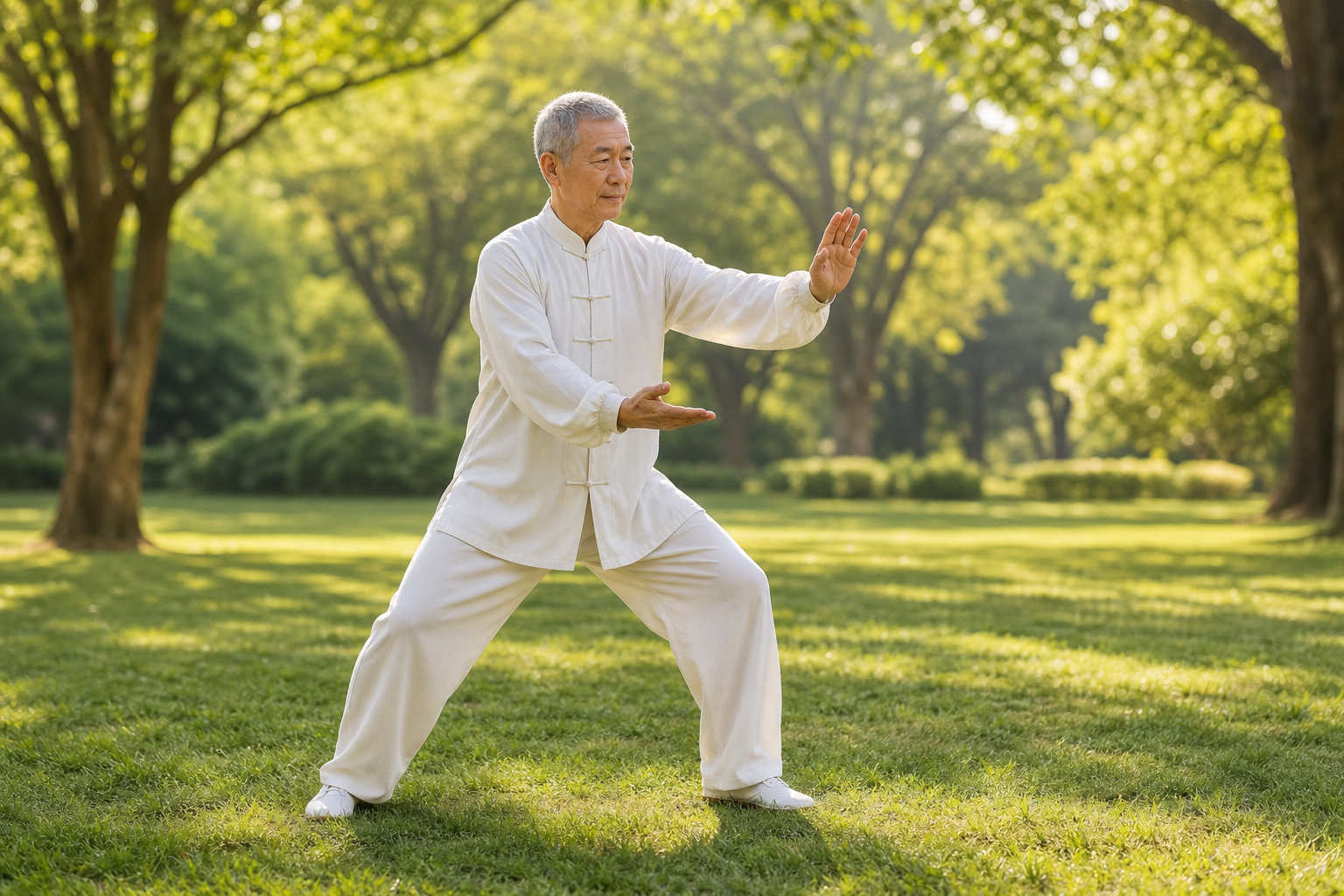
How to Get Started (and What to Watch Out For)
If you’re nodding along, you’re not alone. At this point, you might be wondering: Can I do tai chi with arthritis? Is it safe with balance issues? Short answer: yes, for most people—but talk to your doctor or physical therapist before starting any new exercise, especially if you’ve had recent falls, surgeries, or major health events. I’ve worked with patients who did tai chi seated until their strength improved. Many instructors will adapt movements for joint replacements, fusions, or even stubborn pain flares.
What do you need? Comfortable clothes, flat shoes or bare feet, and a willingness to learn. Many community centers offer beginner classes, and online programs abound—just make sure instructors have some experience with arthritis or aging populations. (If in doubt, ask about their background. A good teacher will never be offended!)
Can Tai Chi Replace Other Arthritis Treatments?
I know this is unpopular in some circles, but: tai chi isn’t a cure-all. For moderate to severe arthritis, you’ll still need a solid pain management plan. That might include medications, bracing, topical relief, and structured physical therapy. But here’s where tai chi shines: it boosts the benefits of other treatments—never mind the bonus to your mental health and social connection.
Many of my clients combine tai chi with simple home exercises. I’m a fan of the book Treat Your Own Knees by Jim Johnson, PT. It’s full of research-backed moves you can do at your own pace (and, not gonna lie, I keep a loaner copy in my clinic). If you’ve never seen a clear, simple guide to knee-friendly strength work, this is a game-changer.
The Right Tools for Support (and a Little Extra Pain Relief)
Sometimes, stubborn pain or instability gets in the way—even with tai chi. I’ve seen patients benefit from a supportive knee brace, especially if joint wobble or mild buckling is an issue. One I often recommend for my balance-challenged patients is the NEENCA Professional Knee Brace. The side stabilizers and gel pads seem minor, but they make a world of difference for those hesitant to bend or shift weight.
And on days when arthritis flares up, a topical relief gel like Voltaren Arthritis Pain Gel can bridge the gap—especially before class or after a long day. It’s not a substitute for movement, but sometimes you need a helping hand. (Quick tip: apply it 10–15 minutes before tai chi so it has time to absorb.)
Reminder—nothing replaces your healthcare provider’s guidance. These are tools, not silver bullets. But sometimes, the right tool unlocks progress you never thought possible.
How Tai Chi Compares to Other Low-Impact Exercise
Look, tai chi isn’t the only good guy here. Swimming, walking, yoga, and Pilates all have science-backed value for arthritis and balance. But here’s where tai chi pulls ahead, in my opinion—especially for those starting from a place of chronic pain or instability:
- No equipment required: No mats, bands, or weird props
- Progress at your own pace: Styles and routines can be adapted, even for folks with stiff joints or low stamina
- Social + mental boost: The meditative, group aspect fights isolation and stress—two things that worsen pain
- Joint-friendliness: Movements never stress the joint to end range, unlike some yoga poses
I’m biased, sure—I see who sticks with it. My patients who pick tai chi tend to stick with it longer than any other exercise, maybe because it feels doable even on “bad joint days.”
What About Results? How Fast Do You Notice Tai Chi’s Benefits?
Patience pays off. Most big studies (like the 2016 Arthritis & Rheumatology trial) saw significant pain and mobility changes by week 6–8, with continued gains through three months. And a 2020 Clinical Rehabilitation review found that practicing two to three times per week—sessions of 45–60 minutes—offered the best results. But even once weekly is better than nothing.
My take? Start small. Even 10 minutes a day of gentle, mindful practice is a win. Setbacks happen—arthritis flares, energy dips. That’s all normal. The key is not perfection, but persistence.
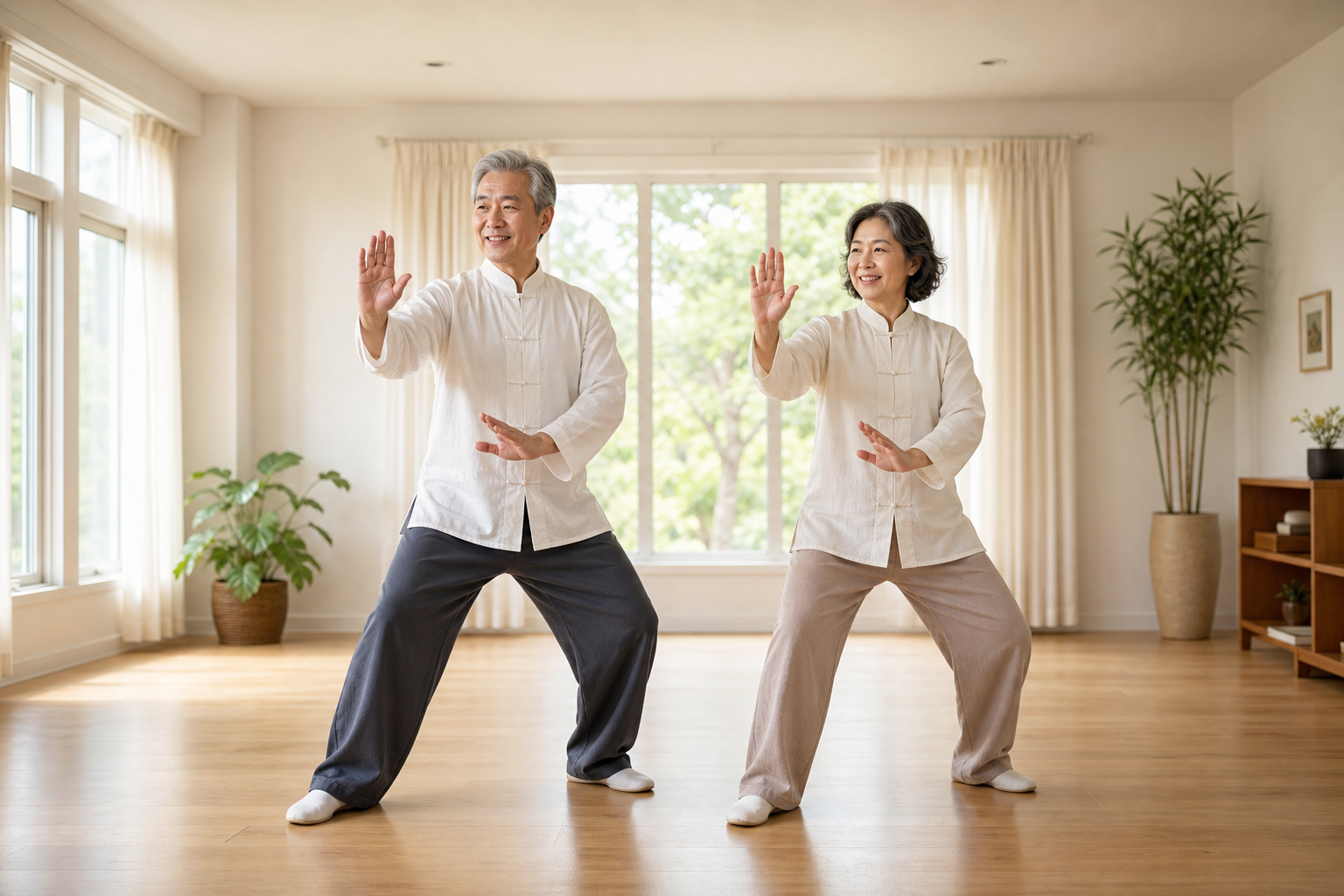
Quick Tips for Maximizing Tai Chi Benefits (With or Without Classes)
- Warm up gently: March in place, open and close your fists, do a few slow knee bends
- Focus on posture: Imagine a string lifting the crown of your head
- Breathe deeply: Exhale with each slow movement—tai chi is as much about breath as motion
- Use support as needed: Practice near a sturdy chair or countertop if you’re worried about balance
- Be patient with pain: Some discomfort is normal; sharp or shooting pains are not—back off if needed, and discuss with your provider
And if you pair tai chi with tools like the NEENCA Professional Knee Brace for stability, or rely on the exercises in Treat Your Own Knees for extra strength, you may find the transition to easier movement comes sooner than you think.
Takeaways: Tai Chi Is Simpler—and Smarter—Than Most People Realize
So, is tai chi the answer for everyone with arthritis or balance challenges? No—nothing is. But it punches far above its weight when it comes to restoring confidence, lubricating joints, and yes, lowering your fall risk. The science, the real-world stories, and my own clinical experience all agree on this point.
Here’s my challenge: Try a class. Or five minutes at home. Notice how you feel—not just your joints, but your mood, your energy. Pair it with smart tools and a bit of patience, and you just might surprise yourself. If you have questions, shoot me an email—my clinic inbox is always open for readers.
To healthier joints and steadier steps,
Dr. Sarah Mitchell, DPT
Senior Health Editor, JointReliefReviews