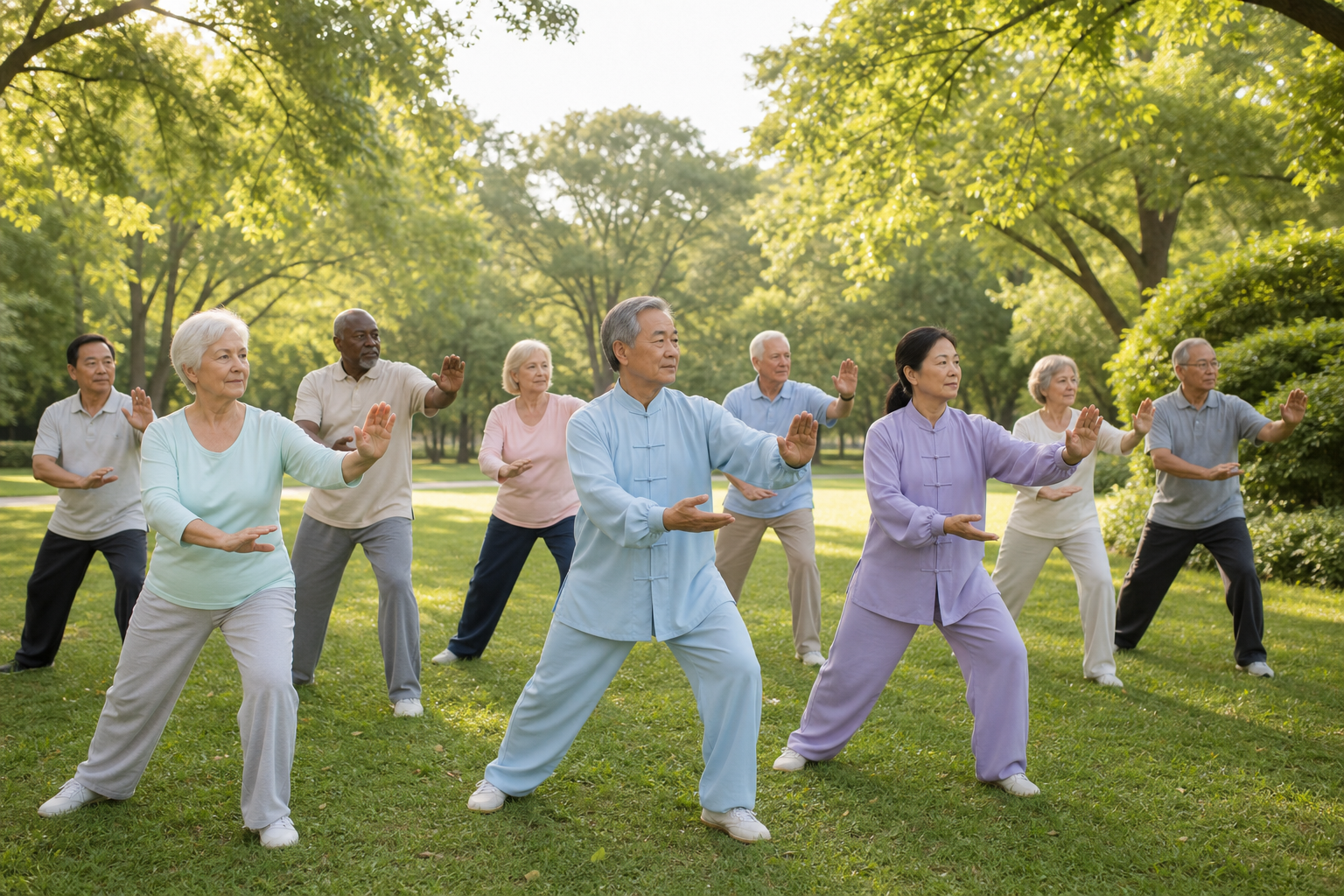
Tai Chi Benefits for Arthritis and Balance: Real Talk from a Skeptical Trainer
Years ago, I watched my father-in-law—stubborn, stoic, lifelong runner—shuffle across the kitchen, wincing with every step. Osteoarthritis had turned his knees into rusty hinges. Physical therapy helped, a little. The real kicker? Six months into a local community center tai chi class, his limp was gone. Not overnight, not magic—but gone. That’s when I stopped rolling my eyes at tai chi demonstrations and started digging into the research. Turns out, the science is nearly as graceful as the movement itself.
Why Tai Chi? (And Why Not Just Yoga or Walking?)
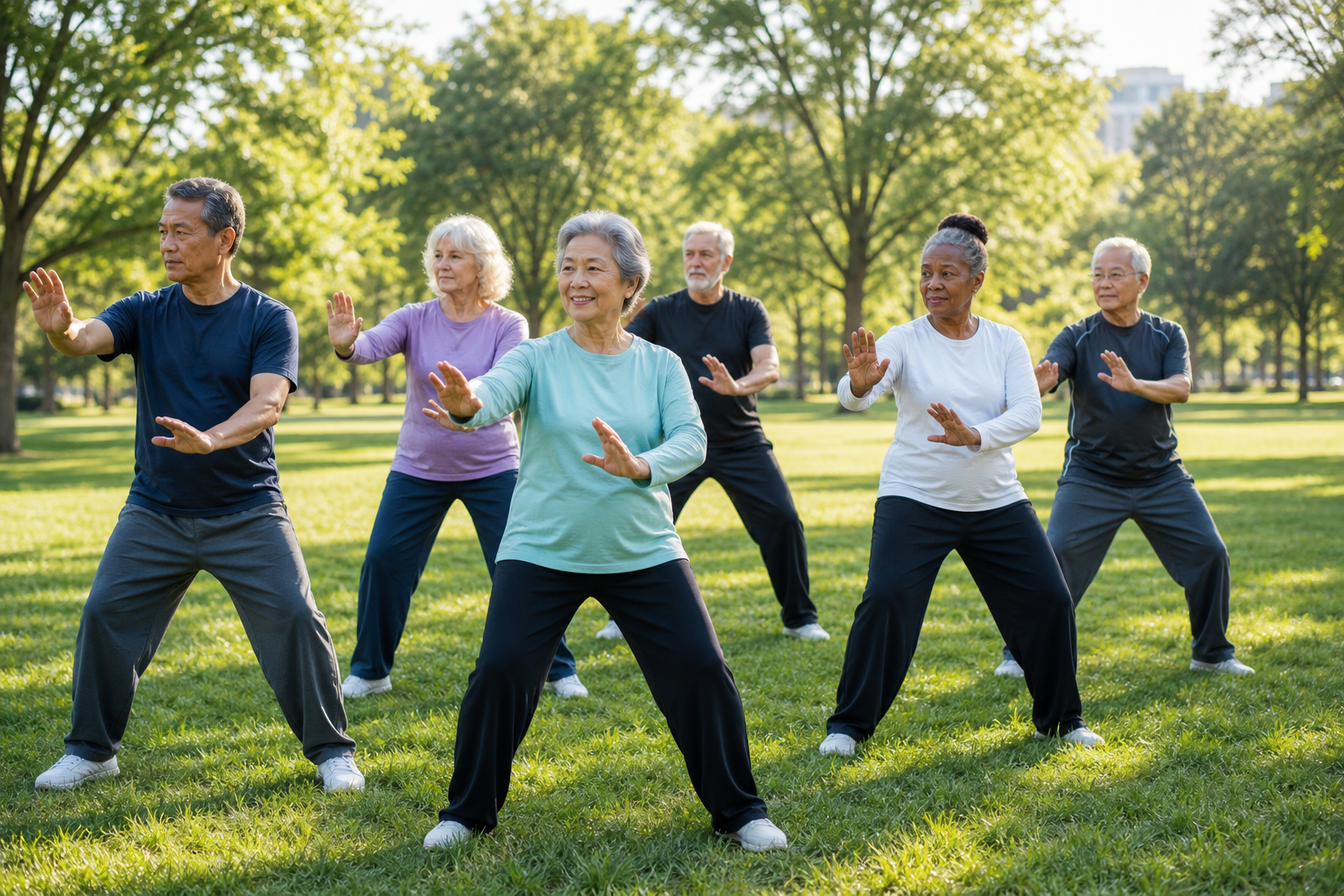
Look, if you’re anything like the folks I see in my clinic, you may already be skeptical of yet another “ancient secret” for joint pain. But here’s the thing: most forms of gentle movement are good for joints, on paper. Tai chi, though, is unique. It’s slow. It’s mindful. And—it’s shockingly effective for two things that become mission-critical after 50: arthritis relief and balance.
According to the Journal of Rheumatology (2016), a review of over a dozen randomized controlled trials found that tai chi not only reduced joint pain but also improved physical function in knee osteoarthritis. Not by a little—by 20-30% decreases in pain scores compared to control groups after 12 weeks. That’s on par with some NSAIDs, minus the stomach ache.
But wait, there’s more (I know, I sound like an infomercial, but stick with me). The balance gains aren’t just anecdotal. Fall risk dropped by up to 47% in older adults after regular tai chi practice, per a BMJ meta-analysis from 2017. That’s a life-changer if you’ve ever caught yourself teetering after tripping over a rogue shoe or a grandkid’s Lego set.
The Daily Struggle: Why Joints and Stability Are So Hard After 50
If you’re nodding along, you’re not alone. Arthritis hits 1 in 4 adults in the U.S.—and that stat jumps higher once you cross 60. The pain is real. But the more sneaky danger is loss of stability. You wake up, joints stiff, knees creak. Stand too fast, and suddenly the world tilts. Maybe you’re scared to step off a curb, let alone try a new group class. I get it. I’ve watched proud, athletic people retreat from the world because one bad fall shattered their confidence.
Why does this happen? Short version: cartilage thins, muscles weaken, proprioception (your brain’s map of your body) gets fuzzy. Meds help, but can’t fix the nervous system. And exercise? Most people overdo it or avoid it entirely—both extremes make symptoms worse.
How Tai Chi Works Its Magic: Simple Science, Real Results
Tai chi’s secret isn’t just that it’s “gentle.” It’s precise. Every movement—think shifting your weight, bending knees, slow rotations—trains your joints, muscles, and balance reflexes together. Your nervous system gets a workout, too.
- Reduces Joint Stress: Unlike jumping jacks or squats, tai chi is low to no-impact. Movements are done slowly, so there’s less jarring force through knees, hips, and ankles.
- Improves Flexibility: Regular practice actually increases range of motion. A 2015 study in Arthritis & Rheumatology found participants gained an extra 10 degrees of knee bend after eight weeks. That’s huge when every step feels stiff.
- Strengthens Stabilizer Muscles: Those tiny muscles around your knees and hips? Tai chi wakes them up. That’s one reason it’s now prescribed by some physical therapists for fall prevention.
- Trains Proprioception: Think “body GPS.” Tai chi routines subtly rewire your sense of where you are in space, dramatically reducing tripping and stumbling.
- Mind-Body Bonus: Stress makes pain worse, period. The meditative aspect of tai chi lowers cortisol, which may explain why people report less pain even when the joint damage itself hasn’t changed.
And here’s where it gets interesting: the effects last. Studies show improvements in pain and balance stick around for months even after you stop regular classes. That’s rare for any rehab intervention, let alone something you can do for free in your living room.
What Does the Research Actually Say?
I’ve read hundreds of papers (yes, I’m that kind of nerd). The best ones use large sample sizes and real-world people, not just fit 30-year-olds. One 2018 clinical trial in the Annals of Internal Medicine assigned 204 people with knee OA to either tai chi, physical therapy, or education-only groups. After 12 weeks, the tai chi group had just as much pain reduction as PT—but better gains in mood and more willingness to stick with movement long-term.
Another meta-analysis from 2020 (this time in Physical Therapy) looked at 15 studies on balance and fall prevention. Across the board, tai chi slices fall risk dramatically—even better than yoga, especially for folks over 65.
But, a dose of real talk: tai chi isn’t a panacea. It won’t regrow cartilage. It won’t make your 20-something knees come back. But if you want practical, side-effect-free improvement in pain and balance? It’s as close as we get to a slam dunk in joint rehab.
Getting Started: Do You Need a Teacher, or Can You DIY?
Here’s where most people get stuck. The thought of joining a group class—maybe in a drafty church basement, maybe with more incense than you bargained for—can feel intimidating. But you don’t need fancy pants or a guru. Home practice works. In fact, studies suggest 15-20 minutes a day is enough to see early benefits after 6-8 weeks.
Some people do better with structure. I’ve recommended books like Treat Your Own Knees by Jim Johnson, PT—yes, it covers more than tai chi, but it’s a great blueprint for creating gentle routines (with clear illustrations, which my mother-in-law swears by). Or, search for tai chi on YouTube and find a qualified instructor (pro tip: look for folks certified by major tai chi associations, and always check reviews).
What If You Have Bad Knees (Or a History of Falls)?
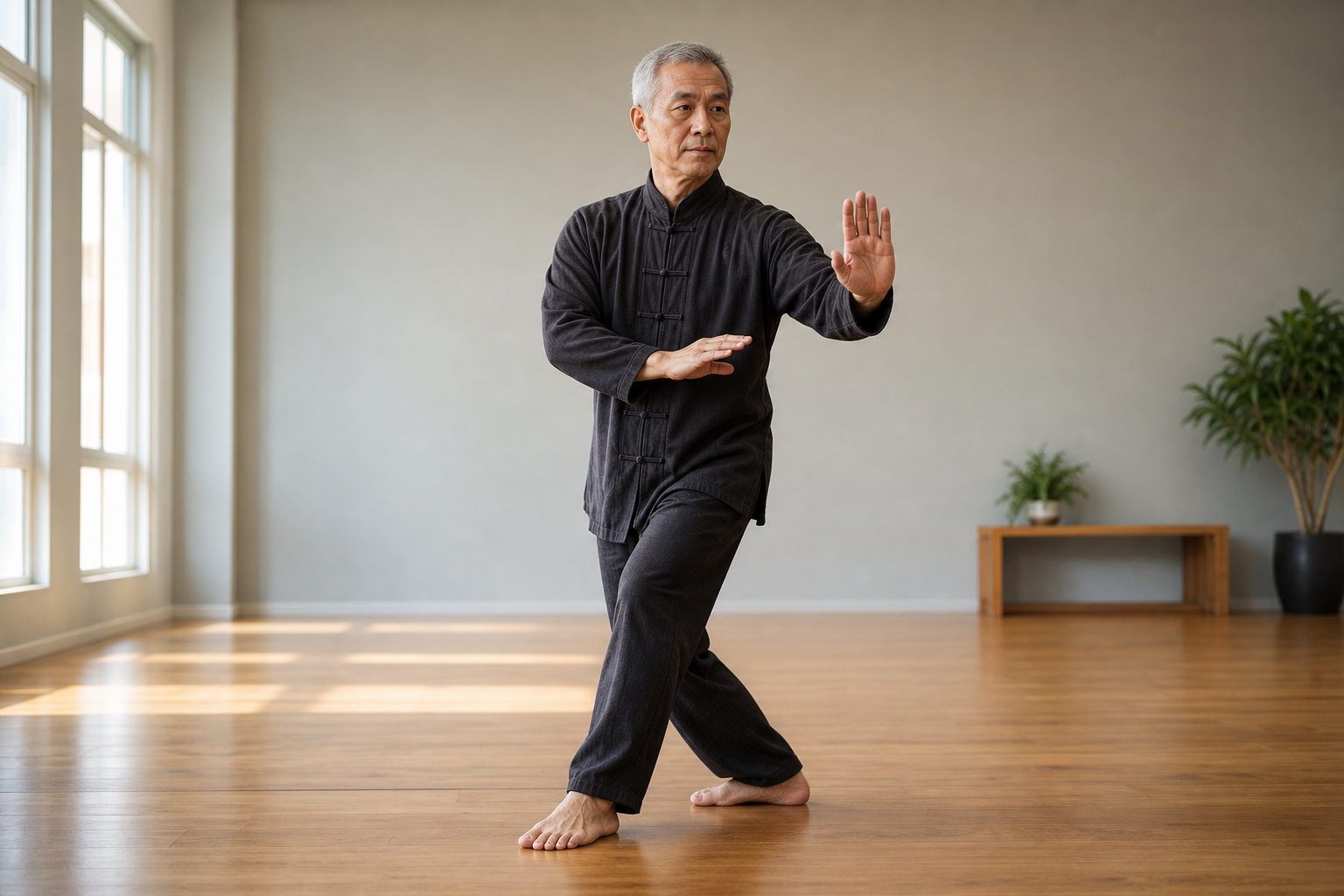
Good question. If you’re already unsteady or your knees are especially cranky, start slow. Use a chair for balance. Wear supportive shoes, or go barefoot if your home is safe. There’s no shame in modifying moves. (I’ll be honest—I used a kitchen counter for balance for my first 10 sessions.) Tai chi meets you where you are.
For extra support, sometimes gear helps—especially if you’re worried about joint stability while learning. Some of my readers like the NEENCA Professional Knee Brace, which offers medical-grade compression and side stabilizers. It’s easy to adjust, and the gel pad helps with lingering meniscus pain (I’ve tried it during balance drills, and it made a difference—just don’t let it substitute for good form).
But always—talk to your doctor before starting any new exercise, especially if you’ve had recent falls, surgery, or heart conditions. Safety first.
Other Lifestyle Boosts: What Helps Tai Chi Work Even Better?
No treatment exists in a vacuum. If you want maximum benefit, stack the odds in your favor:
- Warm Up (and Cool Down): A heating pad like the Pure Enrichment PureRelief XL Heating Pad can relax muscles before class or after. The moist heat option is my go-to for stubborn hip joints on cold mornings. (Game-changer for post-tai chi recovery, if you ask my wife.)
- Stay Consistent: 2-3 sessions per week minimum is where the research says the "magic" happens. More is better—but skip days if you’re flared up.
- Track Progress: Jot down stiffness, pain, and balance incidents weekly. You’ll notice small wins first, then bigger ones as months go by.
- Hydration and Nutrition: Hydrated tissues move better. Aim for 60-70 oz water/day and include omega-3s (salmon, walnuts, flax) if you can.
- Join a Community: Whether it’s a local senior center or an online forum, folks who share your struggles keep you motivated. One of my clients met her new best friend in a Zoom tai chi class last winter.
How Does Tai Chi Compare to Medications or Physical Therapy?
This one’s tricky—and not a competition. Meds like NSAIDs or Voltaren gel offer quick relief but don’t fix the core problem (and long-term side effects add up). Physical therapy is targeted, but insurance often limits sessions. Tai chi bridges the gap: less expensive, fewer side effects, and—when done right—just as effective for mild to moderate arthritis and balance needs.
Most articles won’t tell you this, but: Tai chi’s value isn’t just in single movements. It’s the accumulation—tiny neural rewiring, micro-strengthening, and confidence boosts that snowball over months. I’ve seen patients who plateaued in PT make new gains after adding tai chi. No, it’s not "either/or." The best plans blend all three.
Real People, Real Progress: Anecdotes from the Field
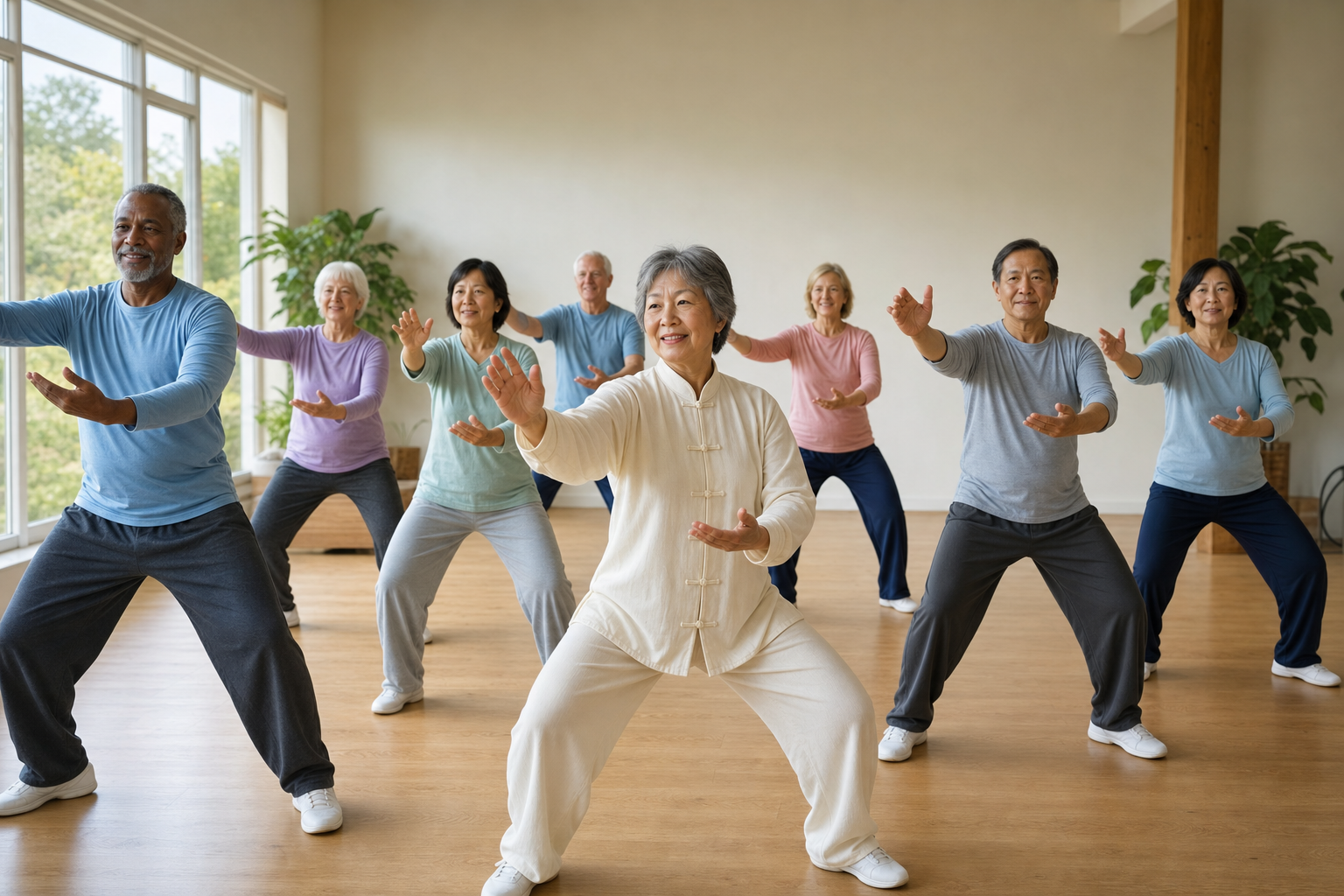
I could rattle off more studies, but nothing beats lived experience. Last spring, a reader from Wisconsin emailed me after six weeks of morning tai chi (she started with online videos and wore a basic knee sleeve). Her note: “I can walk to the mailbox without stopping. I’m not afraid to garden anymore.” That’s the win that matters.
Or take my old running buddy, who swore he’d never join anything called "meditation in motion." Fast forward three months—he’s leading the local men’s group in their "Wave Hands Like Clouds" sequence. Joints still creak, but his posture is upright, and his step is steady. "It’s the first time I’ve trusted my body in years," he told me. There’s wisdom in that humility.
The Honest Limitations: Who Should Use Caution with Tai Chi?
Tai chi is safe for most adults, but there are exceptions. If you have severe cardiac conditions, uncontrolled high blood pressure, or advanced neuropathy, work with your doctor to set boundaries. Some forms (like Chen style) are more vigorous—stick to Yang or Sun style if you want maximum joint-friendliness. And, never push through sharp, stabbing pain. Mild soreness is OK; joint agony means stop.
One last thing: progress is slow. Most folks see their first real gains after a few weeks. Six to 12 weeks is the research-backed "sweet spot." If you’re a "results now" type, tai chi may test your patience. But for those who stick with it, the payoff is real. I see it every year, every class.
What About Products? My Honest Take
Let’s be real. Tai chi is best when paired with practical aids, not replaced by them. If balance is your main concern, a supportive knee brace like the NEENCA Professional Knee Brace can give you confidence as you try new moves. For recovery or warming up, the PureRelief XL Heating Pad has helped dozens of my clients (and my own post-run knees). And for structured exercise plans, Treat Your Own Knees is a steal at $11 and surprisingly well-illustrated for the price.
No hard sell—just what I’ve seen work in real life. Use them if they help you stay consistent. That’s the end goal.
Bottom Line: Small Steps, Big Change
Tai chi won’t cure arthritis. It won’t erase decades of knee wear and tear. But for pain relief, better balance, and a renewed sense of control over your body? I’m not gonna lie—it’s one of the few "alternative" practices I now recommend routinely. Science backs it up. So do my patients, my family, and, yes, my own cranky knees.
Try a class, a video, or a book. Use the gear if you need an edge. But most importantly, start—no matter how stiff, skeptical, or wobbly you feel today. The only regret I’ve heard from patients is that they didn’t start sooner.
Want more practical joint advice, or have a question? Shoot me an email—I really do read them all. (And if you find a tai chi teacher who makes you laugh, send me their name. We all need more of those.)
James Chen, MS, CSCS — JointReliefReviews.com columnist and movement nerd for life