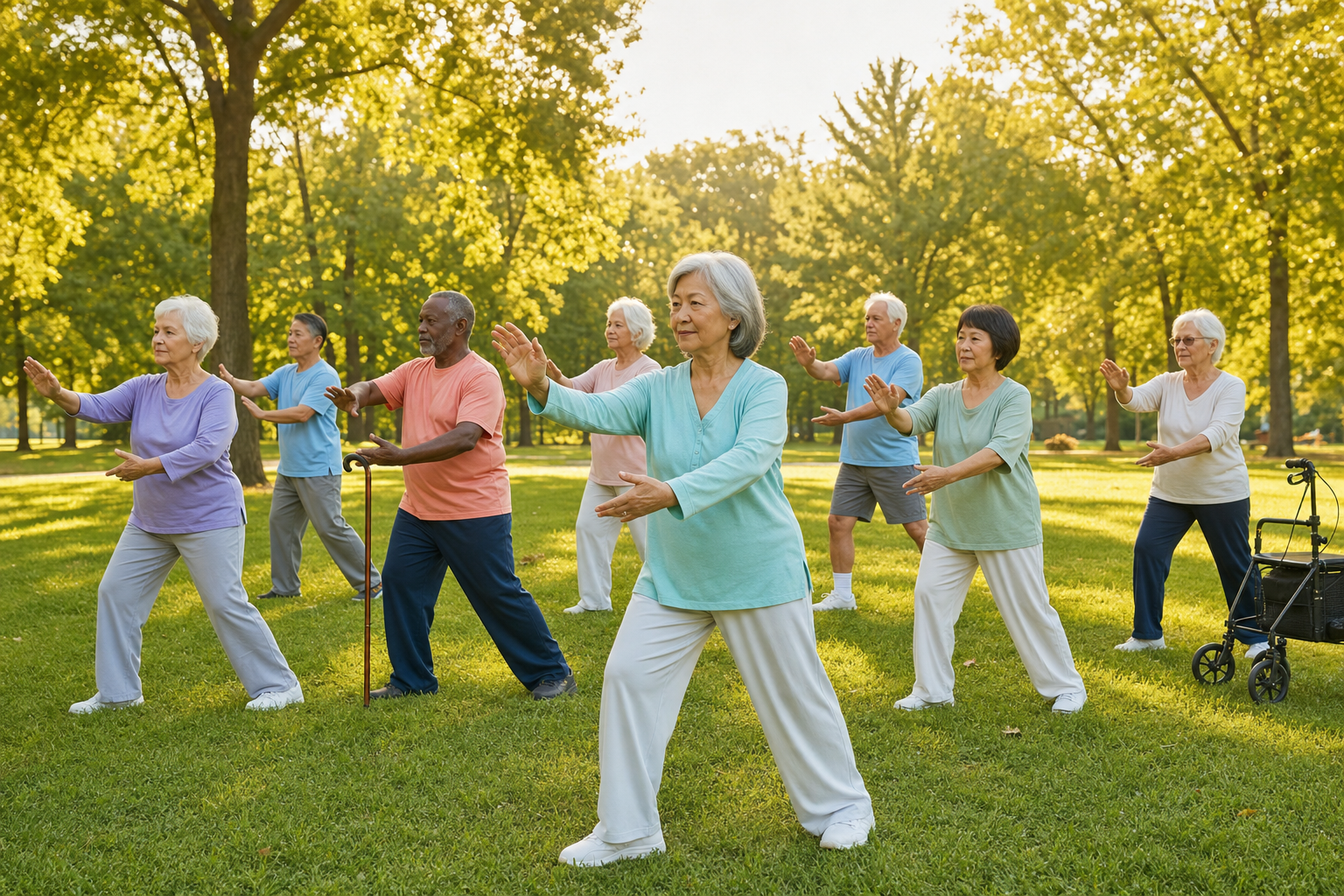
Tai Chi Benefits for Arthritis and Balance: What Actually Works?
I’ll never forget watching one of my dearest patients—let’s call her Mary—shuffle into the clinic on an icy February morning. She was 73, knees swollen from osteoarthritis, clutching her cane like a lifeline. But a few months into her tai chi classes, the transformation was almost cinematic: more fluid steps, fewer grimaces, and best of all, a new sort of quiet confidence. Mary wasn’t suddenly cured. But life was simply easier. That’s the real kicker with tai chi for arthritis and balance—sometimes the changes sneak up on you, subtle but profound.

Why Does Arthritis (and Bad Balance) Feel So Overwhelming?
Look, as someone who spent 20 years wrangling swollen knees, aching hips, and the “I’m scared I’ll fall again” conversations, I get it. Arthritis isn’t just about pain. It’s about everything—the way you plan outings around soft chairs, how you scan sidewalks for cracks, that secret dread before each staircase. And balance? It’s not just a matter of tripping. It’s the silent threat that turns independence into anxiety. If you’re nodding along, you’re in good company. Roughly 24% of adults in the U.S. have arthritis, according to the CDC, and fall risk skyrockets with joint issues. The problem isn’t just the pain; it’s the way arthritis chips away at confidence and mobility, little by little.
Tai Chi: Gentle Moves, Big Science
Here’s the thing: Tai chi looks simple—almost too gentle to make a difference. But after reviewing dozens of studies (and watching patients improve firsthand), I can say with confidence: the research is no joke.
Let’s talk facts. A landmark 2016 study in Annals of Internal Medicine followed 204 adults with knee osteoarthritis. Half practiced tai chi (twice weekly, 60-minute sessions, for 12 weeks). The results? Tai chi delivered pain relief, improved function, and—here’s where it gets interesting—better mood, rivaling what you’d expect from physical therapy. Other research, like the 2009 Arthritis Care & Research review, shows tai chi reduces fall risk by up to 55% in older adults.
The secret sauce is in the combination: slow, flowing movement + mindful breathing + weight shifts. It’s not just exercise—it’s retraining your body to move with purpose, not panic.
How Tai Chi Helps Arthritis (Without Pushing Too Hard)
- Reduces Joint Pain: Multiple randomized trials—like Wang et al., 2010—show tai chi can cut knee pain scores by 20-40%. Not a miracle, but for some, enough to ditch the afternoon pain pill.
- Boosts Flexibility and Strength: The gentle squats, arm swings, and twists actually activate deep stabilizer muscles. Not muscle-bound, but crucial for climbing stairs or getting up off the couch.
- Improves Balance and Reduces Falls: Tai chi trains your ‘proprioception’—your body’s GPS for where your limbs are. A 2012 BMJ meta-analysis showed up to 31% fewer falls after just six months.
- Lowers Inflammation: Some small studies (think J Rheumatol, 2013) hint at reduced CRP and TNF-alpha levels—those nasty pro-inflammatory markers tied to pain flares and joint damage.
- Builds Confidence: The psychological lift is real. Less fear of falling means more activity, which—ironically—means less pain in the long run.
I know this is unpopular, but tai chi isn’t magic. For advanced arthritis (bone-on-bone, major deformity), you might not see dramatic changes. But in early or moderate cases, or even as a gentle adjunct, it’s one of the safest bets out there.
How Does Tai Chi Support Balance for People with Arthritis?
Bodies are smart but stubborn. Years of limping or guarding a sore joint can rewire how you move, and not in a good way. Tai chi works because it gives you back the building blocks of balance: weight-shifting, single-leg standing, and dynamic transitions. It’s not about holding a pose; it’s about learning (or re-learning) how to flow from one step to the next without freezing up.
Here’s something most articles won’t tell you: Traditional balance drills (like standing on a foam mat, eyes closed) can be daunting if your knees already hurt. Tai chi, on the other hand, meets you at your level. Movements can be scaled—so if you can only raise your arms to waist height, that’s fine. If you need a chair nearby, do it.
What Does a Tai Chi Class Really Look Like?
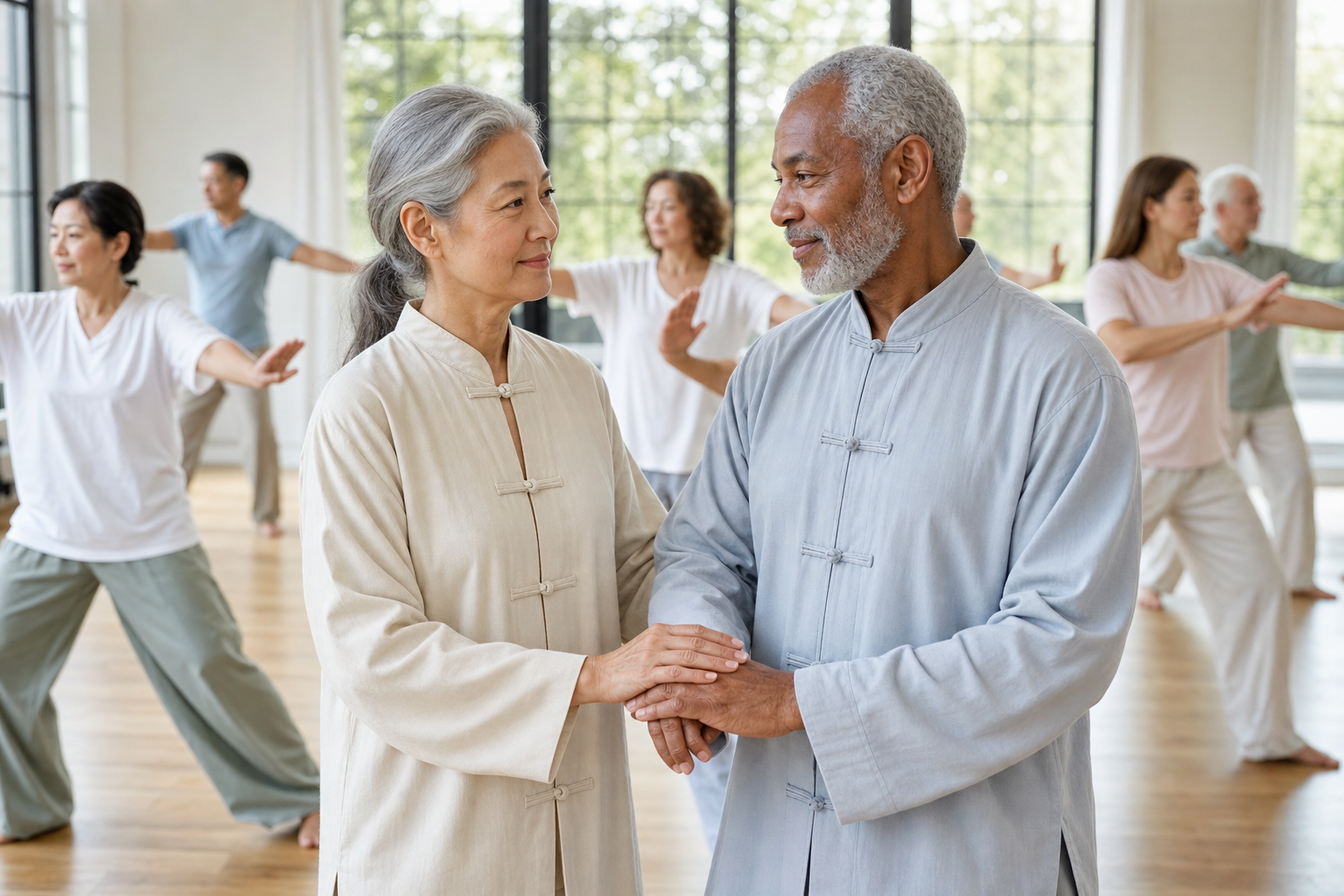
I get a lot of emails from readers nervously asking, “Will I be the youngest one there?” or “Is it all chanting and incense?” Not at all. Most community classes are welcoming, diverse, and focused on movement—not spirituality (though some find the mindful aspect soothing). You’ll usually start with simple warm-ups: rolling the shoulders, gentle ankle circles, slow breathing. Then it’s onto basic forms—slower than walking, emphasizing control.
My advice? Choose an instructor experienced with arthritis or mobility issues. I often recommend local YMCAs, senior centers, or hospital wellness programs. Now, if in-person isn’t your thing (or you can’t find a class nearby), there are some excellent at-home options too—more on that in a minute.
How Soon Will You Feel the Benefits?
Patience is key. In my clinical experience, most folks start noticing subtle changes within 4-6 weeks: a little less morning stiffness, better posture when rising from a chair, or fewer stumbles on uneven ground. But for real, lasting change—aim for 12 weeks of consistent practice. That’s what most of the big studies used. And yes, you’ll have off-days. Stick with it.
Tips to Get Started Safely (and Stick With It)
- Talk to your doctor first—especially if you’ve had recent joint injections, surgery, or cardiovascular issues.
- Wear supportive shoes. Barefoot feels nice, but arthritic feet may need extra cushion.
- Modify movements as needed. Use a chair for balance or reduce the range until you’re comfortable.
- Start with short sessions. Even 10 minutes, two or three times a week, is a solid start.
- If stiffness lingers, consider a topical pain reliever beforehand—I’ve seen good results with Voltaren Arthritis Pain Gel (diclofenac sodium, FDA-approved) for knee or hand pain. It’s not a magic wand, but it can make those first moves less daunting.
- Record your progress. Keep a notebook or use a smartphone app. Noticing little wins over time is incredibly motivating.
At-Home Tai Chi: Is It Worth It?
I’ll be honest—nothing replaces a skilled, in-person instructor if you’re brand new or have complex health issues. But I’ve tested a handful of highly-rated DVDs and books for folks who can’t get to a live class. One favorite is Treat Your Own Knees by Jim Johnson. While not strictly tai chi, it’s a clear, research-backed guide that mixes gentle movement (including tai chi-inspired balance drills) with actual science. The exercises are designed for folks who want to build flexibility and strength without fancy equipment or big expense. My mother-in-law used this after her first cortisone shot and swore by the simple diagrams—invaluable, especially if group classes feel intimidating at first.
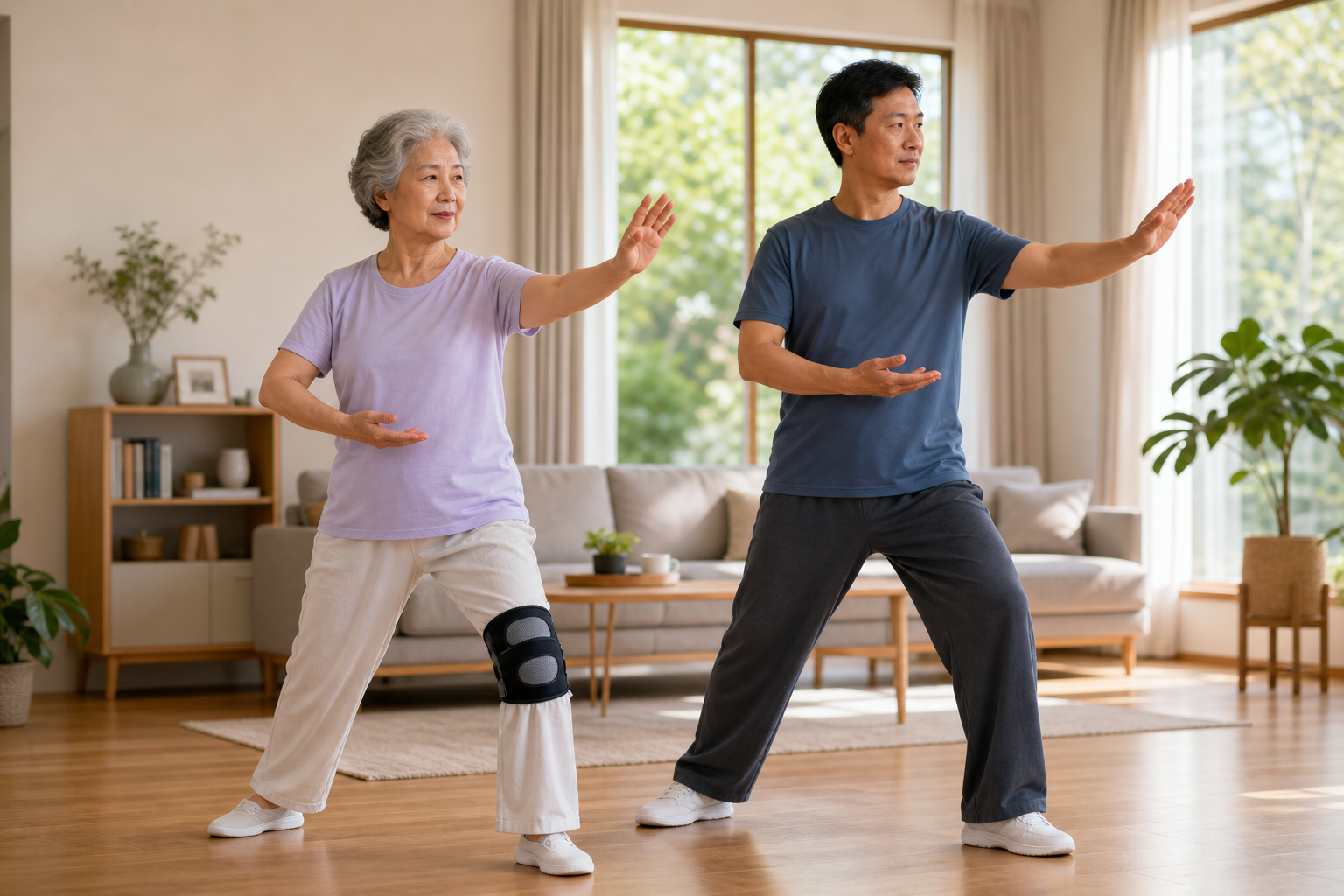
Some readers also pair tai chi with gentle compression support during sessions, especially on creaky knees. I’ve generally recommended the NEENCA Professional Knee Brace for anyone with mild instability or swelling—just be sure it’s not too tight (and check with your doc if you have circulation issues).
Beyond Tai Chi: Integrating Other Tools for Joint Relief
Tai chi is powerful, but (sorry) it’s not a miracle cure or a stand-alone fix. For optimal arthritis management and balance, think ‘toolbox’, not ‘magic bullet’.
- Physical Therapy: If you’re struggling with severe weakness, a few sessions with a PT can customize a routine and spot dangerous compensations before they become habits.
- Topical Pain Relief: As mentioned, products like Voltaren gel can take the edge off stubborn joint flare-ups. The science backs it: a 2011 BMJ meta-analysis found topical NSAIDs significantly reduced pain in hand and knee OA, often with fewer side effects than oral meds.
- Knee Braces: For wobbly knees or during outdoor tai chi, a brace with side stabilizers (like the NEENCA model) can boost confidence and reduce pain.
- Support Groups: Don’t underestimate the power of community. Online forums, local arthritis networks, or tai chi meetups can keep you engaged when motivation dips.
And if you’re worried about doing ‘enough’—that’s normal. Even modest gains in balance and strength can pay lifelong dividends. The goal isn’t perfection—it’s a bit more freedom, a bit less fear.
The Honest Limitations (What Tai Chi Won’t Do)
Most articles gloss over the downsides, but let’s keep it real: tai chi won’t reverse joint damage. If you have advanced cartilage loss, severe deformity, or major instability, you may still need assistive devices or (eventually) surgery. And if you struggle with vertigo, uncontrolled blood pressure, or acute flares, check with your doc before starting any new routine—including tai chi. Also: Not every instructor is created equal. A bad teacher can make even gentle movement risky. If you ever feel dizzy, sharp pain, or more unstable after a class, pause and reassess.
Takeaways: Is Tai Chi Worth It for Arthritis and Balance?
Here’s my professional (and personal) bottom line: for most people with mild to moderate arthritis, tai chi is a low-risk, high-reward practice. The science isn’t hype—it’s robust. You might not float up stairs like a kung fu master, but you could step out with a little less pain, a little more confidence, and a better shot at staying strong as the years go by.
If you’re curious, try a local class or a reputable at-home guide. Pair it with smart joint care—compression if you need it, topical relief as backup, and a good sense of patience. The path isn’t always linear, but progress is possible.
And if you have questions, or want to share your own tai chi story, don’t hesitate to reach out. After all these years, the best advice I’ve ever given was to keep moving—just at your own pace, and with a little grace.
Linda Hargrove, RN
Nurse, health writer, and joint pain realist
JointReliefReviews.com