Why Resistance Bands for Arthritic Knees Changed My Mind
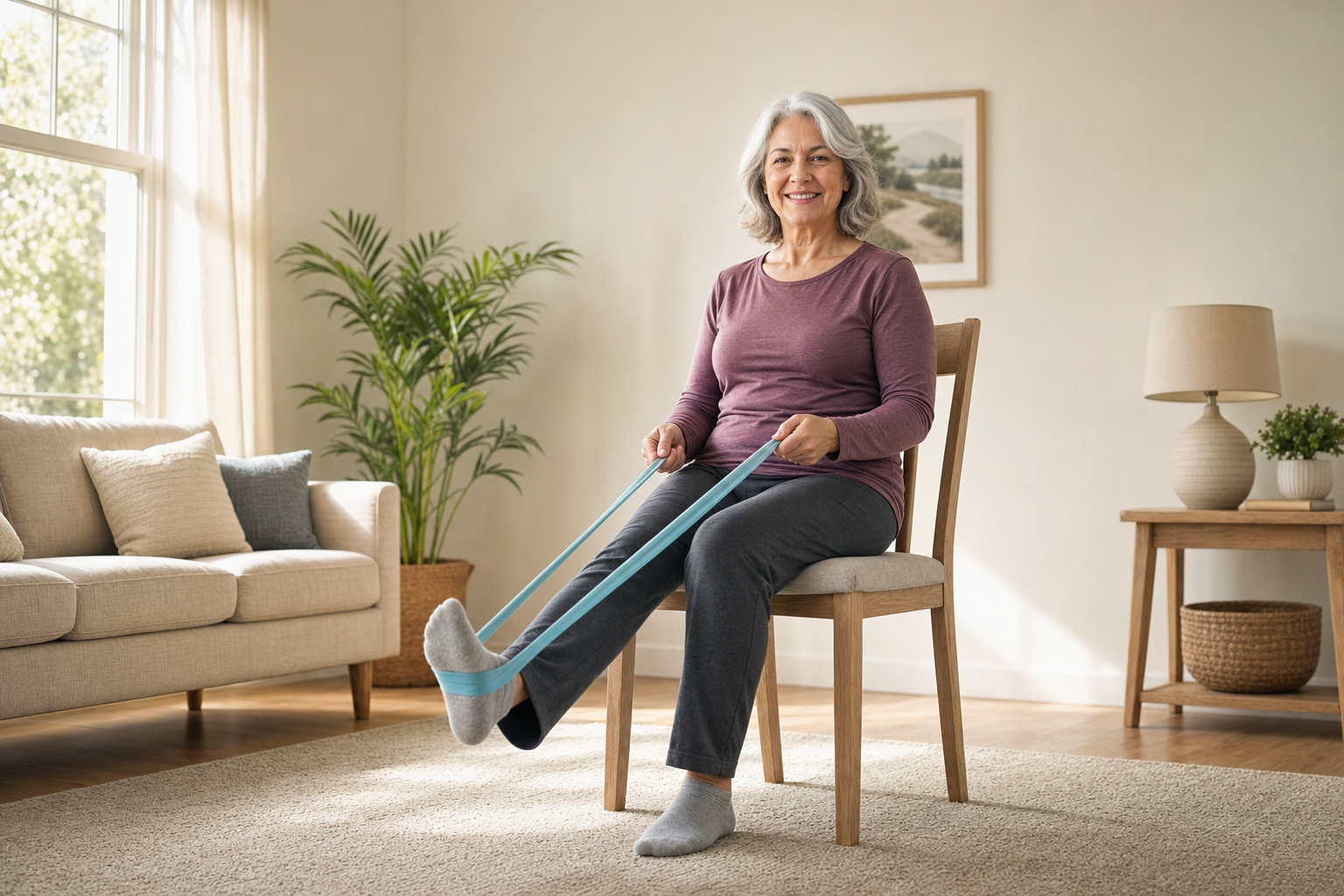
I’ll be honest—when I first started recommending resistance band exercises to my patients with arthritic knees, I was skeptical. Wouldn’t the bands just aggravate pain? But I couldn’t ignore what I was seeing in the clinic and the research: thoughtful, gentle resistance training actually reduces pain for many people, sometimes dramatically. I remember a patient—let’s call her Linda—who hobbled in with swollen knees and left six weeks later doing full squats with a green band. Not pain-free, but grinning. That sort of transformation sticks with you.
The Daily Grind: Living with Arthritic Knees
If your knees creak and ache, you know the routine: standing up feels like an Olympic event, stairs are a cruel joke, and even basic stretches can set off a twinge. I’m not here to sugarcoat it—arthritis pain is exhausting. Morning stiffness, that relentless ache by the end of the day, the way your world seems to shrink because every step is a calculation.
I’ve had dozens of patients tell me the same thing: “Dr. Mitchell, I want to move, but I’m afraid. Every time I try, I pay for it the next day.” And if you’re nodding along right now, I promise—you are not alone.
What’s Actually Happening Inside Your Knee?
Let’s break it down. In osteoarthritis (the most common culprit), cartilage—the cushiony stuff that keeps your joint surfaces gliding—wears thin. The result? Bone grinds on bone, inflammation sets in, and even simple movements trigger pain signals. This isn’t just my clinical opinion; MRI studies published in the Journal of Rheumatology and Arthritis & Rheumatology back it up. You get swelling, stiffness, and (here’s where it gets interesting) muscle loss around the knee.
I know most articles focus on cartilage, but let’s talk about the supporting actors: your quadriceps, hamstrings, and hip muscles. The research is clear—if those get weak, your knee loses stability, pain worsens, and your risk for falls skyrockets. A 2016 study in BMJ Open found that folks with stronger quads had far less pain and better walking speed, even if their arthritis was severe.
So Why Resistance Bands Over Weights?
Good question. Here’s the thing: traditional weights can be intimidating, risky, and (frankly) overkill for arthritic knees. Bands, on the other hand, offer graduated resistance. They’re gentle at the start, harder at the end—mimicking how your muscles naturally generate power. And—this is huge—you can adjust tension instantly, without loading the joint.
Plus, resistance bands are portable, affordable, and easy to use on your “good” and “bad” days alike. That’s why I’ve seen so many success stories in my clinic, especially among folks who thought exercise was off the table.
What the Latest Research Actually Shows
I’m a stickler for data. So, I dug into the latest studies on resistance band routines for knee arthritis. You might be surprised by how compelling the evidence is:
- A 2021 review in Clinical Rehabilitation followed over 400 adults with knee OA. Participants who did band-based strength work reported 30% less pain after 12 weeks compared to controls.
- The Arthritis Foundation actively recommends resistance bands for both knee and hip arthritis, citing benefits for pain, function, and even joint structure.
- One 2020 trial found that band exercises three times a week improved knee extension strength by 27% (measured objectively), with zero increase in reported flare-ups.
To be fair, results vary—a handful of folks don’t respond, and it’s not a cure. But on the whole? The science says it’s safer and more effective than simply resting sore knees.
My Favorite Resistance Band Exercises for Arthritic Knees
Here’s what you really want: the moves I teach day in, day out. I’ll include a mix for all ability levels, and yes—I’ll mention a few tools and products that make the process simpler (and safer). Remember: talk to your doctor or physical therapist before starting any new routine, especially if your arthritis is severe or unpredictable.
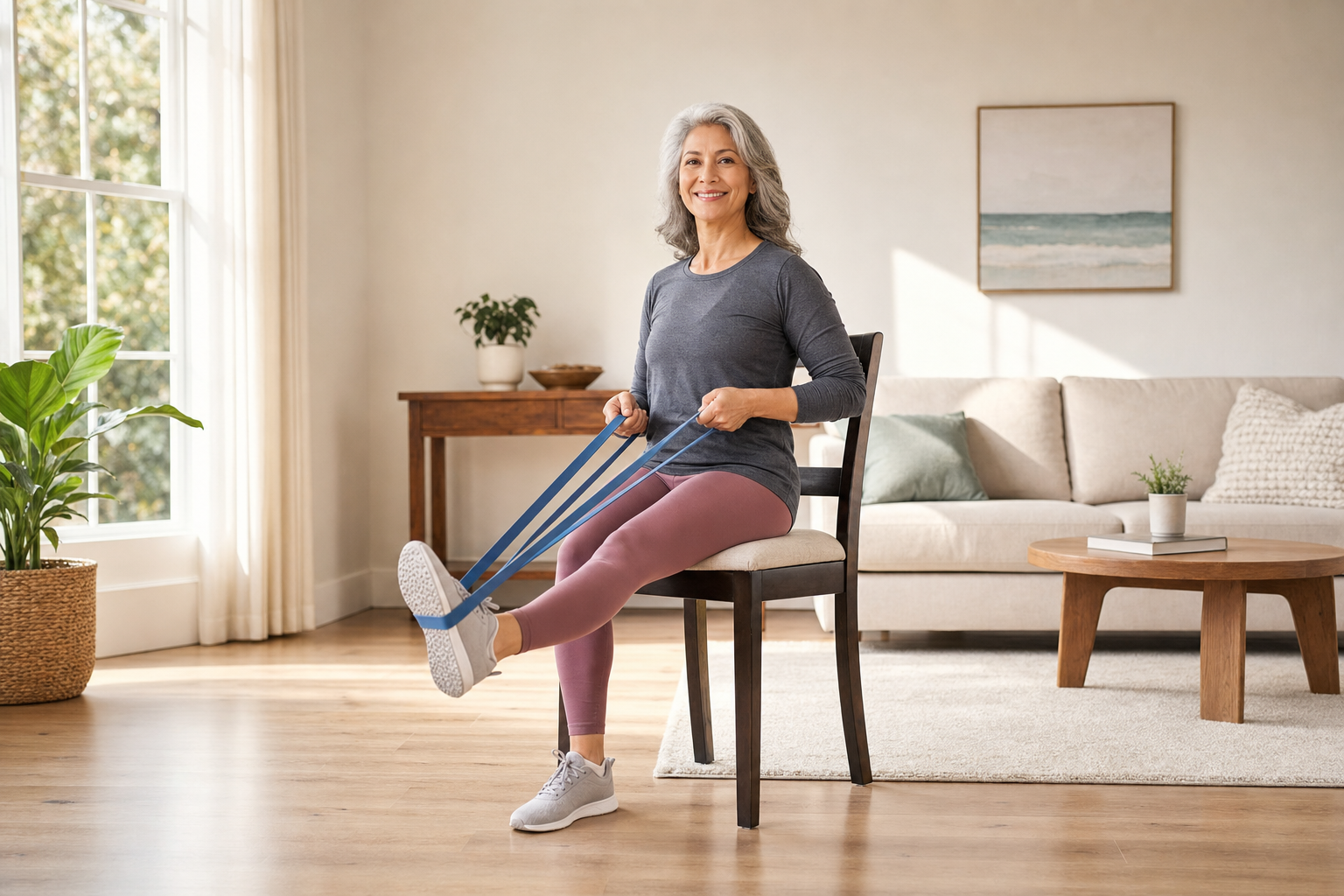
1. Seated Knee Extension (Beginner-Friendly)
- How to do it: Sit tall on a sturdy chair. Loop a light resistance band around your ankle and anchor the other end under the leg of your chair (or have a helper hold it).
- Slowly straighten your knee, hold for 2 seconds, then lower. Repeat 10-15 reps per side.
Why I love it: This move wakes up your quads without joint loading. Great for flare-up days.
2. Standing Hamstring Curl
- How to do it: Stand behind a chair for balance. Loop the band around your ankle and anchor it (door, heavy furniture, or a band anchor). Bend your knee, pulling heel toward your bottom against the band.
- Try for 10-12 reps per side. Start with low resistance, progress slowly.
Personal story: My mother-in-law swears by this one for getting out of chairs more easily.
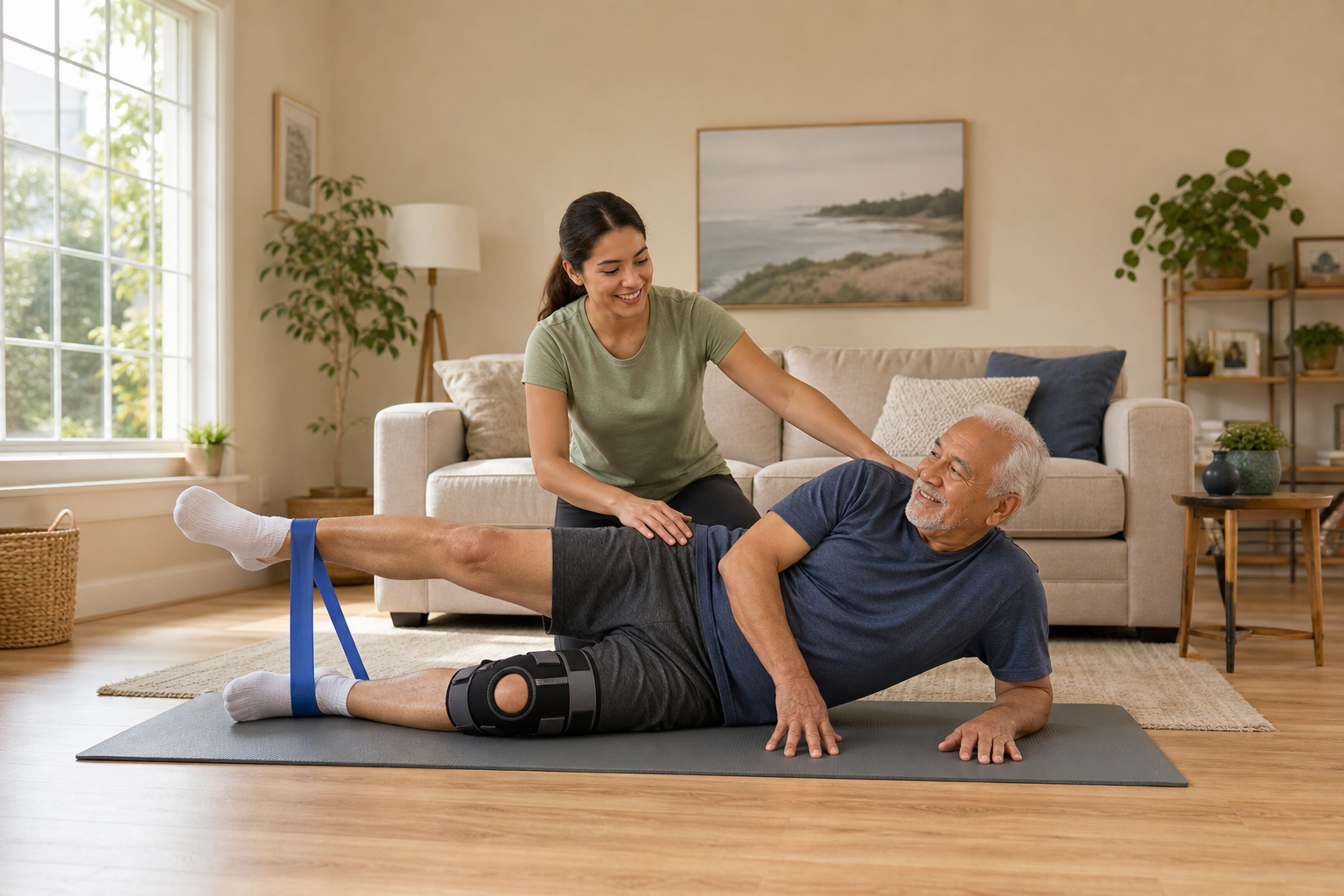
3. Side-lying Hip Abduction
- How to do it: Lie on your side. Place the loop band above your knees. Gently lift your top leg against the band, keeping knee straight.
- 8-15 reps each side. Don’t rush—slow and controlled is the name of the game.
This targets hip muscles that stabilize the knee, often neglected with arthritis.
4. Mini Squats with Band
- How to do it: Stand with feet hip-width, band just above the knees. Gently squat as if sitting back in a chair—do not let knees cave inward.
- Go only as far as comfort allows, 8-12 reps. Hold a counter for balance if needed.
The band encourages knee alignment—a game-changer for those with wobbly joints.
5. Seated Marches (for Balance & Hip Strength)
- How to do it: Sit tall, band looped around both thighs. Alternate lifting each knee against the band, as if marching.
- Work up to 1 minute total.
Surprisingly challenging. I often use this to rebuild balance after falls.
Making It Easier (and Safer): Honest Product Mentions
Look, you don’t need fancy gear to get started. But a few well-chosen tools can make a huge difference—especially if your knees need a little extra support. Here’s what I actually recommend (and have tried myself or with patients):
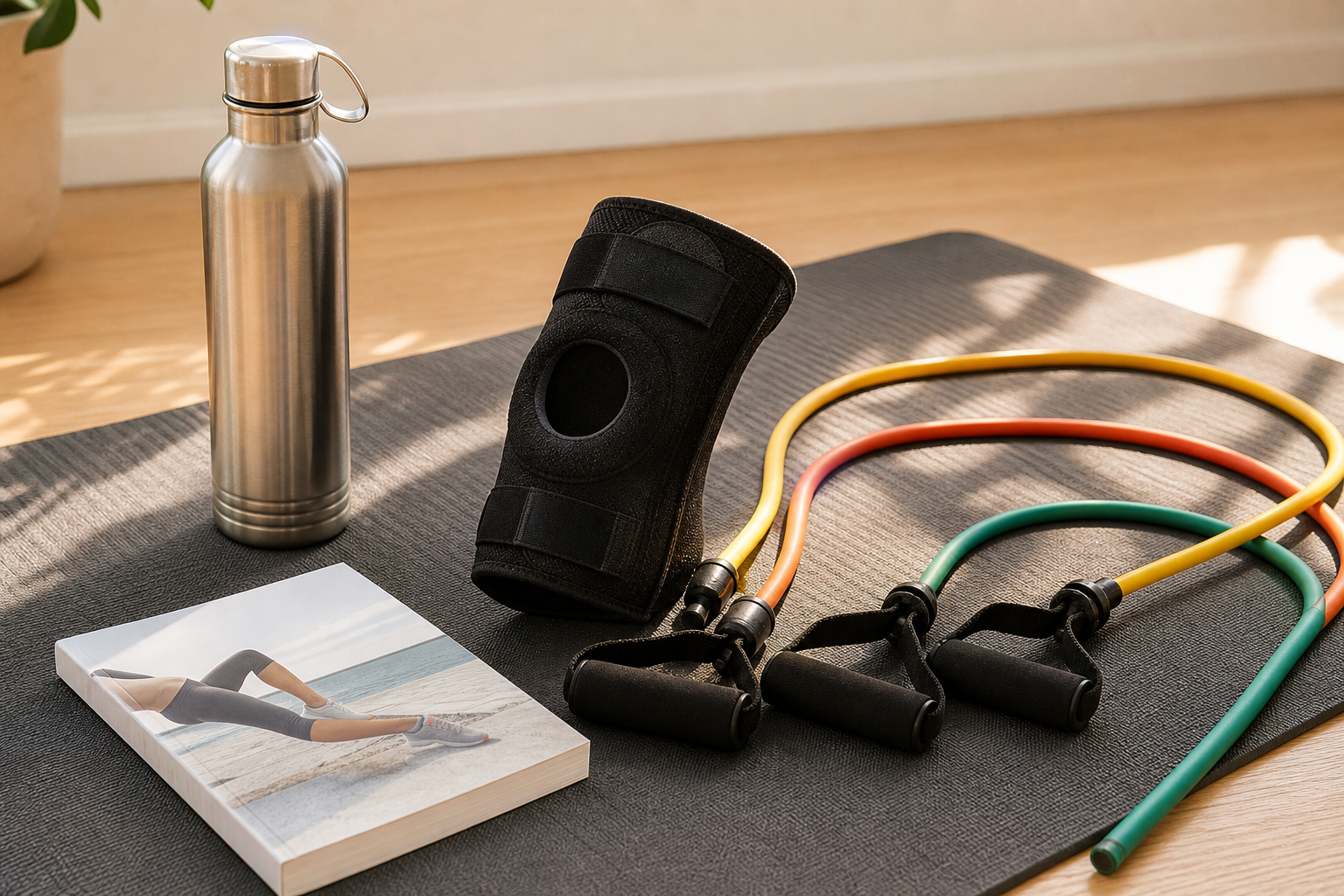
1. Treat Your Own Knees by Jim Johnson, PT
This compact book is on my clinic shelf—and my patients’ nightstands. Johnson lays out clear drawings, step-by-step resistance band moves, and real strategies for building knee strength at home. The best part? It’s not just exercises; he covers pacing, pain flare management, and progress benchmarks. For $12, it beats most online advice. Treat Your Own Knees is especially helpful if you like structure without fluff.
2. Modvel Compression Knee Brace
Here’s where some folks raise an eyebrow—but hear me out. A lightweight, breathable knee sleeve can boost your confidence when starting resistance work (and cut swelling after). The Modvel Compression Knee Brace is sold as a pair, has over 75,000 reviews, and actually stays put (thank you, silicone strips). It’s affordable enough to grab two sets for laundry day.
And if you really need maximum support (severe instability, meniscus tears), I sometimes recommend the NEENCA Professional Knee Brace—but for mild/moderate arthritis, the Modvel is usually enough.
How Often Should You Do Resistance Band Exercises for Arthritic Knees?
Ah, the million-dollar question. “How much is enough? How much is too much?” There’s no single answer—it’s as individual as your fingerprint. That said, most research (and my clinical experience) supports 2-4 sessions per week, aiming for 10-20 minutes per session. The key is consistency—not heroics.
Look, the first week or two might sting a little. That’s normal—your body is learning. But if knee pain spikes and doesn’t settle within 24 hours, dial it back. Slow and steady wins. Don’t forget the basics, either: warm up with light movement, ice after if you’re sore, and—this is important—celebrate the small wins. The first time a squat feels easier? That’s huge. The first time you walk up stairs without clutching the rail? Even bigger.
Common Mistakes—And How to Dodge Them
- Skipping warm-up: I know, you’re busy. But 2-3 minutes of marching in place (or a quick heating pad) can make all the difference.
- Using too much resistance: If your band color makes you sweat just looking at it, it’s too much—for now. Start light. Increase slowly.
- Pushing through sharp pain: Discomfort is okay; stabbing pain isn’t. If you’re wincing, stop and reassess.
- Neglecting hip and glute muscles: Your knees can’t do it alone. Strong hips mean happier knees—trust me, I learned this the hard way years ago.
- Giving up too soon: I’ve seen amazing results—weeks, not days. Stick with it. Track your progress in a notebook (tiny victories matter!).
How Resistance Band Routines Compare to Other Arthritis Therapies
Let’s level with each other—not all arthritis treatments are created equal. Pills can dull pain but rarely build strength. Topical gels (like Voltaren) work for flare-ups but aren’t a long-term fix. And surgery? It’s not for everyone—and should be a last resort in my book.
Resistance band training gives you agency. You’re not just masking symptoms; you’re actively stabilizing your joints, boosting circulation, and possibly slowing disease progression. The research backs this up: band routines performed over months (not weeks) are associated with fewer doctor visits, less swelling, and better day-to-day function. It’s not magic. But it is measurable improvement for many.
Of course, if you need extra pain relief, combining exercise with a topical gel is reasonable. Products like Voltaren Arthritis Pain Gel can help you get through the first few weeks of a new routine—but don’t let the gel do all the work.
Real Patient Q&A: What About Flare-Ups, Swelling, or Bone-on-Bone?
“Dr. Mitchell, what if my arthritis is bone-on-bone?” I get this weekly. Here’s reality: even advanced arthritis can improve with gentle band work. A 2022 case series in Physical Therapy in Sport reported gains in strength and walking speed—even in severe OA—using just two basic band moves and a knee brace for support.
But you must listen to your body. If your knee swells up to the size of a grapefruit, or you develop sudden sharp pain, pause and call your doctor. The right program is always tailored, never one-size-fits-all.
Fresh Takeaways for Healthier Knees
- Start lighter than you think you need. You can always add resistance, but it’s tough to undo a flare-up.
- Combine with gentle aerobic activity—walking, swimming, recumbent biking. It all adds up.
- Invest in small tools (bands, a knee sleeve, a clear exercise guide) for safety and motivation. It’s not about the gear, but the right support can make or break your routine.
- Progress is measured in weeks and months, not days. But if you stick with it, your future self will thank you.
My Closing Advice—And a Gentle Nudge
If you’ve gotten this far, you’re already ahead. You’re looking for real solutions—not just another painkiller ad or “miracle cure.” I’ve watched resistance band routines unlock mobility, confidence, and joy for patients who thought arthritis had closed those doors. Will it solve everything? Of course not. But if you’re willing to try, experiment (and forgive yourself for off days), you might just surprise yourself.
And if you’re feeling overwhelmed, start with two moves—seated knee extension and mini squats. Add a knee sleeve if it helps. Pick up a guide like Treat Your Own Knees for reassurance.
Here’s to stronger, steadier knees—and a life that’s a little bigger than yesterday. If you have questions or want more tailored advice, send them my way (yes, I read every email). Wishing you patient progress and just a bit more comfort today.
Dr. Sarah Mitchell, DPT, has over 12 years of experience treating osteoarthritis and chronic joint issues. She writes for JointReliefReviews.com as Senior Health Editor.