Tai Chi Benefits for Arthritis and Balance: What the Science (and My Patients) Are Teaching Us
"Wait—Tai chi? Isn’t that just slow-motion waving in the park?" That’s what my patient Edna asked me the first time I suggested it for her knee pain. Edna’s 71. She’s been through three rounds of physical therapy, owns more copper-infused sleeves than she can count, and used to be the queen of her local bowling league—until arthritis started stealing her confidence. And balance? She said she felt like she was walking on a ship deck in a storm.
Here’s the thing: I get where she—and maybe you—are coming from. Chronic arthritis isn’t just about joint pain. It’s about the creeping anxiety over stumbles, wavering confidence in your own body, and the irritating feeling that every new "solution" is just more of the same. At least half a dozen readers email me every month, asking if anything gentle and realistic actually works for joint pain and balance. Sometimes the answers are complicated. But when it comes to tai chi? The research is surprisingly solid.
Living With Arthritis: The Never-Ending Balancing Act
Let’s be honest. If you’ve got osteoarthritis (OA) or rheumatoid arthritis (RA), you know the drill—morning stiffness, knees that feel like rusty hinges, hands that refuse to grip the car key. But one of the sneakiest challenges is loss of balance. Studies (see Arthritis & Rheumatology, 2017) estimate that people with knee OA are 30-40% more likely to fall than those without. That’s not just an embarrassing moment you hope nobody saw. Hip fractures, ER bills, months of rehab...it’s the stuff my patients worry about most.
The kicker? You don’t have to be frail or eighty-nothing. Even younger adults with arthritis have higher rates of balance issues and falls. It’s about pain, sure, but also muscle weakness and the way our brain quietly stops trusting our body.
The Science: Tai Chi’s Surprising Power (No Incense Required)
Now, if someone told me a decade ago that a slow-moving martial art would become a frontline arthritis therapy, I’d have quirked an eyebrow too. But starting around 2010, the research just kept piling in.
- Pain Reduction: A 2016 meta-analysis in the Journal of Rheumatology found tai chi reduced osteoarthritis pain by up to 22% compared to standard care. That’s practically on par with low-dose NSAIDs—and with zero risk of stomach ulcers.
- Improved Balance: According to a 2019 study in BMJ Open, older adults practicing tai chi at least twice a week had 58% fewer falls over a year than a control group doing brisk walking. No joke.
- Stiffness and Strength: Tai chi’s gentle weight-shifting moves target small stabilizer muscles that most gym routines miss. That means better joint stability—and confidence—without pounding your knees.
- Mental Benefits: In a 2021 Arthritis Care & Research review, tai chi was linked to reduced anxiety, better sleep, and improved mood in arthritis patients. I see this myself—people start smiling again when they’re not always bracing for the next twinge.
If you’re nodding along, you’re not alone. In my own clinic (and my own family—I made my reluctant mother-in-law try it, and she now swears it's her "weekly tune-up"), tai chi is the single most requested movement class. No leotards required. No sweating buckets. Just gentle, persistent improvement.
How Does Tai Chi Help with Arthritis and Balance?
Here’s where it gets interesting. Tai chi isn’t just about "moving slowly." It’s a set of mindful, coordinated movements focused on shifting weight, rotating joints through their natural range, and syncing breath with motion. This combination triggers several changes:
- Joint Nutrition: Slow, controlled movements bathe cartilage in synovial fluid. That’s like oiling a creaky hinge.
- Muscle Activation: Many arthritis patients (especially with knee OA) develop "quad avoidance"—they stop using their thigh muscles because of pain. Tai chi gently re-engages these muscles without strain.
- Proprioception: Fancy word, simple meaning: it’s your body’s sense of where it is in space. Tai chi drills this with every movement, helping your nervous system trust your balance again.
- Brain-Body Connection: The mindful aspect (focusing on breath and posture) appears to "rewire" anxiety loops that make pain and instability worse, according to emerging MRI studies (Frontiers in Aging Neuroscience, 2022).
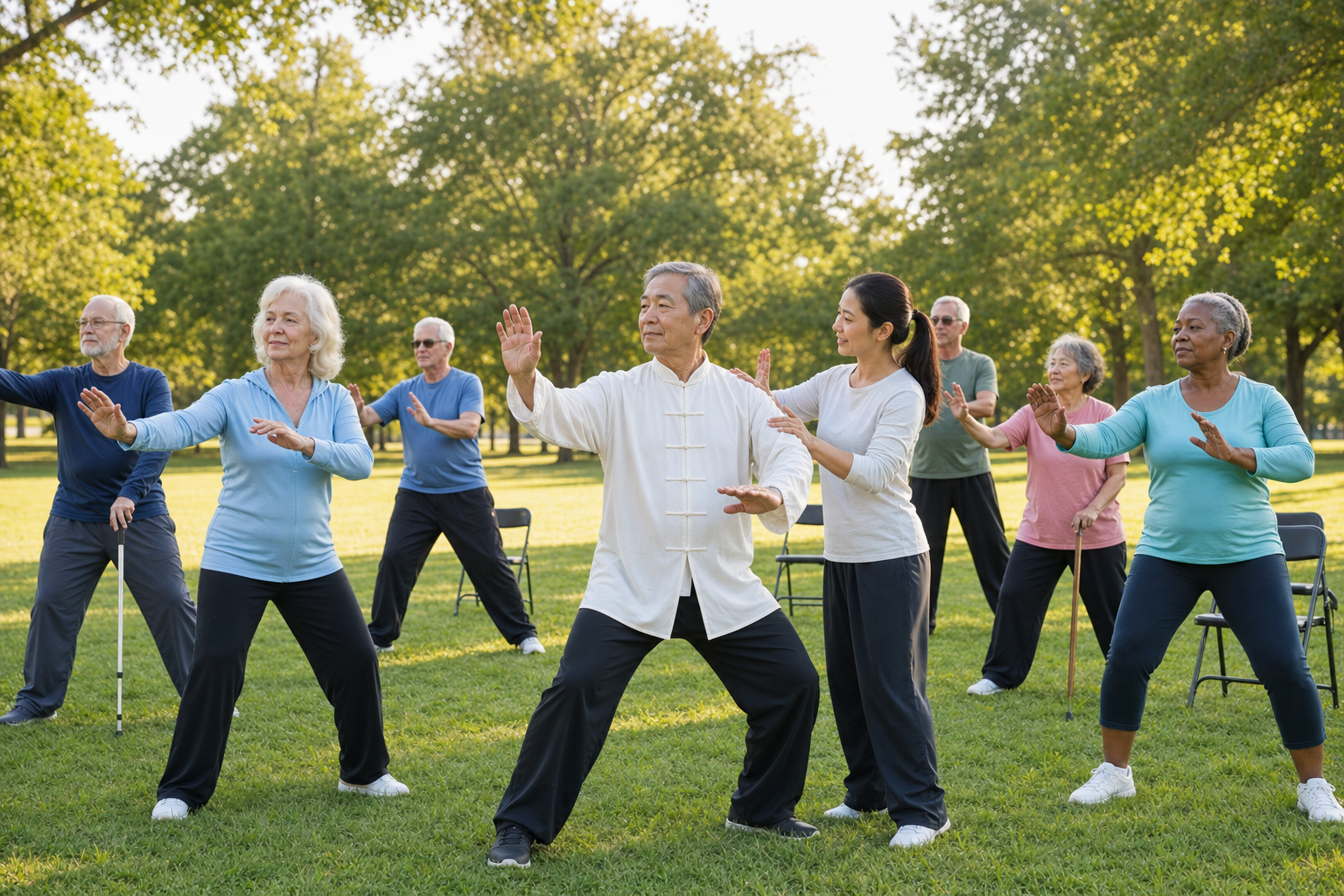
I know some folks are skeptical. "But Dr. Torres, I can barely stand up in the morning!" Here’s the beauty: most tai chi routines can be done seated or with a sturdy chair for support. There’s no grading, no pressure, no expectations—just daily, gentle progress.
What Does a Tai Chi Routine Really Look Like?
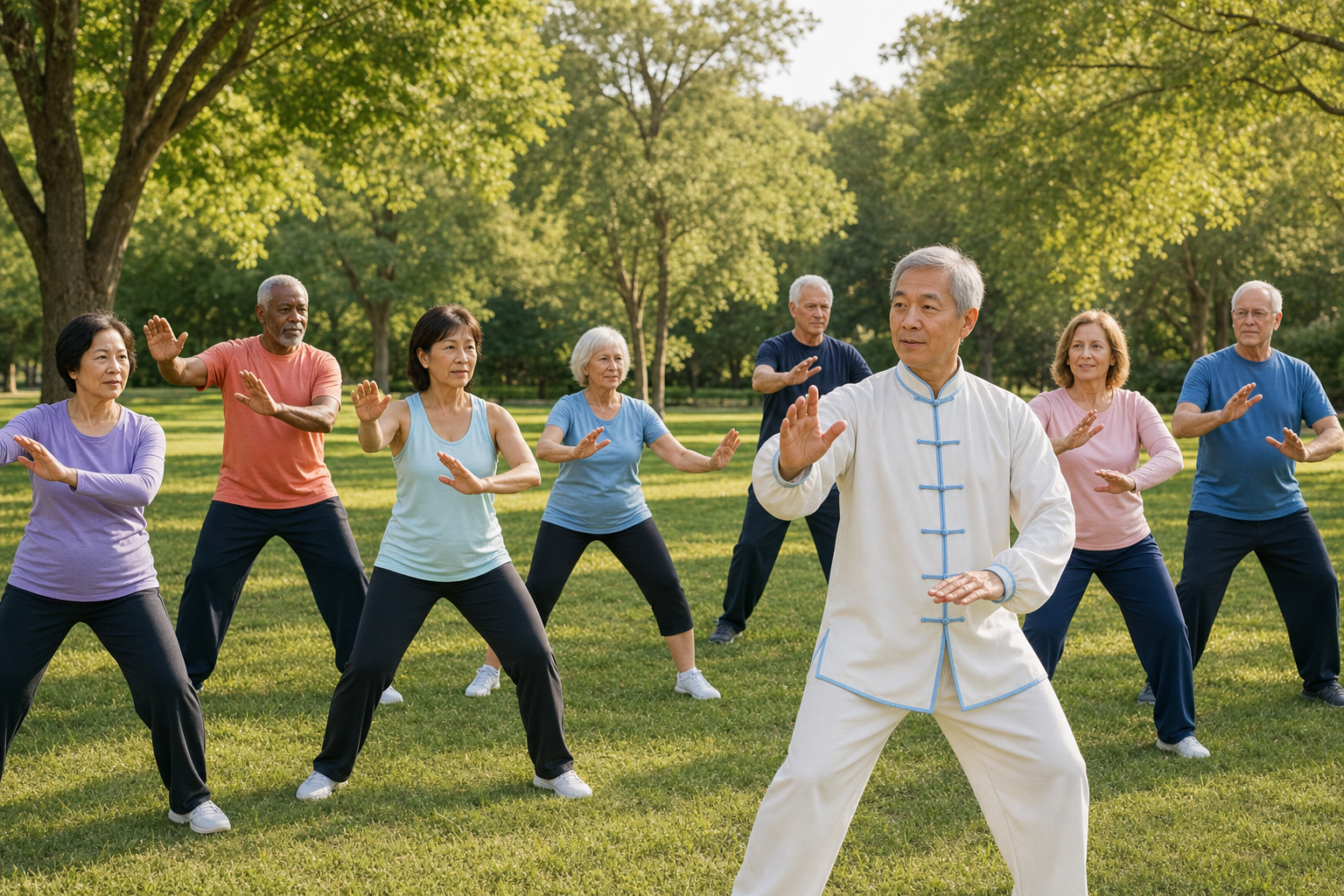
Forget the mystical stuff you’ve seen in movies. In practice, tai chi for arthritis and balance is pragmatic. The Tai Chi for Arthritis protocol, pioneered by Dr. Paul Lam (himself a physician with arthritis), is what I recommend for most beginners. Here’s a taste:
- Warm-up: Gentle shoulder circles, ankle rolls, light breathing (think: "Can I do this in pajamas?")
- Basic Forms: "Wave Hands Like Clouds" (side-to-side weight shift); "Part the Wild Horse’s Mane" (step and reach); "Golden Rooster Stands on One Leg" (the name’s silly, but the balance work is real!)
- Cool-down: Slow arm swings, deep breaths, brief meditation—no yoga mat needed.
That’s it. No fancy gear, no need for special shoes (loafers or slippers work fine). I’ve even led sessions in a retirement home rec room with folks using canes. The biggest challenge is just showing up.
How Soon Can You Expect Results?
Here’s the honest truth—tai chi isn’t a magic pill. But the improvements tend to sneak up faster than you’d expect. In the 2016 Journal of Rheumatology meta-analysis, participants reported less pain and better balance within 6-8 weeks of twice-weekly sessions. Some of my patients notice steadier walking and fewer "wobbles" within a month. The key is consistency, not intensity.
One of my favorite examples was a woman in her late 60s, who told me she finally "trusted her knees again" after a month of seated tai chi. She’d been terrified to go downstairs alone. A few weeks later, she was back to gardening—her version of victory.
Tips for Getting Started (and Avoiding Common Mistakes)
Let’s talk real-world barriers. Most people don’t live next door to a tai chi master. Here’s what I recommend:
- Seek Arthritis-Friendly Programs: Search for "Tai Chi for Arthritis" or "Tai Chi for Balance" classes—either in person or on YouTube. Dr. Paul Lam’s free videos are a great place to start.
- Start Seated or Supported: Don’t let fear of falling stop you. Begin sitting, or use the back of a chair for assurance. I promise, you’re still getting the neuro-muscular benefits.
- Set Modest Goals: Five minutes a day is enough. Really. Don’t chase perfection. Chase progress.
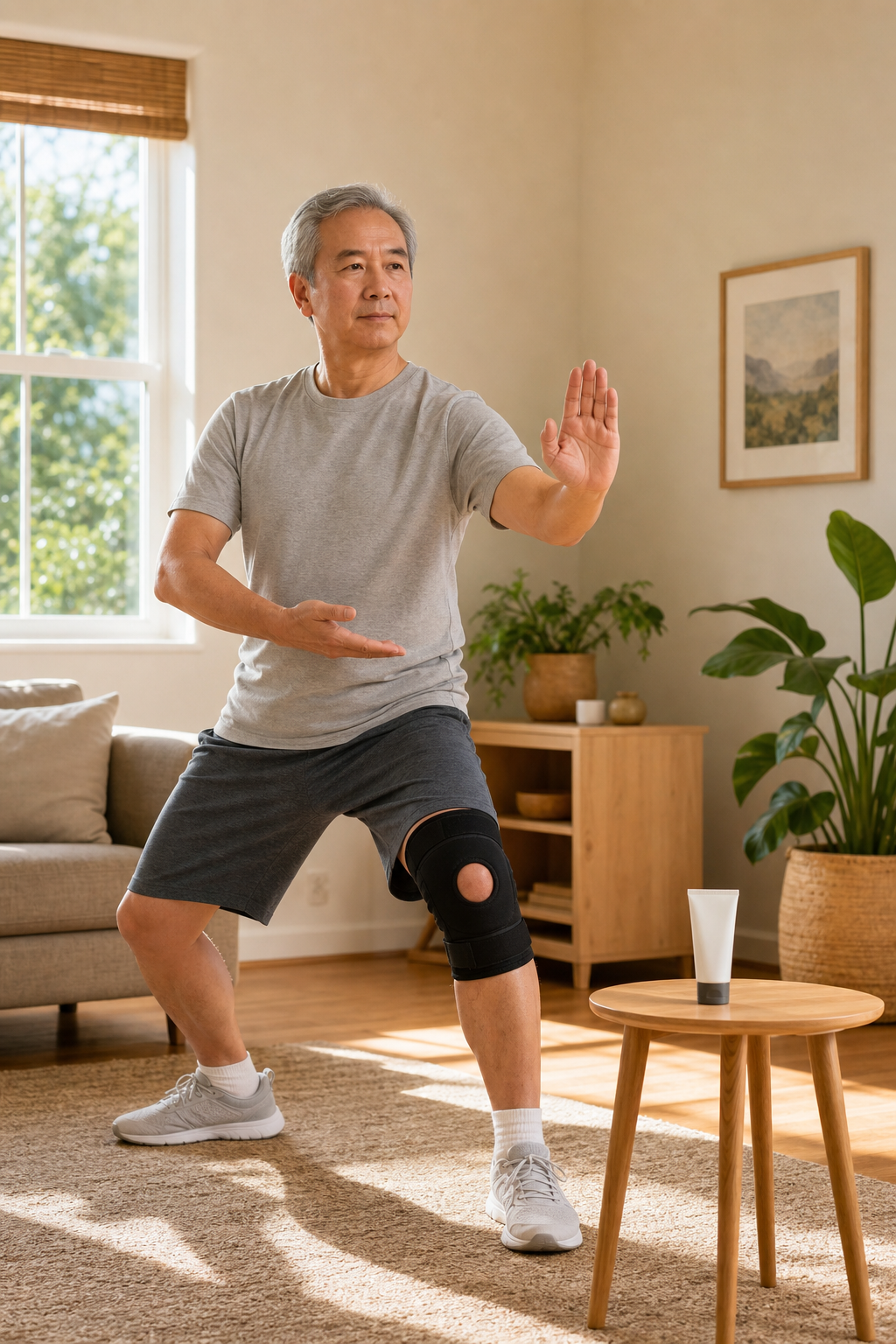
- Use Supportive Equipment: For those feeling extra wobbly, a quality knee brace can boost proprioception and reduce pain during movement. A reader recently shared how the NEENCA Professional Knee Brace gave her "peace of mind" while learning new routines. (I’ve recommended these to patients who want that extra layer of security, especially if stairs or uneven ground are part of their day.)
- Consult Your Doctor: If you have severe joint instability, recent surgery, or uncontrolled heart conditions, check in with your healthcare provider first. There’s a tai chi variant for nearly everyone, but safety always comes first.
And one more thing—go easy on yourself. Progress in tai chi isn’t about how deep your lunge goes or how dramatic your arm sweep looks. It’s about feeling a little less tense, a little more confident, and a lot less afraid of the next step.
Are There Any Risks?
I get this question a lot. The truth is, tai chi is among the lowest-risk exercise modalities for older adults and those with arthritis. The movements are gentle, non-impact, and easily modified. But (and it’s a big but), balance-challenged folks should always have a sturdy chair or countertop nearby until they’re comfortable. Listen to your body—if you experience sharp pain, dizziness, or sudden swelling, pause and check in with your provider. Tai chi is meant to heal, not push your limits.
Combining Tai Chi With Other Tools for Best Results
Most articles won’t tell you this: movement routines are just one piece of the puzzle. For stubborn pain or on "bad days," I’m a fan of layering simple, science-backed solutions:
- Topical relief: A patient favorite (and one I keep stocked at home) is Voltaren Arthritis Pain Gel. It uses FDA-approved diclofenac sodium and lets you keep practicing tai chi without worrying about joint burn after. It’s not a miracle, but for many, it takes enough of the edge off to keep moving. (Remember: always follow dosing instructions and talk to your doctor if you’re using other anti-inflammatories.)
- Home Exercise Guides: Unsure how to start gentle strengthening alongside tai chi? I’ve personally reviewed Treat Your Own Knees by Jim Johnson. It’s simple, visual, and demystifies joint-safe exercises with real science—great for those who need step-by-step coaching between tai chi sessions.
- Consistency Rituals: Whether it’s a post-meal routine, a morning "wake-up," or a bedtime wind-down, anchoring tai chi to daily habits makes it much more likely to stick. I tell patients to tie it to something enjoyable (favorite music, sunlight, even an episode of Wheel of Fortune in the background!).
How Does Tai Chi Compare to Other Balance and Arthritis Therapies?
Physical therapy, aquatic aerobics, yoga—these all have their place. But here’s why tai chi stands out for many arthritis sufferers:
- Accessibility: No pool or fancy machines needed. It can be done in your living room, kitchen, or backyard.
- Joint Friendliness: Unlike yoga, which sometimes demands deep bends or full weight-bearing on sore wrists/knees, tai chi is endlessly modifiable.
- Adherence: A 2020 review in Clinical Interventions in Aging found that older adults "stuck with" tai chi longer than most other exercise interventions. Maybe because it feels less like punishment and more like self-care.
- Mental Edge: Tai chi’s focus on mindfulness helps address the depression and anxiety that sneak in with chronic pain—something most traditional exercises ignore.
I know some physical therapists bristle at this—movement should be "structured," supervised, and measured, they say. But for most arthritis patients, the best exercise is the one you’ll actually do. Tai chi ticks the boxes for safety, enjoyment, and real-world improvement.
What Do My Patients Say?
I could rattle off data all day, but here’s what sticks with me:
- "I haven’t tripped in months, not even on my own area rug."
- "It’s the first time I felt my knees loosen up without pain."
- "I was embarrassed to try, but after a week, I looked forward to it every morning."
These aren’t athletic overachievers. They’re folks wrestling with real arthritis, real fear of falls, and sometimes real skepticism. Tai chi didn’t cure them. But it gave them back a little agency—and sometimes, that’s the biggest win of all.
Quick Q&A: Tai Chi for Arthritis and Balance
- How often should I practice? Research supports 2-3 sessions per week for best results, but even 5 minutes daily has measurable benefits over time.
- Do I need special clothes or shoes? Nope. Comfy, flexible clothing and flat shoes or bare feet are ideal. Don’t overthink it.
- Is it safe after joint replacement? Most surgeons encourage gentle tai chi as part of rehab (once cleared), but always confirm with your orthopedic team.
- Does insurance cover tai chi classes? Rarely, unless bundled with physical therapy. Many community centers offer free intro classes.
My Honest Takeaways
I know this is unpopular with some old-school docs, but if I had to pick one practice for aging joints and confidence on your feet, tai chi wins for accessibility, safety, and evidence. Layer in a supportive knee brace, topical pain gel, and a reliable home guide—suddenly, movement feels possible again, not just aspirational.
Will tai chi make you a ninja or erase all arthritis pain? Not likely. But could it help you feel steadier, sleep better, and greet each day with a little less dread? My patients—and the research—say yes, emphatically.
The Bottom Line: Start Where You Are
You don’t need to buy a silk robe, join a temple, or master "push hands." Just start. Five minutes today, ten tomorrow, a little less pain and a little more trust in your body every week. As always, talk to your healthcare provider before starting anything new—especially if you’ve had recent injuries or surgeries.
And if you want extra support, there’s no shame in reaching for a well-designed knee brace like the NEENCA Professional Knee Brace, a proven pain reliever like Voltaren Arthritis Pain Gel, or an easy-to-follow manual like Treat Your Own Knees. The goal isn’t to be perfect—it’s to keep moving, safely, with a little more hope than you had yesterday.
See you in the park—maybe shuffling, maybe smiling, but always trying. You’ve got this.
— Dr. Michael Torres, DC
Chiropractor, nutrition counselor, and lifelong student of movement