Yoga Poses for Joint Stiffness and Mobility: What Actually Helps?
If you've ever tried to get out of bed and felt like the Tin Man before oil, I know exactly what you're going through. My own introduction to yoga was a desperate attempt to outsmart joint pain in my mid-40s. (Spoiler: it helped, but not overnight.) And just a few weeks ago, a reader emailed: "James, do any yoga poses actually help with joint stiffness? Or am I just going to embarrass myself on the mat?"
Why Joint Stiffness Makes Life Miserable
Let’s be honest: joint stiffness doesn’t just make workouts harder. It sneaks into everything—tying your shoes, carrying groceries, even taking a short walk with your grandkids. If your knees, hips, or hands feel like they need WD-40, you’re not alone. According to a 2022 Arthritis & Rheumatology survey, over 60% of Americans over 50 report daily joint stiffness. That's millions of us creaking around, wishing for easier mornings.
Here’s the thing: stiffness is a natural part of aging, especially if you have osteoarthritis or have spent decades at a desk (hi, fellow office warriors). But it’s not a sentence for immobility. In my years as an exercise specialist, I’ve seen plenty of people regain flexibility and confidence with targeted movement—and yes, a few key yoga poses really can help.
The Science: Why Yoga Works for Stiff Joints
Yoga isn’t just fancy stretching (though, trust me, good stretching is worth its weight in gold). It’s about gentle, mindful movement that nudges synovial fluid around your joints. That’s the body’s natural lubricant—the stuff that keeps your knees and shoulders gliding instead of grinding.
One 2019 trial in the Journal of Rheumatology followed adults with moderate osteoarthritis for 8 weeks. Those who practiced 45 minutes of gentle yoga three times a week reported a 35% decrease in morning joint stiffness. Even more impressive: their functional mobility (think standing from a chair, climbing stairs) improved 20% compared to the control group.
What’s really happening? Slow, repetitive movement encourages joint nutrition—literally drawing nutrients into your cartilage. At the same time, yoga strengthens the muscles that support vulnerable joints, which takes pressure off bone-on-bone contact. Not to mention, it helps with stress. (If you’re like me, tension makes everything feel tighter.)
The Best Yoga Poses for Stiffness: My Proven List
Look, you don’t need to twist into a pretzel to see results. Over the years, I’ve come back to these staples for myself and my clients—especially folks over 50:
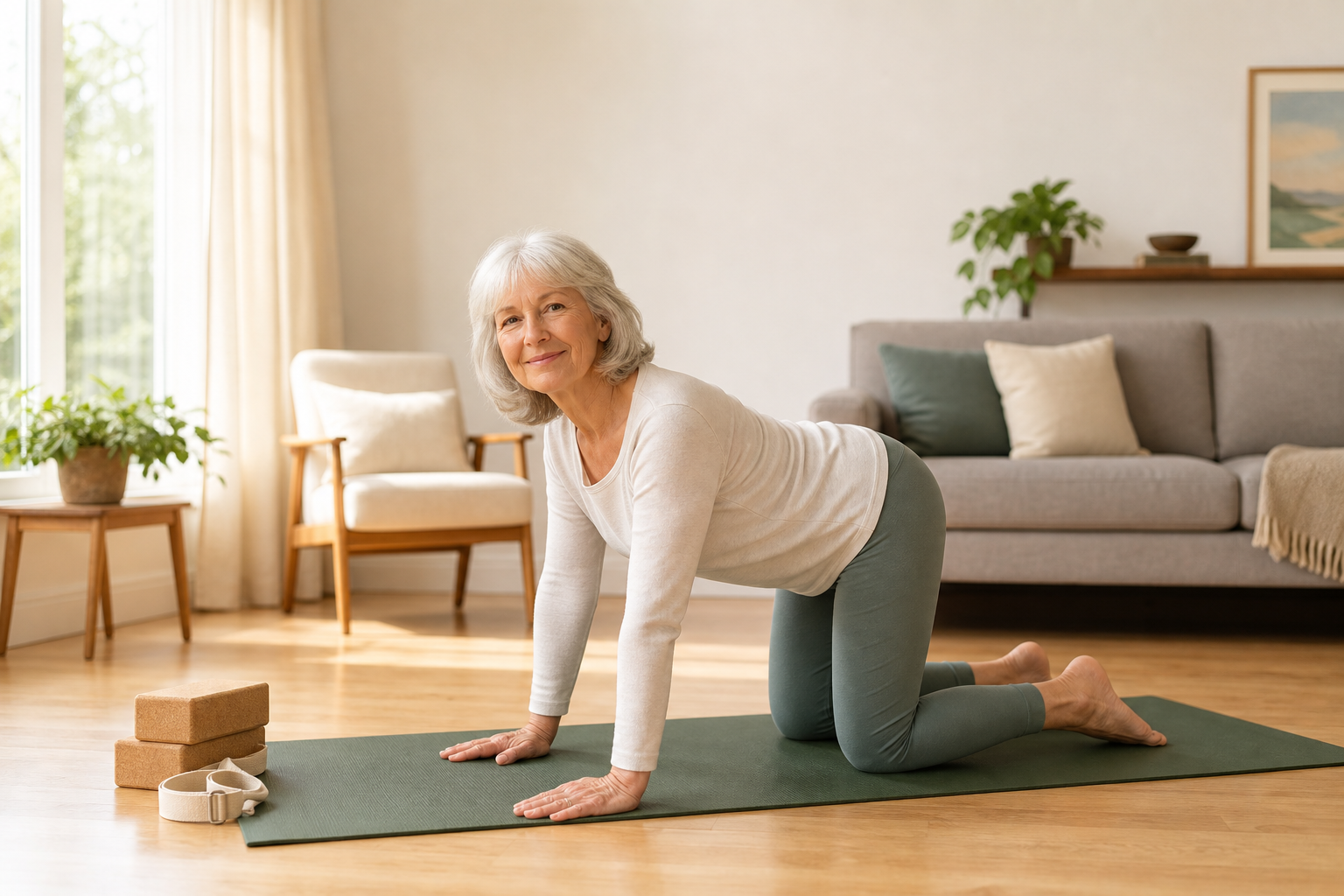
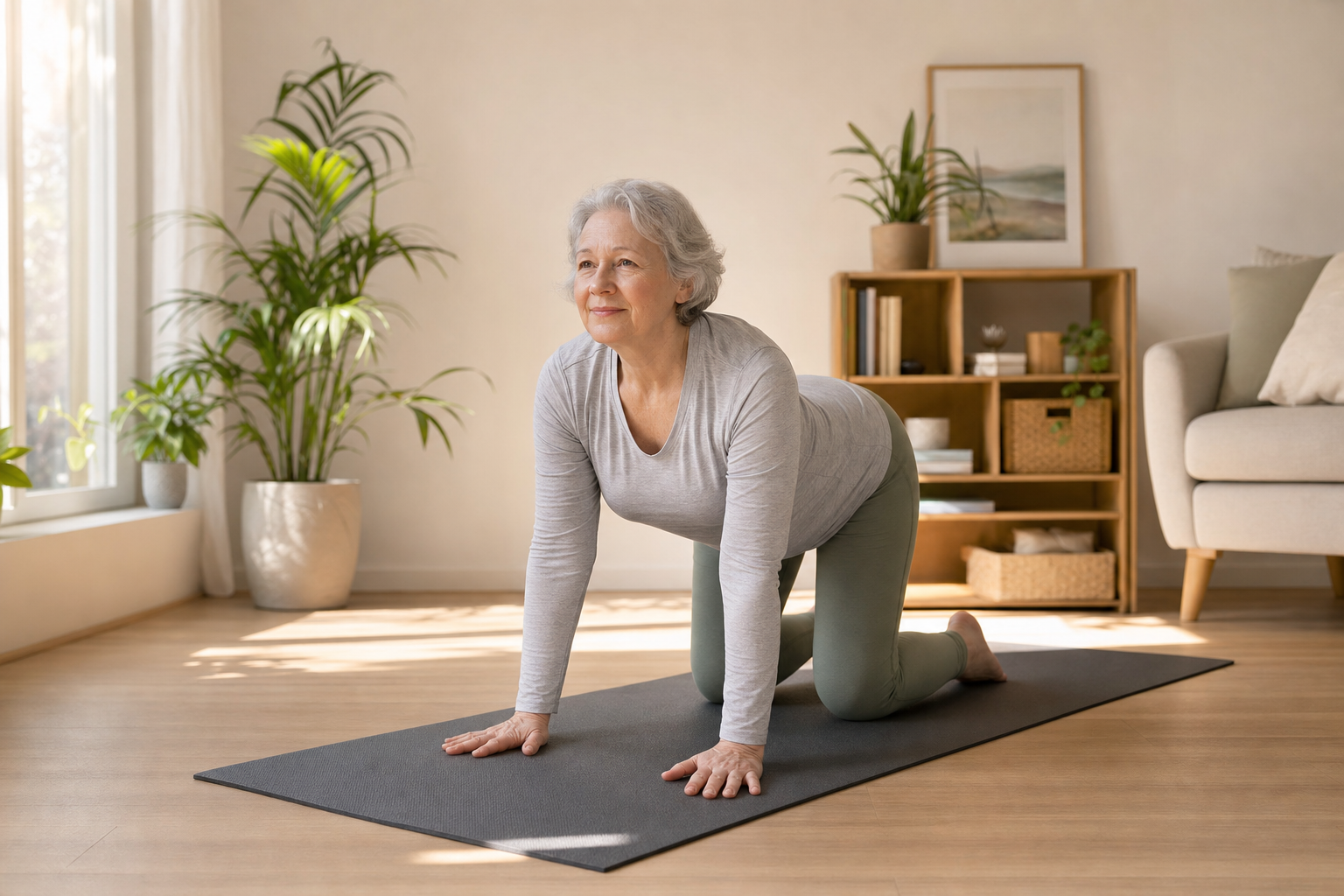
- Cat-Cow (Marjaryasana/Bitilasana): This gentle flow between arching and rounding your spine wakes up the entire back, shoulders, and hips. It’s my morning “reset button.” Do it on your hands and knees, or if that’s tough, seated in a chair works too.
- Child’s Pose (Balasana): My personal go-to when the lower back or knees feel cranky. You can use a pillow under your chest or knees for extra support. Don’t force your hips down if it’s uncomfortable—listen to your body.
- Seated Forward Fold (Paschimottanasana): Gently stretches the hamstrings, calves, and lower back. If reaching your toes is a distant memory, use a yoga strap or towel around your feet. No shame—I do this for myself after long car rides.
- Supine Twist (Supta Matsyendrasana): Lying on your back and dropping your knees side to side relieves stiffness in the lower spine and hips. Start slowly; you should feel a gentle stretch, not pain.
- Bridge Pose (Setu Bandha Sarvangasana): This one strengthens the glutes and opens the front of the hips—two areas that get tight from too much sitting. Hold for a few breaths, and lower slowly.
- Ankle Circles & Wrist Rolls: Sometimes overlooked, but these small joint movements keep synovial fluid moving and help with day-to-day tasks like gripping a mug or climbing stairs.
And if you’re nodding along but thinking, "But James, my knees won’t take it," I hear you. Use as much support as you need—pillows, blankets, even a sturdy chair. Yoga isn’t about suffering; it’s about showing your body some kindness so it works better for you.
Beyond the Mat: My Favorite Helpers for Joint Comfort
I’ll be honest—there are days when yoga alone doesn’t cut it for my knees. (After a weekend of hiking, my joints sometimes run a protest march.) Over the years, I’ve tested dozens of products that claim to help with joint stiffness. Most are hype, but a few have stuck around in my own regimen and with my clients.
1. Compression Knee Sleeves
If you’ve ever tried yoga with achy knees, you know how distracting that discomfort can be. I started wearing a Modvel Compression Knee Brace a couple years ago after a reader raved about it. The gentle compression gives my knees just enough stability for lunges and bridges—without that dreaded "rubber band about to snap" feeling.
The Modvel is affordable (less than $20 for a pair last time I checked), has over 75,000 reviews, and most importantly, stays put—thanks to those anti-slip silicone strips. I’ve used pricier braces, but honestly, I keep coming back to this one for its comfort. If you find yourself dreading kneeling in Cat-Cow, this might be a game-changer.
2. Heating Pads for Stiff Mornings
On mornings when everything feels rusted shut, heat is my secret weapon. The Pure Enrichment PureRelief XL Heating Pad has been a staple in my house for years. The extra-large size covers my entire lower back or thighs, and the moist heat option gets deeper into stiff muscles and joints—much more effective (in my experience) than those tiny microwavable packs.
Plus, my mother-in-law uses it on her knees after gardening, and swears it’s “better than a cup of tea.” The six heat settings mean you can start gentle and ramp up if needed. Just be careful not to overdo it—always check with your doctor if you have nerve issues or circulatory conditions.
3. Supplements: Do They Help?
I get this question almost every month: “Should I take anything for joint stiffness?” Here’s where it gets complicated. The research on glucosamine, chondroitin, turmeric, and MSM is *mixed*—but not useless. A BMJ meta-analysis in 2018 found that about 40% of osteoarthritis patients felt moderate relief from high-quality joint supplements over 3–6 months. Placebo effect? Maybe. But sometimes, that’s enough if it means less pain.
Personally, I like comprehensive formulas—one less thing to remember. The Glucosamine Chondroitin Turmeric MSM & Boswellia by Vimerson Health hits five key ingredients in one pill. Over 43,000 positive reviews don’t lie entirely, though I always recommend a 2–3 month trial (and—say it with me—run it by your doctor first, especially if you’re on blood thinners or have allergies).
Making Yoga Work for Real Life (Not Instagram)
If you’re picturing skinny 20-year-olds in wild poses, time to throw out that image. Real yoga for stiff joints is slow, adaptive, and—frankly—a little messy some days. Here are a few truths I’ve learned coaching people in their 50s, 60s, and beyond:
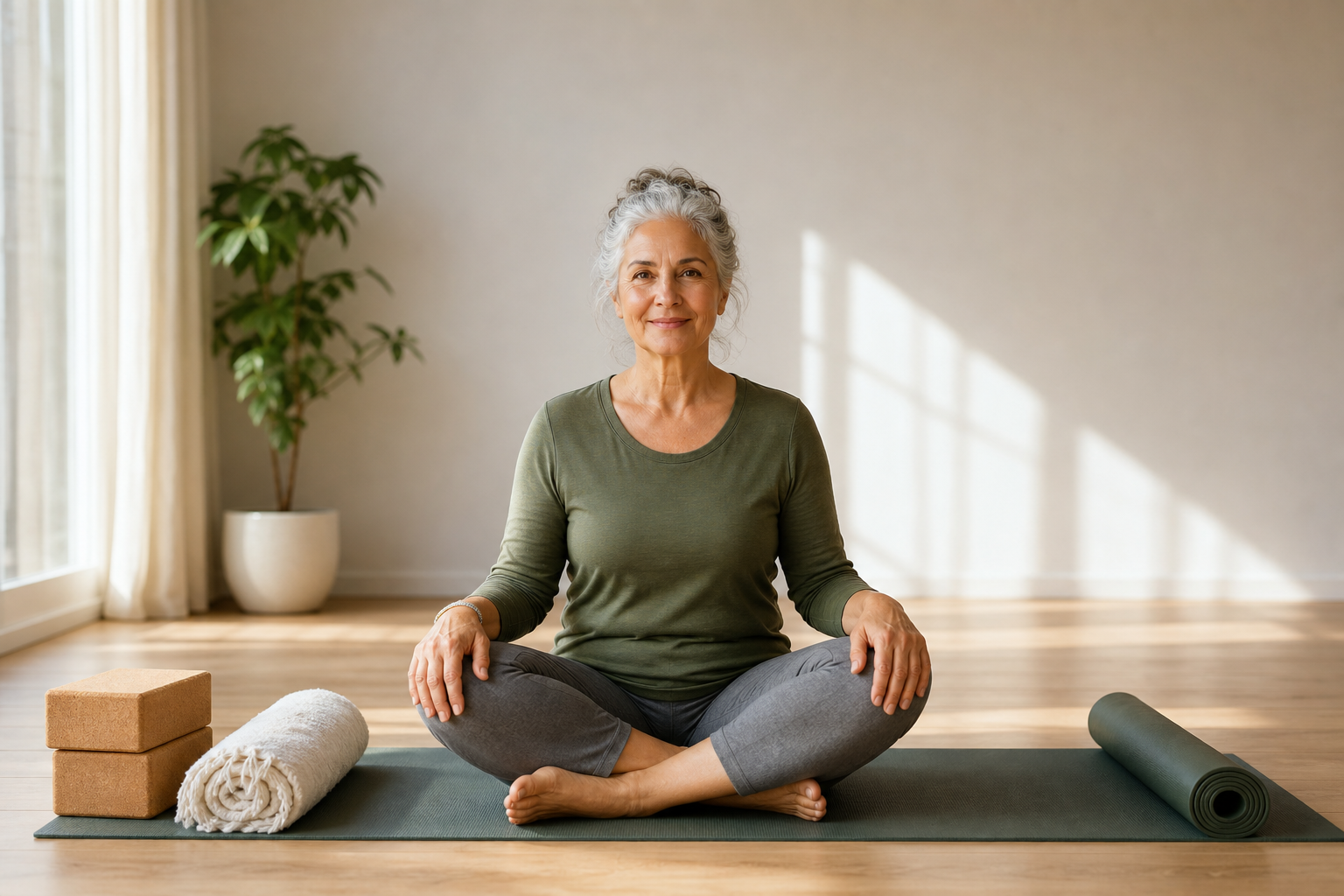
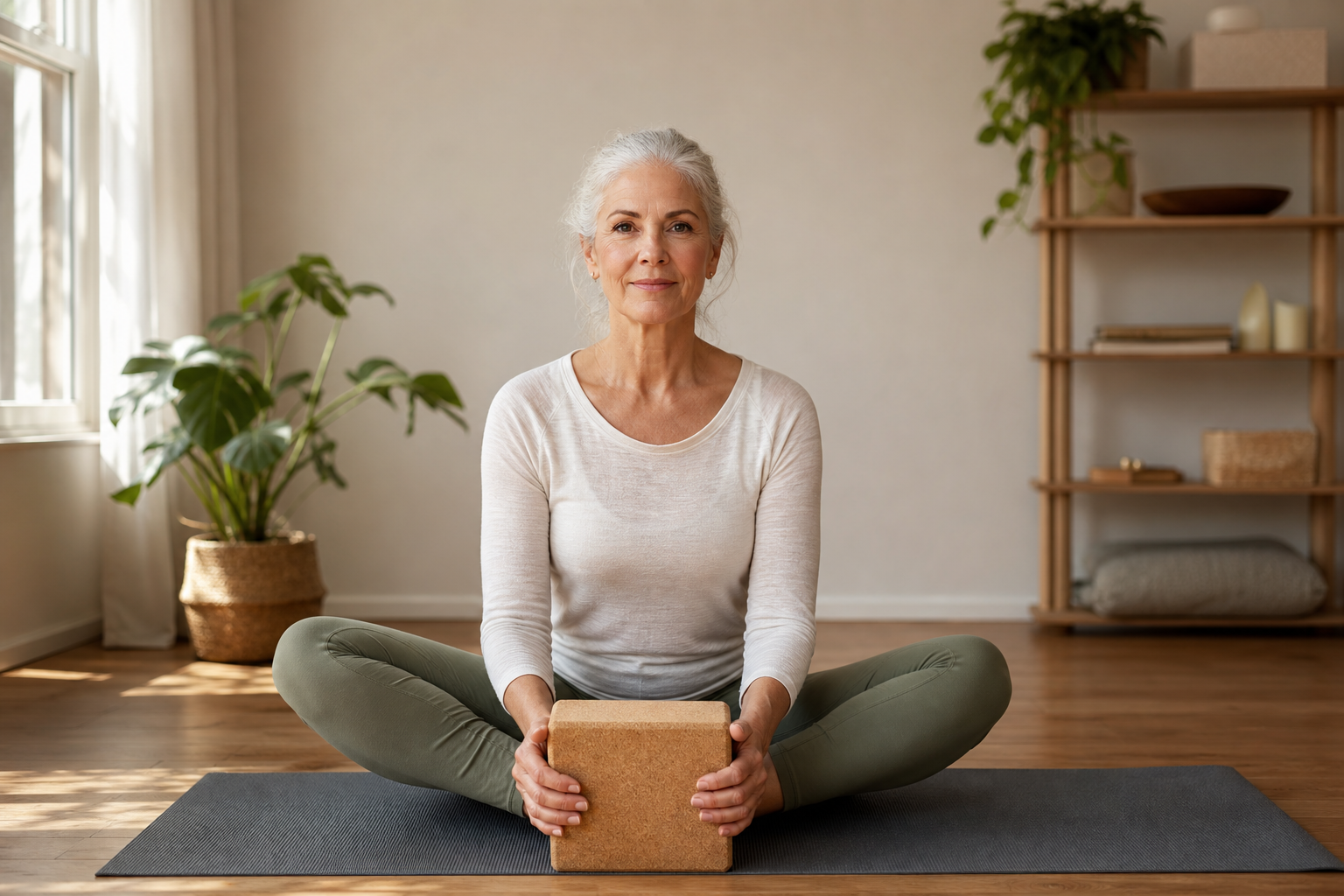
- Props Are Your Friend: A folded towel under your knees, yoga blocks under your hands, or even a kitchen chair for balance make poses accessible. My own practice relies on props more often than not.
- Pace Yourself: Five or ten minutes a day beats that one 45-minute hero session you’ll regret. Consistency is what matters. I like to attach my morning stretches to coffee time—habit stacking makes it stick.
- Modify Without Guilt: Can’t kneel? Do tabletop poses standing, hands on a countertop. Hamstrings screaming in forward fold? Bent knees are totally legit. There’s no benefit to pushing through pain.
- Listen for Creaks, Not Shouts: Mild stiffness is expected, but sharp pain or swelling? Stop and talk to your doctor. I know, I sound like a broken record—but ignoring real pain is a rookie mistake.
I remember one client, Janice, who swore she couldn’t do yoga because of her “bad hips.” Two months later—after using a chair and modifying every pose—she was touching her toes. (She still can’t do Downward Dog, and she’s just fine with that.)
The Research: How Much Is Enough?
This is where most articles get vague, so I’ll give you real numbers. A 2017 study in Evidence-Based Complementary and Alternative Medicine found that practicing yoga 2–3 times a week for at least 30 minutes led to significant improvements in both joint mobility and pain ratings in adults over 55. That’s just an hour or two a week.
Key word: consistency. It’s better to do 10 minutes daily than two hours once a week. (I’ve found that people who “schedule” yoga in advance—put it on your phone calendar—are twice as likely to stick with it. No fancy app required.)
And—controversial take—if you ever feel worse after a yoga session, something’s off. Either the pose isn’t right for your body, or you’re pushing too aggressively. Pain is not progress!
Yoga vs. Other Mobility Exercises
Quick side note: is yoga better than regular stretching or Tai Chi for stiffness? The research says… it depends. In a 2020 randomized trial (BMJ Open), gentle yoga, stretching routines, and Tai Chi all improved joint mobility and pain about equally after 12 weeks. What made the real difference wasn’t the style, but the consistency and the willingness to adapt movements for your own body.
For me, yoga’s big advantage is the “mindful movement” aspect. Connecting breathing with gentle stretching helps calm the nervous system, which may reduce pain signals overall. But if you hate yoga, don’t force it—find something you’ll actually do.
Takeaways: My Real Advice for Stiff Joints
- Start small—just 5–10 minutes of gentle yoga daily can change the game for stiff or achy joints.
- Use props, modify poses, and never feel bad about needing extra support. That’s called wisdom, not weakness.
- Compression sleeves, heating pads, and a cautious trial of joint supplements can amplify your results—but they’re helpers, not magic wands.
- Stiffness isn’t permanent. The right movement (done consistently) really can restore mobility at any age.
- Pain is a red flag. If you ever have sharp, persistent pain, swelling, or sudden joint changes—check in with your healthcare provider.
If you’re reading this in your pajamas, feeling stiff and wondering where to start, I promise you’re not alone. I’ve been there, and so have most of my clients. The “secret” is simple: treat your joints with a mix of movement, patience, and the right support—both on and off the mat.
Here’s to mornings that feel a little smoother, stairs that feel a little easier, and moves that actually fit your life. If you have questions (or a favorite pose I missed), drop me an email. I love hearing what actually works for real people.
James Chen, MS, CSCS
Exercise Science, Certified Strength & Conditioning Specialist
JointReliefReviews.com