
How to Stay Active with Chronic Joint Pain: Real Strategies That Work
Look, I get more emails about this than almost any other topic. People want to know: Is it even possible to stay active when your knees, hips, or hands protest every move? My own aunt once told me, “Karen, walking to the mailbox feels like crossing the Sahara.” And she’s not alone. According to the CDC, nearly one in four U.S. adults lives with doctor-diagnosed arthritis. That’s not a handful—that’s over 58 million people, just in the U.S.

I’ll tell you the truth: Living with chronic joint pain can feel like your own body’s plotting against you. Plans change. Motivation slips. But here’s the thing: In my twenty years reporting for outlets like Arthritis Today and Everyday Health, I’ve seen time and again that movement is medicine. I know, it sounds like something you’d see on a poster in your doctor’s office. But the research is there—and it’s more nuanced than most folks realize.
The Daily Struggle: You’re Not Imagining It
First, let me just say: If you dread getting up in the morning because your knees feel like rusty hinges, you’re not lazy. Fatigue is real. Stiffness is real. The fear that you’re doing more harm than good? Also very real. I remember my mother-in-law—who, for years, assumed her daily walks were making her knee arthritis worse—telling me, “If I rest, I hurt. If I move, I hurt. What am I supposed to do?”
Most advice out there feels either impossibly rosy (“Just keep a positive attitude!”) or downright dismissive. But science backs up what you already sense: The right kind of movement actually helps, not hurts, long-term joint health.
The Science (Without the Jargon)
Let’s clear something up. The old advice—avoid activity because it’ll ‘wear out’ your joints—is, for most people with osteoarthritis or mild inflammatory arthritis, outdated. In fact, multiple studies in The Journal of Rheumatology and BMJ show that regular, moderate movement reduces pain, boosts function, and slows progression. We’re talking 2018 meta-analyses with thousands of patients, not just a handful of anecdotes from a local support group.
Why does this work? Movement brings nutrient-rich synovial fluid into your joints, flushes out inflammatory chemicals, and strengthens the muscles that stabilize vulnerable areas. The less you move, the weaker those muscles get—and the whole feedback loop gets worse. It’s cruel, I know.
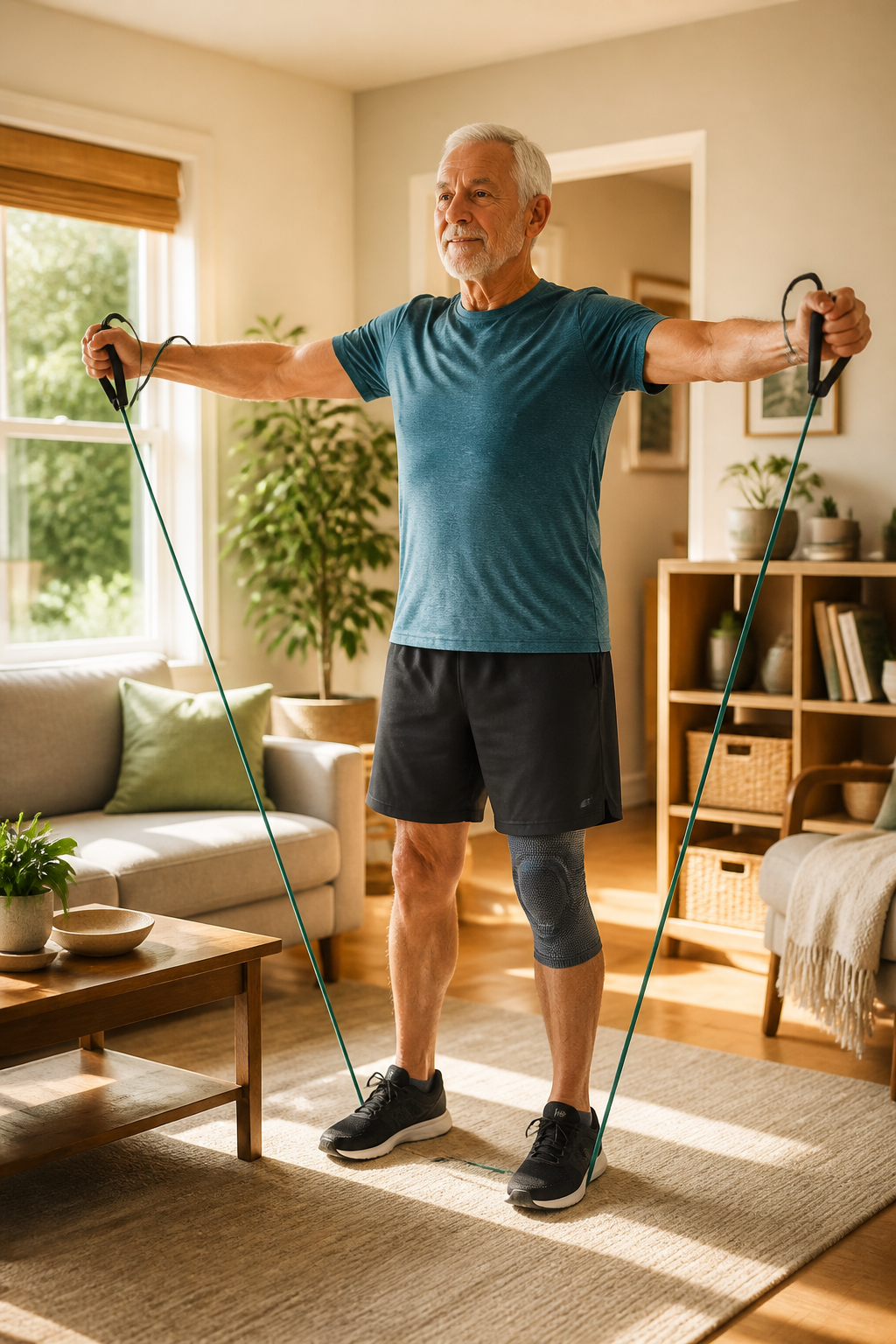
But—here’s the real kicker—it’s not about running marathons or sweating buckets at spin class. Micro-movements count. Ten minutes here, a few stretches there, gentle resistance bands while you watch TV. You don’t have to become “that gym person” (unless you want to).
What Actually Helps: Editor-Tested Strategies
I’ve spoken directly with rheumatologists, physical therapists, and dozens of people living with chronic joint pain. The best strategies? They’re practical, flexible, and (most importantly) sustainable.
- Start with range-of-motion exercises. Forget about ‘burning calories’ for a second—simply moving a joint through its natural arc, gently, helps prevent stiffness. Think: shoulder circles, ankle rolls, or seated knee extensions. One of my favorite resources here is the book Treat Your Own Knees by Jim Johnson. It’s loaded with simple, research-backed home exercises. (A reader in Michigan swears her knee pain dropped by “half” after two weeks of the routine—she even sent me the before-and-after pages from her daily log.)
- Make heat your ally. Yes, it’s old-school, but there’s a reason every physical therapy office has a pile of heating pads. Heat loosens muscles, soothes aches, and—this is key—makes starting your exercise so much easier. Personally, I’m a fan of the Pure Enrichment PureRelief XL Heating Pad. The XL size covers both knees at once or your entire lower back. Bonus: The moist heat option gives a deeper, more comforting warmth (my husband now fights me for it after his long runs).
- Try compression gear—if it works for you. Not everyone finds compression helpful, but I’d be remiss not to mention it. Light, breathable sleeves (like the Modvel Compression Knee Brace) can offer support during walks or errands—especially if you get “wobbly” knees on stairs. Pro tip: The anti-slip silicone is the feature you didn’t realize you needed until your old brace kept rolling down at the grocery store.
Look, none of these are miracle cures. But they can turn an impossible morning into an almost-normal one—and that’s no small thing.
Debunking Myths (And a Couple Unpopular Opinions)
I know this is unpopular, but rest isn’t always your friend. Extended inactivity actually increases pain sensitivity, as confirmed in a 2017 review in Arthritis & Rheumatology. And don’t get me started on “Just push through the pain!” If your body is yelling, that’s information—not failure. There’s a delicate balance: You want to challenge your joints, not punish them.
Another thing most articles gloss over: Pain doesn’t always mean harm, especially with osteoarthritis. Soreness after gentle exercise is often a sign your muscles are (finally) re-engaging, not that you’ve done lasting damage. Of course—check in with your doctor if pain spikes, you get sharp/burning sensations, or there’s swelling you can’t explain. Don’t DIY your diagnosis.
Building Your Own “Movement Toolkit”
Here’s where it gets interesting. I tell readers to treat movement like brushing their teeth: It’s not optional, but it doesn’t have to be glamorous, either. Some days, it’s a 10-minute stretching session on the couch. Others, it’s circling the block (or even just the house) with a podcast in your ears.
- Set “movement reminders.” Alarms on your phone, sticky notes on the fridge, or a friend who texts you at 4pm—whatever triggers you to stand, stretch, or walk.
- Keep tools handy. Resistance bands, a foam roller, or your brace should live in sight—not hidden in a closet. Out of sight is out of mind, and nothing kills motivation faster than a 10-minute equipment hunt.
- Find your “movement buddies.” Whether it’s a walking group, a neighbor, or a dog (trust me, dogs are underrated physical therapists), social support doubles your odds of sticking with it long term.
The Role of Supplements—What the Evidence Says
I have to be honest: I’m not a supplement evangelist. But dozens of studies (like the 2022 meta-analysis from Clinical Rheumatology) suggest that some people do get modest pain reduction with a daily 1500mg dose of glucosamine sulfate, sometimes paired with chondroitin. My take? If you’re curious, stick to reputable brands—look for USP or NSF certification, which means what’s on the label is actually in the bottle. (Nature Made’s Glucosamine Chondroitin Complex with MSM is one trusted option, but talk to your doctor before starting, especially if you’re on blood thinners.)
But here’s the bottom line: No pill will move your joints for you. Supplements are a potential adjunct—not a replacement for daily activity.
Adapting Your Favorite Activities—Yes, It’s Possible
This is the part where I wish I could hand you a custom exercise plan. But everyone’s “joint story” is different. That said, here are strategies I’ve seen work for real people:
- Low-impact rules the day. Swimming, water aerobics, recumbent cycling, and gentle yoga all build strength and flexibility without pounding your joints. Water, especially, reduces joint load by up to 90% (according to a 2021 study in American Journal of Physical Medicine & Rehabilitation).
- Modify, don’t quit. Can’t kneel for gardening? Try a raised planter and a padded seat. Love tennis but dread lateral movements? Rally with a partner instead of chasing points. My neighbor—an ex-marathoner—now brisk-walks the track with walking poles. She logs fewer miles, but her smile is bigger than ever.
- Progress, not perfection. Celebrate what you can do. If you can only walk to the end of the block today, that’s still a win. Track your progress in a notebook or an app—sometimes, seeing how far you’ve come is the ultimate motivation.
And don’t overlook the small stuff: parking farther from the store, taking the stairs one flight at a time, or stretching while the coffee brews. These “micro-movements” add up.

When Pain Flares Up—Emergency Moves
If you’re nodding along right now, you probably know the dreaded “flare.” Maybe it’s rainy weather, a poor night’s sleep, or you overdid it with grandkids. First: Give yourself permission to scale back, not shut down. Even gentle stretching, deep breathing, or a warm compress can keep you from spiraling into an inactivity rut.
This is also when heat therapy (remember that XL pad?), topical analgesics, or a favorite guided meditation come in handy. I’ve even heard from readers who use visualization—a quick mental walk through their favorite park—when actual movement is impossible.
Staying Motivated for the Long Haul
Motivation is a fickle beast. I wish I had a magic answer for the days motivation is missing in action (usually the same days my coffee machine breaks, not gonna lie). What works for me, and for dozens of readers I’ve interviewed, is reframing movement as self-compassion, not self-discipline.
Set tiny, achievable goals. Write them down. Reward yourself—yes, that afternoon cup of tea or that new audiobook counts. And if you fall off the wagon? Guilt is useless. Tomorrow is always a reset button.
The Big Picture: Movement Is Your Superpower
Here’s what most people get wrong: You don’t have to “beat” chronic joint pain to stay active. You just have to outsmart it—one micro-movement, one modification, one heated pad at a time.
I know it’s hard. Some days, you’ll want to throw your stretchy bands out the window. But every bit of movement is a message to your body: I’m still here, and I’m not done living. If you need a nudge, print this out and stick it on your fridge. Or email me—seriously, I answer every letter (even if it takes me a week!).
Keep moving—at your own pace, in your own way. Your joints (and your future self) will thank you.
— Karen Whitfield, veteran health journalist and patient advocate