Tai Chi Benefits for Arthritis and Balance: What the Science (and Experience) Reveal
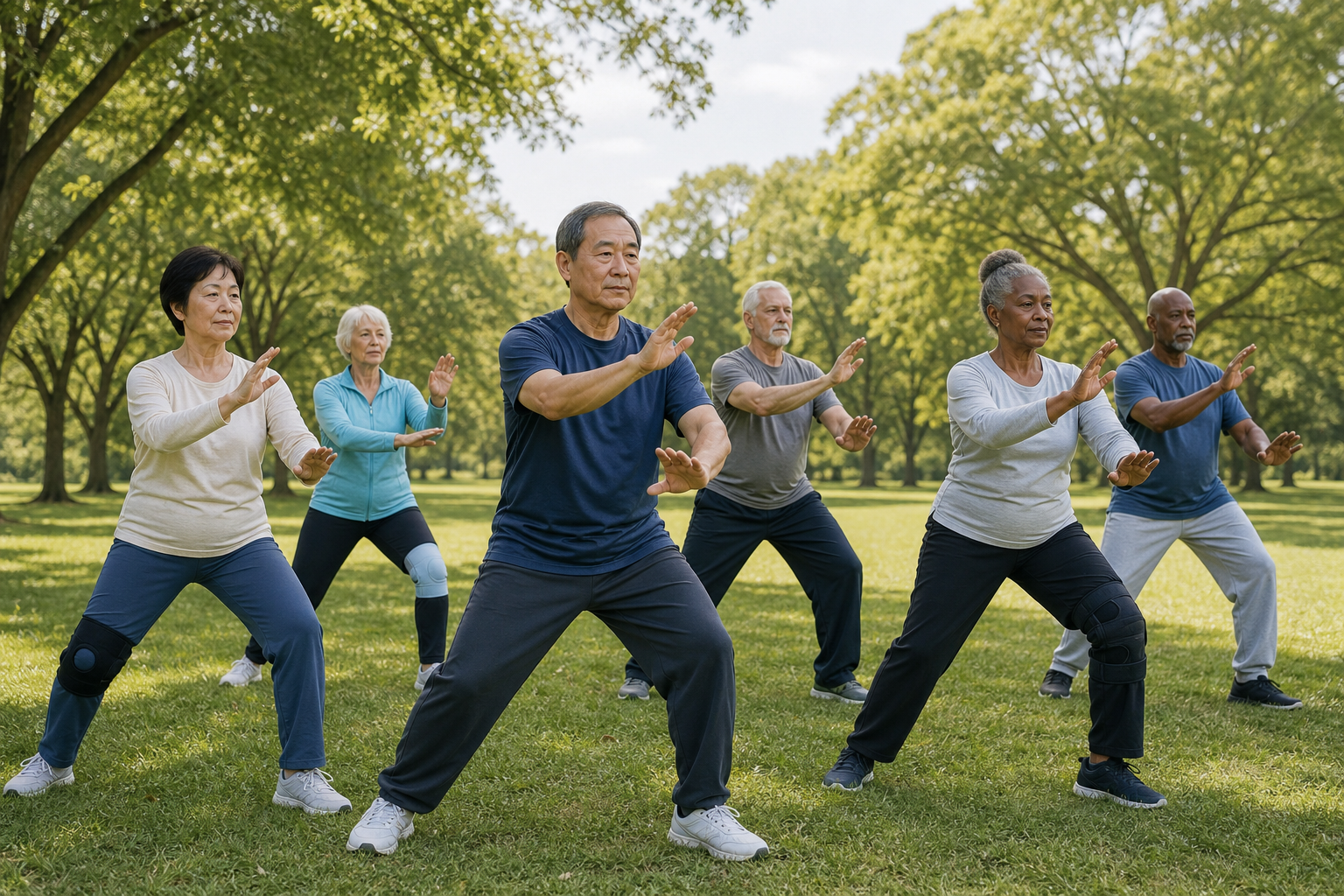
I’ll never forget my first tai chi class. Picture a dozen folks, most well over sixty, moving in slow, patient circles—some with visible knee braces, a few with canes propped by the wall. It was nothing like the martial arts movies. And yet, the calm in the room was palpable. By the end, one woman leaned over to me and whispered, “My knees haven’t felt this loose in years.” That moment stuck with me, and I’ve spent a good part of my career digging into why tai chi works, especially for joint pain and balance. Honestly? The results might surprise you.
The Real Struggle: Arthritis Pain and Wobbly Balance
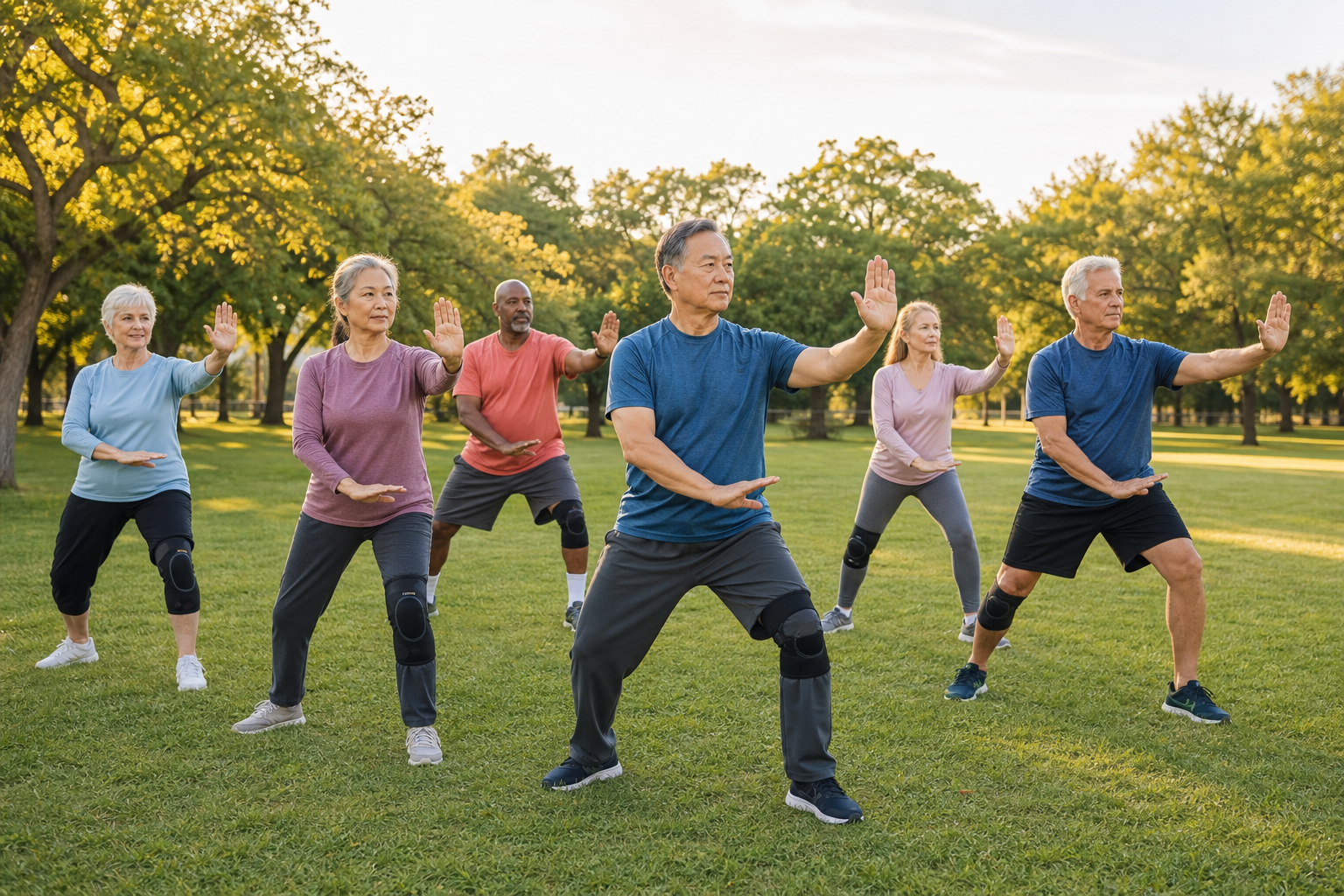
If you’re reading this, chances are you—or someone you care about—lives with arthritis. The stiffness. The unpredictability. That sharp little warning twinge every time you stand up after sitting too long. It’s exhausting. I’ve had patients who quietly stopped gardening, walking the dog, even going out with friends, not because they wanted to, but because their knees or hips just wouldn’t cooperate.
And here’s where it gets even trickier: the less you move, the stiffer and weaker you get. It’s a vicious cycle. Add the fear of falling into the mix (nearly a third of adults over 65 fall each year, according to the CDC), and suddenly, confidence drops through the floor. I’ve lost count of how many folks tell me, “I’d love to exercise, but I’m too afraid I’ll lose my balance.”
Enter Tai Chi: What Sets It Apart
Tai chi has this reputation—somewhere between meditative exercise and ancient art. But here’s the thing: it’s not just gentle. It’s specifically designed to improve joint mobility, balance, and body awareness. Every movement is deliberate, shifting weight from one foot to the other, challenging your coordination and working those small stabilizer muscles most exercises ignore.
But don’t just take my word for it. The Journal of Rheumatology (2016) published an 8-week randomized trial with over 200 older adults with knee osteoarthritis. The group practicing tai chi had a 36% improvement in pain scores—comparable to those who did conventional physical therapy. Even more interesting? The tai chi group reported less stiffness and depression as well. That’s a game-changer.
How Tai Chi Works—The Science, Simply Explained
Let’s get nerdy for a second. Tai chi looks effortless, but there’s a lot happening under the hood. Think of it as “dynamic weight shifting.” You’re constantly moving your center of mass through different postures, activating not just big muscles (quads, glutes) but also the all-important proprioceptors—those tiny sensors in your joints and feet that tell your brain where your body is in space.
Multiple clinical trials have found tai chi boosts proprioception. In English? Better joint awareness, less risk of tripping or losing your balance. The Arthritis & Rheumatology journal (2012) found that people with knee OA who did tai chi twice a week for 12 weeks improved their single-leg stance time by 46%. That’s not just a number. That’s the difference between catching yourself on a curb or taking a tumble.
There’s also intriguing research showing tai chi quiets the nervous system. Gentle, mindful movements lower stress hormones and reduce overall muscle tension. No, it’s not magic. But it does mean less inflammation and less pain reactivity for many people. (If you’ve ever noticed your joints hurt more when you’re anxious, you know exactly what I’m talking about.)
What About Strength? Isn’t Tai Chi Too Gentle?
I hear this a lot, especially from longtime gym-goers (or, let’s be honest, skeptical spouses dragged to class). Isn’t weightlifting better for bones? Sure, resistance training is fantastic. But here’s where tai chi excels: functional strength. It’s all about supporting your own body weight through a full range of motion, with a huge focus on stability.
The slow pace means you can’t cheat. There’s no momentum. In a 2018 BMJ Open Sport & Exercise Medicine review, tai chi was found to improve lower-limb strength almost as much as traditional strength training, but with a much lower risk of joint strain. That’s a big deal if your knees or hips protest with every squat or lunge.
Why Tai Chi Is So Good for Balance—The Real Kicker
Balance isn’t just about leg strength. It’s a three-part orchestra: muscle coordination, joint proprioception, and inner ear (vestibular) function. Tai chi hits all three. The constant shifting, turning, pausing, and controlled stepping force your body to make tiny, real-time adjustments—way more so than walking or cycling.
The best part? The benefits stick around. In a large 2017 Cochrane review, tai chi reduced fall rates by 43% in older adults compared to controls. That’s a massive effect. And it translates directly into real-world confidence—being able to step off the curb, turn to look behind you, or pick up a grandchild without fear.
But What About Arthritis Pain—Does It Really Help?
I’ll be honest—when patients first ask if tai chi can “cure” arthritis, I have to set expectations. Tai chi won’t regrow cartilage or erase decades of wear and tear. No exercise will. But there is a mountain of evidence showing it reduces pain, improves function, and makes day-to-day life easier—sometimes dramatically.
The largest meta-analysis to date (published in Annals of Internal Medicine, 2015) looked at 54 studies. Tai chi consistently reduced pain and improved mobility compared to no intervention. For knee, hip, even rheumatoid arthritis, the effect size was comparable to mild analgesics—without the side effects. That’s why the American College of Rheumatology now recommends tai chi as a first-line, non-drug treatment for arthritis.
One of my patients, Tom, 74, came to me practically limping. Six months of tai chi, twice a week, and he’s back to hiking his favorite trail—at least the easier parts. He’s not cured, but he’s empowered. That’s a word you don’t hear enough in medicine.
Getting Started: Realistic Tips (and Honest Hurdles)
Look, I won’t sugarcoat it—trying something new, especially with cranky knees or stiff hips, takes courage. Here’s what I tell my patients:
- Start slow. Most community classes are welcoming, and instructors can modify movements if you use a cane, have balance issues, or old injuries.
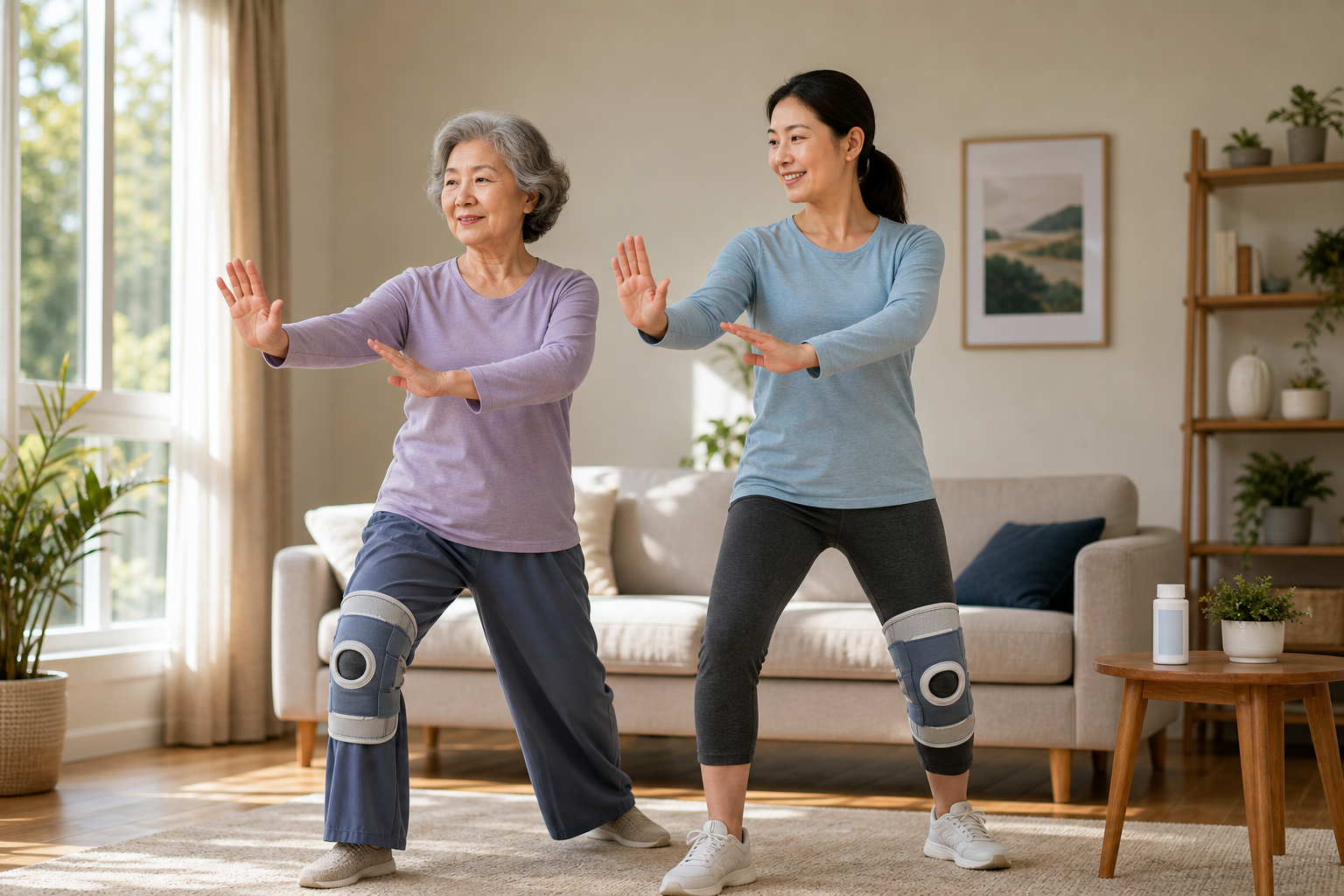
- Comfort counts. Wear supportive shoes (skip going barefoot unless you’re on very soft grass or carpet). Braces or sleeves are fine—no shame in extra support. I often recommend the NEENCA Professional Knee Brace for those who worry about knee stability during movement. It’s medical grade, has side stabilizers, and genuinely helps people feel secure.
- Set your pace. Even ten minutes a day helps. If a full class feels daunting, start with guided YouTube videos—just check credentials. (I like instructors with a physical therapy background or who work with arthritis foundations.)
- Don’t wait for perfect weather. Indoor programs at senior centers or YMCAs are just as good. Some even offer seated tai chi for severe mobility issues.
And if you find the first session confusing or frustrating? You’re in the club. Most people feel awkward the first few tries. But the learning curve isn’t steep. Within a couple weeks, your body starts to "get it"—and it’s surprisingly satisfying.
Pairing Tai Chi with Other Joint Support Strategies
As much as I love tai chi, it’s not a magic bullet. Combining it with joint-friendly strategies creates the best results. Yes, that means keeping up with your prescribed exercises or therapies (even if they’re tedious). And sometimes, it means using targeted pain relief—especially in the early weeks when movement stirs up old aches.
I’ve reviewed dozens of topical analgesics, and honestly, most don’t live up to their hype. But Voltaren Arthritis Pain Gel is the real deal—FDA-approved, and there’s robust evidence for diclofenac sodium in reducing arthritis pain. Several of my patients use it 30 minutes before tai chi, reporting noticeably less stiffness and better range of motion. Of course, as with any medication, ask your doctor before adding a new product—especially if you’re on blood thinners or have sensitive skin.
Supportive devices aren’t cheating, either. If your knees are unstable, there’s zero shame in wearing a brace. The right knee brace or sleeve can mean the difference between participating and sitting out. I can vouch for the NEENCA Professional Knee Brace (that’s affiliate link #2, don’t worry—no hard sell here) because it’s adjustable and actually stays in place. You wouldn’t believe how many cheap sleeves slide down halfway through class.
Digging Deeper: Not All Tai Chi Is Created Equal
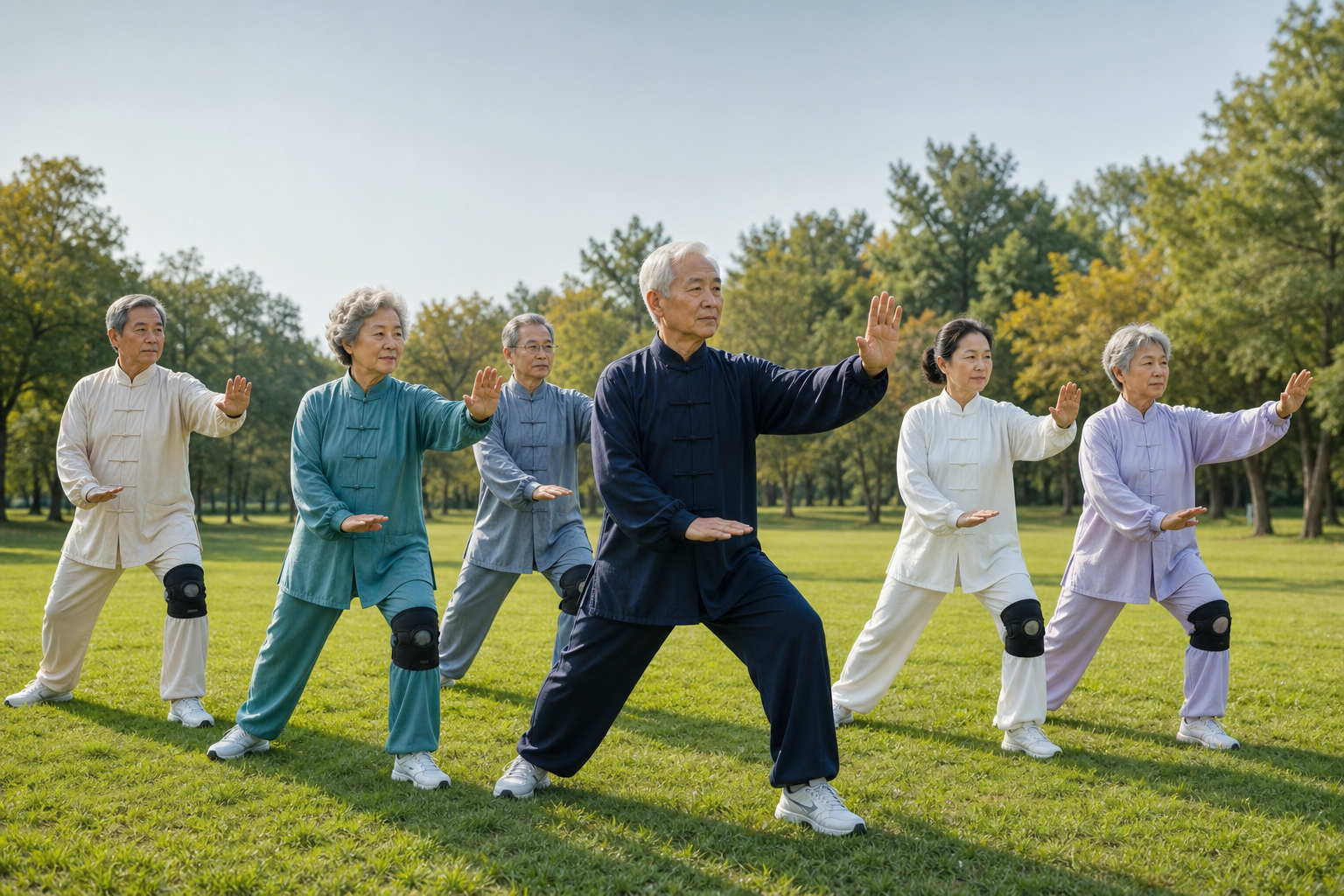
Confession time: the phrase “do tai chi” is a little misleading. There are dozens of styles—Chen, Yang, Sun, short forms, long forms. For arthritis and balance, the Yang or Sun styles are usually the most accessible. They emphasize upright posture, gentle transitions, and avoid deep stances that flare up old injuries.
If you’re a book learner, or want a structured home program, I’d recommend Treat Your Own Knees by Jim Johnson, PT. While it isn’t a tai chi manual per se, it’s a fantastic primer on gentle movement therapy, and includes flexibility and responsiveness drills that pair nicely with tai chi routines. It’s research-backed, and the exercises are drawn with clarity—no yoga-twister stuff.
One thing I do wish more teachers emphasized: progress is personal. Some folks notice easier movement in two weeks, others take a couple months. That’s normal. If you’re nodding along, you’re not alone.
Real Limits, Honest Advice
This is where I get a little contrarian. Tai chi is not a substitute for medical care. If you have unstable joints, severe osteoporosis, or balance so poor you fall at home, talk to your doctor or physical therapist before starting. Some modifications, like holding onto a chair for support, can make it safe for almost anyone—but you need that guidance.
And if you have persistent swelling, sudden joint locking, or suspect a new injury, get checked out. Tai chi is gentle, but it’s still movement—and movement sometimes unearths hidden problems.
Main Takeaways: Why Tai Chi Works So Well (And Who Should Try It)
- Less pain, more confidence. Consistent tai chi practice lowers arthritis pain and boosts balance. The science is strong, but the lived experience is even stronger.
- No fancy equipment needed. Supportive shoes, a safe space, and maybe a knee brace or arthritis gel—that’s it.
- Adapts to you. Classes can be modified for seated or standing participants, and there’s no "too old" or "too stiff." Progress at your own pace.
- Pairs well with other therapies. Tai chi isn’t a replacement for medication or physical therapy, but a potent complement.
Closing Thoughts: Is Tai Chi Worth It?
I’ll say this: almost every person I’ve seen commit to two months of tai chi reports some benefit—less pain, better confidence, and a new sense of calm. My mother-in-law (always skeptical) now swears by her Monday classes, and she hasn’t missed a session in over a year. It’s not a miracle, but it is a solid, evidence-backed way to loosen up stiff joints and reclaim a bit of freedom.
If you’re considering tai chi, take the first step. Find a class, give it six weeks, and be kind to your body. You might be surprised by just how much is possible, even if you thought your best mobility days were behind you.
Stay strong—and if you have questions about knee braces, home routines, or real-world pain relief, you know where to find me.
Dr. Michael Torres, DC
Chiropractor, Nutrition Counselor, JointReliefReviews.com contributor