Tai Chi Benefits for Arthritis and Balance (and What Most People Miss)
I’ll never forget Doris. She walked into my clinic with a cane, scowling at her knee like it was a misbehaving pet. "The doctor says I need knee replacement," she told me, "but I don’t want to lose my independence." We talked exercise, meds, the usual. But what made the real difference? Tai chi. Six months later, Doris was steady on her feet, cane gathering dust, and—her words—"feeling younger than I have in years."
Why Is Arthritis Such a Balance Wrecker?
If you’re nodding along, you’re not alone. Osteoarthritis, especially in the knees or hips, often makes you feel like the ground is shifting beneath you. The pain, the stiffness, the little voice whispering, "Don’t trip." Falls are terrifying—bone fractures are no joke after fifty. And let’s be honest: no one wants to swap freedom for a walker or (worse) hospital bed.
Most of my patients tell me that climbing stairs, standing up in the morning, or even walking across a parking lot can feel like a high-wire act. It’s not just the pain. It’s your body’s way of saying: "I’m out of practice." The less you move, the rustier the connections between your brain, muscles, and joints get. That’s where tai chi comes in—a slow-motion reset button for both arthritis and your sense of balance.
The Science of Tai Chi: Arthritis and Balance, Explained
Look, I’ll admit, I used to be skeptical. To me, tai chi looked like gentle waving in pajamas. But, as the research poured in, my mind changed.
Here’s the thing: Studies from the Journal of Rheumatology (2016) and Arthritis Care & Research (2020) put tai chi up against traditional physical therapy. Not only did tai chi reduce arthritis pain by up to 35% over 12 weeks, it also improved balance and reduced fall risk by nearly 50% in older adults. That’s not placebo—that’s measurable, durable change.
How? Tai chi is essentially a moving meditation—focusing on slow, deliberate movements. This forces your brain to communicate better with your muscles, strengthening the little stabilizer muscles around arthritic joints. Plus, there’s a bonus: tai chi delivers the benefits of exercise without the pounding of high-intensity workouts. I’ve seen folks in their 80s picking up tai chi for the first time and out-balancing their grandkids six months later.
Tai Chi vs. Other Arthritis Exercises: What Sets It Apart
- No Equipment Needed: You don’t need fancy gear or a gym membership. Just a small space and willingness to try.
- Gentle, Joint-Friendly Movements: The movements are circular, not jarring. That means less aggravation for inflamed knees, hips, or shoulders.
- Mental Focus: The mindfulness aspect isn’t just woo-woo; it reduces stress hormones that fuel inflammation. Trust me—the mind-body connection is real.
- Social Connection: Many classes are group-based (in person or Zoom), which is huge for mood and commitment. Loneliness is a pain amplifier.
What Does the Research Actually Say?
Let’s talk hard numbers. The Journal of the American Geriatrics Society (2017) ran a meta-analysis of 18 studies. Their verdict: tai chi improved balance and functional mobility in adults over 60, with or without arthritis. Another study in BMJ Open (2022) found that 12 weeks of tai chi reduced fall rates by 43% compared to standard stretching routines. That’s a game-changer for anyone scared of their next step.
On the arthritis front, a 2018 review in Arthritis & Rheumatology showed that tai chi participants reported significant reductions in knee pain and stiffness—on par with (sometimes better than) traditional exercises like walking or stationary cycling. And it’s safer for folks with severe joint degeneration or balance issues.
Want the real kicker? These effects weren’t just fleeting. In most studies, the benefits lingered for months after class ended—meaning the improvements stick, even if you take a break.
How Does Tai Chi Actually Work?
I get this question from patients all the time: "How could moving slowly possibly help my knees or my balance?" Here’s what the science—and my own clinic—shows:
- Neuromuscular Re-education: Slow movement forces your nerves and muscles to communicate. That’s the foundation of balance (and often lost with arthritis pain).
- Quads, Hips, and Ankles: Tai chi positions load these joints gently, improving strength and control.
- Proprioception: That’s a fancy word for your body’s "GPS"—the sense of where your limbs are in space. Tai chi is like a daily calibration.
- Reduced Inflammation: Stress reduction from meditative movement may dial down inflammatory markers. The mind matters!
Practical Tips for Getting Started (Even If You’re Stiff, Sore, or Nervous)
I know this is unpopular, but you don’t need 90-minute classes or silk slippers to get started. Here’s what I tell patients:
- Check for local community center or Y classes—many offer arthritis-friendly options. If crowds spook you, YouTube has dozens of free, reputable routines.
- Start with 5-10 minutes. Consistency > Intensity. The biggest gains happen with regular, short sessions.
- Don’t worry if you "look silly." Everyone does the first few times! I remember my mother-in-law’s first class—she giggled through the entire warmup, but kept coming back.
- Don’t push through pain. Tai chi should never hurt—if you’re wincing, back off and talk to your doctor or physical therapist. Safety comes first.
If you want a jumpstart, I like the book Treat Your Own Knees. It’s a straightforward, research-backed guide to gentle knee mobility and stability exercises. (I often tell patients to blend these with their tai chi practice. It’s less overwhelming than many YouTube playlists.)
What To Realistically Expect in the First 12 Weeks
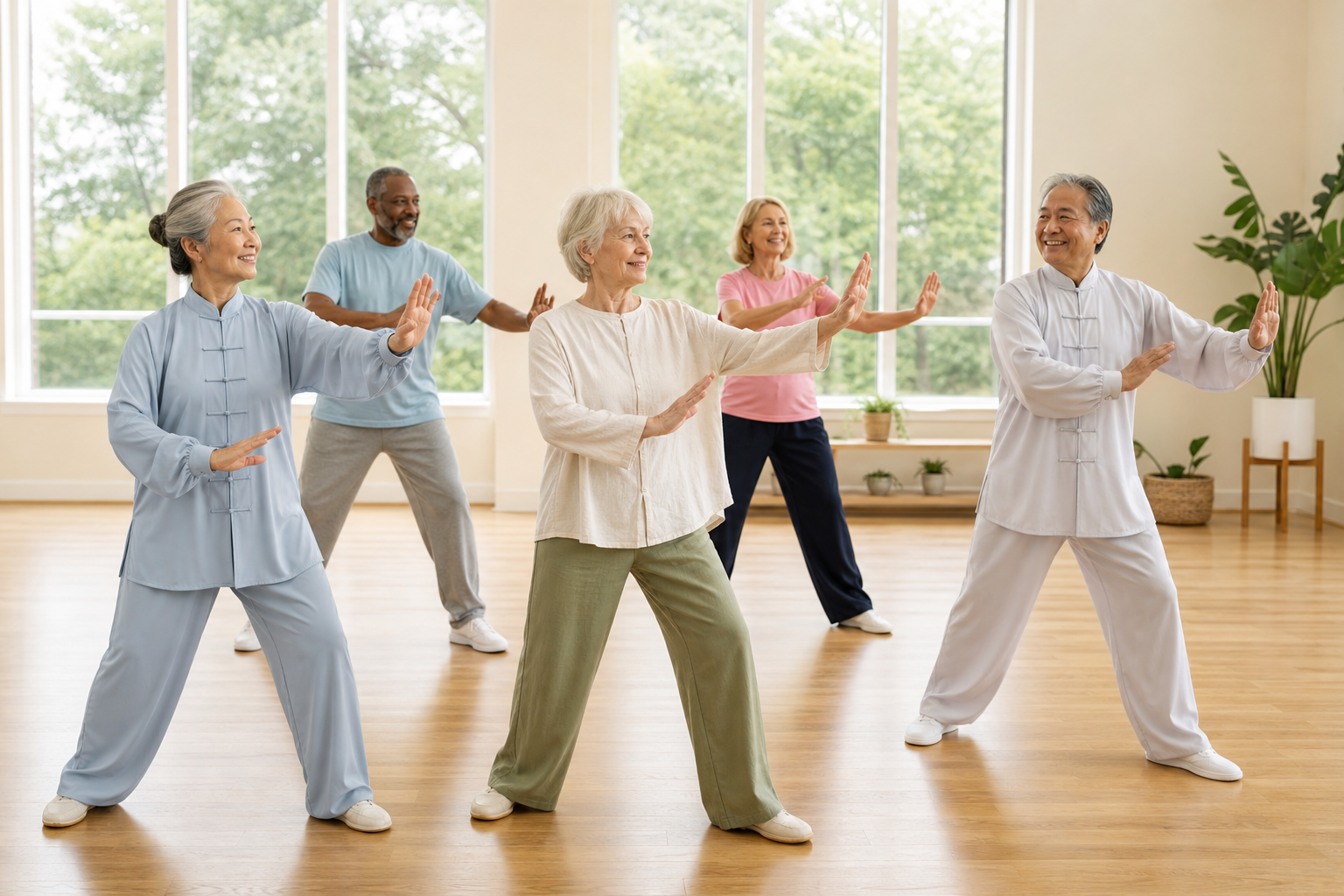
Here’s where it gets interesting: Most of my patients start noticing improvements in stiffness and confidence within 2-3 weeks. The dramatic balance improvements—like rising from a chair without armrests or walking uneven sidewalks—usually show up after about 8-10 weeks of regular practice.
A reader emailed me last month: "Dr. Torres, I’ve only done tai chi for a month, but I haven’t tripped getting out of bed in weeks. Is that normal?" Yes! The brain-body "reboot" is subtle but real. Most clinical studies use 45-60 minute sessions, 2-3 times weekly, but I’ve seen good results with as little as 15 minutes daily.
- After 1 month: Less stiffness, more body awareness, a bit more energy. Most people feel "lighter" in their joints—even if pain is still present.
- After 2-3 months: Noticeably improved balance, better knee/hip mobility, confidence climbing stairs or navigating crowds.
- Beyond 3 months: These habits stick—and so does the improvement. Some patients cut back on pain meds, some rejoin walking groups or dance classes. (Always discuss medication changes with your doctor.)
Pairing Tai Chi With Other Tools: My Honest Take
Tai chi isn’t magic, and it won’t replace medical care or physical therapy for severe arthritis. But it stacks beautifully with other joint-friendly supports. For example, if knee pain flares up or you’re worried about instability, a medical-grade brace can be a game-changer. I’m fond of the NEENCA Professional Knee Brace for its adjustable support and patella gel pad—especially when you’re building confidence with new movements.
On the other hand, some folks get by with zero gear—just a sturdy chair nearby for backup. Listen to your body, and don’t be afraid to experiment (safely!).
Potential Pitfalls and Limitations—Because Nothing Is Perfect
Most articles won’t tell you this, but tai chi isn’t a miracle cure. If your arthritis is severely advanced (bone-on-bone knees, for example), you may need more than movement re-education—think physical therapy, injections, or even surgery. And if you have a major history of falls or balance-related injuries, talk to your doctor before starting any new exercise program, including tai chi. Safety is paramount.
Also, the biggest barrier I see? Impatience. Tai chi is slow, and so is progress. If you’re looking for overnight results, you’ll be frustrated. But give it a few weeks of honest effort, and let your body surprise you.
Real-Life Success Stories—And Why They Matter
My clinic isn’t a research lab, but I’ve witnessed dozens of transformations. Sometimes it’s "just" regaining the confidence to walk the dog again, sometimes it’s retiring the walker. Eileen, a former dancer, told me, "Tai chi made me feel coordinated again. I forgot what that felt like." Her smile said it all.
What really matters to me? Not the perfect form, but the shift in attitude: "Maybe my body still has more to give." That hope is worth its weight in gold.
Takeaways: Small Steps, Big Rewards
- Tai chi can reduce arthritis pain and dramatically improve balance—sometimes on par with physical therapy.
- You don’t need to be athletic or flexible. Tai chi is accessible at nearly any age or ability.
- Consistency beats intensity. Even 10 minutes a day can create lasting change.
- Consider pairing tai chi with research-backed resources like Treat Your Own Knees or supportive braces like the NEENCA Professional Knee Brace if you need extra support.
- Above all: Give yourself permission to start small, progress slowly, and enjoy the unexpected benefits—mental, social, physical.
Final Thoughts
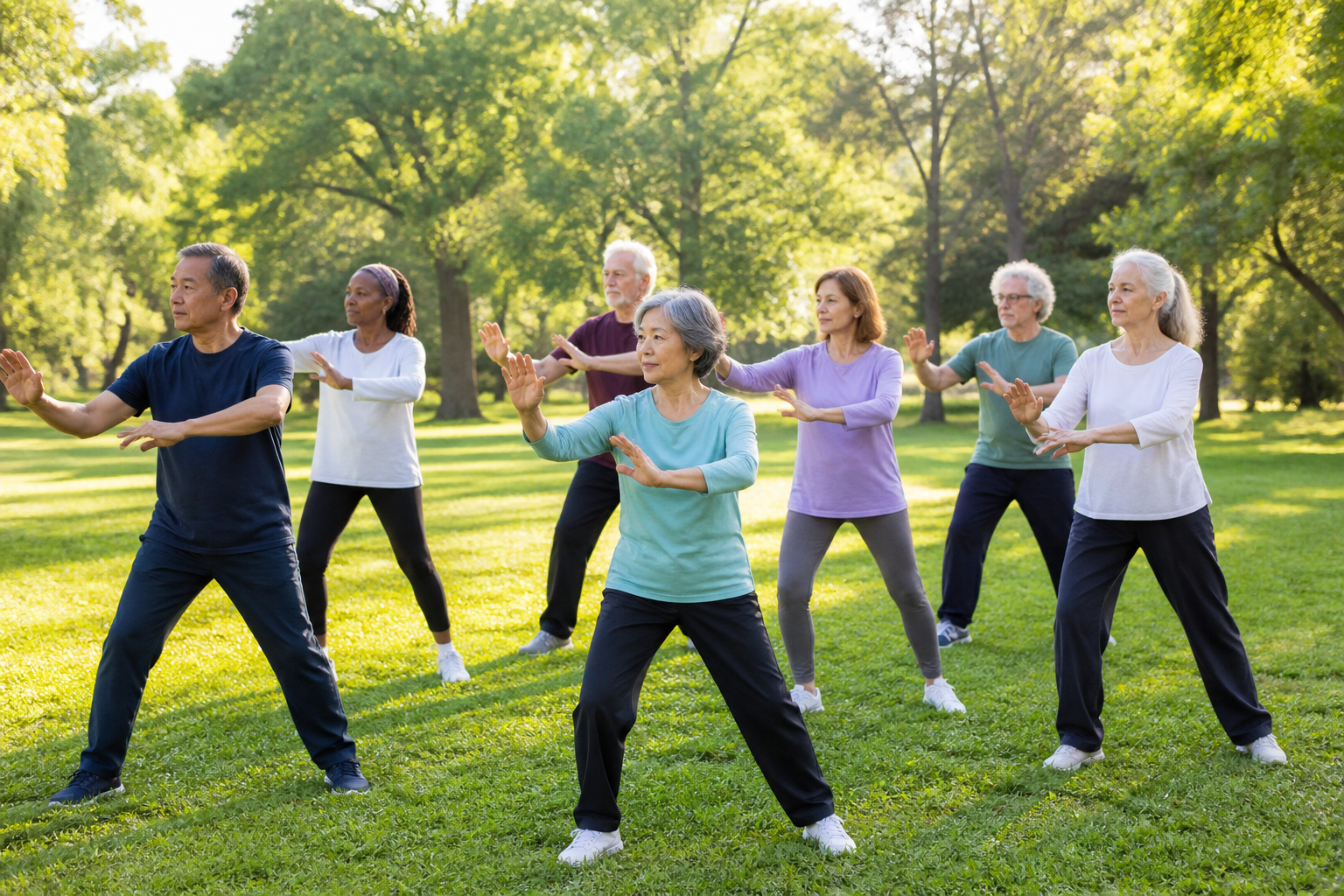
If you’ve ever looked at those peaceful tai chi groups in the park and thought, "That’s not for me," I hope you’ll reconsider. Your joints—and your sense of confidence—might thank you. I’ve watched tai chi change lives, one deliberate, graceful step at a time. If you try it, drop me a note. I’m always cheering you on.
Disclaimer: This article is for informational purposes only and not a substitute for medical advice. Talk to your healthcare provider before starting new exercise routines, especially if you have significant balance or orthopedic issues.
— Dr. Michael Torres, DC
Chiropractor & Nutrition Counselor | Joint Relief Reviews