Why Yoga? My Own Battle with Stiff Joints
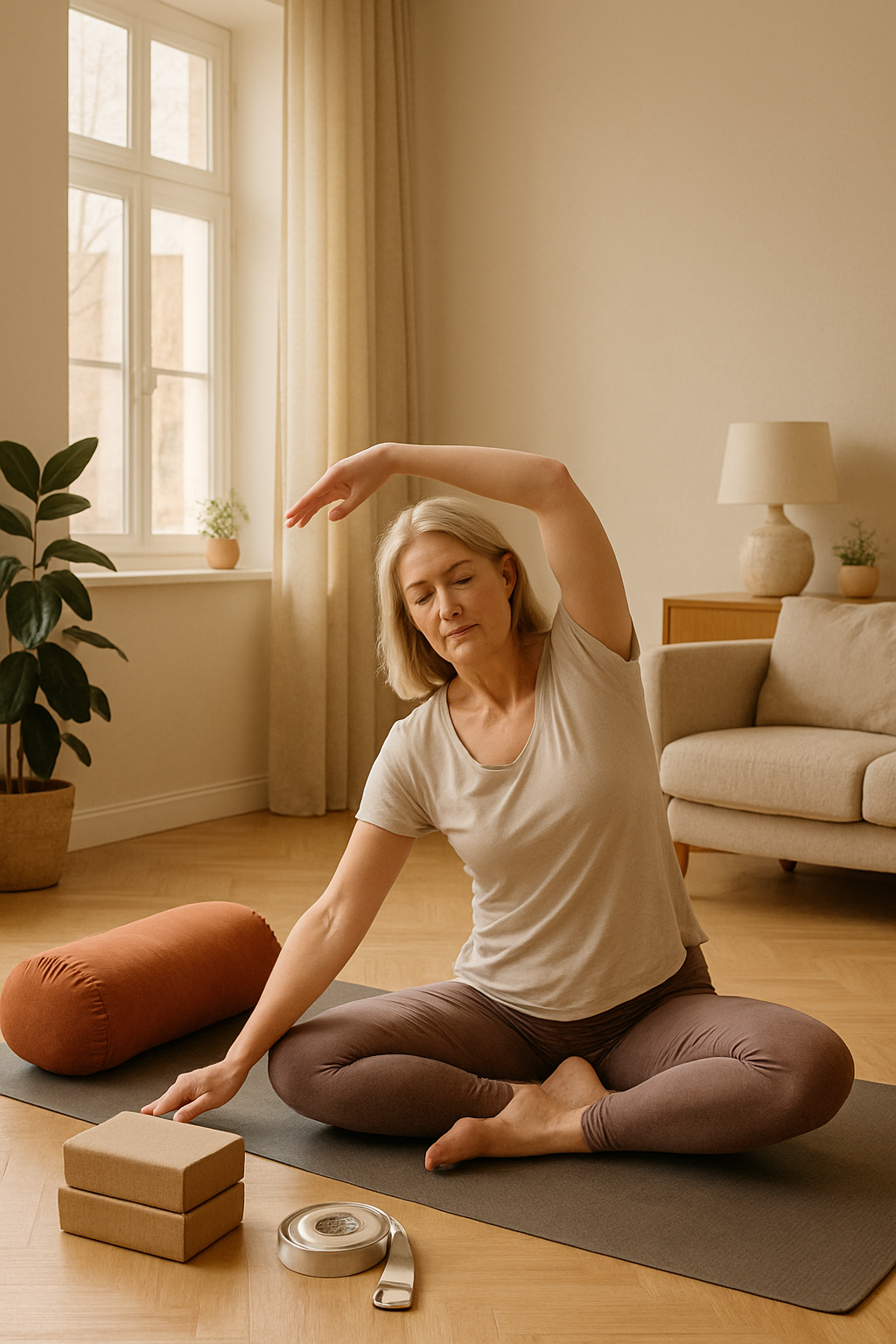
I’ll be honest—when my rheumatologist first suggested yoga for my knee pain, I rolled my eyes. I’d spent years interviewing experts for Arthritis Today and I knew exercise mattered. But getting down on a mat when every joint creaked? That felt impossible some mornings. Then, after one rough winter, I finally listened. A restorative yoga class later (with more props than pride), my knees felt looser. It wasn’t a miracle. But it was a start.
Stiffness Isn’t Just Annoying—It’s a Warning Signal
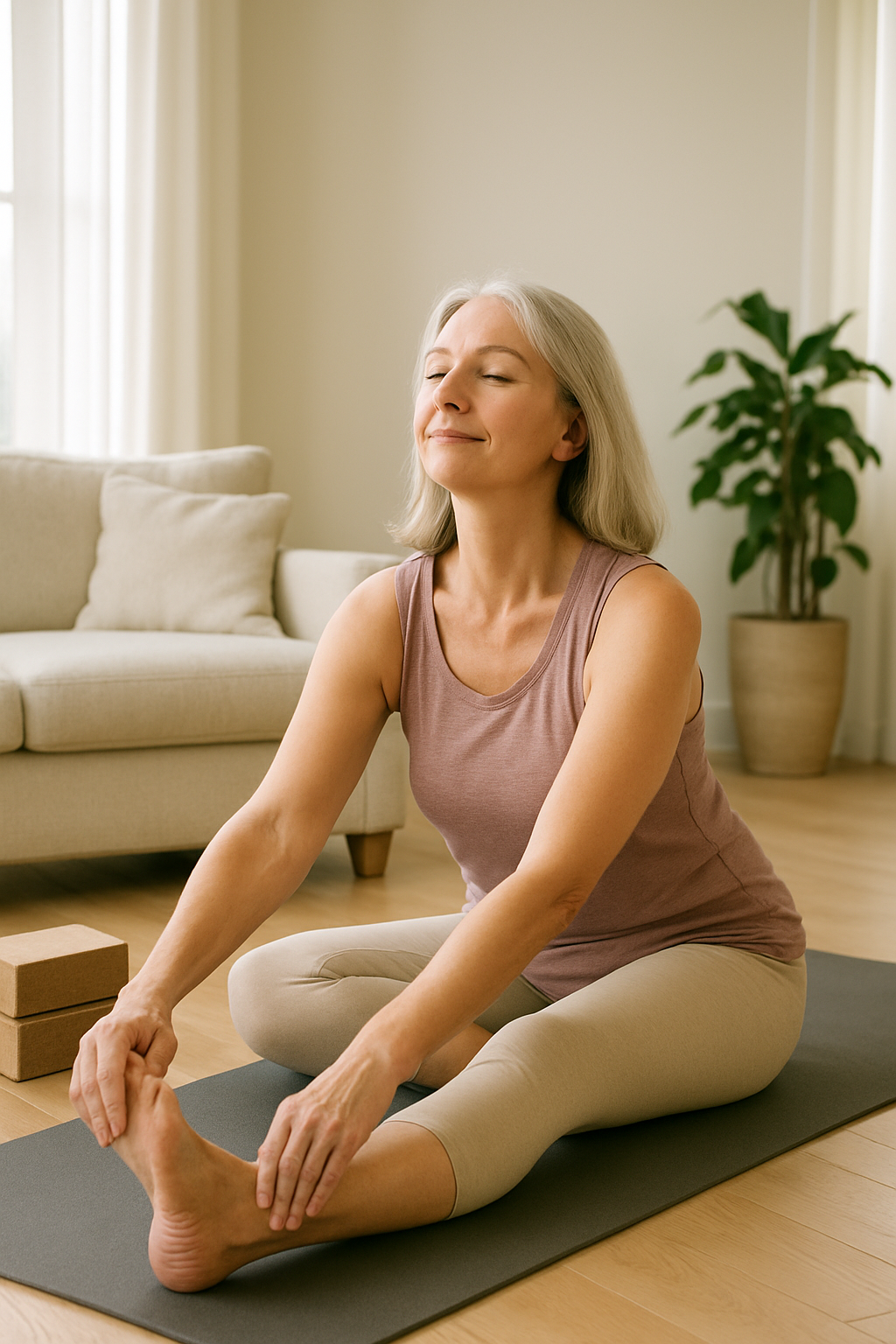
If you wake up and shuffle to the bathroom like Frankenstein, you’re in good company. Joint stiffness, especially in the morning, is one of the most common complaints I hear from readers—especially those over 40, or anyone living with osteoarthritis or chronic pain. In the 2023 Journal of Rheumatology survey, nearly 68% of respondents over 50 reported daily stiffness lasting more than 30 minutes.
Here’s the thing: That stiffness is more than just uncomfortable. It’s your body waving a red flag for inflammation, cartilage wear, or muscle tightness. And, if you ignore it, you can set yourself up for bigger mobility problems down the line—think loss of independence stuff. Not trying to scare you! But I wish someone had told me that bluntly in my 30s.
How Yoga Loosens Stiff Joints (The Science, Not the Hype)
I’ve read dozens of studies on yoga for arthritis and joint pain, and the results are surprisingly consistent—if you stick with it. The real kicker? You don’t have to twist yourself into a pretzel or balance on your head. Gentle, consistent stretching and slow movement are enough to wake up your synovial fluid (that’s your joints’ natural lubricant) and encourage blood flow to cartilage—per the 2022 BMJ Open Sport & Exercise Medicine review. Even 10-15 minutes, several times a week, can make a difference.
What’s actually happening? Yoga combines three proven pain-easing factors:
- Stretching tight muscles—which reduces pressure on the joint itself
- Gentle weight bearing—which helps rebuild supporting tissue over time
- Deep, slow breathing—which calms the nervous system (underrated for pain relief!)
Researchers at the University of Pennsylvania even found that people with knee osteoarthritis who practiced yoga twice a week for 8 weeks had a 39% reduction in stiffness scores. Not bad for something you can do in pajamas, right?
Who Should Try Yoga for Stiffness?
This is where it gets interesting. I’ve talked to marathoners, retirees recovering from surgery, and people barely able to touch their toes. Almost everyone can benefit from simple yoga moves—but the trick is to start where you are. (If you’ve had a joint replacement or serious injury, pause here and talk to your doctor or PT before you unroll the mat.)
My Top Yoga Poses for Joint Stiffness and Mobility
Here’s my real-world list—the stuff I return to on my own rough days and recommend to friends, neighbors, and sometimes total strangers in the supplement aisle. You don’t need fancy skills, superhuman flexibility, or even a mat (though a good rug helps). And please: Never force a pose. You should feel a gentle stretch, not pain.
1. Cat-Cow Mobilization
This one’s a classic for a reason. Start on your hands and knees (use a cushion if you need it). Inhale, arch your back (cow), look up slightly; exhale, round your spine (cat), tuck your chin. Repeat slowly for 6-10 breaths. It’s fantastic for the spine, hips, and shoulders—even wrists.
2. Reclined Knee-to-Chest
Lie on your back, feet flat. Gently pull one knee toward your chest and hold it (with both hands) for 20-30 seconds, then switch. I do this every morning before getting out of bed—it wakes up the lower back and hips without strain. Bonus: Try softly circling your ankle while holding the pose for a little multi-tasking mobility.
3. Supported Child’s Pose
Knees wide, big toes touching, sit back toward your heels and stretch arms forward. Place a pillow (or two!) under your chest for support if needed. This pose is a game-changer for stiff hips, knees, and even shoulders. Don’t worry if your forehead doesn’t reach the floor—mine rarely does.
4. Seated Forward Fold (with Props)
Sit with legs extended, knees bent as much as needed. Hinge at your hips, reach forward, and drape your torso over a bolster or folded blanket. Hold for 1-2 minutes, breathing deeply. This opens up the back of the body—hamstrings, lower back, even calves—and is far gentler than those old-school toe-touches from gym class.
5. Gentle Figure-4 Stretch
Lie on your back, cross one ankle over the opposite knee, then gently pull the uncrossed thigh toward your chest. Hold for 20-40 seconds each side. If your hips are cranky, keep everything loose and don’t force it. This stretch is surprisingly effective for the outer hips (your glute medius and piriformis, for fellow anatomy nerds).
Accessories That Make Yoga (and Joint Care) Actually Doable
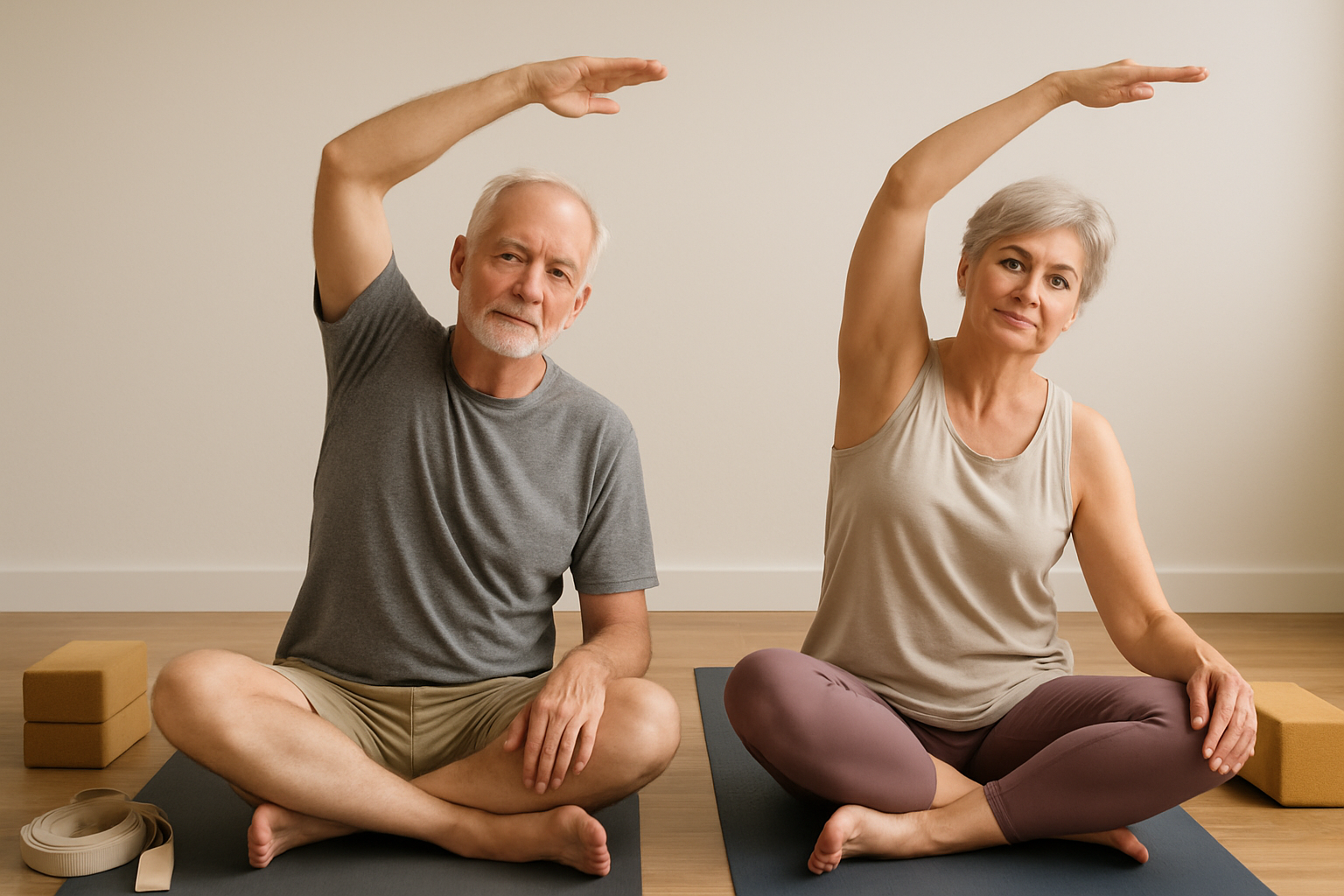
Here’s where most articles get it wrong: they assume you’ll be fine on a thin mat, bare knees. My knees say otherwise. Props are your friend. That includes yoga blocks, thick mats, even rolled-up towels under your knees. But honestly, the biggest game-changer in my practice (and for readers with arthritis) has been a good knee support. The Modvel Compression Knee Brace has more than 75,000 Amazon reviews for a reason. I use it for yoga, walking, you name it. It’s affordable and, more importantly, doesn’t slide down mid-stretch. (If you have a fancier brace you love, by all means stick with it. But if you’re looking for something simple and supportive, this is one worth trying.)
One more tool that’s helped me—especially on especially stubborn mornings—is a quality heating pad. The Pure Enrichment PureRelief XL Heating Pad covers my whole lower back and both knees at once. A few minutes of moist heat before yoga or stretching can turn a "no way" day into a "maybe I’ll try" day. Moist heat is proven (seriously, see the 2021 Arthritis & Rheumatology data) to reduce pain and improve range of motion—especially when paired with gentle movement.
Can Supplements Help with Stiffness?
This is where I get a lot of emails. If you’re already doing the lifestyle stuff—yoga, walking, hydration—but still wake up with creaky knees, you might be tempted to try a supplement. I’m cautious here: some work, some don’t, and some are just plain overpriced.
But there’s decent evidence for glucosamine and chondroitin (especially in combination), as well as turmeric and MSM, for modest joint comfort. The Vimerson Health Glucosamine Chondroitin Turmeric MSM & Boswellia supplement covers all those bases. I’ve interviewed researchers who say the ideal dose for glucosamine sulfate is about 1,500mg daily—this formula hits that number. Is it a miracle pill? No. But I’ve heard from dozens of readers who say it takes the edge off for them, especially when combined with movement.
Quick PSA: Always check with your doctor before starting a new supplement, especially if you’re on blood thinners, have diabetes, or are scheduled for surgery.
Why Yoga Reins Supreme for Joint Mobility
Here’s the unpopular opinion: yoga isn’t the only solution for stiff joints, but it’s the most sustainable in the long run. It’s low-impact, adjustable for any level, and sneaks in strength training without punishing your joints. Most importantly, it teaches you to pay attention to your own body’s limits—something too many of us ignore until things get worse.
In 2023, a meta-analysis in Arthritis Care & Research found that older adults who practiced yoga or tai chi twice weekly reported less stiffness, fewer falls, and better quality of life than those who only did "regular stretching." Not all movement is created equal.
The Stubborn Truth: Consistency Beats Intensity
Here’s something I wish someone would’ve told me: You don’t need hour-long yoga flows or fancy classes. Five minutes a day, or a few poses in the morning and before bed, are enough to keep your joints from seizing up. (I keep a yoga strap beside my bed for this very reason.) The key is showing up, even when you don’t want to, especially on your stiffest days.
Bonus Tips for Getting the Most from Your Practice
- Warm up first: Gentle marching in place, a heating pad, or even a warm shower can ease you in.
- Use props. I can’t say it enough—stack blocks, towels, and pillows by your mat.
- Breathe slowly—4 counts in, 6 counts out. This calms nerves and muscles alike.
- Set realistic goals. Some days, stiffness will win. That’s okay. Show up tomorrow.
- Check your alignment. If in doubt, film yourself or ask a yoga instructor (online or in person) for feedback.
When to Be Careful (Or Take a Break)
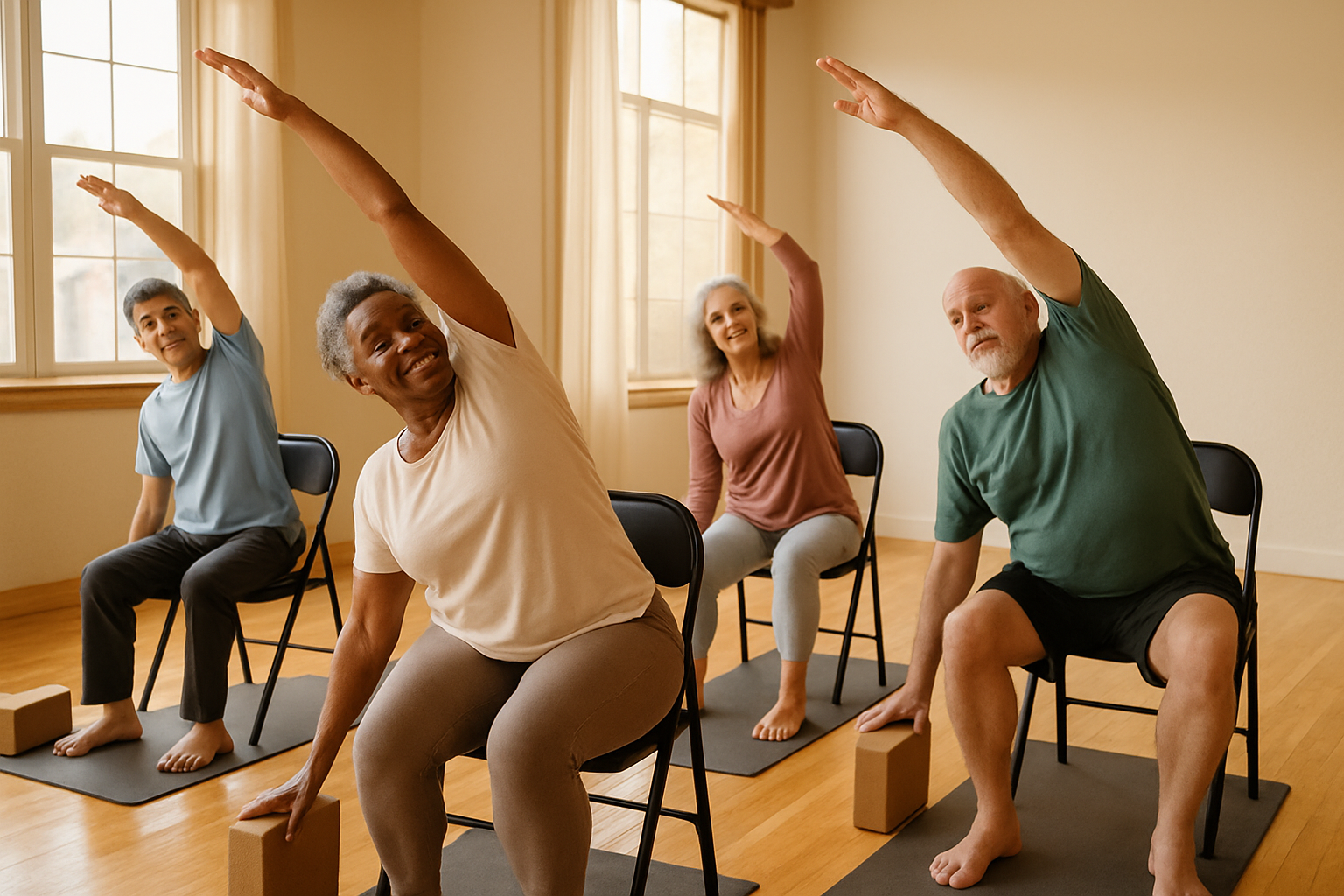
Yoga is safe for most people, but not all poses are right for every joint issue. If you have severe osteoporosis, advanced joint degeneration, or a recent surgery, avoid deep twists and anything that puts direct pressure on affected joints. And the moment you feel sharp pain, stop. I always remind readers: gentle discomfort is normal, but pain is your body’s stop sign.
Putting It All Together: A Simple Joint-Friendly Routine
If you want an easy sequence, here’s one I do on my laziest, stiffest days (and yes, sometimes in pajamas):
- Cat-Cow (1 minute)
- Reclined Knee-to-Chest (30 seconds each side)
- Supported Child’s Pose (1-2 minutes, as tolerated)
- Seated Figure-4 (30 seconds each side)
- Seated Forward Fold (1 minute, with support)
That’s less than 10 minutes. Sometimes, I’ll add light joint circles or just wiggle my toes and fingers to finish. It’s not glamorous, but it works. And it’s way more sustainable than any "30-day challenge" you’ll see on Instagram.
What Works for Me (And What Might Work for You)
I’m not going to claim yoga will solve all your problems. But for me—and most of the patients and readers I’ve spoken to—it’s been a lifeline for making mornings less miserable and keeping mobility from slipping away. The key is starting somewhere, using the props and tools that make it possible, and forgiving yourself on the rough days.
If you’re curious about supportive gear, here are the three I mentioned that genuinely help:
- Modvel Compression Knee Brace – For anyone whose knees protest every stretch.
- PureRelief XL Heating Pad – For quick heat and easier movement.
- Vimerson Health Joint Support Supplement – If you want to try a science-backed joint formula.
But honestly, even if you just grab a towel and try supported Child’s Pose, you’re doing more for your future mobility than you realize. After 20 years reporting on joint health, that’s my favorite takeaway.
If any of this sparks a question or you want to share your own story, my inbox is always open. Here’s to better mornings—and joints that let us do more of what we love.
— Karen Whitfield, Health Journalist and Reluctant Yoga Convert