Tai Chi Benefits for Arthritis and Balance: What Nobody Tells You
Last fall, one of my toughest patients—a former ballet dancer with gnarly knee osteoarthritis—walked into my clinic beaming. Not because her pain had vanished, but because she’d just finished her first tai chi class. She told me, “It’s the first time I’ve felt gracefully in control of my own body in years.”
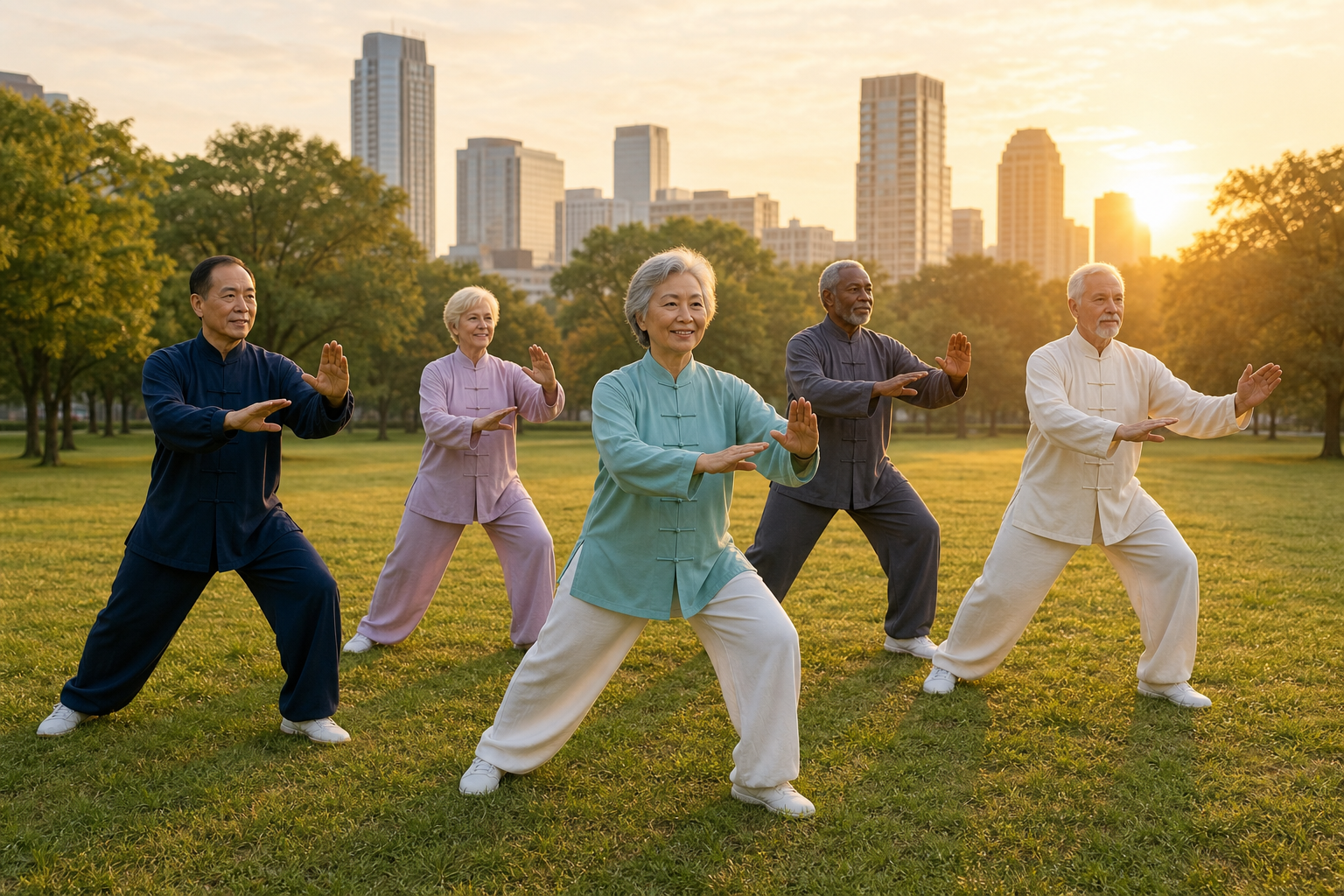
Her story isn’t unique. If you’re nodding along, frustrated with stiff joints or that ‘I might topple over any minute’ feeling, you’re not alone. I’ve spent over a decade helping people reclaim movement, and honestly, tai chi still surprises me—for reasons the glossy pamphlets never explain.
Living with Arthritis: The Double Whammy
Arthritis is relentless. The usual suspects—stiff knees, swollen fingers, that deep ache after you finally sit down—are just half the story. The real kicker? Most of my patients worry even more about falling or losing their independence than pain itself. And they’re right, because arthritis doesn’t just gnaw on joints. It quietly sabotages your balance, too.
Falls after 65 are the number one cause of injury-related hospital stays in the U.S. (CDC, 2022). Arthritis adds insult to injury: pain causes you to move less, which leads to weaker muscles and slower reflexes. Throw in the side effects from medications—and it’s a perfect recipe for unsteadiness.
Tai Chi: Not Just Slow Dancing in the Park
Look, I’ll be honest—I wasn’t always a believer. My first exposure to tai chi was a grainy VHS tape my mother-in-law swore by. But two words changed my mind: “randomized trial.” For the skeptics (and I was one), here’s where things get interesting.
The New England Journal of Medicine (Wang et al., 2010) published a landmark study: people with knee osteoarthritis who did tai chi twice a week had less pain, better function, and—most importantly—improved balance compared to those who stuck with stretching alone. And we’re not talking about a handful of participants: 40+ people, aged 55+, with moderate-to-severe pain. The tai chi group outperformed the others on every meaningful metric.
How Does Tai Chi Help Arthritis?
Here’s the thing: tai chi isn’t a magic wand. It’s a system—hundreds of gentle, flowing movements that build strength, tweak your posture, and teach your nervous system to react faster. Each session gently stresses the joints in a good way (think: Goldilocks “just right” load). Over time, this encourages cartilage to absorb nutrients and stay supple, while supporting muscles get stronger without brutal impact.
- Pain Reduction: Several meta-analyses—yes, plural—have shown that tai chi reduces arthritis pain scores by up to 35% (Arthritis Care & Research, 2015). The effect rivals NSAIDs for some people, without the upset stomach.
- Better Joint Mobility: Movements emphasize gentle weight shifting and smooth transitions, which lubricate stiff joints and improve range of motion. I’ve seen patients go from 90° knee bends to 120° in a few months, just from regular practice.
- Mood & Sleep: Anxiety and insomnia love to tag along with chronic pain. Tai chi’s meditative focus lowers stress hormones—cortisol drops, endorphins rise. One 2016 BMJ review found dramatic improvements in sleep quality for chronic pain patients who stuck with tai chi.
Why Tai Chi Improves Balance (It’s Not Just Stronger Legs)
Most articles gloss over this part. Sure, stronger thighs help—but tai chi rewires your whole balance system. Here’s how:
- Proprioception Training: You know that wobbly feeling stepping off a curb? Tai chi drills your internal “GPS” by challenging you to shift weight slowly, control your center of gravity, and sense foot pressure. Clinical trials (Journal of Aging and Physical Activity, 2019) show a 45% reduction in fall risk after 16 weeks of regular tai chi practice.
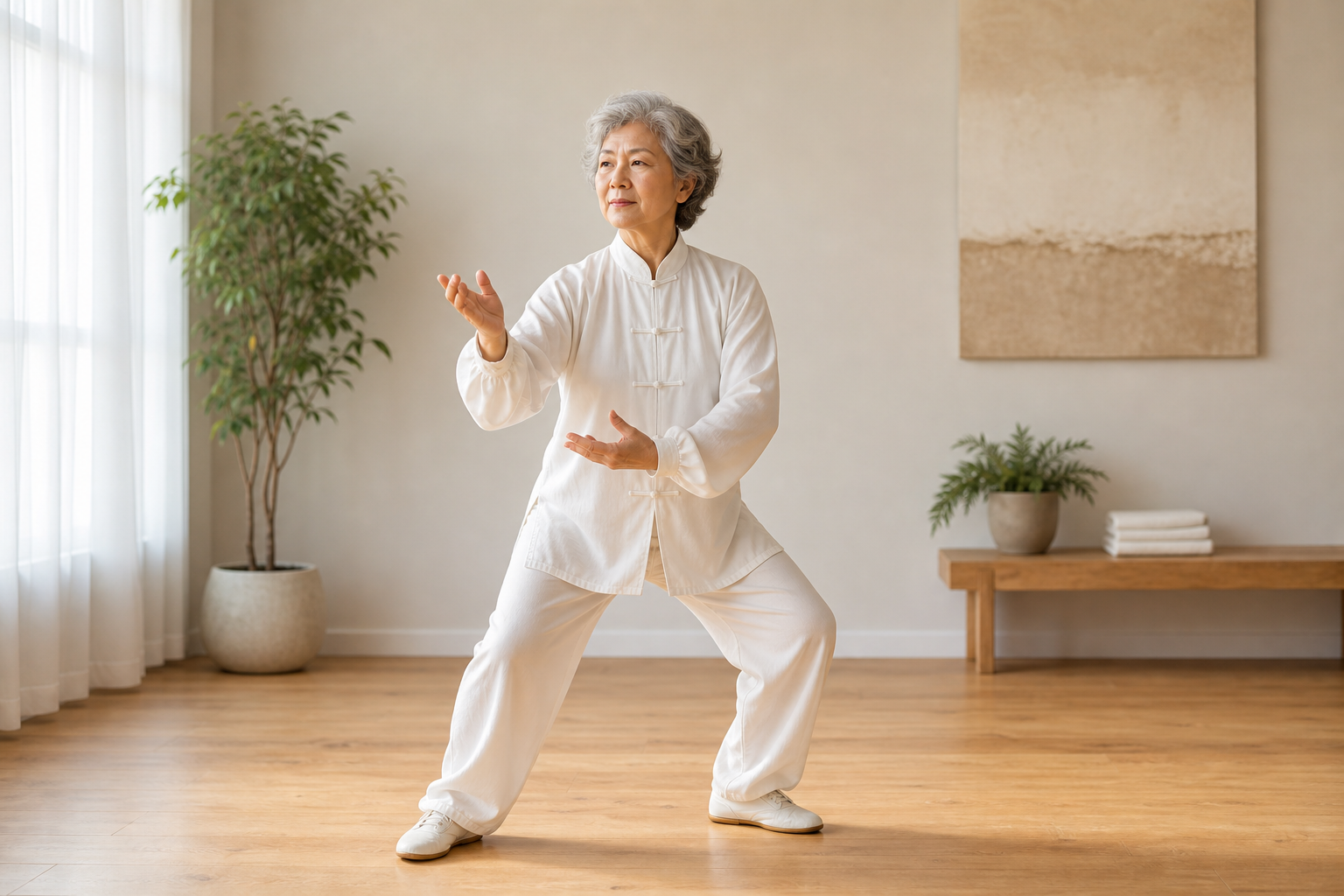
- Postural Control: Movements like “White Crane Spreads Wings”—yes, the names are poetic—force you to coordinate upper and lower body, making subtle trunk adjustments. This is exactly what most fall-prevention protocols are missing.
- Reaction Speed: Studies using force plates (think fancy balance-measuring mats) have documented that regular tai chi increases your ‘step and recover’ speed, so you’re less likely to freeze up if you trip.
I remember a reader from Minnesota who emailed last winter: “I slipped on ice, but my tai chi teacher’s voice popped into my head—bend the knees, relax, and recover. And I didn’t fall.”
But Does It Really Work for All Types of Arthritis?
This comes up a lot. I’ve had folks with rheumatoid arthritis, psoriatic arthritis, and straight-up mystery joint pain all try tai chi—with overwhelmingly positive feedback. The movements can be adapted to sitting or standing, and you never need to drop to the floor (my patients love this). One caveat: always check with your doctor before starting, especially if you’ve had joint replacements or balance problems that put you at high fall risk. Sometimes, I’ll recommend a gradual approach—one move at a time, even holding onto a sturdy chair for the first sessions.
And here’s an honest limitation: if you’re in the midst of a hot, swollen flare, tai chi should wait until things cool down. Listen to your body, and don’t let any instructor push you past a pain rating of 3 out of 10.
How to Start (Even If You’re Nervous or Stiff)
I get it—walking into a new class can be nerve-wracking. The good news is, tai chi is famously beginner-friendly. Most classes are welcoming, slow-paced, and taught by people who love helping others. If you’re not quite ready for a group setting (or just want to test the waters at home), there are excellent YouTube channels and DVDs. Just skip any routine that promises to “blast calories”—the best arthritis routines focus on basics, not speed.
Here’s what I usually recommend in my clinic:
- Start with 10-minute sessions (2-3 times a week). Even short bursts build confidence and flexibility.
- Wear comfortable shoes with a bit of grip—slippers are out, but you don’t need fancy sneakers either.
- Practice in a safe area—clear rugs, move furniture, and keep a sturdy chair nearby for balance.
What If My Joints Hurt Too Much to Exercise?
This is a real barrier for so many people. On tough days, movement can feel like punishment. Sometimes, a little pain relief before practice can open the door. In my own experience (and that of dozens of my patients), applying a topical NSAID—like Voltaren Arthritis Pain Gel—about 20 minutes before gentle exercise can take the edge off enough to get moving. A 2020 review in Rheumatology International confirmed that topical diclofenac can decrease arthritis pain by 50% or more within 7 days.
(Of course, talk to your doctor before trying any new medication, even over-the-counter ones—especially if you have allergies, kidney issues, or are on blood thinners.)
The Underestimated Power of Small Gains
I always remind my patients: progress isn’t about perfection. If you can stand a little longer, walk a bit steadier, or sleep more deeply after a few weeks, you’re winning. A neat study from 2021 in Arthritis Care & Research showed that people practicing tai chi for just 12 weeks reported a 30% boost in confidence about avoiding falls—even before big strength gains appeared. That confidence changes everything. Once you trust your body a bit more, you move more, and the cycle builds on itself.
Combining Tai Chi with Other Tools—My Honest Take
Here’s something most guides skip: real life often demands a mix-and-match approach. Some of my most dedicated tai chi converts still swear by braces or heat packs on flare days. If your knees feel rickety, an adjustable, comfortable brace like the NEENCA Professional Knee Brace can provide the support you need to move through tai chi forms without fear. I’ve reviewed a lot of braces in my time—NEENCA’s side stabilizers and patella gel pad make a tangible difference for people with arthritis and balance issues.
And for those learning tai chi solo, structure matters. One slim, practical guide that’s helped both my patients and my own family is Treat Your Own Knees by Jim Johnson, PT. It’s not a tai chi manual, but its simple, research-backed exercises dovetail beautifully with tai chi’s focus on strength and responsiveness. Sometimes, the best results come from blending the wisdom of different approaches.
How Tai Chi Stacks Up: What Science (and My Patients) Say
Let’s compare: is tai chi just as good as traditional exercise, or is it hype? Well, a 2019 meta-analysis in Arthritis & Rheumatology found that, for older adults, tai chi matched or outperformed standard physical therapy in reducing pain and improving function in osteoarthritis. It also carried fewer risks of overuse injuries. In my clinic, the folks who stick with tai chi tend to “graduate” from using canes and report fewer pain flares than those who only do walking programs.
However, if your arthritis is severe and you need an extra push, don’t rule out other evidence-backed therapies. I often prescribe a blend—tai chi for coordination and mindfulness, resistance bands or aquatic therapy for raw strength, and, on rough days, a touch of gentle heat or topical pain relief to break the pain cycle.
Fresh Takeaways: What Works, What Doesn't, and Where to Go Next
So, if you’re wrestling with arthritis pain or wobbliness, tai chi is more than a passing fad. It’s one of the few movement practices I routinely recommend—because the benefits reach beyond just pain or flexibility. You’ll likely sleep better, fear falls less, and—if you stick with it—move more gracefully in daily life.
- Tai chi cuts pain and boosts balance in a way pills simply can’t match.
- Short, regular sessions (even in your living room) can spark big changes—no need to be athletic.
- On tough days, a trusted brace or topical relief like Voltaren can help you keep momentum without risking injury.
- If you’re lost, pairing tai chi with practical guides like Treat Your Own Knees helps cover all the bases: strength, flexibility, and responsiveness.
I know this is unpopular among some of my PT colleagues, but I’ll say it: don’t wait until you’re pain-free or “ready”—the act of starting tai chi (messy and imperfect as it feels) is where the gains really begin. Even a few flowing minutes can nudge your brain and body toward better balance and less pain.
Let’s Keep Moving—Together
If you have questions, or want more tailored tips, send them my way. My clinic’s seen everyone from “never-exercised-before” retirees to ex-athletes. Tai chi meets you where you are. And if you find that quiet strength in movement—even for a moment—you’re on the right track.
Take care, and keep moving at your own pace.
— Dr. Sarah Mitchell, DPT, Senior Health Editor at JointReliefReviews