Tai Chi Benefits for Arthritis and Balance: Surprising Science, Real Relief
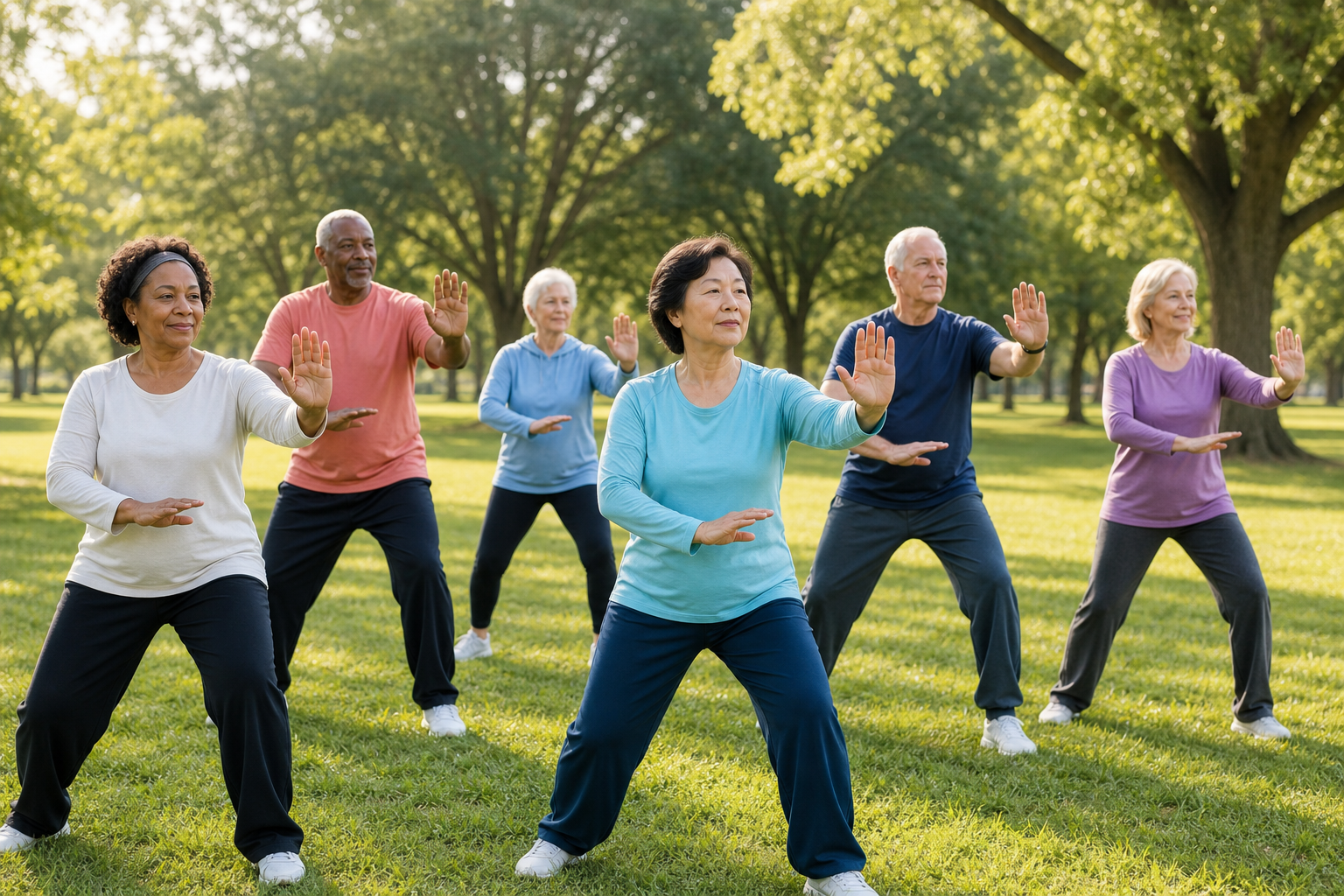
I’ll be honest with you—I never imagined that a slow-motion martial art would become my go-to prescription for arthritis and wobbly balance. But here we are. The first time I watched a group of retirees in my local park moving in that signature, graceful way, I thought, “Is that really exercise?” But then I dug into the research. And trust me, it’s more powerful than you think.
The Daily Grind of Arthritis (And Why Balance Matters)
If you find yourself clutching the stair rail, hesitating before stepping off the curb, or scheduling your day around pain flares, you’re not alone. I hear from readers every week—like Sharon from Michigan, who told me, “I used to dance, but now my knees buckle when I try to pivot. I’m afraid I’ll fall.” And that fear isn’t imaginary: the CDC reports that adults with arthritis are nearly three times more likely to fall than those without it. It’s a vicious cycle: pain makes you less active, inactivity weakens muscles, weak muscles mean worse balance, and… you get the idea.
Here’s the thing: balance isn’t only about not toppling over. It’s about confidence. It’s about being able to stroll the grocery aisles, play with your grandkids, or just get out of bed without a pit in your stomach. And that’s where tai chi comes in—soft on the joints, big on results.
What Exactly Is Tai Chi (And Can Anyone Do It)?
Think of tai chi as slow-motion movement meditation. It originated in China as a martial art, but now it’s more popular as a low-impact exercise for mind-body health. There are no machines, no mats, and—mercifully—no need for fancy gym clothes. All you need is a bit of space and the willingness to try something new.
I remember my first class. I was surrounded by people in their 80s (and at 52, I felt like the spring chicken). Nobody cared about perfect form. People laughed when they wobbled. There was a lovely moment where we all realized: movement could be joyful, not punishing.
How Tai Chi Helps Arthritis Pain
Let’s get scientific for a second. The Journal of Rheumatology published a landmark study back in 2009: after 12 weeks of tai chi, people with osteoarthritis in the knee reported up to 35% less pain. That’s not a typo. We’re talking effects on par with some non-steroidal anti-inflammatories—without the stomach upset. More recently, a 2023 review in BMC Musculoskeletal Disorders looked at 17 trials and found tai chi consistently improved pain, function, and even mood in arthritis sufferers.
But how? Tai chi isn’t just waving your arms. The slow, deliberate movements gently lubricate your joints, build strength in those small stabilizer muscles, and encourage you to shift your weight (which retrains your balance system). Plus, there’s a meditative aspect: slow breathing and mindful focus can actually lower stress hormones, which reduces overall inflammation. I’ve had several readers tell me their knees “felt looser” after just a few sessions.
Balance: The Secret Superpower of Tai Chi
This is where tai chi really shines. Unlike typical physical therapy—where you might do repetitive leg lifts or quad sets—tai chi incorporates dynamic balance. You’re constantly shifting your weight, standing on one leg, and moving in multiple directions. A 2016 meta-analysis in Arthritis Care & Research found that tai chi reduced fall rates by up to 43% in older adults with arthritis (yes, really).
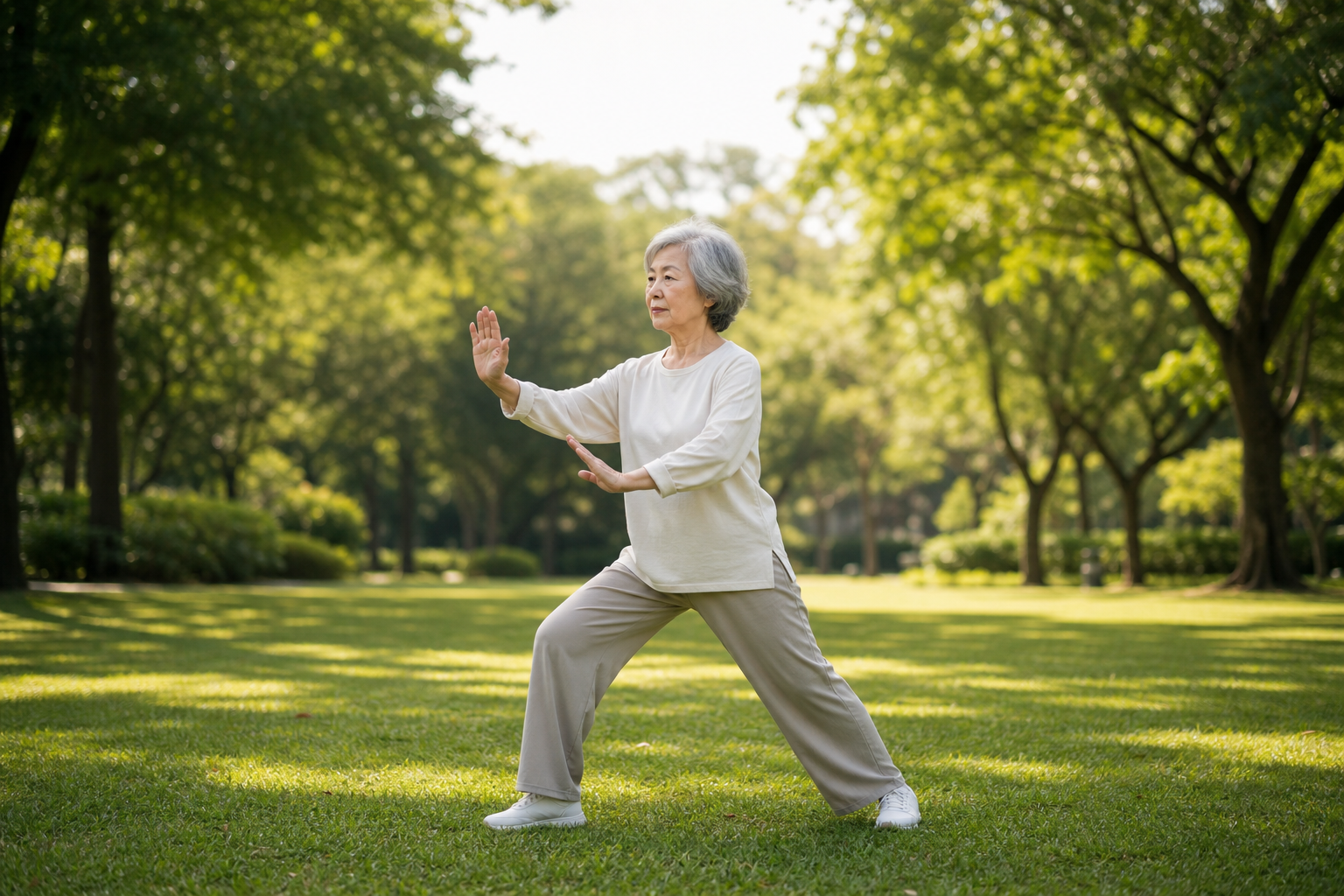
If you’re nodding along, you’re not alone. Several physical therapists I’ve interviewed swear by tai chi as a “secret sauce” for their most challenging balance patients. And it’s not just about age. Even middle-aged folks with knee injuries or early arthritis get real benefits.
What About Other Forms of Exercise?
I know this is a little controversial, but I stand by it: Not all exercise is good exercise when you have arthritis. There, I said it. High-impact aerobics, repetitive stair climbing, or aggressive weight lifting can strain swollen joints. Tai chi, on the other hand, is designed to be adaptable. You move at your own pace. If you can’t do a full squat, you stay higher. If your hands hurt, you relax them.
The Mayo Clinic actually lists tai chi as a recommended exercise for joint health and fall prevention. But here’s where it gets interesting: combining tai chi with targeted strength and flexibility work can supercharge your progress. That’s where I sometimes recommend the book Treat Your Own Knees by Jim Johnson, PT, which offers simple home exercises (with drawings!) for building knee strength and flexibility—a perfect complement for those who want more structure at home.
Getting Started: What You Need (And What You Don’t)
Look, you don’t need a silk robe or a bamboo garden. Just wear comfortable clothes and flat shoes with a little grip. Most local YMCAs, senior centers, or community colleges offer beginner classes. Some even have arthritis-specific tai chi programs—search “Tai Chi for Arthritis,” a curriculum designed by Dr. Paul Lam, which is used worldwide. And yes, online classes work surprisingly well, especially if you’re shy about group settings.
But here’s a safety note (and I say this both as a journalist and as someone who’s seen too many avoidable falls): If you have significant knee or ankle instability, consider using a supportive knee brace at first. I’ve personally tested the NEENCA Professional Knee Brace, which has side stabilizers and a surprisingly comfy patella gel pad. Several of my readers say it helps them feel more confident trying new movements—without that “robo-leg” feeling you get from bulkier braces. (Of course, talk to your doctor before starting any new exercise routine, especially if you have joint replacements, severe balance issues, or recent injuries.)
What to Expect from Your First Month
Here’s what nobody tells you: tai chi feels awkward at first. You’ll forget the sequence. You’ll wobble. You might even giggle. That’s normal. But after 2-3 weeks, most people notice an improvement in stiffness—especially morning stiffness—and a subtle boost in confidence. Your muscles start remembering the flow. And your mind, oddly enough, quiets down.
A reader (Carol, age 67) emailed me to say, “I caught myself reaching for a can on the top shelf without thinking. Two months ago, I would have used a step stool or just left it. Now my balance is better, and I’m not scared.” That’s the magic—tiny wins that add up.
Research Roundup: Tai Chi, Pain, and Stability
If you’re a data nerd like me, here’s a quick tour of the best studies:
- Journal of Aging and Physical Activity (2015): A 24-week tai chi program reduced knee pain scores by 30% in adults with moderate-to-severe osteoarthritis.
- BMJ Open (2018): Tai chi was as effective as physical therapy for knee OA pain—and actually improved depression and sleep more.
- Clinical Rehabilitation (2022): Participants doing tai chi twice weekly had significant gains in dynamic balance tests (Timed Up & Go), outperforming those in a standard stretching group.
And here’s the real kicker: benefits seem to grow over time. Even 8-12 minutes per day, most days of the week, leads to measurable changes by month three. Consistency matters way more than intensity.
Real Talk: Limitations and Who Should Be Cautious
Let’s not pretend tai chi is a miracle cure. It won’t replace your medications overnight. If you have severe joint deformity, advanced neuropathy, or very poor eyesight, you’ll need modifications—or perhaps a helper nearby during practice. And while pain relief is common, it’s rarely 100%. (If a teacher promises otherwise, run!)
Most importantly: check with your doctor or physical therapist if you have unexplained joint swelling, recent surgery, or a history of falls. Tai chi is safe for most, but not all. Don’t be shy about asking for advice. I’ve found that a little humility up front saves a lot of grief later.
Beyond Tai Chi: Other Simple Tools for Joint Health & Balance
Okay, I know some of you will ask: what else helps? Here are a few of my “greatest hits” for arthritis and wobbly balance:
- Heat therapy: On stiff mornings, an XL heating pad can loosen sore muscles before tai chi. I’m partial to the Pure Enrichment PureRelief XL Heating Pad. It covers hips, knees—heck, half your back—and the moist heat option penetrates deep. (Game-changer when the weather turns cold!)
- Gentle strength training: Leg raises, wall sits, even standing calf raises alongside your tai chi routine can boost progress. Simple is best at first.
- Mindful walking: Try a five-minute walk with focus on heel-to-toe movement. It complements tai chi’s weight-shifting magic.

But again—the biggest “secret” is sticking to something you’ll actually do. Tai chi fits that bill for more people than you’d think. And it’s social, too. Even my skeptical brother-in-law got hooked after his first class (he’s 62 and swore he’d “never do yoga in pajamas”—his words, not mine).
Takeaways: Tiny Steps, Big Changes
So here’s my challenge: carve out ten minutes today and look up a tai chi video for beginners. See how your joints feel. Ask your doctor if you’re unsure. And if you need a little extra support—whether it’s a sturdy knee brace or a good guidebook—don’t hesitate to make life easier on yourself. Arthritis doesn’t have to rule your day. Sometimes, the gentlest approach really does the most good.
Questions? Stories to share? Drop me a note—nothing gives me more joy than hearing about your progress. Here’s to steadier steps and less pain, one slow-motion movement at a time.
— Karen Whitfield, Health Journalist for JointReliefReviews.com
Karen Whitfield has covered arthritis research and joint health for Everyday Health, Prevention, and Arthritis Today. She brings a patient-first perspective to every article.