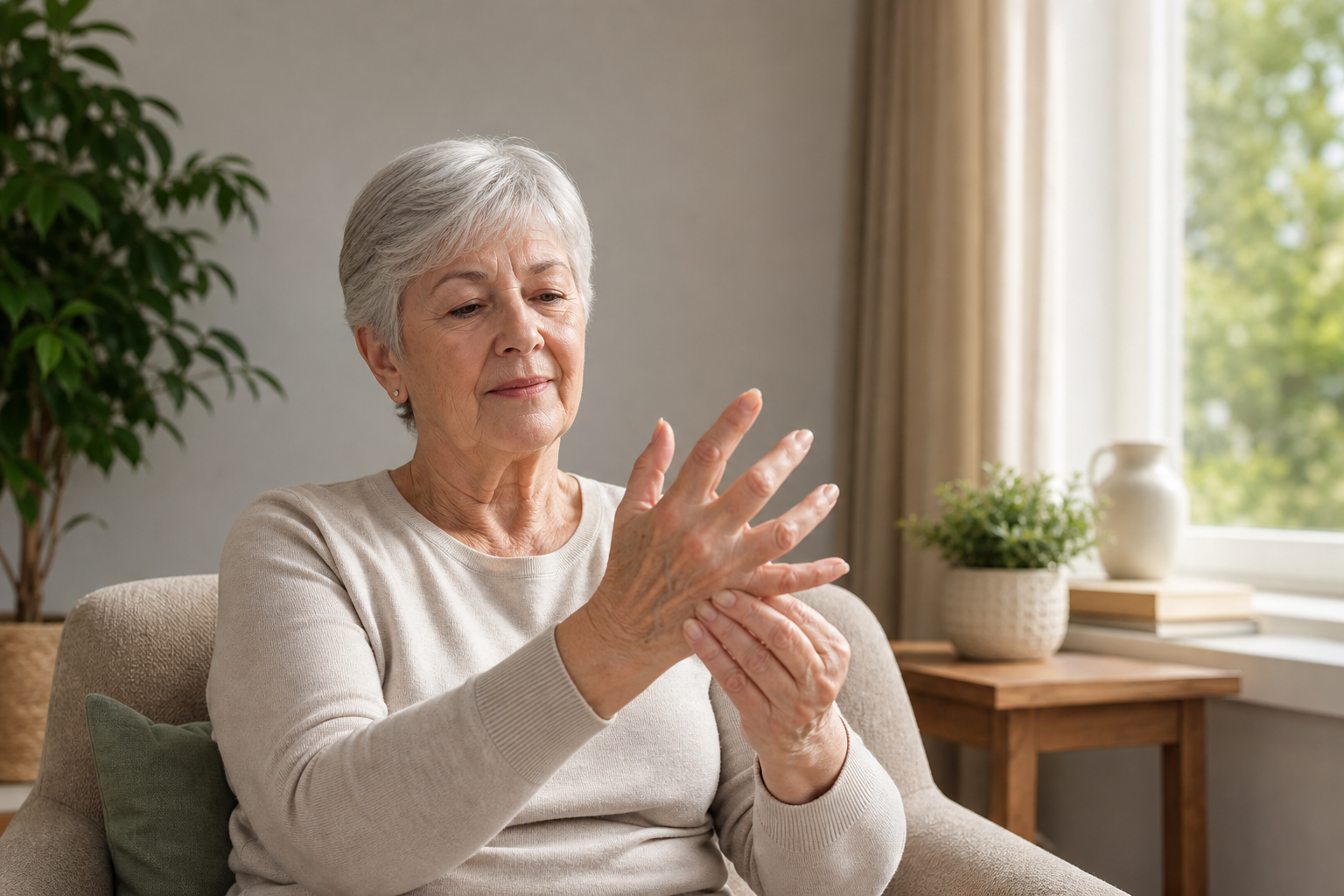
Hand Exercises for Finger Joint Arthritis: Simple Routines That Actually Work
Last week, I got an email from a retired music teacher named Rita. She wrote, "Dr. Torres, my fingers ache every morning. I can barely button a blouse. Are hand exercises for finger joint arthritis really worth my time, or is this just wishful thinking?"
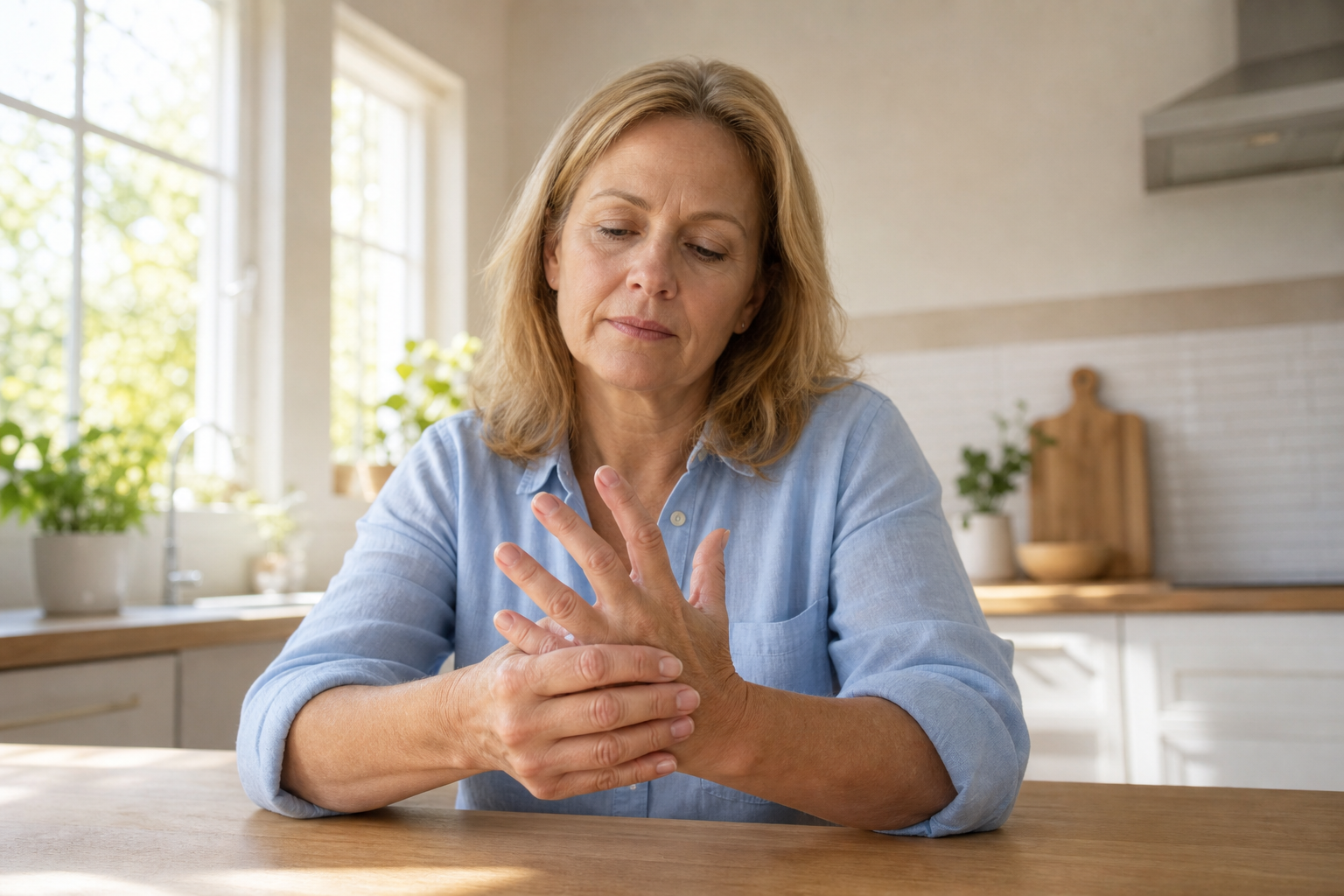
Look, if you’re reading this and nodding along, you’re hardly alone. In my years as a chiropractor and nutrition counselor, finger joint arthritis—especially osteoarthritis—shows up in every other patient over 55. And the worst part? It can make even simple joys—gardening, knitting, opening a jar—feel like a Herculean task.
Why Finger Joints Are So Vulnerable
Our finger joints are tiny marvels of anatomy—each lined with cartilage, wrapped in delicate synovial membranes, stabilized by ligaments and powered by thin tendons. But they take a beating. Years of squeezing, pinching, typing, and twisting add up. For women over 50, the odds climb even higher (Journal of Rheumatology, 2017: up to 40% report finger joint pain by age 65).
Arthritis happens when the cartilage protecting those finger joints wears down. The result: bone grinds on bone, inflammation blooms, and stiffness creeps in. Morning pain, swelling, and that relentless sense that your hands "just don’t work right"—these are the classic signs. Rheumatoid arthritis is a different beast, but many of these strategies still help.
Here’s the Thing: Movement Is Medicine
I used to be skeptical, too. My uncle had gnarly knuckles from years of bricklaying—he swore by his "arthritis cream" and ignored exercise. But then I started following the research. A 2018 meta-analysis in Arthritis & Rheumatology found that daily hand exercises improved grip strength by 26%, flexibility by 33%, and reduced pain scores by nearly a third. Not bad for something you can do watching TV.
So what works? You don’t need fancy tools. You do need consistency. The goal: get your joints moving, maintain range of motion, and gently build up the little muscles that support your hands. And please—talk to your doctor before starting any new routine, especially if your joints are severely inflamed or you have other health issues.
Essential Hand Exercises for Finger Joint Arthritis
I’ll be honest—some hand exercises floating around online are... questionable. I want to focus on what’s actually backed by evidence, and what dozens of my readers (and family members) have told me helps.
- Finger Bends: Hold your hand out, palm up. Slowly bend your thumb down toward your palm, then bring it back. Repeat with each finger, one at a time. 5-10 reps per finger. This wakes up the flexor tendons and keeps them sliding smoothly.
- Fist Stretch: Gently make a loose fist—don’t squeeze tightly. Hold for 5 seconds, then stretch your fingers out as wide as you can. Repeat 10 times. This one’s popular with my older golf buddies who swear it keeps their grip from freezing up.
- Tabletop Lift ("Claw"): Rest your hand palm-down on a table. Keeping your palm down, lift just your fingers up. Hold for 3 seconds, lower, repeat 8-10 times. This targets the small muscles around the finger joints.
- Finger Spread: Place your hand flat on the table. Spread your fingers apart as wide as you can, hold, then relax. 10 reps. If you’re feeling ambitious, try using a thick rubber band around your fingers for gentle resistance.
- Thumb-to-Finger Touch: Touch your thumb to the tip of each finger one at a time, making an O-shape. This builds pinch strength and dexterity.
Start with 5-10 gentle reps of each, once or twice a day. If you feel a sharp, stabbing pain, stop—mild discomfort is normal, but "ouch" is not the goal.
Morning Stiffness and Warm-Up Tips
Many patients tell me, "My hands feel like wooden blocks in the morning." That’s classic. Overnight, fluid pools in your joints, and moving them right away can feel impossible. What helps? Heat. A warm washcloth, paraffin wax bath, or even an old-fashioned heating pad for 10-15 minutes can work wonders before you do any hand exercise.
If you’re the practical sort (like me on busy mornings), I sometimes recommend the Pure Enrichment PureRelief XL Heating Pad. It’s extra-large, which is great for covering both hands at once, and the moist heat setting penetrates deeper. The auto shut-off feature is handy (pun intended) if you forget to unplug. Again—no miracle cure, but heat is a time-tested trick for loosening stiff joints before exercise.
What the Science Says About Hand Exercises
Here’s where it gets interesting: the 2017 SARAH trial—a gold-standard randomized study published in The Lancet—put hand exercises to the test for people with longstanding arthritis. The results? Those who committed to a structured hand exercise routine not only reported less pain and better function, but they were able to stick with their programs a year later. That’s rare in rehab research.
The best results came when exercises were paired with practical lifestyle tweaks: using thicker pens, soft jar openers, and taking regular breaks from repetitive tasks. And don’t overlook the value of "responsiveness" training—a fancy term for teaching your hands to react quickly (think: catching keys, buttoning with less fumbling). Simple practice makes a difference over time.
Do Hand Braces or Splints Help?
Okay, I’ll wade into a little controversy. Some therapists swear by hand braces or splints for finger arthritis, arguing that they give your joints a break and prevent deformity. Others insist too much support can actually weaken the small stabilizing muscles you need. My take? Use a brace short-term (like during a flare-up or while sleeping), but don’t rely on it all day unless your doctor says so. You want to preserve as much strength and motion as possible.
Other Tools and Tricks
- Therapy Putty: Squeezing and stretching therapy putty builds fine muscle strength. Start with a soft grade (yellow or red) and work up. Don’t overdo it.
- Stress Ball: The classic soft foam ball is great for gentle squeezing exercises. Just avoid anything too stiff—it should give easily.
- Warm Water Baths: Submerge your hands in warm water before and after exercises. It’s not just soothing; water supports the joints and makes movement easier.
- Assistive Gadgets: Built-up handles, jar openers, wide-grip pens. Small changes, big difference.
Beyond Exercise: Real-World Relief for Finger Joint Arthritis
Now, if you’re asking, "Is exercise enough?"—sometimes yes, sometimes no. Let’s be honest, some days you just want something that takes the edge off. That’s why many of my patients blend hand exercises with topical pain relievers. The top pick in my own house? Voltaren Arthritis Pain Gel—it’s FDA-approved, contains diclofenac sodium, and the research is solid (2016 BMJ review: significantly reduced arthritis pain compared to placebo). It’s not greasy, rubs in fast, and doesn’t have that menthol smell many other creams do.
And here’s the kicker: Most articles don’t mention that regular exercise may make these topicals even more effective by improving blood flow to the joints. A win-win.
One last option: If you want a deeper dive into home-based routines, I often recommend Treat Your Own Knees by Jim Johnson. Now, I know it’s focused on knees, but the principles for joint arthritis—progressive strengthening, flexibility, and responsiveness—translate well to the hands. The drawings are clear, and my mother-in-law still thanks me for buying her a copy. At under $12, it’s cheaper than a single copay.
Diet, Supplements, and the "Joint Health" Hype
Quick note (since someone always asks): What about glucosamine, chondroitin, turmeric supplements? Let’s just say, the jury’s still out. Some people swear by 1500mg glucosamine sulfate daily (2014 Cochrane review: modest benefit for some, no help for others). I tell patients—if it’s not breaking the bank and doesn’t interact with your meds, it’s worth a 2-3 month experiment. But never skip movement in favor of a pill.
Expert Tips for Sticking With Hand Exercises
Let’s get practical. I’ve watched dozens of patients start strong and fizzle out. Here’s what helps:
- Set a trigger: Do hand exercises after brushing your teeth, or during your favorite morning show.
- Keep tools visible: Leave a stress ball or putty next to your TV remote or in the kitchen.
- Track your progress: Simple habit trackers—whether on paper or phone—work wonders for consistency.
- Don’t chase perfection: Missed a day? Who cares. Pick it up tomorrow. Progress over perfection.
What Hand Exercises Can’t Do (And When to Seek Help)
I’d be remiss if I painted too rosy a picture. Hand exercises are a foundation for managing arthritis—but they can’t reverse bone changes, fix severe deformity, or replace medical care. If you notice rapid swelling, severe redness, sudden loss of function, or new numbness—see your doctor right away. And if you have rheumatoid arthritis, you’ll need a tailored program, possibly with medications to control inflammation.
But for typical osteoarthritis, most people notice something in 2-4 weeks: a little less morning stiffness, more confidence tying shoelaces. It’s slow work, but it adds up.
The Real Takeaway: Small Steps, Big Wins
If you take nothing else from this: Keep your hands moving, use warmth and support when needed, and don’t be afraid to ask for new tools or tips. I’ve seen patients in their 80s start doing puzzles, knitting, even gardening again after months of "hand lockdown." You don’t have to accept relentless pain or helplessness—adapt, experiment, adjust.
Questions? Stories to share? I’d love to hear them. Arthritis is a team sport, and we all learn from each other.
Stay curious. Stay moving. And may your hands serve you well.
—Dr. Michael Torres, DC
Chiropractor, Nutrition Counselor, and lifelong hand-exercise experimenter