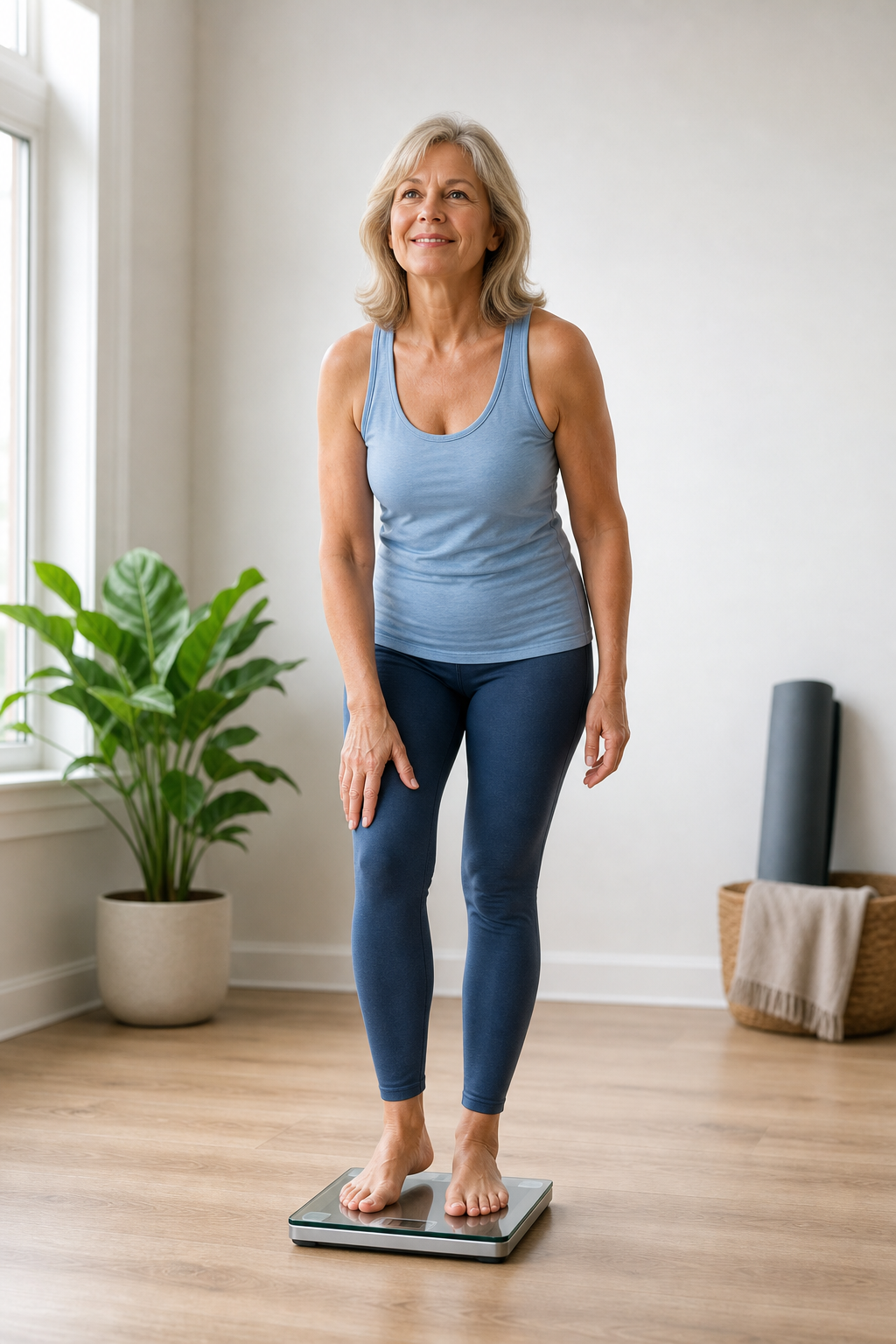
Why Losing Just 10 Pounds Can Change Your Knees (No, Really)
Three years ago, I sat across from a reader in her 50s—let’s call her Deb. She had that look I’ve seen a hundred times: frustration mixed with resignation. Every step up her porch felt like climbing Everest. And her doctor, she told me, had just said, “Even 10 pounds off would make a real difference.” She laughed. "Ten pounds? That’s nothing! How could that matter?"
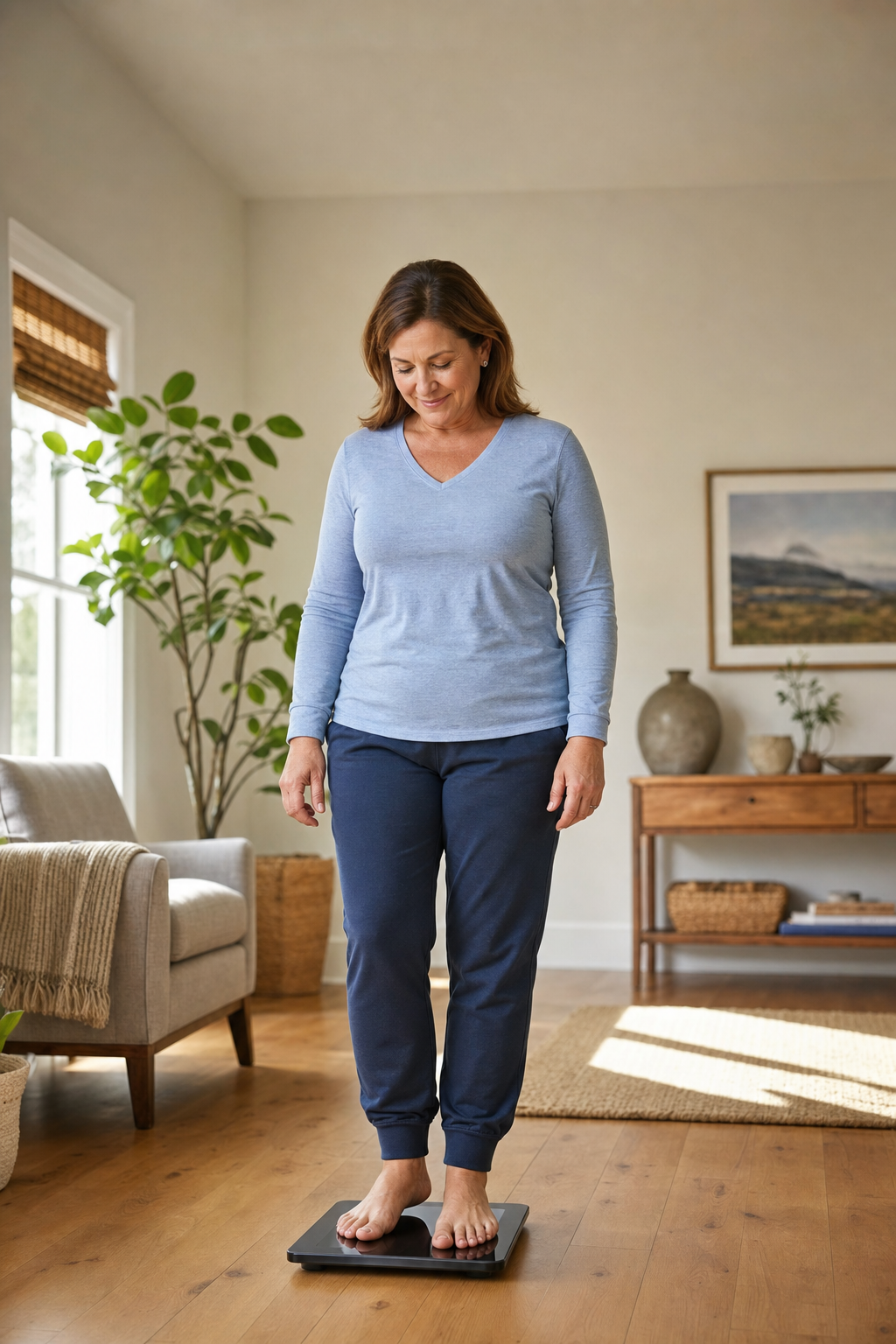
Here’s the thing: those 10 pounds, according to the Journal of Rheumatology, can translate into 40 pounds less pressure on your knees with every step you take. Four to one. It’s the science that finally made Deb pause—she told me this a year later, after walking pain-free on a family vacation. So, does the scale matter? For knees, absolutely.
The Real Impact: Empathy for Aching Knees
If your knees hurt, you already know weight loss isn’t just about "looking better." It’s about tying your shoes without wincing, or chasing after your grandkids without fearing the next step. One reader with early osteoarthritis told me, "It feels like my knees are carrying bricks." Pain changes everything—your mood, your sleep, even your social life. Most articles skip right to the "eat less, move more" platitudes. Not here.
I get it. I’ve spent years interviewing people who tried every diet, only to be sidelined not by willpower but by joint pain. If you’re nodding along, you’re not alone. And yes, the evidence is clear: excess weight is one of the strongest modifiable risk factors in knee osteoarthritis (Arthritis & Rheumatology, 2015). Let’s talk about what actually helps—beyond the obvious.
What Science Says: How Weight Impacts Joints
Your knees are marvels of engineering—supporting 1.5 times your body weight when you walk, up to three to five times that on stairs. I remember when my mother-in-law started water aerobics. She was shocked at how much easier things felt. Why? Because water "unloads" your joints, just like dropping pounds on land. There’s a reason every joint specialist I’ve interviewed over the years starts with this: fat tissue isn’t just padding. It’s metabolically active. It releases cytokines (think: tiny inflammation messengers) that ramp up damage inside the joint even before symptoms show up.
So it’s not just gravity. It’s chemistry, too. And the bad news? Both the mechanical and inflammatory effects of extra weight take their toll. The good news? Even modest weight loss can reverse some of this, reducing pain scores by 20-30% in carefully done studies (see the 2013 IDEA trial in JAMA). That’s not just "feeling better"—that’s regaining real function.
Weight Management Tips for Reducing Knee Stress That Actually Work
1. Portion Tweaks (Not Restrictions)
Look, I’m not going to hand you a meal plan or tell you carbs are evil. The BMJ published a study in 2020 showing the best diet is the one people can stick with. Portion tweaks—a smaller plate, measuring peanut butter (I’m guilty of eyeballing), skipping second helpings—add up. My go-to advice: target a deficit of 300–500 calories per day. That’s sustainable, not punishing.
2. Protein at Every Meal
This isn’t a fad. Multiple studies show higher-protein diets help preserve muscle as you lose weight. Why does that matter? Stronger muscles cushion and protect your knees. Try eggs for breakfast. Greek yogurt for a snack. Lentils in soup. I’ve had patients who switched to protein-forward lunches and found afternoon joint pain lessened—likely due to steadier blood sugar and muscle support.
3. Smart Movement: Joint-Friendly Cardio
Here’s a little secret: you don’t need to run marathons to protect your knees. Walking is wonderful, but if pain flares, try cycling (recumbent bikes are fantastic), swimming, or water aerobics. Research from Arthritis Care & Research found aquatic exercise slashes pain for people with knee osteoarthritis.
One caveat—if you haven’t exercised in years or have heart risks, talk to your doctor first. And always listen to your body; pushing through sharp pain is a no-go.
4. Strengthen the Muscles That Support Your Knees
Most people skip this. But strengthening your quadriceps, hamstrings, and calves does more to protect your knees than any one "magic" supplement. A study in Annals of Internal Medicine (2016) found that targeted strength training reduced knee pain and improved function better than weight loss alone.
If you want a research-backed, straightforward approach, the book Treat Your Own Knees by Jim Johnson is a hidden gem—filled with simple exercises, clear drawings, and no-nonsense advice. (Full disclosure: I recommend it frequently in my own circle, especially for beginners who feel overwhelmed.)
5. Compress and Support
Here’s where it gets interesting. Compression knee sleeves—like the Modvel Compression Knee Brace—can give you that "held together" feeling, especially during walks or workouts. I’ve tried them myself after a minor hiking injury—instant reassurance. Plus, for folks nervous about fragile knees, it’s a low-cost, low-risk tool (not a miracle, but helpful, especially paired with exercise).

6. Daily Activity Trumps "Workouts"
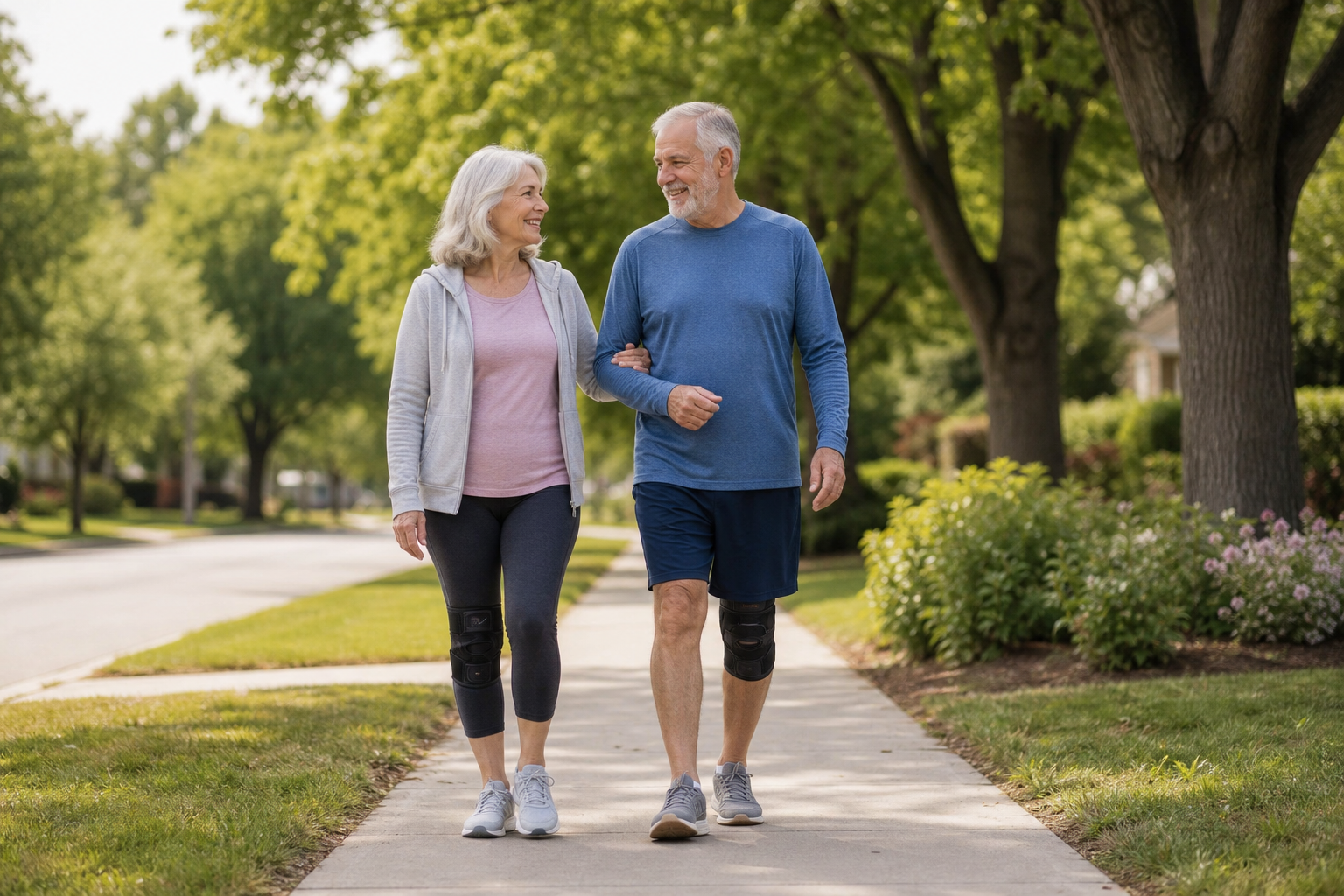
I can’t stress this enough: Your knees care more about total movement than gym time. Small things count. Pacing when you’re on the phone. Parking further away (when feasible). Gardening. One of my favorite success stories was a retired mail carrier who lost 25 pounds just by aiming for 10,000 steps with a pedometer—no gym, no classes, just consistent daily movement.
7. Gentle Heat on Sore Days
Those rough days happen. A warm compress can soothe aching knees and make it easier to stretch or exercise. The Pure Enrichment PureRelief XL Heating Pad is a favorite of mine (and my husband’s, not gonna lie) because it covers your whole knee and doesn’t slide around. Moist heat, especially, penetrates deeper and can ease stiffness before activity.
Diving Deeper: The Inflammation Piece
So here’s a mild controversy: Not everyone with a BMI over 25 will get knee arthritis, and some thin folks still struggle. Genetics, previous injuries, hormone changes—they all play a role. But body fat, especially around the belly, is notorious for fueling inflammation. That’s why weight loss—even when it’s not dramatic—can lower C-reactive protein (CRP) and other inflammatory markers, as shown in a 2018 Osteoarthritis and Cartilage review. That means less pain, less swelling, and potentially slower disease progression.
It’s not just about the number on the scale. Waist circumference (over 35 inches for women, 40 for men) is even more predictive for joint issues than BMI alone. I’ve seen patients drop a pants size and feel major relief—sometimes before the scale budges much.
Comparing Approaches: Why Fad Diets Backfire
I know it’s tempting—keto, fasting, grapefruit only—every magazine promises fast results. But here’s what the evidence (and years of watching friends and readers cycle through) shows: rapid loss often means muscle loss. That’s the real kicker. Less muscle equals less protection for your knee.
If you must try a structured plan, Mediterranean diets or plant-forward options have demonstrated knee-friendly benefits in studies. And for those of you who need help with portions? Mindful eating apps or simple food diaries (yes, pen and paper still work) can be surprisingly effective for accountability.
Putting It All Together: Building a Knee-Friendly Routine
Look, you don’t need to overhaul your life overnight. Start small: swap evening chips for yogurt, or try five minutes of squats every morning. Add a walk after dinner. (My neighbor, Bob, started laps around his cul-de-sac and now has less pain—and a sudden fascination with birdwatching!)
Rotate supportive tools—compression sleeves for walks, heat before stretching, and strength exercises 2–3 times a week. And don’t underestimate the power of tracking progress, whether it’s a digital scale, step counter, or good old-fashioned notebook. Little wins matter.
What Most Articles Won’t Tell You
I know this is unpopular, but: There is no "perfect" weight for knee health. Perfection isn’t the goal—function is. For some, 10 pounds off is transformative. For others, it takes more. And for a few, managing pain and staying strong matters more than the digits on the scale ever will.
Another honest limitation: Not all knee pain is weight-related. If you have sudden swelling, locking, or severe instability, see an orthopedic specialist. Don’t wait. And—this probably goes without saying, but—always check with your doctor before starting new exercise routines, especially if you have heart risks or other chronic conditions.
Fresh Takeaways for Real Life
- Start small, but start today. Even a few pounds can seriously lighten the knee load.
- Protein and muscle matter more than "thinness." Preserve strength for real-life function.
- Support and soothe: Simple gear like a compression sleeve (I swear by the Modvel Compression Knee Brace) or a solid heating pad can make the journey less painful.
- Focus on inflammation, not just pounds. Belly fat is the sneaky villain—watch the tape measure, not just the scale.
- Track progress creatively. Clothing fit, pain-free steps, or even mood journals are wins worth celebrating.
Let’s Be Kind to Our Knees—And Ourselves
If I could hand you one thing, it would be patience. Weight management for knee health is a long game, but every step counts (pun intended). The stories I cherish most aren’t from folks who hit a "goal weight" but from those who reclaimed their morning walks or could garden again without fear.
Have questions? Something you wish more experts addressed? Email me—I read every message, and many of my best tips have come from real-world stories. Be gentle with yourself, and with your knees. They’ve carried you this far—now let’s lighten their load, one smart step at a time.
—Karen Whitfield, veteran health journalist and patient advocate