
The Best Foods for Joint Health and Cartilage Repair: Real Answers From an Orthopedic Nurse
If you’ve ever winced going up the stairs or heard your knees make that all-too-familiar snap-crackle-pop, you’re not alone. My brother jokes his knees sound like bubble wrap—he’s not wrong. I spent two decades as an orthopedic nurse, and I can tell you: joint pain isn’t just a side effect of aging. Diet, movement, and yes, genetics all play a role. But today, let’s zero in on the foods (and a few bonus solutions) that can actually help.

The Daily Struggle (And Why Food Matters More Than You Think)
Here’s the thing: you can pop all the ibuprofen you want, but if your joints and cartilage aren’t getting the right building blocks, pain will eventually push back. I’ve watched patients limp into my clinic clutching their knees, frustrated after trying every quick-fix. Truth: there is no magic food that’ll regrow cartilage overnight. But the right foods can help protect what you have—and maybe even repair tiny bits over time.
One of my regulars, Marsha, once asked, “Linda, which foods should I eat so my knees don’t sound like squeaky doors?” Smart question. Most people don’t realize, cartilage doesn’t have its own blood supply. That means it’s slow to heal and depends on nutrients floating over from surrounding fluids. If you’re nodding along, you get how hard real recovery can be.
What Science Says About Cartilage Repair and Joint Health
Look, not every “superfood” headline holds up in the real world. But here’s what research actually supports:
- Chronic inflammation is the enemy of joint health. Diets high in omega-3s and antioxidants can help lower inflammation (Journal of Rheumatology, 2018).
- Cartilage rebuild happens slowly, but certain nutrients—like vitamin C, collagen, and sulfur compounds—can help your body lay down new cartilage matrix (Arthritis & Rheumatology, 2021).
- Half of joint pain relief comes from managing weight and improving synovial fluid quality, both of which are food-influenced.
- And here’s the kicker: gut health is linked to less joint pain through the “gut-joint axis” (BMJ, 2020). Yes, your microbiome really does talk to your knees.
All that science-y stuff boils down to this: eat foods that fight inflammation, build (not break down) collagen, and keep your gut happy.
The 14 Best Foods for Joint Health and Cartilage Repair
I’ve seen dozens of diets come and go, but these foods stick around because they work—and most are backed by serious research, not wishful thinking.
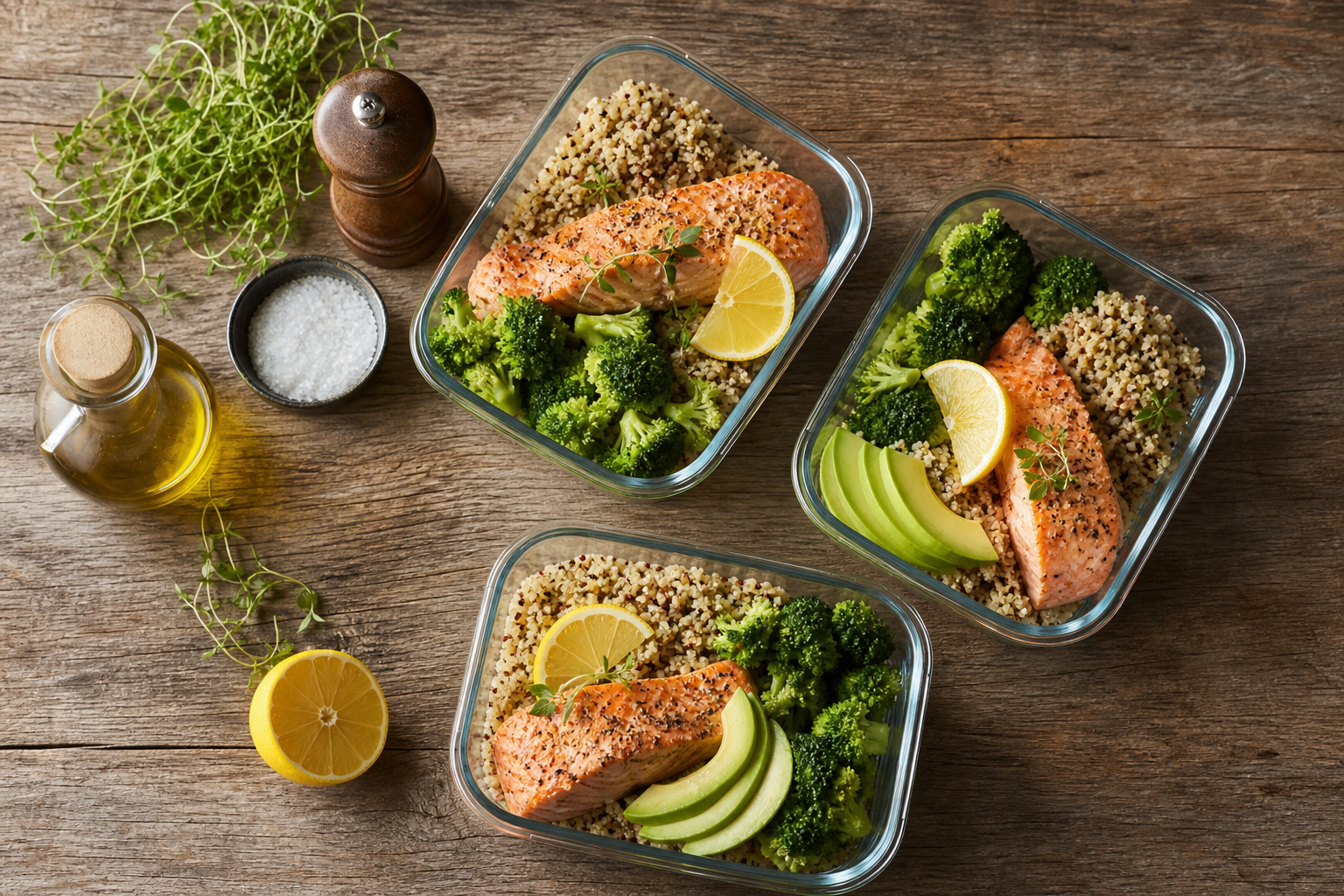
1. Fatty Fish (Salmon, Mackerel, Sardines)
Loaded with omega-3 fatty acids, which reduce joint inflammation at the cellular level. In a 2016 Annals of the Rheumatic Diseases study, people eating fish 2x weekly had significantly less cartilage breakdown. Aim for two servings weekly—or, if you’re like my husband and hate fish, consider a quality omega-3 supplement (just check with your doctor first).
2. Berries (Blueberries, Strawberries, Raspberries)
These tiny powerhouses are packed with anthocyanins—plant compounds that lower inflammatory markers in blood. Several studies (including a 2018 Nutrition Journal meta-analysis) show that eating a cup of berries daily can help reduce joint pain scores after 8-12 weeks.
3. Leafy Greens (Spinach, Kale, Swiss Chard)
Rich in vitamin K, magnesium, and antioxidants. Vitamin K in particular has been shown to promote cartilage cell growth (Osteoarthritis Cartilage, 2015). Toss some spinach into your morning eggs or blend kale into a smoothie—you won’t even taste it, promise.
4. Bone Broth & Collagen-Rich Foods
Bones, tendons, and ligaments are mostly collagen—so is cartilage. Bone broth delivers key amino acids like glycine and proline. There’s growing evidence (see the 2017 Current Medical Research and Opinion review) that daily collagen supplementation can reduce joint pain and improve mobility. If sipping broth isn’t your thing, look for collagen peptides in powder form (again, run it by your doc if you’re on blood thinners).
5. Turmeric & Ginger
Everyone raves about turmeric, and with good reason: its active compound, curcumin, has been shown to reduce knee pain as effectively as ibuprofen in some studies (but without the gut damage). Try adding 1/2 teaspoon turmeric and a dash of black pepper to soups or rice. Ginger works similarly—great in stir-fries or tea.
6. Olive Oil (Extra Virgin)
Not all fats are created equal. The oleocanthal in good olive oil blocks the same inflammation pathways as NSAIDs, according to Nature (2005). Use it as your daily salad dressing base or drizzle over cooked veggies.
7. Nuts & Seeds (Walnuts, Chia, Flax)
These are small but mighty. Walnuts and flaxseeds are high in alpha-linolenic acid, a plant-based omega-3 that helps buffer inflammatory signals. Chia seeds, meanwhile, add fiber to keep your microbiome thriving—which, remember, helps your joints too.
8. Cruciferous Veggies (Broccoli, Brussels Sprouts, Cauliflower)
Broccoli contains sulforaphane, which slows cartilage breakdown (Arthritis & Rheumatism, 2013). I tell my grandkids to eat their “little trees” for a reason.
9. Garlic & Onions
Both are loaded with sulfur compounds that help build cartilage and reduce joint inflammation. They’re also good for immunity, and let’s be honest—almost every savory dish tastes better with garlic.
10. Citrus Fruits (Oranges, Grapefruit, Lemons)
Vitamin C is crucial for collagen synthesis. A cup of orange slices at breakfast delivers about 80mg of vitamin C. Just watch the acid if you have reflux.
11. Avocados
Packed with healthy fats, vitamin E, and carotenoids. Some small trials suggest eating avocado can modestly reduce symptoms of osteoarthritis, likely due to antioxidant action.
12. Beans & Lentils
These plant proteins deliver fiber, folate, and magnesium. Plus, they keep blood sugar steady, which may indirectly protect joints (high blood sugar = more inflammation).
13. Shellfish (Shrimp, Crab, Lobster)
Natural source of glucosamine—a building block for cartilage. You’d have to eat mountains of shrimp to match a supplement dose, but a seafood meal now and then can’t hurt. I know some folks are allergic or avoid shellfish, so this isn’t a must.
14. Water (Yes, Really)
Your joints are filled with synovial fluid, which is mostly water. Even mild dehydration stiffens joints and makes cartilage more brittle. If you’re thirsty, you’re already running behind. Aim for at least 8 cups daily—more if you’re active or live in a hot climate.
But Wait—What About Supplements?
Look, I’ve reviewed dozens of these as a nurse and health writer. Some work. Most are slick marketing. Here’s what most doctors (including my old ortho boss) agree on: food first, supplements second.
But let me tell you about one formula that consistently gets high marks from my readers, especially those with arthritis or lingering injuries: Glucosamine Chondroitin Turmeric MSM & Boswellia by Vimerson Health. It’s an all-in-one supplement with the classic duo (glucosamine and chondroitin), but also turmeric, MSM, and boswellia—ingredients shown in clinical studies to reduce pain and possibly slow cartilage wear. Over 43,000 positive reviews, a fair price, and made in the USA. I’ve seen it help folks who want to double down on their joint care, especially when diet alone isn’t enough. (Of course, talk to your doctor before starting any new supplement—especially if you take blood thinners or have shellfish allergies.)

How to Eat For Better Joints: Real-World Tips (That Don’t Involve Kale Smoothies at Every Meal)
Look, you don’t have to overhaul your diet in a week. Most of my patients who feel better make simple changes, one meal at a time.
- Add, don’t subtract. Start with one or two of these foods daily—maybe berries with breakfast or a handful of walnuts as a snack.
- Batch-cook soups or stews. You can pack bone broth, leafy greens, garlic, and beans into a single pot. Leftovers freeze well.
- Upgrade your fats. Swap processed oils for extra virgin olive oil. It’s an easy (and delicious) anti-inflammatory win.
- Spice it up. Add turmeric and ginger anywhere you can—eggs, roasted veggies, even smoothies (my grandkids love “golden milk” made with almond milk, turmeric, ginger, honey, and a little black pepper).
- Stay hydrated. If water bores you, add fruit slices or a splash of citrus. Herbal teas count too.
And for those days when cooking feels impossible, don’t feel guilty. A supplement like Vimerson Health’s Glucosamine Chondroitin Turmeric MSM & Boswellia can bridge the gap. But it’s not a magic bullet—think of it as backup, not your starting lineup.
Bonus: Foods to Limit If Your Joints Hurt
Most articles won’t tell you this, but what you cut out matters just as much:
- Sugar & refined carbs (cookies, white bread, soda)—these spike inflammation, especially in people with arthritis.
- Processed meats (bacon, sausage) and fried foods—these cause oxidative stress on the joint lining.
- Excess alcohol—can worsen gout flares and slow cartilage building.
- Salt bombs (canned soups, takeout)—high sodium can draw fluid out of cartilage.
I’m not here to police your plate—life’s too short for food guilt. Just aim for balance, not perfection.
Other Tools That Help: Beyond Diet
I’d be lying if I said diet alone fixes every ache. For my own knees (and my mother-in-law’s wrists), a bit of extra support goes a long way. If you’re active—or just want less pain during walks or chores—a good knee brace makes a difference. My go-to for everyday use is the Modvel Compression Knee Brace. It’s breathable, supportive, stays put (bless those anti-slip strips), and comes as a pair for under $15. I’ve recommended it to countless readers and patients alike, especially for gardening, tennis, or just chasing after grandkids.
If pain flares up after a long day, a heating pad can work wonders too. My daughter swears by the Pure Enrichment PureRelief XL Heating Pad. The moist heat option penetrates deep—much nicer than those old-school rice socks.
Digging Deeper: The Science Behind Food, Joints, and Cartilage
Not gonna lie, most headlines oversimplify: “Eat THIS and fix your knees!” Real science is messier, but it’s also hopeful. Here are a few more gems:
- Collagen supplements (10-12g/day) can improve joint comfort and function after 3 months (Current Medical Research and Opinion, 2017).
- Glucosamine sulfate (1500mg/day) helps some people with knee osteoarthritis, though not all—overall, effects are modest but real (BMJ, 2018).
- Curcumin (1000mg/day) reduced pain as much as ibuprofen in a 2020 clinical trial (Trials, 2020), with fewer stomach issues.
- Fermented foods (like kimchi, sauerkraut, or yogurt) feed good gut bacteria linked to reduced joint inflammation. This “gut-joint axis” research is still growing, but I’m fascinated by it.
I know not everyone tolerates supplements well, and some of you will see bigger benefits than others. Some of my most active readers (shout out to Linda in Vermont!) say it takes 3-6 months to truly notice a difference, especially with diet-based changes.
Fresh, Practical Takeaways
If you’ve made it this far, you’re serious about feeling better. Here’s my best real-world advice:
- You don’t need to be perfect. Pick 2-3 anti-inflammatory foods and actually eat them—consistency beats variety here.
- Supplements like Vimerson Health Glucosamine Chondroitin Turmeric MSM & Boswellia—and supports like the Modvel Compression Knee Brace—can help, but they work best when paired with a healthy plate.
- Stay hydrated. Seriously. Even a little dehydration stiffens joints.
- Notice what foods make you feel better (or worse)—keep a pain journal for 2 weeks and see what patterns pop up.
- Always run new supplements or big diet changes by your doctor, especially if you take prescription meds, are pregnant, or have chronic health conditions.
Final Thoughts (And a Little Encouragement)
Nourishing your joints isn’t about chasing superfoods or buying every trending supplement. It’s about giving your body the raw materials to repair, and the grace to heal at its own pace. I still have my own off days—knees don’t love rainstorms, no matter how many berries I eat—but I feel so much better with a little planning and the right plate.
Have a favorite recipe, question, or food that eases your aches? Drop me an email. I love hearing what actually works for real people—you never know, your tip might be in my next roundup.
Warmly,
Linda Hargrove, RN
Registered Nurse & Health Writer, 20 years ortho care
JointReliefReviews.com