What Are the Best Foods for Joint Health and Cartilage Repair?
My phone buzzed again last Thursday. It was a text from my old client, Sharon — "James, do avocados really help my knees, or is that another internet thing?" Honestly, I get questions like this at least twice a week. The search for the best foods for joint health and cartilage repair isn’t just a nutrition trend — it’s a quality-of-life issue for millions of adults who want to walk, garden, or just get out of bed without wincing.

Look, Joint Pain Isn’t Just “Getting Older” — Here’s the Real Challenge
When my mother-in-law started skipping her morning walks, she chalked it up to "old knees." But behind every creaky step, there’s a complex dance of cartilage breakdown, inflammation, and (sometimes) plain old neglect. If you’re reading this, maybe you know that feeling — stairs seem steeper, joints feel stiffer, and you wonder if food can really make a dent.
Here’s the thing: what you eat isn’t a magic bullet. No smoothie is going to rebuild cartilage overnight. But certain foods, eaten regularly and in smart combinations, do help reduce inflammation, slow cartilage loss, and support joint comfort. I’ve seen it in my clients. Science backs it up. But there are caveats most health blogs conveniently skip.
How Diet Impacts Your Joints — The Science, Minus the Hype
Let’s start with the basics. Cartilage is that rubbery, shock-absorbing tissue in your joints. It doesn’t get much blood flow. This means healing is slow — and prevention (or at least slowing the breakdown) is key. When you eat foods packed with antioxidants, healthy fats, or special amino acids, you’re giving your body the ingredients to protect cartilage and tamp down the chronic inflammation that accelerates wear-and-tear arthritis (osteoarthritis).
Now, not all headlines hold up. The British Medical Journal published a meta-review in 2022 that found certain foods — like oily fish, colorful fruits, and cruciferous veggies — had consistent, if modest, protective effects. But the real kicker? Ultra-processed foods (think chips, soda, pastries) worsened joint pain in nearly every study.
And about the “rebuild” promise: a lot of cartilage repair studies focus on animals or test supplements in mega-doses. Human cartilage repair from food alone is slow, but slowing the loss and calming inflammation? That’s 100% on the table.
Key Players: Nutrients that Matter Most for Joints & Cartilage
- Omega-3 fatty acids: Found in salmon, sardines, walnuts, chia seeds. These lower the inflammatory compounds that gnaw away at cartilage. Arthritis & Rheumatology (2016) showed higher omega-3 diets led to less cartilage thinning over 2 years.
- Vitamin C: Not just an immune booster. This antioxidant is crucial for collagen synthesis — one of the main building blocks of cartilage. Citrus, strawberries, bell peppers are your friends.
- Curcumin: That’s the active part of turmeric. Multiple trials (Journal of Medicinal Food, 2016) found 500mg curcumin daily reduced knee stiffness better than placebo — almost on par with some NSAIDs.
- Collagen & specific amino acids: Collagen-rich foods (bone broth, chicken skin, pork rinds) and glycine-rich proteins help your body lay down new cartilage. The caveat: you need enough vitamin C to turn these into functional tissue.
- Sulforaphane & polyphenols: Found in broccoli, kale, berries, green tea. These plant compounds neutralize inflammatory signals and slow cartilage breakdown (see: Journal of Rheumatology, 2020).
Best Foods for Joint Health — The Real-World Grocery List
Let’s get practical. If you’re over 50, worried about cartilage, or managing arthritis, this is what actually goes in the shopping cart, based on both evidence and what my clients will actually eat.
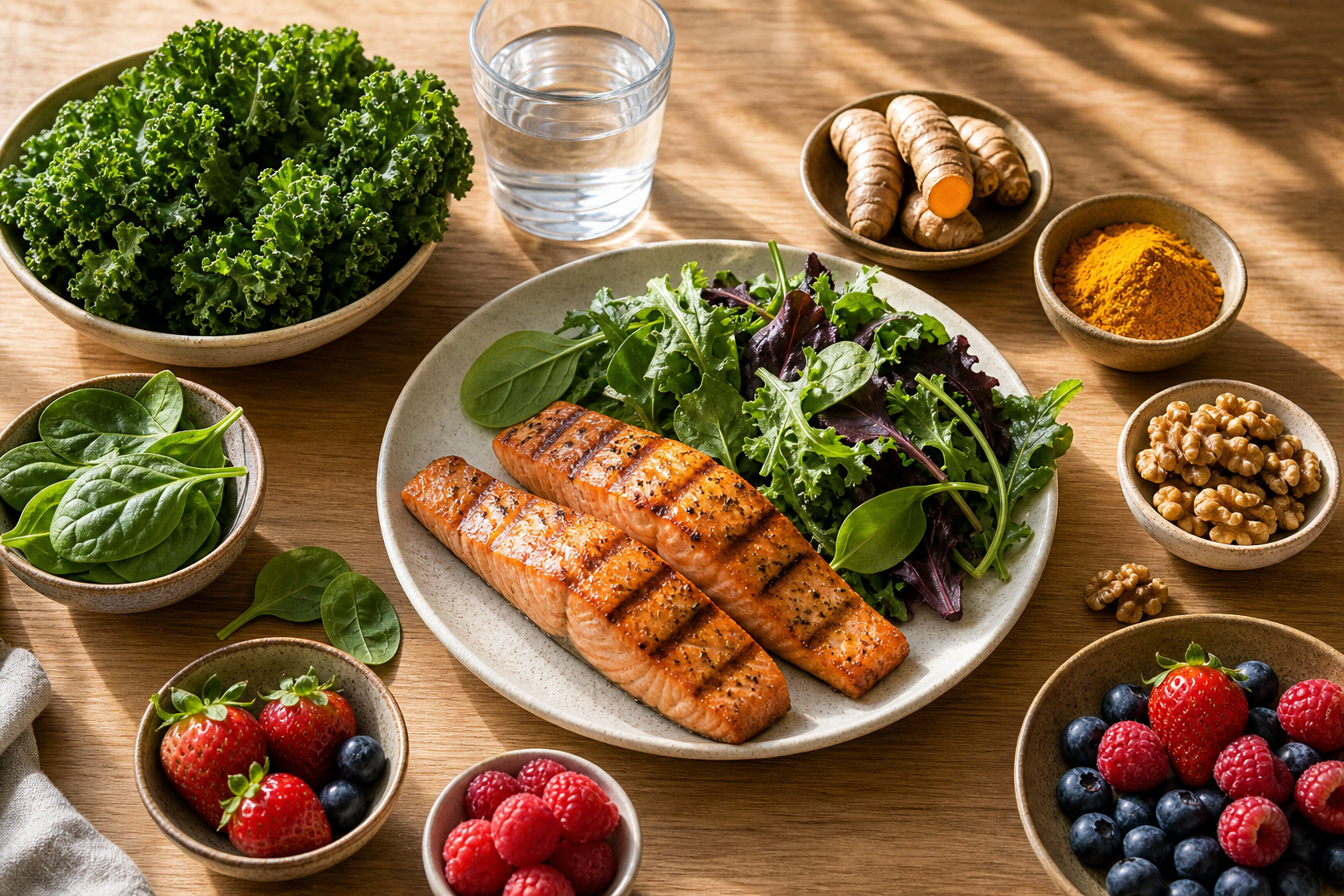
- Oily fish (salmon, sardines, mackerel): 2-3 servings a week. Or honestly, canned salmon works.
- Leafy greens (spinach, kale, arugula): Loaded with vitamin K and C. I add a handful to nearly every meal.
- Berries (blueberries, strawberries, raspberries): Polyphenol powerhouses. A cup per day is a good goal.
- Broccoli, Brussels sprouts, cauliflower: Sulforaphane and vitamin C for the win.
- Turmeric (with black pepper): Add it to eggs, smoothies, or soups. The piperine in black pepper helps you absorb the curcumin.
- Nuts & seeds (walnuts, chia, flax): Anti-inflammatory fats, plus fiber for gut health. Walnuts, especially — they’ve got the best omega-3 punch among nuts.
- Citrus fruits (oranges, grapefruit, kiwi): Not just for scurvy. Think collagen-building support.
- Tart cherry juice: Look, it’s not a miracle, but a 2021 study in Osteoarthritis and Cartilage showed that regular tart cherry concentrate can modestly reduce joint pain scores.
Is it all or nothing? Not at all. Even small swaps — like replacing a bag of chips with berries or adding a scoop of turmeric to your soup — add up. And, yes, you can still eat red meat or bread if you want; just make these joint-friendly foods the stars.
But What About Supplements? (Here’s My Unpopular Opinion)
I’ll be honest — I was a supplement skeptic for years. But then, I started tracking pain scores and mobility in my older clients who tried certain formulas. The results weren’t mind-blowing, but for the right person, the right supplement can be a legit adjunct to diet and exercise. Not a substitute. A nudge in the right direction.
The best-researched combo for joints? Glucosamine sulfate (1,500mg/day) with chondroitin. Some studies, including a big 2018 meta-analysis in the Annals of Internal Medicine, found it slowed joint space narrowing and reduced pain in osteoarthritis. Turmeric and MSM also have decent support — which is why I sometimes point people to blends that include all three.
Want a one-and-done supplement that’s easy to try? The Vimerson Health Glucosamine Chondroitin Turmeric MSM & Boswellia is a crowd favorite. Glucosamine, chondroitin, turmeric, MSM, and boswellia in one — and over 43,000 reviewers say it’s helped. Is it perfect? No. But if you want an evidence-based formula that covers all the big hitters, it’s a solid place to start. As always, check with your doctor first, especially if you’re on blood thinners or have allergies.
The Truth About "Superfoods" and Common Pitfalls
If you're nodding along, you're not alone. I get emails every month from people who feel let down by the latest "joint superfood." Pineapple, bone broth, even green-lipped mussels — there’s always a new hero. The reality? Whole diets, not single foods, make the difference. A serving of pineapple isn’t going to erase years of joint damage. But a steady, varied intake of antioxidant-rich, anti-inflammatory foods can tip the odds in your favor.
Here’s where people trip up:
- Going all-in on one food: Turmeric lattes daily, but zero greens or fish? That’s not balance.
- Chasing “proprietary blends” without labels: Some supplements hide dosing or ingredient sources. Always look for transparent labels.
- Skipping protein: Joints aren’t just cartilage — muscle keeps them stable. If you’re cutting calories or avoiding all animal foods, your protein (and therefore glycine, proline, collagen) intake can drop too low for real repair.
My unpopular take: If you eat mostly whole foods, move your body, and add a supplement only if you’ve got a real gap, you’re covering 90% of what matters for your joints. The last 10%? That’s genetics and luck — which none of us can fully control.
Beyond Food: Supporting Cartilage with Smart Habits
Nutrition is huge, but it’s not the only chapter. In my years as a strength coach, I’ve seen folks skip the basics: staying hydrated, moving daily, and using simple supports when needed. Hydration matters because cartilage is about 80% water. Even mild dehydration can leave joints feeling stiff.
Exercise — especially resistance training and low-impact cardio (think brisk walks, swimming, biking) — is the closest thing we have to a joint fountain of youth. It boosts synovial fluid (joint lubricant) and signals your body to maintain cartilage. But if pain flares up, support and relief matter. That’s where practical tools come in.
- Compression knee sleeves: I’ve reviewed dozens, and honestly, most end up in the back of the drawer. But the Modvel Compression Knee Brace is different — breathable, affordable, and, crucially, it stays put. For anyone trying to stay active with cranky knees, it’s worth a look.
- Heating pads: Moist heat can increase blood flow and help stiff joints relax. I keep a Pure Enrichment PureRelief XL Heating Pad in my clinic — the XL size covers knees and hips, and the moist heat option is a game-changer for deep joint aches.
And a quick disclaimer (because you deserve the truth): No food, supplement, or gadget replaces medical care. If your pain is new, severe, or worsening, see your doctor — don’t try to "tough it out" with Google as your only guide.

What Science Doesn’t Know (and Why You Shouldn’t Give Up)
I know this is unpopular, but some "miracle" cartilage regeneration stories are, frankly, overblown. The reality is subtle: foods can slow cartilage loss, reduce inflammation, and support the tissues around your joints. They don’t magically replace cartilage that’s been lost for decades. But here’s the hopeful bit — doing the right things now does make tomorrow's joints better. I’ve seen people in their 70s get back to gardening, hiking, and even playing pickleball, not because they found a miracle cure, but because they stacked the little wins: smarter food choices, targeted supplements, gentle movement, and a bit of patience.
If you’re feeling stuck, don’t go it alone. Email me (seriously, it’s on my contact page), or talk to a registered dietitian or physical therapist who actually listens. The best plan is the one you can stick with, made up of real food, real movement, and a few strategic helpers.
Key Takeaways: Eat Well, Move Often, Support Wisely
- Focus on omega-3-rich fish, berries, leafy greens, nuts, and turmeric for joint support.
- Supplements like Vimerson Health Glucosamine Chondroitin Turmeric MSM & Boswellia can be a good adjunct, especially if your diet isn’t perfect. (Always discuss new supplements with your doctor.)
- Support sore or stiff joints with quality compression sleeves or targeted moist heat — like the PureRelief XL Heating Pad.
- Don’t fall for single "superfood" hype — variety and consistency win every time.
- Movement, hydration, and stress management all play a crucial supporting role.
And hey — sometimes, just swapping dessert for a handful of blueberries is a win worth celebrating. Your joints will thank you. If you’re not sure where to start, start small. Add an extra veggie, take a 10-minute walk, or try a new recipe this week. Real, lasting change is built one tiny habit at a time.
See you at the salad bar (or at least in the produce aisle),
James Chen, MS, CSCS
JointReliefReviews.com