
Weight Management Tips for Reducing Knee Stress: My Best Advice After 20 Years in Ortho Care
My neighbor, Carol, once hobbled into my kitchen, clearly in pain, and blurted out, “Linda, does losing weight actually help knees, or is that just one of those things people say?” I get versions of this question every single week—patients, friends, even folks I’ve met at the grocery store clutching a bag of frozen peas to their aching leg. Here’s the thing: It’s not just a saying. And the numbers are jaw-dropping. For every single pound you lose, you can take four pounds of pressure off your knees with each step. That’s not my opinion—those are the biomechanics, straight from the 2005 Arthritis & Rheumatism study that’s still cited in medical circles today.
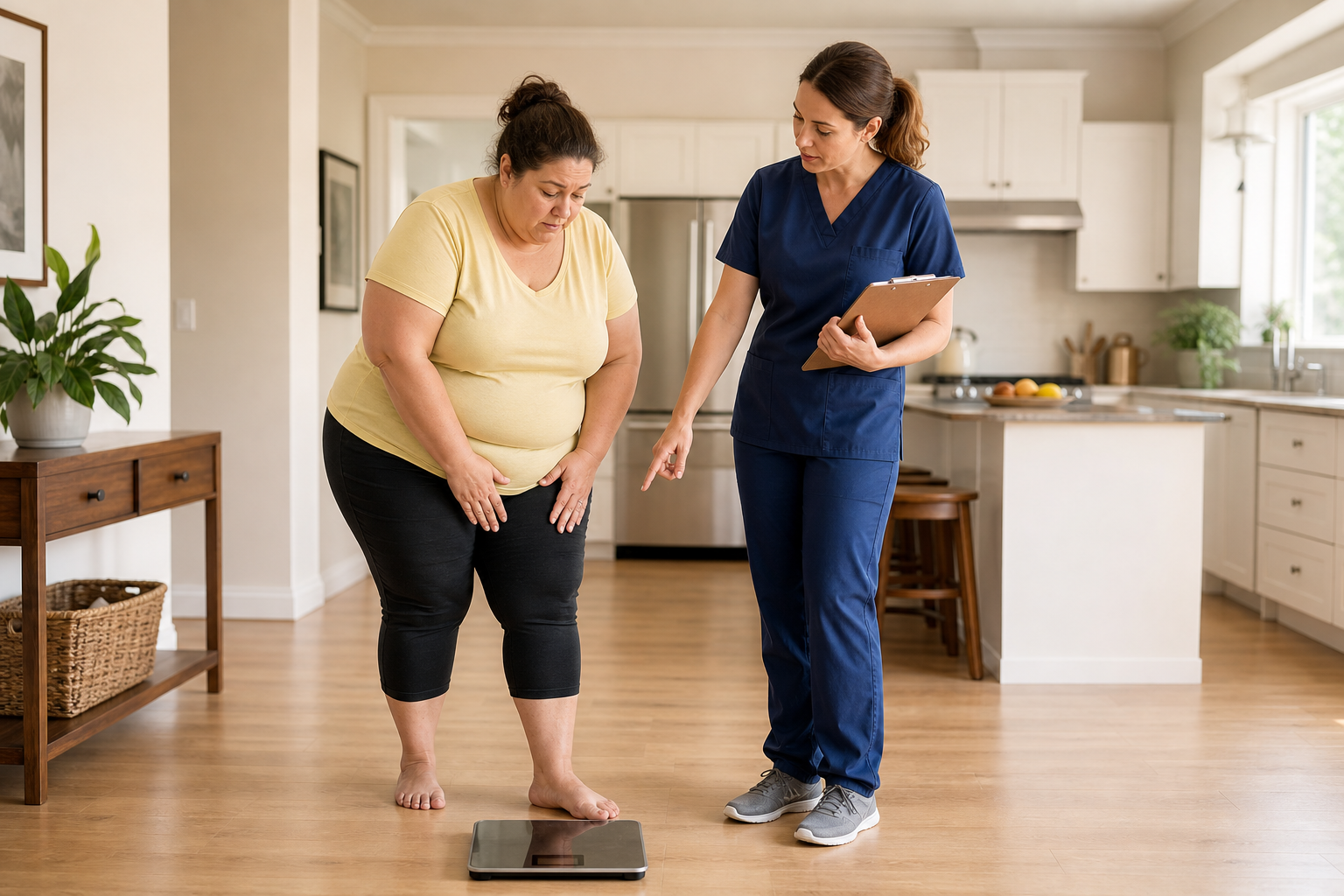
Why Extra Weight Hurts Your Knees—And What Most Articles Miss
Look, the relationship between weight and knee pain isn’t just about “wear and tear.” In the clinic, I’ve seen thin marathoners with arthritis and heavier folks with pain-free knees, so it’s not solely about the number on the scale. But extra body weight is one of the most modifiable risk factors for knee osteoarthritis and pain. That’s what makes this issue so frustrating—and empowering.
Here’s what most articles won’t tell you: it’s not just about “losing weight.” It’s about how you lose it, keeping muscle, and building habits that protect your joints for the long haul. There’s a big difference between dropping ten pounds on a crash diet (don’t get me started) and making sustainable changes that ease pressure on your knees.
The Science: How Weight Affects Your Knees (Numbers You Need to Know)
If you’re a numbers person—or if you just want proof you’re not suffering for nothing—consider this:
- Every pound lost removes four pounds of knee pressure. (Messier et al., Arthritis & Rheumatism, 2005)
- Obesity nearly quadruples the risk of developing knee osteoarthritis, according to a massive review in The BMJ (2015).
- Even a 5% weight reduction can significantly reduce pain and improve function—shown repeatedly in the Journal of Rheumatology.
But here’s where it gets interesting: It’s not just the weight bearing down on your joints during normal walking. When you step down stairs, squat, or even bend to tie your shoes, the force multiplies. That’s why even a modest decrease in weight can feel like a miracle to your knees.
Empathy: The Daily Struggle Is Real (And You’re Not Alone)
If you’re nodding along, you’re not alone. I’ve had patients whisper, ashamed, about their weight—like it’s a moral failing instead of a common, complex problem. Let’s call out the elephant in the room: in our carb-loaded, fast-food, high-stress culture, keeping weight in check is hard. Add in knee pain that limits exercise, and it’s a vicious cycle.
But there is hope. I’ve seen people in their 60s, 70s—even a feisty 82-year-old named Ruth—shed enough pounds to go from bone-on-bone agony to “I can walk the boardwalk again!” No unrealistic promises here, but I’ve witnessed it firsthand: small, consistent changes add up.
The Best Weight Management Tips for Reducing Knee Stress
1. Make Simple Calorie Swaps—No Crash Diets Required
You don’t need to starve or count every carb. What’s worked for my joint pain patients? Swapping high-calorie, low-nutrition foods for things that actually fill you up. Greek yogurt instead of ice cream. Roasted chickpeas in place of chips. It’s surprisingly effective—one study in Obesity (2018) showed people who made small, lasting swaps lost significantly more weight after a year versus those who overhauled everything at once.
I’ll be honest—when I tried this myself after my second knee surgery, I thought, “This can’t possibly make a dent.” But over six months? Down 11 pounds, and stairs became a lot less scary.
2. Prioritize Low-Impact Movement—Even If You’re Starting From Couch-Level
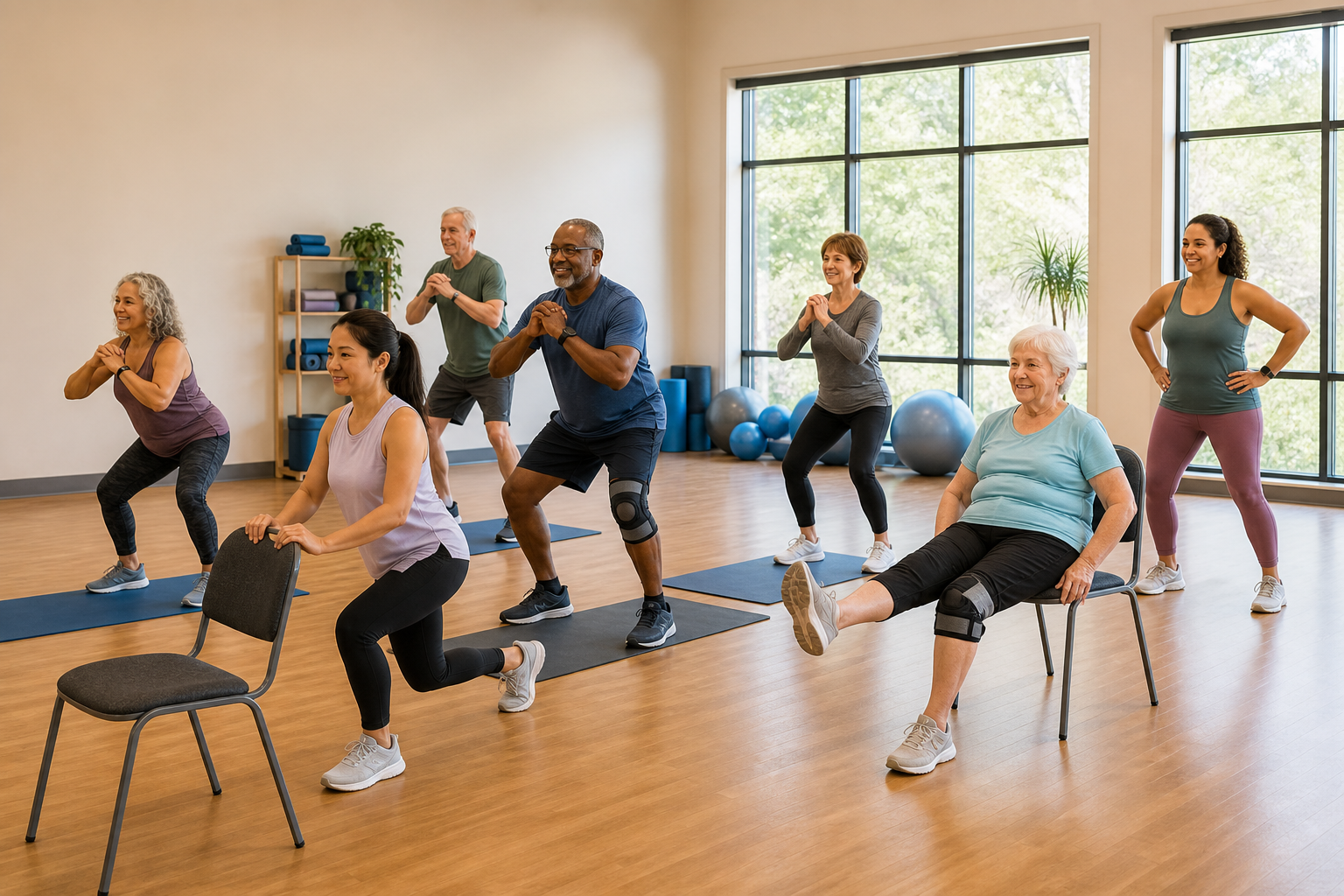
Tough love moment: you can move your body even when knees hurt, but you need to get creative. Swimming, water aerobics, or even chair-based fitness classes (yes, they exist!) are knee-savers. My patients who join local pool programs often tell me, “I finally feel safe moving again.” And the weight starts to come off—not overnight, but steadily.
Walking is still my favorite, but a little structure helps. If you want a research-backed, step-by-step plan, I recommend Treat Your Own Knees by Jim Johnson, PT. This book lays out simple exercises that rebuild strength and flexibility without risking more damage. I gave a copy to my mother-in-law after her meniscus injury, and she refers to it as her “knee bible.”
3. Build Muscle—Your Secret Joint Protector
Here’s a secret most diets never mention: muscle is your best defense against knee pain. When you lose weight fast (think severe calorie cutting), you often lose muscle along with fat. That makes joints less stable—and pain worse. Gentle strength training, even with soup cans or resistance bands, can counteract this. A 2017 Arthritis Care & Research study proved that strengthening the quadriceps (front thigh muscles) significantly reduced pain and improved walking ability in people with knee osteoarthritis.
Don’t be intimidated. Three sets of ten squats (done pain-free) and some leg lifts a few times a week can make a visible difference over months. Not sure how to start? That’s where well-designed books or physical therapy consults can help.
4. Leverage Tools That Lighten Your Load—Literally and Figuratively
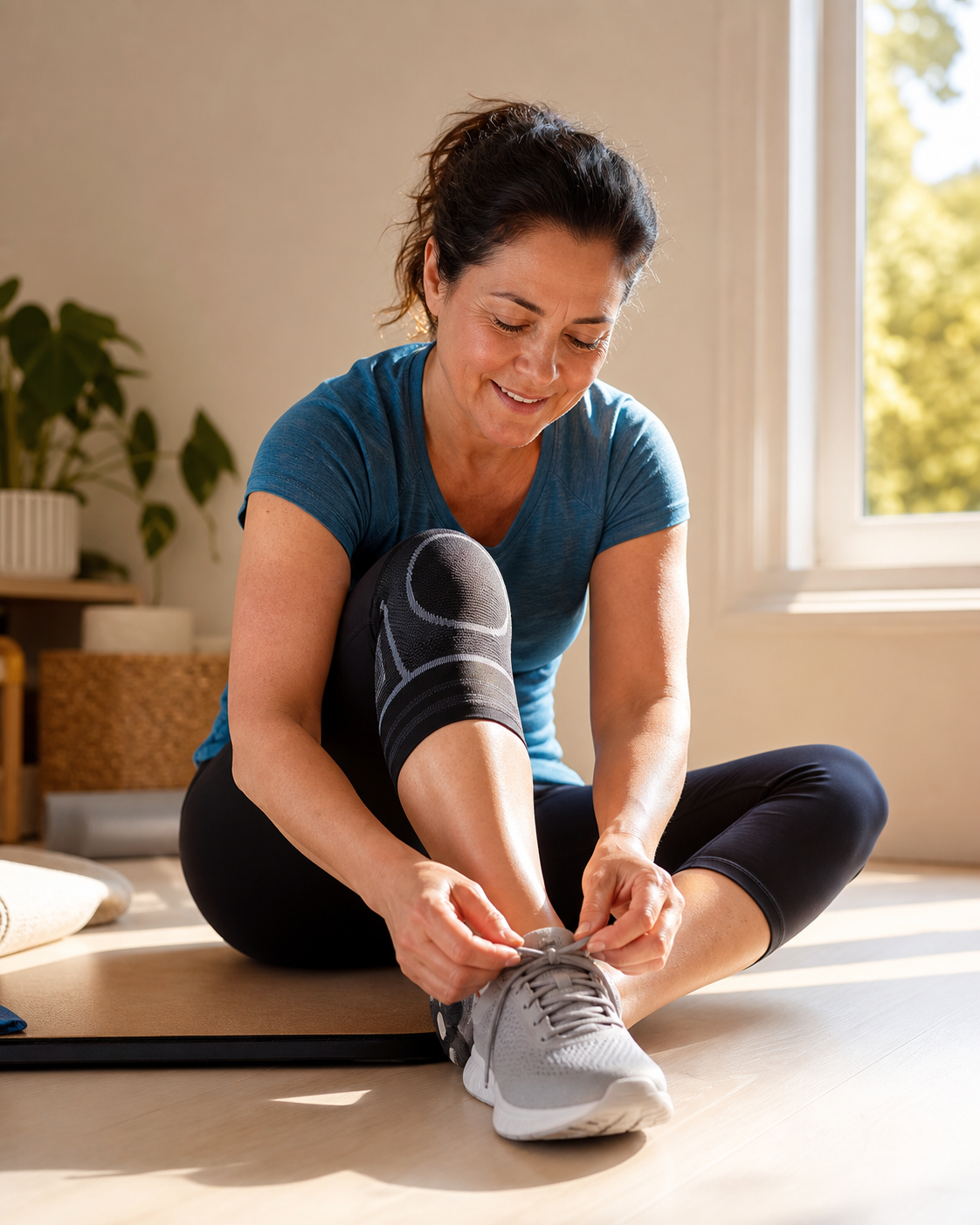
If you’re struggling to exercise due to pain, sometimes a little support can get you moving. Compression knee sleeves, like the affordable Modvel Compression Knee Brace, provide gentle support and warmth. I’ve reviewed dozens of these—what I love about the Modvel is the anti-slip design and sheer number of positive reviews (over 75,000 at last count). It doesn’t magically melt pounds, but it can give you the confidence to keep moving, which, in the end, is what matters most.
Health disclaimer: Always talk to your doctor or physical therapist before starting any new exercise or using support devices—there are rare cases where bracing isn’t recommended.
5. Rethink “All or Nothing”—Perfection Isn’t Required
If you’re stuck in the “I blew my diet, so I might as well eat the whole pizza” loop, you’re not alone. Real change happens in the messy middle. One treat doesn’t undo a week of smart choices. I tell my patients to focus on progress, not perfection—because consistency beats intensity every time.
6. Track, Don’t Obsess
I know tracking calories or steps isn’t for everyone. But jotting down what you eat or how much you move (even on a sticky note) can make you mindful of patterns. The American Journal of Preventive Medicine (2013) found that people who logged their meals lost almost twice as much weight as those who didn’t. No need for fancy apps unless you love them—pen and paper works just fine.
7. Pain Management: Don’t Let Flare-Ups Stop Your Progress
Flare-ups happen to everyone. The real kicker? If pain sidelines you for a week, don’t give up. Heat, ice, and over-the-counter topical gels like Voltaren Arthritis Pain Gel (which contains diclofenac, an FDA-approved NSAID) can help calm things enough to keep you moving. I use it myself for my right knee on “stormy” days—just be sure to check with your provider, especially if you have sensitivities or use other NSAIDs.
Busting Myths: What Weight Loss Won’t Do for Your Knees
Here’s a dose of honesty: Weight loss isn’t a cure-all. Some arthritis and injuries just have a mind of their own. And yes, genetics, old injuries, and even hormone changes can all play a role. But nearly every major study agrees—losing even a small percentage of body weight (think 5-10%) can be the difference between limited mobility and a life that feels full again.
And don’t believe the “no pain, no gain” myth with knee health. If something hurts more than mild discomfort, back off and regroup. I’d much rather see you make slow, sustainable progress than push through and land on my exam table with a bigger injury.
Case Studies: Real-Life Successes From Patients and Readers
Let me share a few quick stories—because numbers are great, but nothing beats real-life change.
- “Janice, age 57:” Started with chair aerobics and food journaling. Dropped 16 pounds in seven months. “Now I can garden again without wincing every time I kneel,” she told me last spring.
- “Ray, age 64:” Used the Treat Your Own Knees exercise plan after his orthopedist recommended it. Combined it with daily walks (sometimes just five minutes at first). He’s down two pant sizes and says his “knees finally let me keep up with my grandkids.”
- “Sandra, age 43:” Wears the Modvel knee sleeves to work. “I’m on my feet all day as a nurse. These let me move without constantly worrying I’ll tweak my knee,” she emailed last month.
If these stories spark a glimmer of hope, good. That’s my goal. Not everyone will lose 20 pounds or run 5Ks, but most of us can find ways to lighten our load—literally and emotionally.
Expert Take: Why Weight Management Works (And the Limits)
Let’s revisit the research for a second. In multiple long-term studies, patients who lost even a moderate amount of weight reported less pain, better mobility, and improved quality of life. One 18-month trial in JAMA (2013) tracked older adults with knee OA. The group that combined diet with exercise saw nearly double the pain relief compared to diet alone.
But I know this is unpopular: weight management alone won’t fix underlying cartilage loss or complex injuries. It is, however, one of the most powerful tools you have—and one you can control, step by step.
Takeaways: What I Wish Every Patient Knew
- Even modest weight loss (as little as 5%) makes a meaningful impact on knee stress.
- Low-impact movement, strength training, and simple habit changes beat crash diets or brutal bootcamps every time.
- Knee-friendly tools, like the Modvel Compression Knee Brace and Treat Your Own Knees guidebook, can make movement safer and less intimidating.
- Pain flares shouldn’t end your efforts—manage, rest, and return when you’re able.
If you want to start now, pick one small change—maybe swapping your afternoon snack, or moving for five minutes. Build from there. You’ll be amazed what your knees (and your spirit) can handle.
Looking Ahead: Your Next Step Doesn’t Have to Be Big
I’ll leave you with this: Most of my patients never needed perfection or all-or-nothing diets to feel better. They needed support, a simple plan, and a bit of encouragement. If you’re overwhelmed, reach out—ask your doctor, your PT, or even me (I answer reader emails every week). Weight management for knee pain isn’t easy, but it’s absolutely possible, and you don’t have to do it alone.
Wishing you strength and steady steps,
Linda Hargrove, RN
Orthopedic Nurse & Joint Pain Columnist
JointReliefReviews.com