
Smart Weight Management Tips for Reducing Knee Stress: What Actually Works (and What Doesn’t)
I’ll be honest—no one really wants to hear that managing your weight can change your joint pain. But the data? It’s hard to argue with. I remember a woman named Rita who emailed me a few years ago after reading one of my columns in Arthritis Today. She wrote, “Karen, I dropped 15 pounds and suddenly I could take the stairs at work again.” Not a miracle, not a cure. Just biology working quietly in her favor.
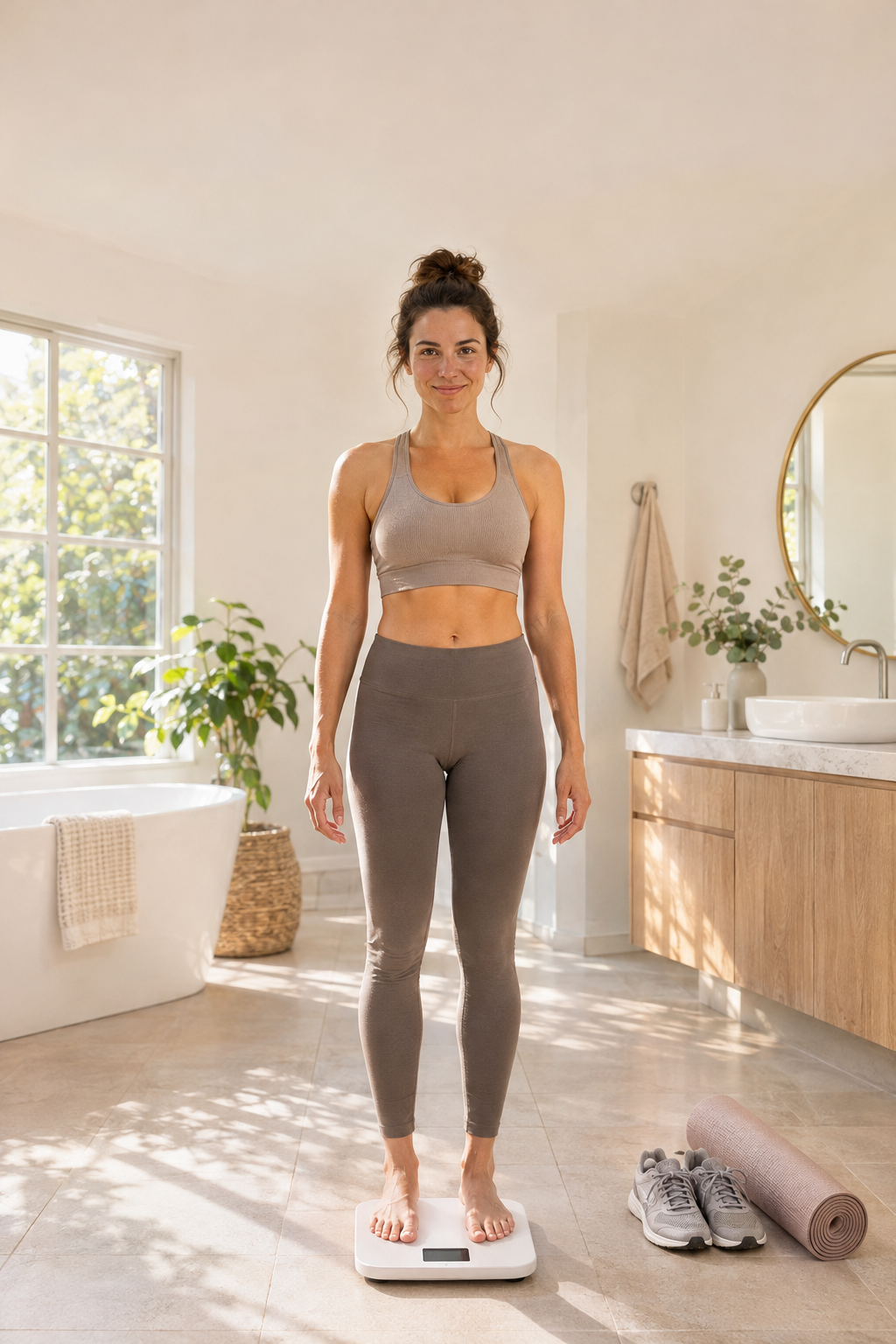
Why Your Knees Care About Every Pound—More Than You Think
Here’s the thing: Every extra pound you carry puts roughly four pounds of pressure on your knees when you walk. (No, that’s not a typo.) This stat comes from a classic 2005 study in Arthritis & Rheumatism—and it’s cited everywhere because it’s true. So, lose just 10 pounds, and your knees experience 40 pounds less force with each step. That’s the difference between a gentle hike and hauling groceries up a staircase, every single day.
If you're nodding along, trust me, you’re in good company. Nearly every patient I’ve interviewed for joint articles over the last decade has felt blindsided by how much weight gain affected their knees—the pain sneaks up, but the fix isn’t quick, and it isn’t easy. But it is possible.
The Daily Struggle: Why Weight and Knee Pain Are a Frustrating Cycle
Most folks aren’t just dealing with the number on the scale. They’re also battling a sense of loss—mobility, comfort, and sometimes even independence. Gaining weight makes your knees hurt more, so you move less, which makes managing your weight even harder. I wish more articles talked about this vicious cycle. It’s not laziness. It’s physics and pain—plain and simple.
One reader wrote me recently: “Whenever I try to take a walk, my knees swell up the next day. I feel stuck.” If you've ever felt trapped in that loop, you’re not alone. It’s especially frustrating because the advice is always “just move more”—as if it’s that easy when your joints burn with every step.
Getting Real About Weight Loss for Knee Relief: The Science
Look, there’s no magic secret. But there is real science. A 2013 study in the Journal of the American Medical Association followed overweight adults with knee osteoarthritis. Those who lost just 10% of their body weight saw a 50% improvement in knee function and significant reductions in pain scores. That’s not nothing.
The mechanism is straightforward: less weight, less compressive force, less cartilage wear-and-tear. But here’s where it gets interesting—those who lost weight and did basic strength training reported the best outcomes. The same study found quadricep strength was a major predictor of who felt better six and twelve months later.
So, weight management isn’t just about eating less. It’s about movement. But you have to move smart, not just more. I’ll explain how in a second.
Inflammation, Metabolism, and the Hidden Links
Let’s not forget, body fat isn’t just a number—it’s metabolically active. Adipose tissue (that’s medical-speak for body fat) releases cytokines and other molecules that can increase joint inflammation. Research in Nature Reviews Rheumatology (2018) has shown that these molecules, called adipokines, may accelerate cartilage breakdown.
This is why you sometimes see folks with a healthy BMI and raging knee pain, or people who carry extra pounds but have minimal joint trouble—genetics matter, too. But for most of us, reducing body fat, even modestly, does help lower the inflammatory load on our knees.
Practical Weight Management Tips for Reducing Knee Stress
Now for the part you can actually use. Here’s what I’ve seen work for real people, and what the research backs up—not just what sounds good on paper.
- Start with realistic, tiny goals. Don’t aim for “20 pounds in two months.” Try setting a target of 1-2 pounds per month. It adds up, and your knees will notice sooner than you think.
- Prefer lower-impact movement. Walking is lovely (if you can do it comfortably), but swimming, cycling, and chair yoga are game-changers for many. One 2022 BMJ meta-analysis found aquatic exercises meaningfully reduced pain for knee arthritis sufferers.
- Gently build leg strength. This isn’t about squats with dumbbells. I’m talking about easy, research-backed moves you can do at home. (The book Treat Your Own Knees is one I’ve recommended dozens of times—clear illustrations, realistic progressions, and nothing fancy.)
- Be picky with your calories. Protein helps keep you full and supports muscle. Small tweaks—like swapping chips for Greek yogurt or adding beans to soup—can make a difference over time.
- Don’t skip joint support gear if it helps you move. Compression knee sleeves aren’t just for athletes. The Modvel Compression Knee Brace (a top seller with 75,000+ reviews) is lightweight, stays put, and—if my inbox is any indication—makes a real difference for many folks who just want to get through a walk without wincing.

Don’t feel bad if you need to lean on assistive gear. I used to think braces were for “serious injuries,” but now I see them more like sneakers—sometimes the right tool lets you keep moving forward.
Knee-Friendly Meal Ideas: What Actually Helps?
I’ll admit it: No diet can “cure” knee pain, but some habits take the edge off. Here’s what stands up to scrutiny:
- Lean protein. Chicken, fish, tofu, eggs—they build muscle and keep you satisfied, so you’re not as tempted to graze late at night. Aim for a palm-sized serving at lunch and dinner.
- Fiber-rich foods. Lentils, whole oats, apples, chia seeds—they help you feel full, balance blood sugar, and make weight loss less miserable.
- Anti-inflammatory extras. Olive oil, turmeric, mackerel, walnuts—these aren’t magic bullets, but they do seem to nudge inflammation in the right direction, according to several meta-analyses in Nutrition Reviews (2020-2022).
- Limit the processed stuff. I know, easier said than done. But a 2021 Arthritis Care & Research review found a direct link between ultra-processed foods and higher pain scores—likely because of the inflammation factor.
Hydration: The Forgotten Secret
This sounds boring, but cartilage is 80% water. Dehydrated joints are cranky joints. Shoot for at least six glasses daily—more if you’re sweating in the summer. I always keep a big water bottle at my desk to remind myself, especially when I’m deep in research mode.
Movement Hacks for Sore Knees (Even on Your Worst Day)
Most articles tell you to “use it or lose it.” Not helpful if your joints feel like rusty hinges. Here’s what I tell friends and family—especially those who gave up after one painful walk:
- Break up your movement. Five-minute stints, a couple times a day, add up. It’s less overwhelming and less likely to spike your pain.
- Use support gear when you need it. I mentioned the Modvel knee sleeves above, but if your knee is unstable, you might want to try something sturdier like the NEENCA brace, which adds stabilizers and a patella gel pad. Talk to your doctor or PT to see what fits your needs best.
- Don’t ignore pain flares—use heat and rest strategically. I keep an XL heating pad under my desk for rough days. Moist heat soothes and loosens stiff joints, buying you a little more comfort to move later.
- Try isometric holds. Wall sits, gentle leg lifts, and even just tightening your thigh muscles while seated can keep your legs strong without pounding your knees.
And always—check with your doctor or a physical therapist before starting new exercises, especially if your pain is severe or you’ve had recent injury or surgery.
Why Strength Matters as Much as Weight
Here’s a stat most people miss: Weak quadriceps are a massive risk factor for knee pain and progression of arthritis. The Framingham Osteoarthritis Study (2009) showed that those with the weakest quad strength were 60% more likely to develop symptomatic knee OA, even after adjusting for weight. Building a little muscle goes a surprisingly long way.
The good news? Research-backed guides like Treat Your Own Knees (yes, I’m mentioning it again) are built on this principle—progressive, safe home exercises that gently wake up those muscles and protect your joints.

What Actually Makes Weight Loss Stick?
I know, everyone’s looking for the magic solution. Here’s what I’ve seen (and what dozens of studies confirm):
- Accountability. Whether it’s a weekly check-in with a friend, a food-tracking app, or jotting down meals in a $1 notebook, people who track progress—even roughly—lose more weight and keep it off.
- Support. Group classes, online communities, or even a walking buddy matter. A 2020 Obesity journal analysis found people with regular social support lost 3-4 times more weight on average.
- Forgiveness. Setbacks happen. I’ve seen folks get derailed by one “bad” week. The ones who succeed are kind to themselves, regroup, and start again. No shame, just realism.
And go slow. The harsh truth? Fast weight loss is almost always followed by a rebound. Steady, sustainable changes are boring—but they’re the only thing that really lasts.
Busting the Myths: Weight, Diets, and Knee Pain
Let’s clear up a few things:
- “You have to go keto/paleo/vegan.” Not true. Success comes from the plan you can actually live with. Consistency wins.
- “Supplements will melt your fat.” No reputable study supports this. Save your money for real food or gear that helps you move.
- “If you can’t walk, you can’t lose weight.” False. Nutritional changes alone can do a lot. Add movement when you’re able, but don’t wait for a “perfect” moment—it’ll never come.
One last word of caution: Before making major dietary or exercise changes, especially if you have diabetes, heart issues, or severe joint damage, talk to your medical provider. They can help you set boundaries, adjust medications, and monitor progress safely. (A little prevention saves a lot of grief.)
The Takeaways: What Should You Actually Do?
- Start with small, realistic weight-loss goals—your knees notice every pound.
- Prioritize movement you can tolerate, even if it’s just minutes at a time.
- Support your joints with compression sleeves if they help you move better.
- Lean on smart, simple meals—fiber, protein, and anti-inflammatory foods.
- Use heat, rest, and gentle exercise to break the pain cycle.
- Track progress, forgive yourself, and get support when you can.
Look, progress isn’t linear. There will be better weeks and rough ones. But every small step makes life a little easier for your knees. If you want my quick picks: Treat Your Own Knees for science-backed home moves, a Modvel knee sleeve for painless walks, and an XL heating pad for flare-ups. All are modest investments compared to the cost of long-term pain.
If you’ve made it this far, you’re doing the hard part already—caring enough to learn. That’s how change starts. Send me your questions, share your own tips, or just let me know how you’re doing. Your knees are worth it.
KAREN WHITFIELD
Veteran health journalist, contributor to Everyday Health, Prevention, and Arthritis Today. Reader-first, research-driven. Dedicated to real joint relief.