
How to Reduce Joint Inflammation Naturally: A Veteran Health Writer’s Science-Backed Playbook
If you’ve ever woken up with stiff, aching knees or felt that telltale burn in your fingers, you know joint inflammation isn’t just uncomfortable—it can be downright demoralizing. And look, I get it. My own mother-in-law used to keep an ice pack permanently stationed by her recliner, claiming it was her "best friend" during bad flare-ups. But what if you could ease joint inflammation, not by reaching into the medicine cabinet, but by tapping into natural, sustainable changes?
The Daily Reality: Why Joint Inflammation Feels So Unfair
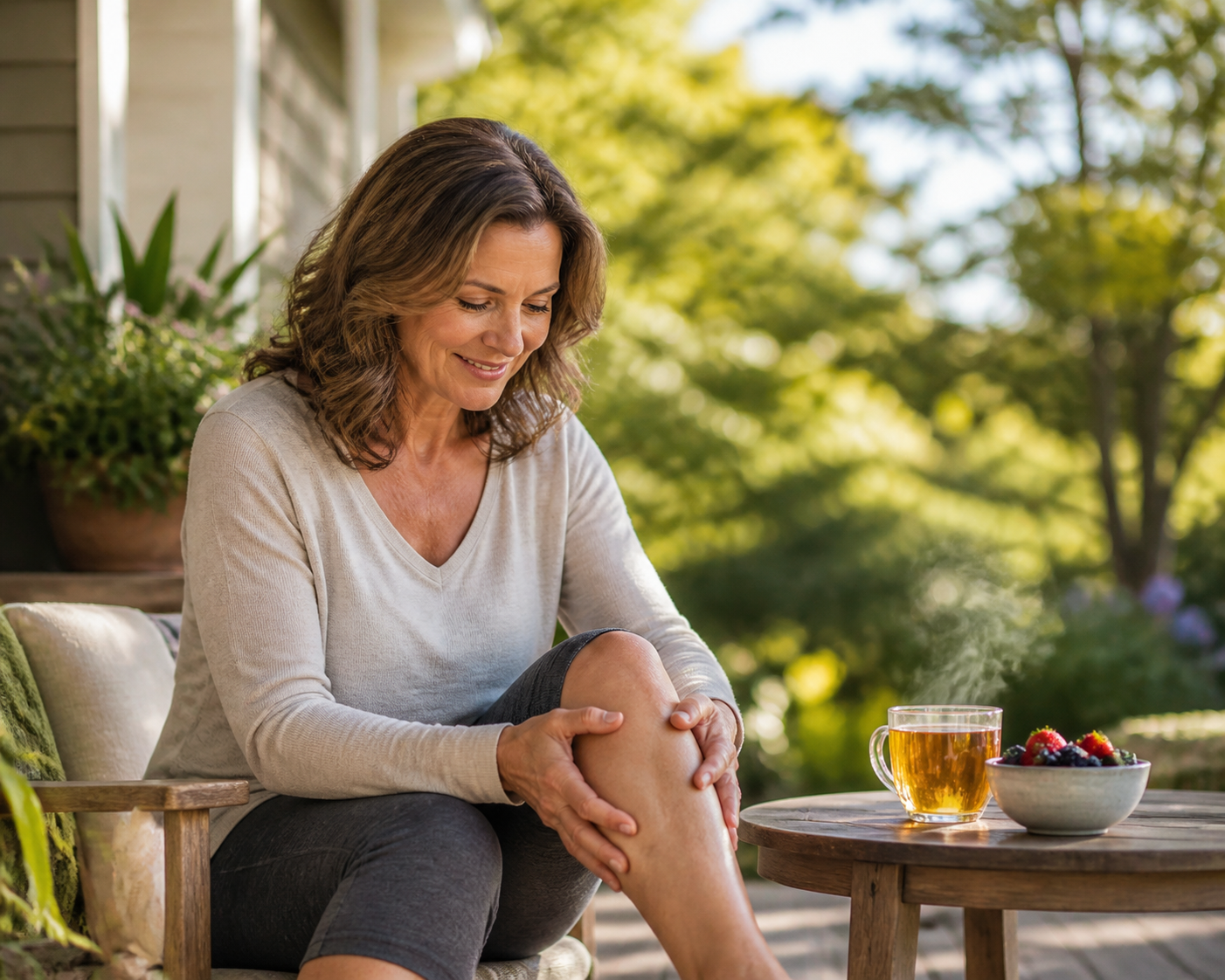
Here’s the thing: Joint inflammation isn’t just about pain—it eats away at your freedom. Readers email me all the time, frustrated that even a walk around the block feels like summiting Everest. It’s exhausting, both physically and emotionally. One reader, Sue, wrote, “I’d give anything to garden again without feeling like my elbows are on fire.” If you’re nodding along, you’re in good company.
And while quick fixes sound tempting, most folks with arthritis or chronic joint issues will tell you: masking the pain is a losing battle. The real relief? That comes from addressing inflammation itself. That’s the root. So, let’s unpack what’s actually happening in your body—and what you can do about it, gently and naturally.
The Science Behind Joint Inflammation (And Why It’s So Stubborn)
I’ve spent years sifting through medical journals, and if I had a dollar for every time I read the phrase “multifactorial etiology,” I’d have a lot of fancy knee braces. Jargon aside, joint inflammation is your immune system sounding the alarm. Maybe it’s osteoarthritis (cartilage breakdown), rheumatoid arthritis (autoimmune), or even from a past injury. But whatever the trigger, the chemical cascade—think cytokines, prostaglandins, and a soup of other inflammatory signals—results in swelling, heat, and pain.
Here’s where it gets interesting: Some inflammation is protective, like after a sprain. But chronic inflammation? That’s when things get dicey. Studies in Arthritis & Rheumatology (2022) and the Journal of Rheumatology (2021) show that persistent low-grade inflammation accelerates joint damage, ramps up pain, even saps your energy. It’s not just about your knee or your thumb—whole-body health is on the line.
What causes this to linger? Genetics, diet, your activity level, stress (yes, cortisol is a culprit), even your gut microbiome. No wonder a one-size-fits-all approach falls flat. But that’s also why natural strategies—ones you can tailor to your life—are so powerful.
What the Research Says About Natural Relief
Now, most articles will cherry-pick a “miracle cure.” I’m not here for that. I’m interested in what the clinical trials, meta-analyses, and real-world experience actually show. The truth? There’s no magic bullet. But there are evidence-backed strategies that move the needle, especially when combined.
- Diet: Studies (like the 2020 BMJ review) consistently link an anti-inflammatory diet—think colorful fruits, leafy greens, and omega-3-rich fish—to lower joint pain scores.
- Movement: Gentle activity (Tai Chi, swimming, resistance bands) reduces inflammatory markers and improves mobility. The American College of Rheumatology recommends 150 minutes/week of moderate movement—start smaller if you need to.
- Mind-Body: Mindfulness practices, like meditation, can lower systemic inflammation by taming stress hormones. Not just “woo-woo”—there’s hard science here.
- Supplements & Topicals: I’ll get to these, but not all are created equal—some actually have meaningful evidence.
The Natural Toolbox: Real Ways to Reduce Joint Inflammation
1. Food as (Gentle) Medicine
I know, telling you to “eat better” can feel patronizing. But the specifics matter. A 2021 Annals of Internal Medicine study found that people with rheumatoid arthritis who prioritized Mediterranean-style eating (lots of olive oil, fatty fish, veggies) reduced their morning stiffness by nearly 30%. That’s not nothing.
My go-to anti-inflammatory foods (and how I sneak them in):
- Berries (strawberries, blueberries): Add to oatmeal or yogurt—packed with anthocyanins
- Fatty fish (salmon, sardines): Omega-3s help suppress inflammatory cytokines. Canned works if fresh is pricey.
- Leafy greens (kale, spinach): Sautee with garlic or toss in a smoothie. They’re loaded with antioxidants.
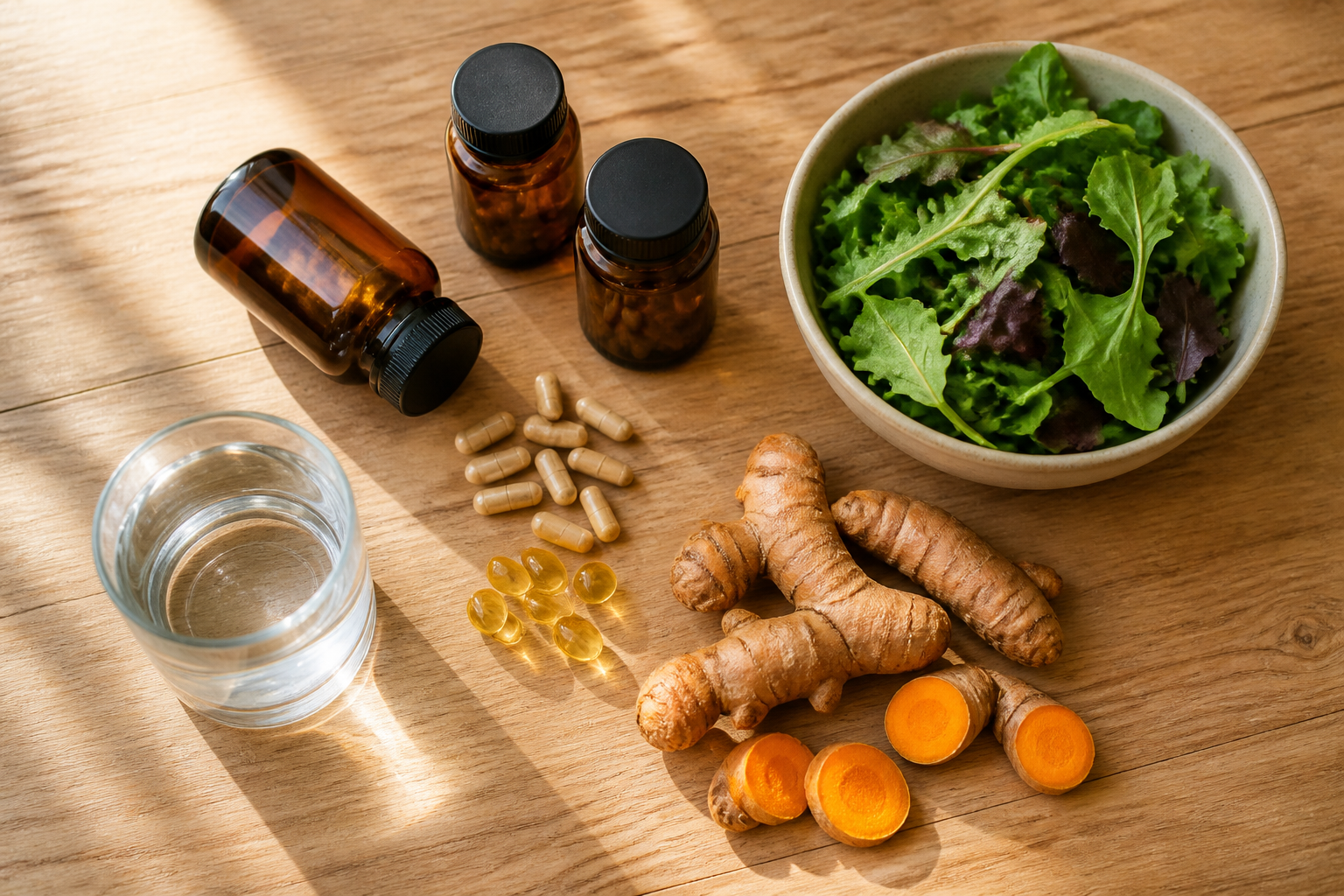
- Turmeric: Add to eggs, soups, or golden milk. Curcumin has real anti-inflammatory clout (see 2016 Phytotherapy Research randomized trial).
One thing I wish more folks knew: it’s not about perfection. I still indulge in the occasional burger (life’s for living!), but most of my meals are plant-forward. Small shifts add up.
2. Smart Movement—Not “No Pain, No Gain”
If anyone tells you to “just push through the pain,” send them my way. That advice is outdated—and honestly, a little reckless. Gentle, regular movement reduces joint stiffness and improves fluid circulation (that’s the synovial fluid your joints love). Even five-minute walks a few times a day can help. If you’re feeling ambitious, Tai Chi was shown in a 2018 JAMA trial to cut knee pain by 24% after 12 weeks.
And don’t underestimate joint support. Products like the Modvel Compression Knee Brace have become a quiet hero in my household—my husband swears by them for long walks, and I see the rave reviews from people returning to gardening, dog-walking, and even tennis. What I like: they come as a pair, have anti-slip strips (no more hiking up sleeves mid-stride!), and at under $20, don’t break the bank.
3. Heat, Cold, and Comfort at Home
This isn’t revolutionary, but it’s often overlooked. Warmth, in particular, can help blood flow and dial down stiffness. I’m a fan of the Pure Enrichment PureRelief XL Heating Pad, especially for larger joints or morning stiffness that just won’t quit. The moist heat setting penetrates deeper—a game-changer for me during those soggy, cold weeks in March when my hands turn to stone. (Always cover heating pads and keep sessions under 20 minutes—safety first!)
Prefer cold packs? That’s okay too—especially for post-activity flares. My neighbor alternates heat and cold, sometimes in the same afternoon. Find what soothes your body.

4. Mind Your Mind (Seriously—It’s a Biological Lever)
Here’s a curveball: Your stress response can fuel joint inflammation. In my reporting, I was skeptical until I saw the evidence. A 2018 Frontiers in Immunology review outlined how chronic stress alters your immune system, making flares more frequent and severe.
What helps? Simple mindfulness exercises, deep breathing, or listening to music you love. No, you don’t need to sit on a mountaintop. Apps like Calm or Insight Timer can guide you, or try a two-minute breathing break before bed. Over time, this dials down the background hum of inflammation.
5. Supplements—Which Ones Actually Move the Needle?
Now we’re wading into controversial waters. Supplements are heavily marketed—some are duds, a few are diamonds in the rough. Here’s my journalist’s take: The best evidence consistently points to glucosamine and chondroitin, especially at higher dosages (think 1500mg glucosamine sulfate, 1200mg chondroitin). Meta-analyses from Arthritis Care & Research (2020) found moderate pain relief and functional improvement in osteoarthritis, but not a miracle by any means.
Combine these with MSM and anti-inflammatories like turmeric and Boswellia, and you’ve got a more comprehensive toolkit. For those looking to try this approach, a formula like Vimerson Health Glucosamine Chondroitin Turmeric MSM & Boswellia checks those boxes: five ingredients, over 43,000 positive reviews, and made in the USA. Full disclosure—I recommended it to my brother (a lifelong runner) and he saw a difference after about 4 weeks. That mirrors the research, by the way: allow at least 2-3 months for full effect. And as always, talk to your doctor before adding any supplement, especially if you’re on blood thinners or have chronic conditions.
6. Sleep (The Unsung Inflammation Fighter)
It sounds obvious, but sleep is the body’s best chance to repair. According to a 2017 study in Sleep, even modest sleep deprivation spikes inflammatory markers. And I see this with readers all the time—their flares worsen after restless nights. Do what you can to prioritize restful sleep: cool room, consistent bedtime, and limit screens in the evening. Even napping (20-30 minutes) can help. Not all fixes are high-tech!
7. Other Little-Noticed, Big-Impact Tweaks
- Hydration: Dehydrated cartilage is cranky cartilage. I aim for 8-10 cups of water, more on active days.
- Quit smoking (if you smoke): The data is unequivocal—nicotine stokes inflammation and impedes healing.
- Body Weight: I know this is unpopular, but even a 5% drop in body weight (according to the Osteoarthritis Initiative) lowers stress on knees and hips—and inflammation drops alongside.
Are Natural Strategies Enough?
I wish I could tell you that lifestyle tweaks alone will put your pain in the rearview mirror. For many, they’re a giant leap forward—but sometimes, prescription meds or injections still play a role. What’s encouraging is that natural approaches often let you use less medication, and sometimes delay the need for more aggressive interventions.
I’ve seen it with my own family—and in reader emails every week. When you combine smart, gentle movement, mindful eating, and a few thoughtfully chosen supports (braces, heat pads, or the right supplement), quality of life improves. You actually start living again, not just managing symptoms.
Key Takeaways: How to Reduce Joint Inflammation Naturally
- Embrace an anti-inflammatory diet—lots of fruits, veggies, omega-3s, turmeric, and color on the plate.
- Move in ways that feel good—don’t push through pain, but don’t stop moving either. Gentle is powerful.
- Use supportive tools: Knee braces like Modvel Compression Knee Brace, and heating pads such as Pure Enrichment PureRelief XL can make daily life more comfortable.
- Supplements may help—especially blends with glucosamine, chondroitin, MSM, turmeric, and Boswellia (Vimerson Health’s formula is one to consider, after checking with your doctor).
- Mind-body practices and quality sleep are inflammation tamers in disguise—don’t ignore them.
If you feel overwhelmed, start with one change. Maybe it’s an extra handful of berries, a five-minute stretch, or swapping a processed snack for a cup of herbal tea. Progress, not perfection.
I’m always rooting for you—and if you have a story, question, or hack that’s worked for your joints, drop me a line. The best advice often comes from people who’ve lived it.
Stay gentle, stay curious—and be well.
Karen Whitfield, veteran health journalist and patient advocate