
How to Reduce Joint Inflammation Naturally: Nurse-Approved Tips That Actually Work
If you’ve ever woken up to find your knee the size of a grapefruit after a family barbecue, you’ll know exactly where I’m coming from. I’ll never forget the patient who called me in a panic after his golf weekend — his fingers swollen so badly he couldn’t grip his mug. This isn’t rare. According to the Journal of Rheumatology (2019), roughly 54 million Americans deal with chronic joint pain and inflammation. And here’s the thing: the usual advice floating around — just “rest and ice it” — barely scratches the surface when flare-ups hijack your life.

The Daily Struggle Is Real (And You’re Not Crazy)
If you’re nodding along, you’re not alone. Even a slight increase in joint inflammation can make the difference between a day enjoyed and a day endured. These folks aren’t making it up — joint inflammation is real, it’s visible, and it’s measurable. The BMJ published a study in 2020 showing people with mild osteoarthritis reported their pain as an average of 5/10 — not “just a little sore.”
What frustrates me most is that so many people just keep pushing through, feeling guilty or embarrassed, as if it’s their fault. I’ve spent two decades in orthopedic nursing watching proud grandparents, ex-athletes, and weekend gardeners all quietly suffer. It’s time we talk honestly about what works — and what really doesn’t — for natural joint inflammation relief.
What’s Actually Happening Inside Your Joints?
Here’s where it gets interesting (I promise, I won’t go full science textbook). Joint inflammation is your body’s response to injury, overuse, or, more commonly, wear-and-tear. When cartilage breaks down or a joint is stressed, your immune system sends extra blood, fluid, and immune cells to the area. The result? That familiar trio of heat, swelling, and pain.
Long-term, this can lead to more serious issues. According to Arthritis & Rheumatology (2017), chronic inflammation changes the actual structure of your joints — think narrowed joint space, rough cartilage, and even bone spurs. If left unchecked, it’s not just annoying — it can limit your ability to walk, garden, or even cook dinner. Sorry to sound alarmist, but knowledge is power.
But — and this is huge — the right habits and a handful of truly helpful products can make a difference. The goal isn’t to “cure” arthritis or magically erase damage. It’s to calm the inflammatory cycle so you get your life back.
The Building Blocks: Science-Backed Strategies for Soothing Inflammation
1. Move Your Joints — The Right Way
I know, movement sounds counterintuitive when everything aches. But gentle, targeted movement is like sending a peace offering to your immune system. Low-impact activities (think swimming, cycling, chair yoga) can boost circulation and bathe your joints in nourishing synovial fluid. Try for 20-30 minutes a day, even if it’s broken up. I told my own mother-in-law this when her hands started swelling, and she swears her morning walks are now her “magic potion.”
- Stretch daily, even if it’s just while you’re waiting for coffee to brew.
- Warm up first: A few shoulder rolls or a five-minute stroll makes a real difference.
- If it hurts, modify it. You’re not training for the Olympics — you’re rehabbing for life. Go easy.
2. Eat Like an Anti-Inflammatory Pro
Look, you don’t need to go full-on kale evangelist. But certain foods absolutely do fight inflammation. The Mediterranean diet is backed by dozens of studies — a 2018 meta-analysis in the International Journal of Rheumatic Diseases showed participants eating more fatty fish, nuts, and olive oil reported up to 30% less joint pain than those eating a standard Western diet.
- Omega-3 rich fish: Salmon, sardines, and mackerel are stars here.
- Cherries & berries: Antioxidant powerhouses! Try a daily handful.
- Spices: Turmeric and ginger contain compounds (curcumin and gingerol) proven to reduce inflammation markers.
- Limit added sugars & processed foods: These stoke inflammation like lighter fluid on a campfire.
I know this isn’t revolutionary advice. But most people I meet overestimate how “healthy” their diet is. (I did, too, until my knees started creaking in my forties.) Track what you eat for a week. The results can be eye-opening.
3. Try Natural Supplements — But Don’t Believe the Hype
Not gonna lie, I was skeptical for years. Supplement shelves are a circus of big promises and tiny disclaimers. But some formulas, especially those combining classic ingredients, actually have a solid evidence base.
Glucosamine (1,500 mg daily) and chondroitin (1,200 mg) are the old standbys — and yes, the 2016 GAIT trial found they helped people with moderate knee pain nearly as much as prescription NSAIDs. MSM and turmeric are also worth a look. Here’s a supplement I recommend to readers who want an all-in-one option because, frankly, it’s affordable and well-reviewed:
- Vimerson Health Glucosamine Chondroitin Turmeric MSM & Boswellia — This one combines glucosamine, chondroitin, MSM, turmeric, and boswellia (another anti-inflammatory herb). Over 43,000 reviews, made in the USA, and I had a reader last month message me to say her “morning stiffness finally budged after three weeks.” Always check with your doctor, especially if you’re on blood thinners.
Supplements aren’t magic, but for some people, they’re the missing puzzle piece. The trick is consistency. Give it 1-2 months before judging results.
4. Harness the Power of Hot & Cold
This isn’t just old wives’ wisdom — heat and cold therapies are legit, and they work differently. Cold (think gel packs) calms swelling and numbs pain after activity. Heat, on the other hand, is fantastic for morning stiffness or chronic aches — it pulls blood flow to the area, relaxing tight muscles and joint capsules.
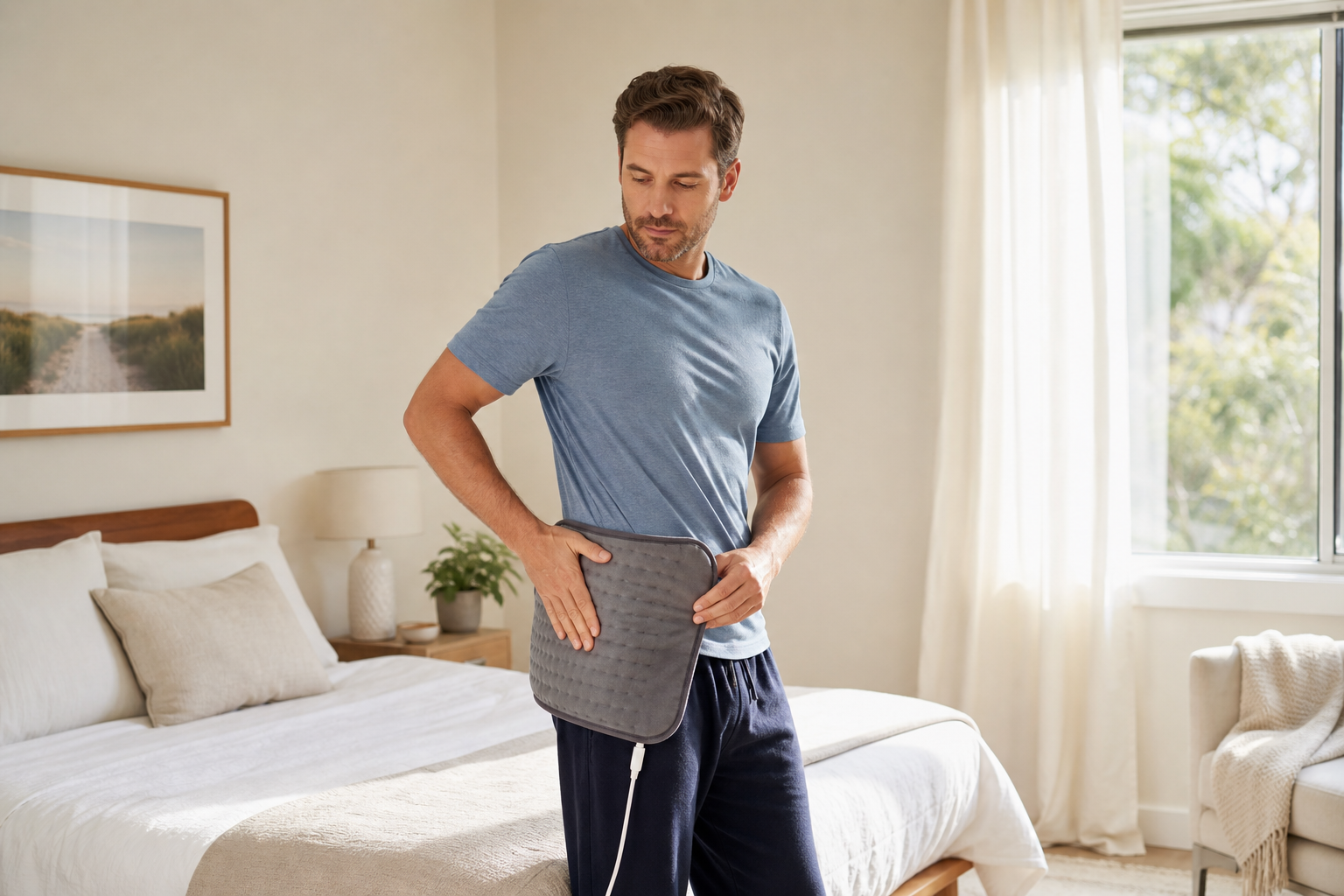
For my patients who struggle with larger joints (knees, hips), I like to recommend an extra-large heating pad like the Pure Enrichment PureRelief XL. The moist heat setting is a game-changer — it penetrates deeper than dry heat, and the auto shut-off means you can actually relax without worrying you’ll nod off and fry your skin. (Another tip: alternate hot and cold if you wake up stiff then swell up after activity.)
5. Don’t Knock Compression Gear (Until You Try It)
Every week for 20 years, I watched tough patients transform after slipping on a knee sleeve or elbow brace. Good compression doesn’t ‘fix’ joint damage, but it does decrease swelling and support wobbly joints during daily activities. The science here is practical — compressive sleeves limit fluid build-up, and keep your sense of “joint position” (proprioception) sharp, which reduces accidental overuse injuries.
If you’re upright most of the day or active, a simple, affordable option is the Modvel Compression Knee Brace. It’s sold as a pair (rare at this price point), uses a breathable knit, and the silicone strips actually keep them from slipping and bunching — small details, but crucial when you’re on your feet. Most articles gloss over this, but a brace shouldn’t make you more uncomfortable.
Again, always check with your doctor if you have any circulatory issues — compression isn’t for everyone.
Going Deeper: Myths, Mistakes, and What Your Doctor Probably Won’t Tell You
Should You Stop All Exercise During a Flare?
This is one of the biggest misconceptions I see. Unless your provider gives you strict instructions to rest, gentle movement is almost always better than complete immobility. Immobilizing a joint for too long leads to more stiffness, muscle loss, and even increased pain sensitivity down the line. Think of movement as lubrication — your cartilage relies on it.
Even on bad days, try non-weight-bearing activities: gentle stretches, hydrotherapy, or easy range-of-motion exercises. My personal “bad knee” routine involves lazy circles with my ankle while watching TV. Small wins add up.
Are Natural Remedies ‘Safer’ Than Medications?
This is controversial, but it needs saying: just because something is ‘natural’ doesn’t mean it’s harmless or risk-free. Turmeric, for example, can interact with blood thinners; high doses of supplements can trigger digestive upset or even affect kidney function if you have underlying issues. The National Institutes of Health published a 2021 review showing up to 22% of supplement users experienced at least one side effect. Bottom line: always check with your pharmacist or provider.
What About Topical Relief?
Sometimes, you want fast, targeted relief — especially for smaller joints. Menthol-based roll-ons and creams can temporarily distract your nerves from that deep, throbbing pain. While I don’t recommend these as a “cure,” some of my readers keep a bottle of Biofreeze or similar in their purse or nightstand for flare-ups. (I’m not including it as a core pick here, but it's worth a mention for spot relief.)

Takeaways: Realistic Relief Is About Layers, Not Quick Fixes
Here’s what I tell my family, my patients, and anyone who emails me their “hopeless” story: don’t expect perfection. The goal is less frequent and less severe inflammation. Small, consistent changes add up. If you:
- Move gently (most days)
- Eat more anti-inflammatory staples
- Layer in a targeted supplement like Vimerson Health Glucosamine Chondroitin Turmeric MSM & Boswellia
- Use heat and compression when needed
You’ll gradually notice better mornings, less swelling after activity, and — dare I say it — a little more hope. Is it a cure? No. But for most of us, it’s enough to reclaim the things we love.
I’d love to hear what’s worked (or backfired!) for you. I genuinely read every email. And remember: none of this replaces your doctor’s care. If you have sudden swelling, redness, or fever, get checked out quickly — some types of joint inflammation can be serious.
Looking Ahead
I know this was a long read — but if you stuck with me, you’re already taking charge of your health. Here’s to fewer ice packs, more walks, and stolen moments of real comfort. Stay curious (and a little skeptical) — and don’t be afraid to try new things, as long as they’re safe and you give them a fair shake.
Linda Hargrove, RN — 20 years of orthopedic care, now writing for your knees and peace of mind. Questions? Drop me a line through JointReliefReviews.com.