
How to Reduce Joint Inflammation Naturally: Small Tweaks, Big Relief
Last winter, a regular reader—let’s call her Susan—emailed me with a dilemma. She’d just retired, planned to travel, but her knees were so stiff after a short walk through the airport that she nearly missed her flight. “Is it arthritis? Inflammation? Both?” she asked. And more importantly: “What can I do, without medications that upset my stomach?”

If you’re nodding along, you’re not alone. In my practice, I see it every day—folks frustrated by sore, swollen, or hot joints that just won’t let up. And it’s not just aging knees. Wrists, shoulders, hips—joint inflammation can show up anywhere, at any age, and turn everyday motions into a chore.
Why Does Joint Inflammation Feel So Relentless?
Look, a little inflammation is actually your body’s natural defense mechanism. But chronic (ongoing) joint inflammation? That’s a different animal. It wears down cartilage, triggers pain, and makes you creakier than an old stair. The usual suspects: osteoarthritis, rheumatoid arthritis, old sports injuries, or even general wear-and-tear. But here’s where it gets interesting—diet, stress, sleep, and movement patterns all influence your inflammation levels, sometimes as much as genetics do.
One 2021 study in Arthritis & Rheumatology found that even people with mild osteoarthritis can have wildly different inflammation markers, depending on their daily habits. Anecdotally, I’ve seen patients dramatically improve just by tweaking a few things (no magic pills required). That’s the good news.
What’s Actually Happening In Your Joints?
Let me nerd out for a second. When joints are inflamed, immune cells (like neutrophils and macrophages) flood the area, releasing cytokines—those little chemical messengers you hear about. This sets off swelling, redness, and pain. Sometimes, your synovial membrane (the cushioning around your joints) thickens and produces extra fluid, which is why joints feel puffy or “full.”
It’s not just a “wear and tear” story. Food sensitivities, gut bacteria, stress hormones—they all play a part. If you think inflammation is just about age, you’re getting only half the story. And if you’ve ever wondered why your neighbor swears by turmeric but it seems to do nothing for you? Blame genetics, absorption, or—honestly—sometimes placebo works too.
The Habits I Swear By to Calm Joint Inflammation
Let’s cut to the chase. I’m not anti-medication, but I am deeply cautious (and so are most rheumatologists I work with). GI side effects and long-term risks are real. That’s why I encourage patients to focus on natural, sustainable strategies first. Here’s what moves the needle most:
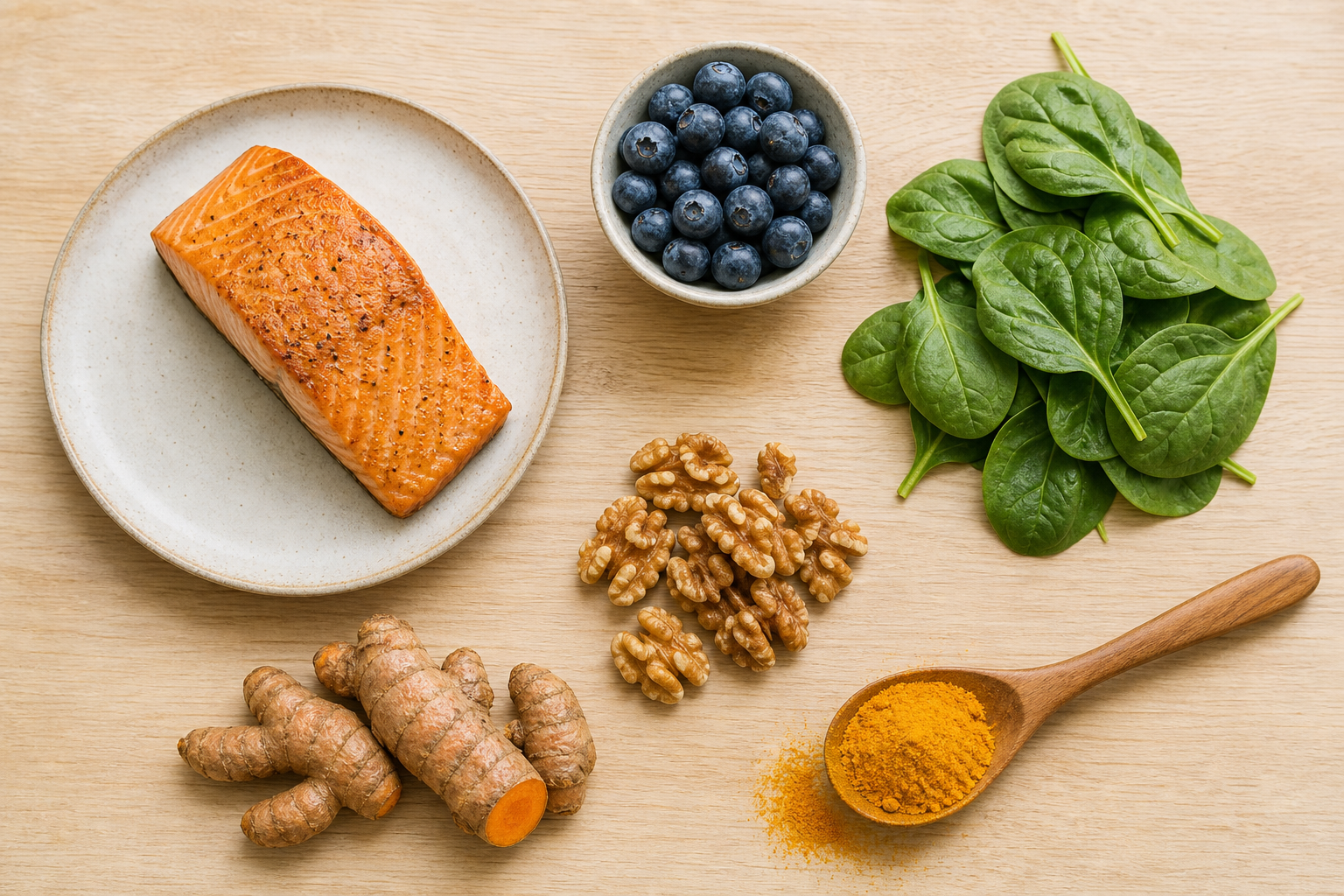
- Eat anti-inflammatory, not just “healthy.” Yes, vegetables matter, but specific foods stand out. Think wild-caught salmon, sardines, walnuts, flax, and chia for omega-3s. Berries, cherries, and dark leafy greens? They’re loaded with polyphenols that actually blunt inflammatory cytokines (see Journal of Nutrition, 2016).
- Watch for stealth triggers. Some people are ultra-sensitive to added sugars, omega-6-heavy oils (soy, corn, sunflower), and refined grains. I had a patient who dropped her daily diet soda, and her hand swelling improved within two weeks. Coincidence? Maybe. But there’s real research linking sugar and processed carbs to higher joint inflammation (Harvard, 2017).
- Move, but don’t overdo it. I know, moving hurts when you’re inflamed. But gentle, rhythmic activity—walking, cycling, tai chi—can flush inflammatory debris from joints. In fact, studies show as little as 20 minutes of daily movement can cut inflammatory markers by up to 12% (Translational Medicine, 2017).
- Prioritize sleep like it’s a supplement. Chronic poor sleep actually raises CRP (C-reactive protein), one of the key blood markers for joint inflammation. Aim for a consistent bedtime and limit screens if you want results. I battle with this myself during stressful weeks, and my wrists always tell me when I haven’t listened to my own advice.
One thing you won’t hear from most doctors: daily stress—work, family, even worrying about pain—doesn’t just make you feel worse. It literally amplifies inflammatory chemicals. That’s why meditation and even simple breathing drills help more than people expect.
Supplements: Hype vs. Hope for Inflamed Joints
Now, here’s the million-dollar question. Are there *really* natural supplements that tame joint inflammation? I’ll be honest—I used to be a skeptic. But after reviewing dozens of double-blind trials and seeing the difference in patients (and my own mother-in-law—her fingers, her rules!), a few stand out.
- Turmeric (Curcumin): 1,000–2,000mg/day. Multiple studies (see Journal of Medicinal Food, 2016) show curcumin can reduce joint pain and swelling, especially for knee osteoarthritis. But absorption is tricky—look for brands with black pepper extract (piperine).
- Glucosamine & Chondroitin: 1,500mg/1,200mg daily. The old standards. The BMJ 2018 meta-analysis showed modest improvements in pain and function, particularly for people with moderate joint damage.
- Omega-3 Fish Oil: 1–3g/day EPA/DHA. These help tamp down inflammatory cytokines directly—clinical trials report noticeable pain reduction after 8–12 weeks, especially in rheumatoid arthritis.
- Boswellia Serrata: 100–250mg/day. I’ve had several patients with stubborn knee swelling see real benefit. Not as much research, but promising (see Phytotherapy Research, 2019).
If you’d rather not chase down a cabinet full of single-ingredient bottles, there are comprehensive blends that combine these for convenience. One that’s become popular is Vimerson Health Glucosamine Chondroitin Turmeric MSM & Boswellia—it covers the bases, including that crucial turmeric/curcumin for inflammation and MSM for joint mobility. I’ve seen several patients do well on this (and at under $30 for a month’s supply, it won’t break the bank).
Friendly reminder: Always talk to your doctor before adding new supplements, especially if you’re on blood thinners, have liver issues, or are managing other chronic health problems.
My Go-To At-Home Tools (Yes, I Use These Too)
Let’s talk practical relief. As satisfying as it is to “eat the rainbow,” sometimes your joints just ache. That’s when hands-on strategies are a game-changer:
- Heat Therapy: Warmth can relax tense muscles around an inflamed joint and ramp up circulation. I often recommend the Pure Enrichment PureRelief XL Heating Pad to patients who need coverage for bigger areas (hips, back, knees). The moist heat setting is the real kicker—penetrates deeper, and unlike microwaved rice socks, it won’t burn you or go cold in minutes.
- Compression Sleeves: Look, not everyone needs these, but for people with mild swelling or instability, a good knee brace can add support and calm. My favorite for sheer value is the Modvel Compression Knee Brace—it’s affordable, sold as a pair (rare!), and the anti-slip design means you aren’t yanking it back up every five minutes. I wear these when I’m working in the yard or know I’ll be on my feet all day.
- Cold Packs: Short, targeted icing is more for acute flare-ups than chronic aches. If you feel hot, puffy, or recently “tweaked” a joint, 10–15 minutes of cold can tame that initial swelling.
I know it sounds simple. But combining these strategies—heat for stiffness, compression for support, cold for acute swelling—often works better than any single “miracle” solution.
The Role of Activity (and Rest): Finding Your Joint’s Sweet Spot
Here’s where a lot of well-meaning advice misses the mark. You’ve probably been told “just keep moving”—but if your joint is angrily inflamed, the type and timing of movement matters. In my clinic, I teach patients to listen for three types of signals:
- Pain that ramps up during activity? Back off or modify.
- Soreness that feels better after movement? You’re on the right track.
- Lingering joint heat/swelling the next day? That’s your cue to rest, use cold, and cut back intensity.
A 2020 Journal of Rheumatology review found that low-impact exercise (think water aerobics, elliptical, slow yoga) not only preserves joint cartilage but can actually lower systemic inflammation over time. The trick is consistency—3–5 times per week, even 15–20 minutes, is enough to start seeing benefit.
And please, skip “no pain, no gain.” That motto belongs in the 90s gym, not in inflamed knees and hips. If you need a day off, take it. Your joints will thank you.
Sleep, Stress, and the Mind-Inflammation Connection
Here’s the part patients roll their eyes at—until they try it. Chronic stress actually reinforces inflammatory pathways via the HPA axis and cortisol surges. Translation: The more stressed you are, the more your immune system misbehaves.
I challenge patients to spend five minutes, twice a day, doing box breathing (4 seconds in, 4 hold, 4 out, 4 hold). The effect isn’t just “feeling calm”—studies show it can drop CRP and lower self-reported pain scores (Psychoneuroendocrinology, 2018). Meditation apps, gentle stretching, even getting out in sunlight for 10 minutes daily can break the stress-inflammation loop. Not gonna lie, I still struggle with this when life gets busy, but I notice my own joint aches worsen when I ignore stress.
Real-World Comparisons: Natural vs. Prescription Relief
Let’s be honest—some people need prescription help, especially with autoimmune diseases or severe arthritis. I’m not here to shame anyone who opts for NSAIDs or DMARDs under supervision. But for many patients, the “natural first, meds if needed” approach helps avoid side effects and builds healthier habits for the long haul.
The biggest difference? Natural methods work gradually. If you’re expecting overnight miracles, you’ll be disappointed. Most studies show 4–12 weeks to see meaningful change with supplements, food, and gentle exercise. Prescription meds may work faster, but the rebound after you stop can be brutal. I always tell my patients: aim for steady, sustainable progress—not quick fixes.

Takeaways: What Actually Works for Joint Inflammation?
- Focus on an anti-inflammatory diet—think wild fish, berries, olive oil, leafy greens, nuts, and seeds.
- Limit sugar and processed foods—your joints (and gut bacteria) will thank you.
- Move daily, but gently—prioritize low-impact and rhythmic exercise.
- Sleep and stress matter. Five minutes of daily breathing is more powerful than you’d expect.
- Supplements can help, but stick with research-backed options—and be patient with results.
- Practical tools like compression sleeves and heating pads offer real relief on rough days.
If there’s one thing I hope you remember, it’s this: There’s no “one-size-fits-all” for joint inflammation. What worked for my mother-in-law (hi, Fran!) might not be your magic bullet. Be curious, track what works, and don’t be afraid to experiment—with your doctor’s blessing, of course.
Keep moving, keep learning, and don’t let a cranky joint hold you back from the life you want. And if you’ve found a natural trick or recipe that actually tames your inflammation, I’d love to hear from you.
— Dr. Michael Torres, DC
Licensed Chiropractor & Nutrition Counselor