
Natural Remedies for Morning Joint Stiffness: What Really Works (And What Doesn’t)
I’ll never forget the voicemail I got from Mrs. G last February. She’s 64, a retired math teacher, and usually annoyingly chipper at 7am. But that morning? I could hear the creak in her voice—"Doc, I can barely close my hand to turn the doorknob. Every morning. Help!"
If you’re nodding along, you’re not alone. According to data in the Journal of Rheumatology (2019), nearly 60% of adults over 55 deal with some level of morning joint stiffness at least a few times a week. And let’s be honest, it’s not just a nuisance—it can hijack your whole day before you’ve even had coffee.

Why Do Our Joints Hate the Morning?
Here’s the thing: stiff joints first thing out of bed are more than just an “aging” complaint. Most folks blame arthritis—and sure, osteoarthritis is a major culprit. But the real story is a little more nuanced. Overnight, your joints are like a car parked in winter: everything cools down, synovial fluid thickens, circulation slows, and minor inflammation tends to pool. Especially if your last movement was flipping to the cool side of the pillow at midnight.
This is even more pronounced for anyone with underlying inflammatory conditions (think rheumatoid arthritis or lupus). The BMJ published a memorable study (2021) showing that the duration of morning stiffness in RA is a shockingly accurate measure of disease activity—sometimes even more than swelling metrics.
But—and this part’s important—stiffness isn’t always about “disease.” I’ve seen plenty of patients in their 30s and 40s, no major diagnoses, stiff as boards every morning. Poor sleep posture, dehydration, stress, and sedentary habits can all contribute. I had a runner in his 20s—yes, 20s!—who realized his post-marathon stiff mornings were more about skipping cooldown stretches than aging joints.
So, Are Natural Remedies Legit?
Look, I know the skepticism. There’s a lot of snake oil out there—and, let’s be blunt, plenty of “miracle” supplements that are about as effective as humming to your kneecap. But some natural remedies really do have research (and clinical results) behind them.
Here’s what I’ve seen work—both in studies and in my own practice:
1. Warmth: More Powerful Than You Think
Heat isn’t some old wives’ tale. Applying heat actually increases blood flow, loosens thickened synovial fluid, and helps decrease pain signaling. The Arthritis & Rheumatology journal (2020) found that consistent morning heat therapy reduced reported stiffness by 39% in osteoarthritis patients.
And you don’t need fancy gadgets. An extra-long heating pad—like the Pure Enrichment PureRelief XL Heating Pad—can cover your knees, hips, or spine while you sip that first cup of coffee. I like the moist heat option; it penetrates deeper and makes a real difference. One patient told me it basically “gave her mornings back.” Not gonna lie, that felt good to hear.
2. Gentle Movement Before You Even Get Up
I know, the last thing anyone wants to do at 6am is exercise. But I’m talking micro-movements: ankle pumps, gentle knee bends, finger circles. Five minutes of these in bed—or even seated at the edge of the mattress—can tell your body it’s time to wake up (without making your joints scream).
- Wrist Circles: 10-15 slow rotations each direction.
- Ankle Pumps: Flex and point your toes 15-20 times.
- Knee Squeezes: Gently pull your knee to chest, hold 5 seconds, alternating legs.
A reader emailed last week—"The stretches you recommended take less than 3 minutes, and my hands aren’t frozen at breakfast." That’s a win.
3. Stay Ahead of Dehydration
Here’s where most articles gloss over: hydration. Your cartilage is 70-80% water. Wake up even slightly dehydrated, and your joints feel it. I tell patients to keep a glass of water on their nightstand; drink it before you even stand up. Simple habit, big payoff.
And yes, coffee counts (a little). Just don’t let it replace your H2O.
4. Supplements: Some Are Worth Trying
Alright, here’s where it gets a bit controversial. Do all joint supplements work miracles? Absolutely not. But certain combos have solid data—especially glucosamine (1,500mg daily) and chondroitin (1,200mg daily) for mild-to-moderate osteoarthritis. A meta-analysis in Osteoarthritis and Cartilage (2018) showed modest, but real, improvements in stiffness and function versus placebo.
Now, throw in turmeric (curcumin), MSM, and boswellia—each has anti-inflammatory properties. I’ve seen patients benefit from a comprehensive formula like Vimerson Health Glucosamine Chondroitin Turmeric MSM & Boswellia. The dose is right, it combines five known ingredients, and with over 40,000 reviews, it’s become a staple recommendation in my practice. But—this is big—supplements aren’t overnight magic. Give it 6-8 weeks. And, always run new supplements past your doctor or pharmacist, especially if you’re juggling other meds or chronic conditions. (I’ve seen interactions. Don’t risk it.)
5. Compression Sleeves: Not Just for Athletes
Compression can work wonders for morning swelling and stiffness. The gentle pressure increases warmth and circulation, and many people tell me their knees feel "less crunchy" after wearing a sleeve for just 20 minutes while getting dressed.
The Modvel Compression Knee Brace is a good, affordable option—sells as a pair, breathable, and (crucially) doesn’t roll down your leg the minute you start moving. I know this sounds like a small thing, but if you’ve ever spent breakfast tugging a sleeve back up, you get it. Again, not a cure, but a practical tool.

What About Diet?
It’s not just what you rub on or wear. Inflammatory foods—think processed carbs, sugary snacks—can worsen joint swelling. The Mediterranean diet (extra virgin olive oil, fatty fish, loads of greens) has been linked in several studies (Annals of Internal Medicine, 2017; American Journal of Clinical Nutrition, 2019) to lower systemic inflammation and less severe morning stiffness. My personal tip: add a handful of walnuts or chia seeds to breakfast. Omega-3s are your joint’s best friend.
Some folks swear by tart cherry juice for stiffness. Small trials (Journal of Medicinal Food, 2015) suggest it might help, but the effect is subtle and tends to help more with post-exercise soreness than full-blown arthritis. Worth a shot if you like the taste, but don’t expect a miracle.
Should You Give Up Cold Showers?
This is a fun debate in my clinic. Cold can reduce pain signals after activity, but for morning stiffness, I almost always recommend warmth first. If you love your icy rinse, consider starting with a steamy shower or warm compress, then go for the cold blast. Trust me, your joints will thank you.
Sleep Matters More Than Supplements
Look, most people underestimate the impact of sleep—quality sleep—on joint pain. Sleeping poorly increases inflammation and reduces pain tolerance (see Pain, 2022). Invest in a supportive mattress (medium-firm usually wins), avoid curled-up “shrimp” positions, and aim for 7-8 hours. If you wake up repeatedly sore, experiment with pillow support between your knees or under your arms. Sometimes, the right sleep position is more powerful than any pill.
Comparisons and Caveats: Prescription vs. Natural Approaches
I’ll be honest—sometimes the best results come from combining natural remedies and standard meds (if prescribed). For moderate to severe cases, NSAIDs or DMARDs are necessary. But for mild-moderate stiffness? The natural strategies above often let people reduce their reliance on daily pain pills. That’s a big win, especially for anyone with stomach sensitivities or worries about long-term medication side effects.
But—and I can’t stress this enough—if your stiffness isn’t improving, lasts over an hour every morning, or comes with new joint swelling or redness, please get checked. It could be an early sign of something more serious, like an inflammatory arthritis, infection, or even Lyme disease. Don’t just “tough it out.” I’ve seen early intervention make all the difference.
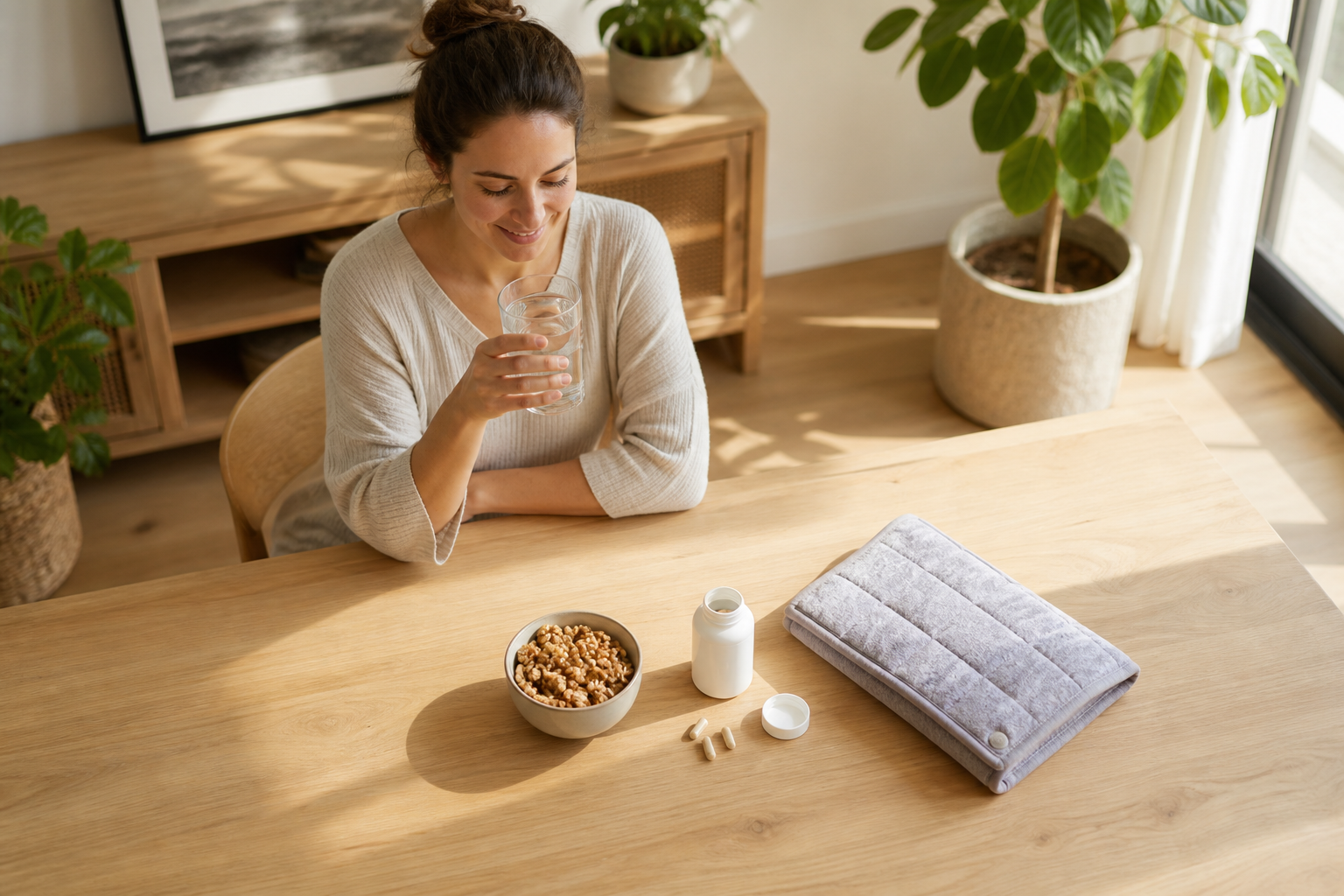
Fresh Takeaways for Your Morning Routine
- Warm up—use a heating pad or warm shower before stretching.
- Hydrate before you even stand up.
- Move gently—even a few minutes of stretches can unlock stiff joints.
- Consider a comprehensive joint supplement (after a chat with your doc).
- Think about compression sleeves—especially for hands and knees.
- Clean up breakfast—swap sugar for healthy fats and anti-inflammatory foods.
I know, it sounds like a lot. But most of these add less than 10 minutes to your morning—it’s about systems, not willpower.
A Few Final Thoughts
If you take anything away from this, let it be this: morning joint stiffness doesn’t have to be a “new normal.” You have options. I’ve seen hundreds—from weekend warriors to my own mother-in-law—improve with small, consistent tweaks. And on the rare days my own knees are grumpy, you’d better believe I’m reaching for moist heat and giving myself permission to start slow.
If you’ve got questions, drop me a line. I read every email (eventually). Here’s to easier mornings, one gentle stretch at a time.
Dr. Michael Torres, DC — Chiropractor & Nutrition Counselor, JointReliefReviews.com