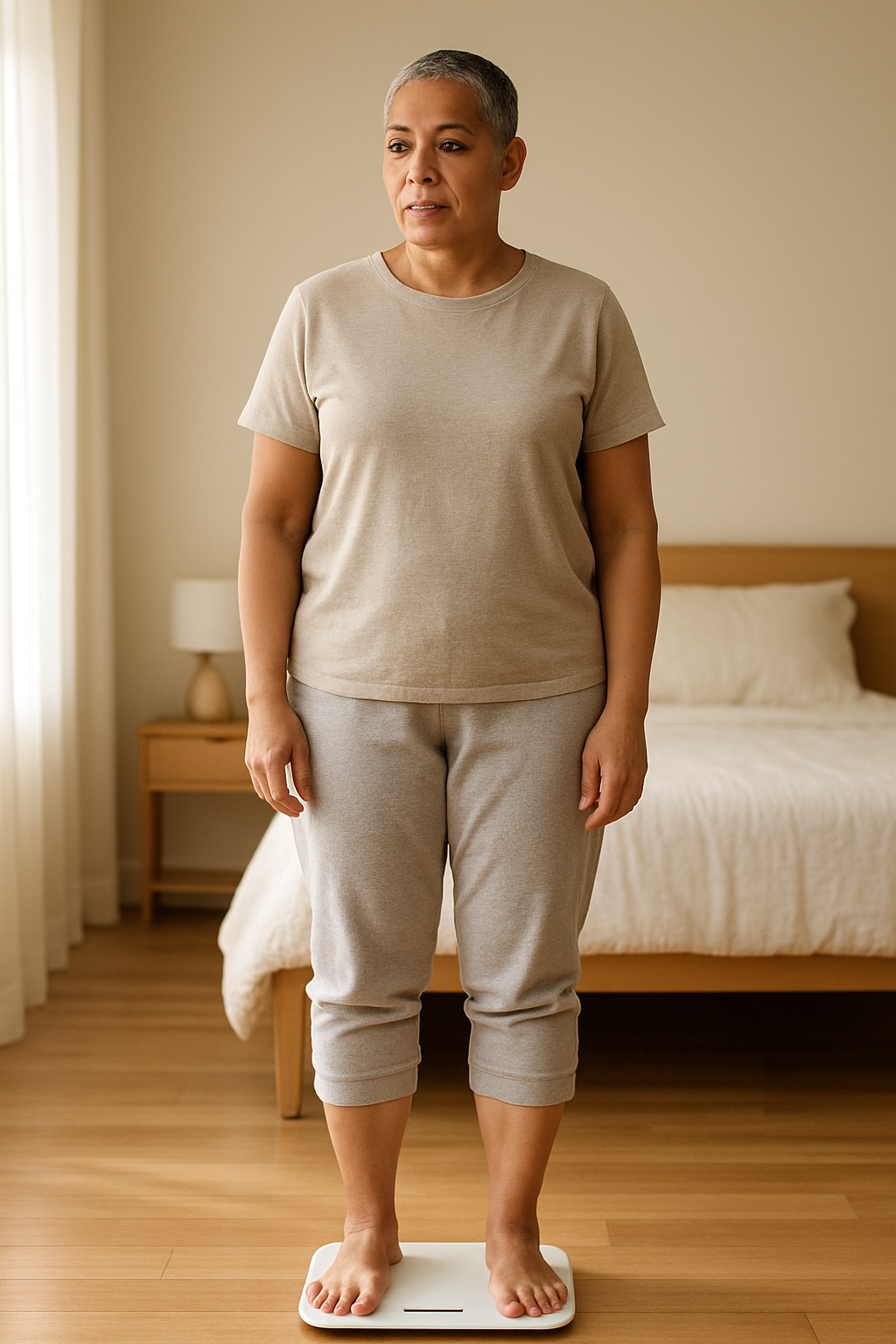
Why Even Modest Weight Loss Matters for Your Knees
One of my regular patients—a retired mail carrier, knees creaky from decades of marching mail up stoops—once asked me why his doctor kept harping on weight. "I’m not that big," he said. And you know what? He wasn’t. But here’s the thing: even five or ten extra pounds can make your knees work overtime.
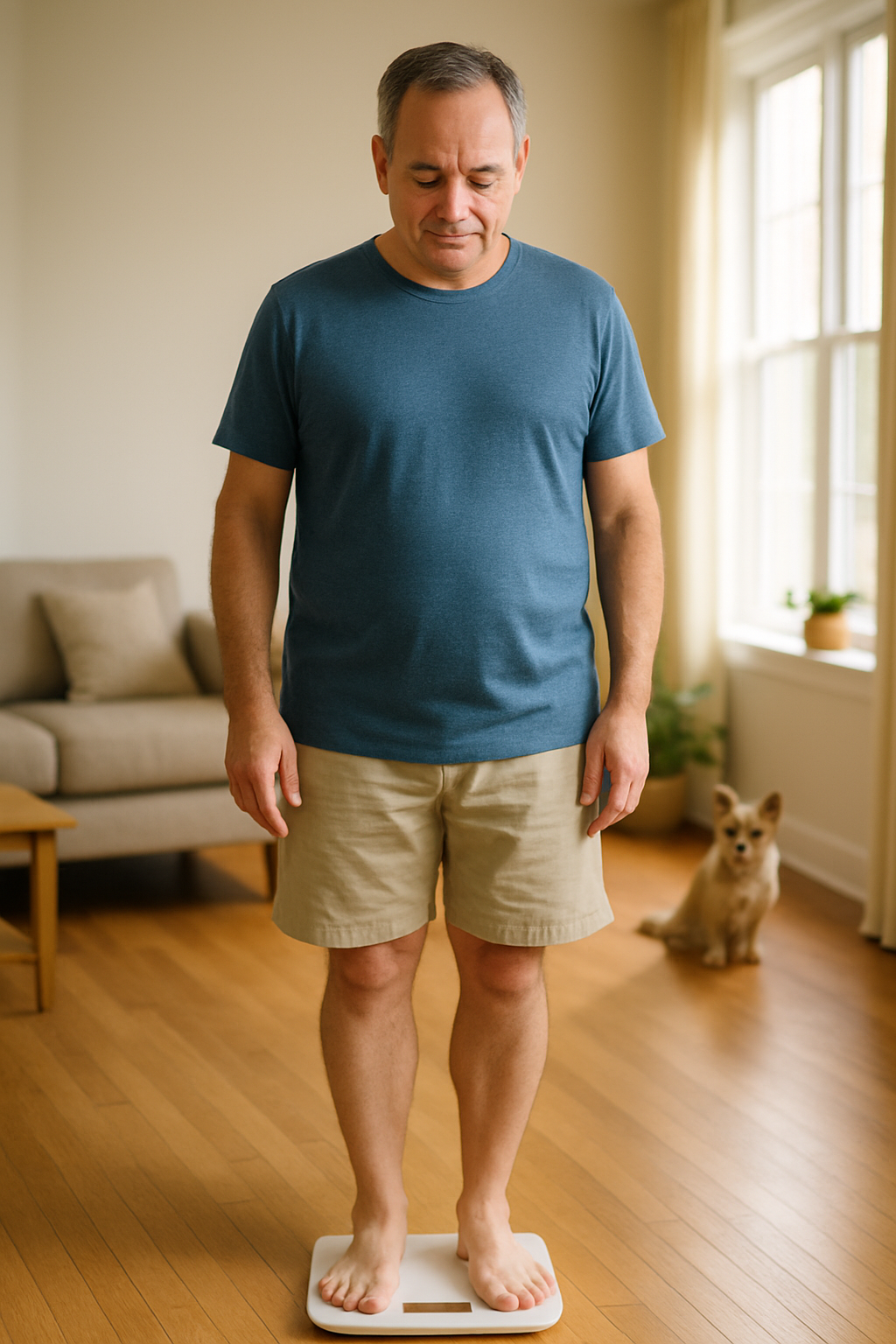
Let’s talk numbers. Every extra pound you carry adds about four pounds of pressure on your knee joints when you walk, according to a classic study in the journal Arthritis & Rheumatism (2005). If you’re wincing at the math, you’re not alone. I had no idea until I went back for my RN license and read the research myself.
Now, if you’re nodding along, thinking you’ve heard this before—stick with me. There’s a reason more than 60% of the patients I saw with knee pain had some amount of extra weight. But I’m not about to shame anyone. I’ve watched even fit, strong folks develop joint issues after gaining just a few pounds during a tough year. The body keeps score, unfortunately.
The Daily Struggles (And You’re Not Alone)
Knee discomfort has this sneaky way of creeping into all the little moments: stairs, grocery aisles, gardening. Maybe it’s a dull throb at night, or a sharp twinge when you pivot. And let’s be honest—sometimes the prospect of losing weight sounds about as fun as getting a root canal.
I’ve supported dozens of people who felt stuck in a vicious cycle: knees hurt, so you move less; move less, and the weight creeps up; more weight, more pain. It’s not just you. In fact, a 2016 study in the Journal of Rheumatology found that chronic knee pain is one of the biggest reasons people can’t stick to exercise routines for weight loss.
But here’s where hope sneaks in: you don’t need to drop half your body weight, or train for a marathon. Real progress can be surprisingly gentle.
How Weight Loss Directly Reduces Knee Stress (The Science, Short and Sweet)
The mechanics are pretty elegant (and a little annoying): the knee is a weight-bearing joint, designed to absorb the force of every step, squat, and twist. When you walk, your body weight transfers down through your thigh, then through the knee. Extra pounds? That multiplies the force your cartilage and ligaments absorb with every stride.
One standout clinical trial (Framingham Osteoarthritis Study, 2010) showed that losing just 1 kilogram (about 2.2 pounds) leads to a 4-fold reduction in the load on each knee. So, if you lost 10 pounds, you’d actually cut 40 pounds of force off each knee per step. Not a typo! No wonder people tell me the stairs feel more doable after just a few months of small changes.
Beyond the Scale: Less Inflammation, Better Healing
Here’s an angle most knee pain articles skip: fat tissue doesn’t just sit there. It produces cytokines—little chemical messengers that ramp up inflammation. Excess weight can trigger more of these pro-inflammatory cytokines, making arthritis worse. A 2018 BMJ review confirmed that people who lose even 5% of their starting weight often experience less joint swelling and fewer flare-ups, even before hitting their “goal” weight.
Weight Management Tips That Actually Help (From a Nurse Who Gets It)
Okay, let’s get practical. Over two decades in orthopedic nursing, I’ve seen what patients actually stick with—and what collects dust in the closet. Here’s my best “real person” advice for taking some pressure off your knees, one gentle step at a time.
1. Start With Tiny Wins (No Drastic Diets)
Look, most people don’t need a crash diet. They need a few tweaks that feel sustainable on a bad day. My favorite? Swap liquid calories first. Water, unsweetened tea, or sparkling water instead of soda or sugary coffee drinks. I had one patient—let’s call her Cheryl—who dropped 9 pounds in a year just from changing what she drank, without overhauling what she ate.
2. Focus on Protein and Fiber at Every Meal
This isn’t a fad. There’s actual science (2021, Obesity Reviews) showing that higher-protein, higher-fiber meals help with satiety. Translation: you feel fuller, so it’s easier to eat less without feeling deprived. Think grilled chicken, beans, Greek yogurt, quinoa, lentil soups, or even a handful of almonds. I snack on roasted chickpeas whenever I’m at my desk.
3. Use Movement That Doesn’t Hurt (And Protects Your Joints)
This is a big one. If you try to "push through the pain,” you’ll burn out fast—or just quit. The trick is to move in ways that cushion your knees while still burning calories and building leg strength.
- Water aerobics or pool walking: I had a Vietnam vet who swore his only pain-free hour was in the pool. Buoyancy = less pressure on the knees.
- Stationary bike: Even 10 minutes while watching TV helps keep the quads strong, which stabilizes knees and fights pain.
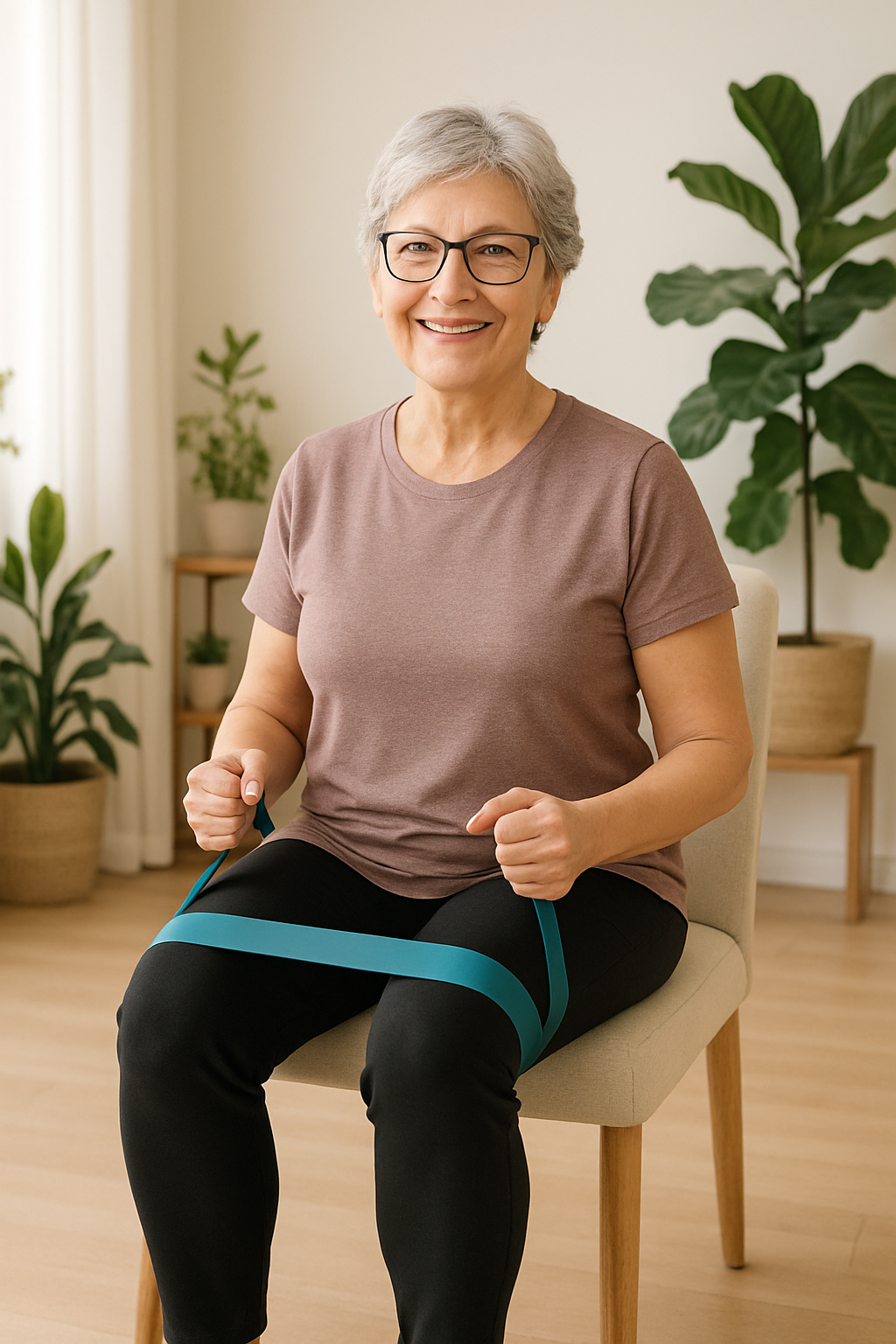
- Gentle chair exercises: You’d be surprised how much easier stairs get once you strengthen your thighs and hips. The book Treat Your Own Knees is packed with easy home routines (and stick-figure drawings so clear you could teach your grandkid). It’s the book I recommend most to new patients—especially if you’re nervous about starting out.
4. Compression Knee Braces for Everyday Support
I know this is a bit controversial—some physical therapists say braces make you “lazy.” But for folks with chronic knee pain and a weight loss goal, a good brace lets you move more with less fear and swelling. The Modvel Compression Knee Brace is my go-to for everyday support (and you get a pair at a price that doesn’t make you wince). Just don’t wear them 24/7; think of them as training wheels, not a crutch.
5. Meal Prep for the Sore Days
This one’s personal. When my knees ache (thank you, old soccer injuries), I’m 400% more likely to order pizza or grab fast food. Having prepped meals and chopped veggies in the fridge is my #1 way to avoid falling off track. If you’re not a food prep person, even keeping a rotisserie chicken and bag of salad mix saves the day.
6. Rethink Goal Setting: Try the “Four Pound Rule”
This one’s a game-changer, psychologically. Instead of fixating on distant target weights, focus on just four pounds at a time. As I mentioned above, every pound lost equals four pounds less pressure on each knee. That’s a win you can feel in a few weeks, not months.
What About Medications or Supplements?
Here’s where I’m straight with people: No pill burns fat off your knees. But if your pain is severe, using a topical anti-inflammatory (like Voltaren Arthritis Pain Gel) can help you stay active—which is the real secret to successful weight management with knee issues. A 2022 Annals of Internal Medicine review confirmed that topical NSAIDs can reduce pain by 30-50% for people with osteoarthritis. Not a miracle, but enough to walk the dog or finish the grocery run.
And before you start any new supplement or medication—especially if you have other conditions or take prescription drugs—talk to your doctor. I’ve seen too many folks mix herbal remedies and wind up with upset stomachs or drug interactions that slow their progress.
The Real Kicker: Mindset (and Why Guilt Doesn’t Help)
Look, I’m not going to sugarcoat it: losing weight with knee pain is harder than most health websites admit. But guilt is useless. Self-compassion—actually seeing setbacks as normal, and celebrating little wins—makes the journey so much more doable. The folks I see succeed aren’t perfect. They just keep showing up, no matter how many times they have to “restart.”
If you’re beating yourself up about needing to lose 20 or 50 pounds, shift the lens. Focus on the next meal, the next step, the next pair of shoes that doesn’t make your knees throb. I’ve watched people gain confidence with each tiny bit of progress—and confidence, oddly enough, is what fuels more progress. I’ve seen it in grandmothers, in ex-athletes, in busy working parents who swore they’d never get their mobility back.
Comparing Diets, Devices, and Strategies (What the Science—and Real People—Say)
Let’s get into specifics. Are some diets better than others for knee stress relief? In terms of which foods to focus on, anti-inflammatory diets (think Mediterranean, DASH) get high marks in the research and in my clinic. A 2023 trial in Osteoarthritis and Cartilage found people eating more olive oil, fatty fish, veggies, and whole grains had less knee pain—regardless of weight loss alone.
But honestly? The best “diet” is the one you’ll stick with. I know, that’s not a sexy answer. But I’ve watched patients lose 15 pounds eating “boring” oatmeal and apples every day simply because it fit their routine. Consistency trumps novelty.
Devices—knee braces, supportive shoes, and even heating pads—are often dismissed as band-aids. But I’ve found they can make a huge quality-of-life difference on those tough days. If your knees feel less vulnerable, you’re more likely to head outside, keep up with friends, or join that pickleball league you keep hearing about.
Worried About Motivation?
This is where community helps. Whether it’s a walking buddy, a Facebook group, or just texting your cousin when you hit a goal, having someone to share the journey with adds accountability. My one caveat: avoid “all-or-nothing” dieters. You want encouragement, not guilt trips.
Takeaways: Practical Tools You Can Use This Week
- Track small wins: Four pounds lost = sixteen pounds less pressure per step (seriously, do the math).
- Keep your go-to meal easy: High-protein and high-fiber is your friend—Greek yogurt, beans, rotisserie chicken, or even plain old peanut butter toast.
- Move gently, but move often: Water walking, chair exercises, or short stationary bike sessions help build strength without spiking pain.
- Support when needed: A simple, affordable brace like the Modvel Compression Knee Brace can reduce strain while you build muscle and lose weight—just don’t rely on it forever.
- For home exercises: The routines in Treat Your Own Knees are research-backed and very beginner-friendly.
- Manage pain smartly: Topical NSAIDs like Voltaren Gel can help you stay mobile on flare-up days—but talk to your doctor before starting anything new.
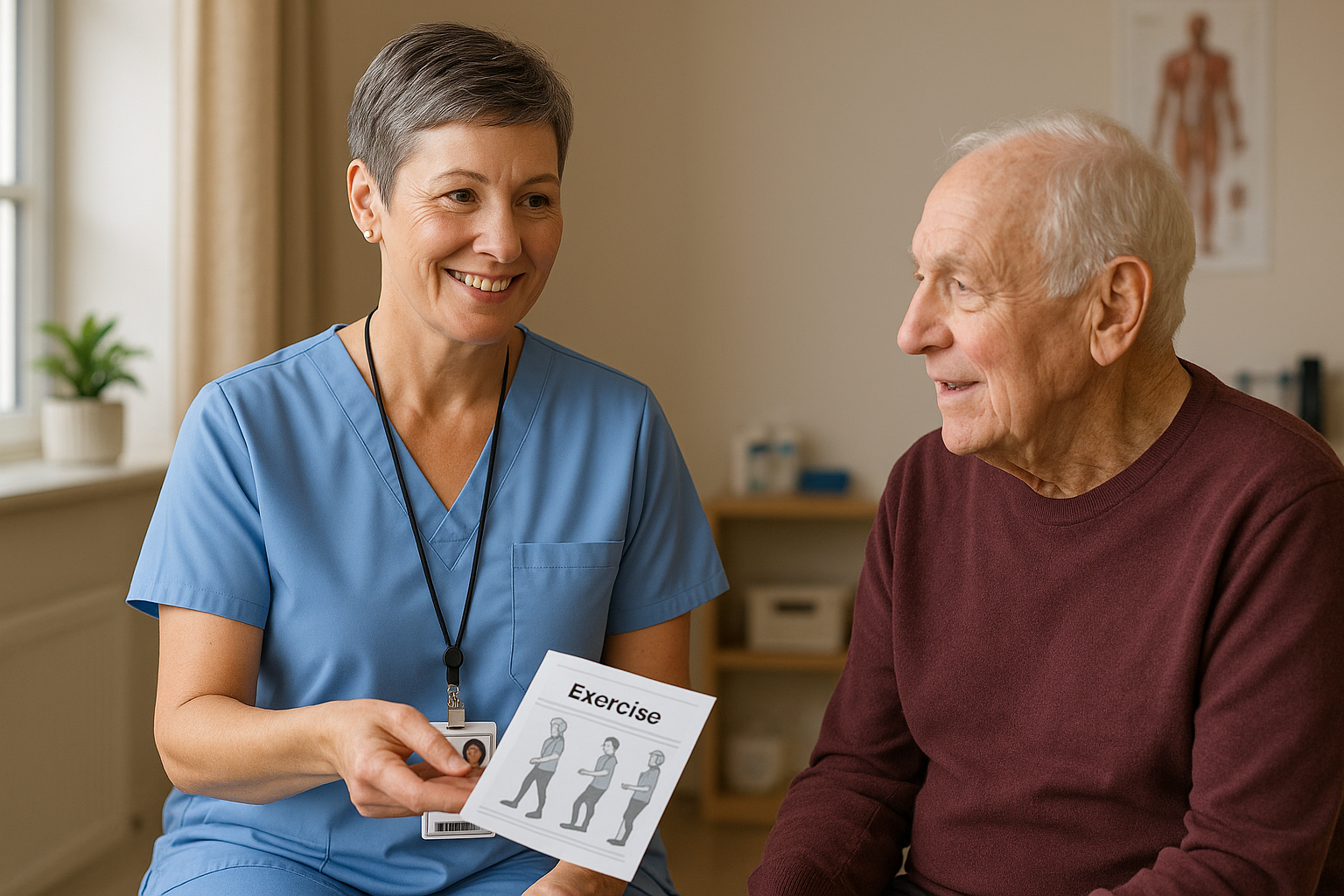
Be Kind to Your Knees (And Yourself)
You don’t need perfection. You just need momentum—and permission to take it slow. If I could visit every reader in their kitchen or their local pool, I’d remind you: a little less weight, a little more movement, a lot less guilt. Your knees will thank you. And so will future you, the one climbing stairs with a smile.
Still feel stuck? Drop me a message—I read every patient story. We’re in this together.
Linda Hargrove, RN, Orthopedic Nurse & Joint Pain Columnist
JointReliefReviews.com