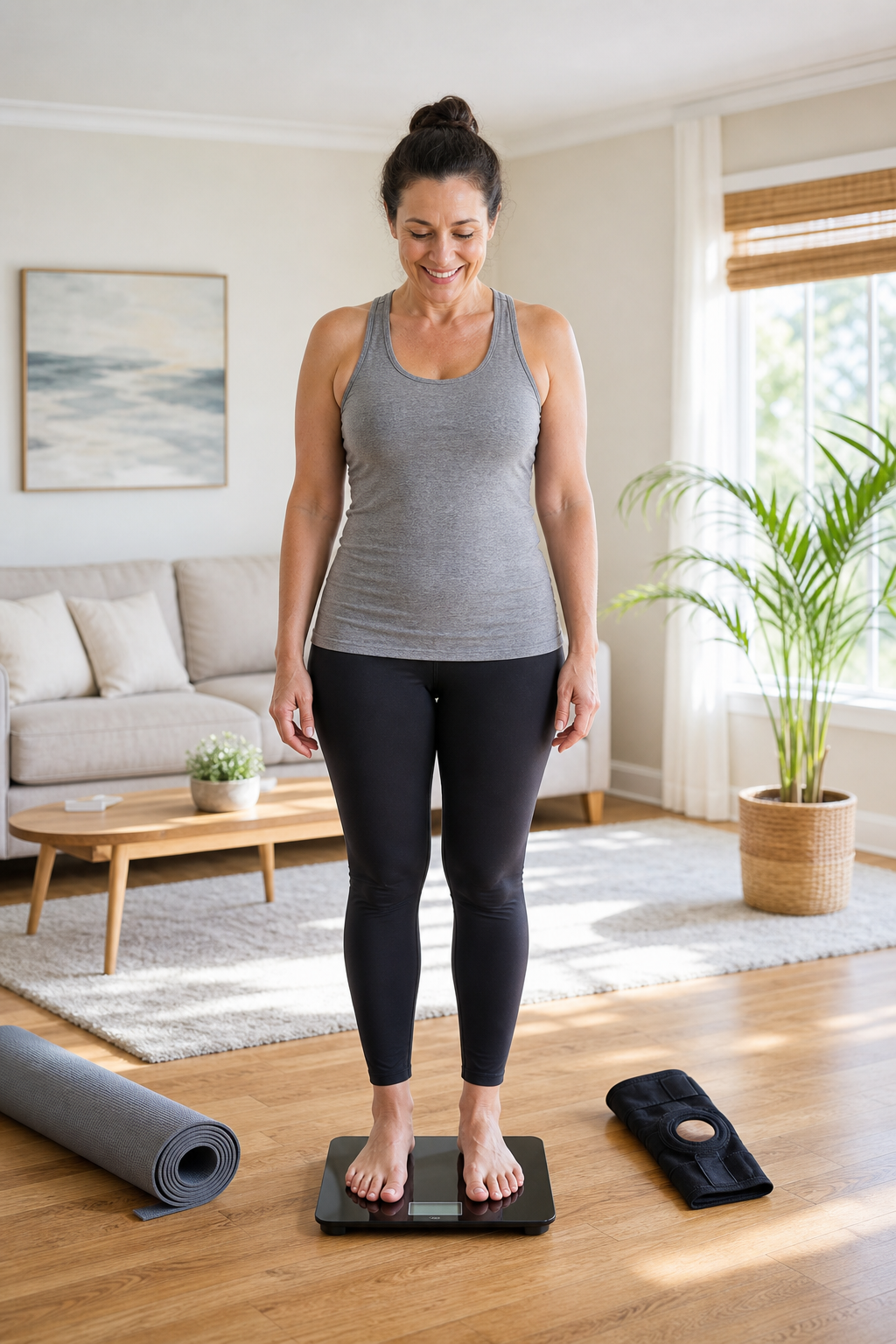
Why Losing Even a Few Pounds Can Work Wonders for Knee Pain
I’ll never forget a patient—let’s call her Janet—who once told me, “I swear my knees know every pound I gain.” And honestly? She wasn’t exaggerating. According to a landmark study from the Journal of Rheumatology (2005), for every single pound you lose, your knees feel about four pounds less pressure with each step. Four pounds! Multiply that by thousands of steps a day, and, well, you get the idea.
It’s not just the scale—it’s science. Excess body weight dramatically increases stress on your knee joints, especially if you’re dealing with arthritis or old sports injuries. (Trust me, after two decades of reporting on joint health, I’ve seen this pattern again and again.)
Here’s the Thing: It’s Not All About BMI
So many articles push the idea that getting your BMI under 25 is the answer. But I’ve spoken to countless readers who are still plagued by knee pain even after losing weight. Why? Because it’s not just about how much you weigh—it’s about how you lose it, muscle vs. fat, your movement habits... and a dozen other factors they don’t tell you on Instagram.
Look, the goal isn’t to hit some magic number. The goal: reduce the daily pounding your knees take and build up the tissues that support them. That’s where strategic weight management becomes a game-changer (not just another diet).
What Really Happens Inside Your Knees
Most people picture weight pounding “bone on bone.” But the real action happens in the cartilage and synovial fluid. With every extra pound, your joint’s shock absorbers face more wear and tear. Data from Arthritis & Rheumatology (2017) shows a direct link between obesity and faster cartilage loss—even in people who feel ‘fine’ today.
And here’s the kicker: fat tissue itself isn’t just passive. It produces inflammatory chemicals (adipokines) that can worsen arthritis and literally ‘sensitize’ your pain receptors. In plain English: carrying extra weight means your knees hurt more easily and may swell more often.
Weight Management Tips for Reducing Knee Stress: Science-Backed and Real-World Tested
1. Focus on Fat Loss, Not Just the Scale
Dropping five pounds of fat is not the same as dropping five pounds of muscle. Muscle supports your knees; fat just weighs them down. If you can, ask your doctor about body composition scans—or use smart scales that estimate fat % at home (they’re not perfect, but better than nothing).
2. Rethink Cardio: Low-Impact Is Your Friend
I know everyone says to “just walk more.” But if you’re already limping along, pounding the pavement probably isn’t helping. Try swimming, water aerobics, stationary cycling, or even gentle yoga. A 2015 study in BMJ Open Sport & Exercise Medicine found that low-impact activities helped overweight folks lose weight and reduced knee pain significantly after 12 weeks.
3. Build Knee-Friendly Muscle
Don’t skip strength training. It’s your best tool for creating a natural knee brace with your own muscles. I often recommend Treat Your Own Knees (Jim Johnson) for accessible, research-backed exercises. (I honestly have given away at least a dozen copies to friends and patients—simple drawings, step-by-step plans, and it covers all the basics: strength, flexibility, responsiveness, endurance.)
4. Watch the Sneaky Calories (Liquid Edition)
Here’s where most people trip up. Lattes, sports drinks, juice—those calories add up fast and do nothing for satiety. And if you’re using “comfort foods” to cope with pain? Been there. Try swapping sweetened drinks for water (with a splash of lemon or cucumber if you need flavor). Your knees (and your blood sugar) will thank you.
5. Meal Timing: Don’t Eat ‘Just Because’
A reader emailed me last week: “Why do my knees ache more at night?” Turns out, late-night snacking is a double whammy—extra calories, and it may ramp up overnight inflammation. Studies in Obesity Reviews (2021) found that folks who ate most of their calories before 7pm saw better weight loss and reported less joint pain. Not a cure-all, but it’s a surprisingly simple tweak.
6. Don’t Fear Healthy Fats—But Watch Your Portions
Avocado, olive oil, nuts...These can reduce inflammation and help you feel full. But I’ll be honest: when I first started meal-prepping with nuts, my own weight plateaued. Why? Because a handful is fine; a half-bag is not. Measure, don’t eyeball—especially at first.
7. Get (Gentle) Support When You Move
Early on, I resisted knee sleeves. I thought they were “for old folks.” Now I recommend something like the Modvel Compression Knee Brace (they come as a pair, which is nice). They provide light compression, support, and that bit of confidence you need to actually get moving—especially on those days when your knees feel fragile. Over 75,000 reviews can’t be wrong, and the anti-slip strips are a genuine perk if you wear leggings or shorts.
8. Add Protein—Especially at Breakfast
This one surprised me: a 2022 meta-analysis in Nutrition & Metabolism showed that higher protein at breakfast (think eggs, Greek yogurt, protein shakes) helps with satiety all day long. Less mindless snacking = easier calorie control.
9. Mix Up Your Routines
If you always walk the same loop or eat the same meals, your body (and your mind) gets bored. I’m not saying you need a TikTok-worthy meal plan, but one new veggie or a different walking route a week can make a big difference in motivation. And, crucially, it can help you spot what really helps versus what’s just routine.

Why Joint-Friendly Weight Loss Is Different (And Better)
I know this is unpopular, but drastic diets and high-intensity boot camps are the worst route if your knees already ache. Crash diets can sap your muscle (which you desperately need to support those joints), and extreme workouts often just trigger more flares.
The better path: small, steady, sustainable changes that reduce inflammation and build support. It’s less sexy, but frankly, my readers who do it this way are the ones who write back six months later with good news.
Expert Insights: What Orthopedists and PTs Wish You Knew
Earlier this year, I sat in on a Q&A with Dr. Elena Phillips, an orthopedic surgeon, who hammered this home: “Every single pound lost is a gift to your knees. But building your quad strength is just as crucial. You can’t separate the two.”
And Dr. Phillips isn’t alone. Physical therapists (and yes, I’m married to one, so I hear these rants at the dinner table) say their biggest frustration is patients who treat weight loss as a ‘one and done’ project rather than a daily joint investment. The real wins come from combining gentle exercise, nutrition, and small habit tweaks. Think marathon, not sprint.
Comparing Support Options: When to Consider a Knee Brace
Not gonna lie—some days, you need a little help. Especially if you’re new to movement or have moderate arthritis. This is where something sturdier like the NEENCA Professional Knee Brace can shine. It’s got medical-grade side stabilizers and a patella gel pad for targeted support (I tried it after a minor meniscus tweak and genuinely noticed the difference on stairs). Adjustable straps mean less slipping—a huge plus if you’re tackling a walk or yardwork.
Of course, talk to your doctor before starting any new brace or exercise routine—especially if you have a history of injury or surgery. Braces are a tool, not a cure, but for many, they offer just enough support to get moving safely.
Small Wins: Habits That Actually Stick
- Track your steps (but don’t obsess)—aim for improvement, not perfection. A reader in Ohio told me she set her goal to “just 500 steps more than last week.”
- Batch-cook proteins for the week—grilled chicken, lentil stew, hard-boiled eggs. Less last-minute takeout = fewer calories and less sodium (which can worsen swelling).
- Celebrate non-scale victories—knees less swollen, less groaning when you get up, enjoying a park stroll.
The Realities: What Most Articles Won’t Own Up To
Here’s where I get a little contrarian. Some folks—especially post-menopause, or those on certain meds—will find weight loss excruciatingly slow. It’s not your fault, and your knees may improve before the scale budges much. I always tell my readers: focus on function and pain levels over pounds lost. Track what matters most to you—not some app or influencer.
And when setbacks happen (because they will), don’t throw in the towel. Progress isn’t linear. Your joints will thank you for every healthy meal and every gentle walk—even on days the scale doesn’t.
Takeaways: Your Next Best Step
If you’re nodding along, you’re definitely not alone. The secret isn’t in some “miracle” diet or gadget. It’s in a handful of real, doable changes—backed by science, and tweaked for your body, your schedule, and yes, your knees.
Here’s my challenge: Pick one of the tips above and actually try it this week. Write me if you want accountability—I love hearing your stories. And remember, even slow, stubborn progress adds up to lighter, happier knees in the end.

Wishing you stronger steps, less pain, and a lighter load—wherever your knees take you next.
Karen Whitfield
Veteran Health Journalist
JointReliefReviews.com — Patient-First, Always