Weather and Joint Pain Connection Explained: The Real Science and What Actually Helps
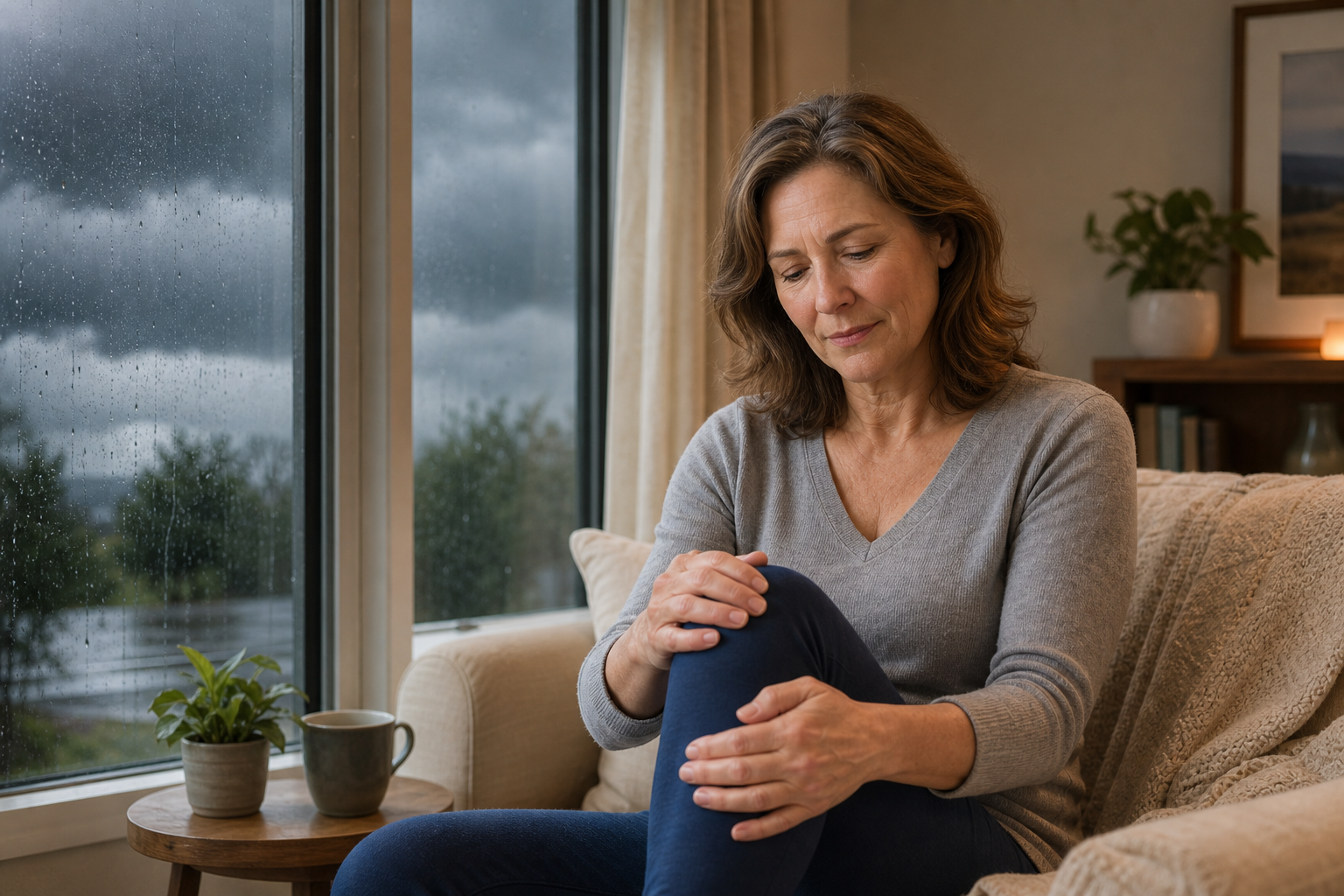
I’ll never forget the first time a patient warned me a thunderstorm was coming — not because of a weather app, but because her knees ached. She was right, by the way. And she wasn’t alone. Over my 12 years as a physical therapist, I’ve seen hundreds of patients who swear their joints are living, creaking barometers. So is there really a connection? Or is this just another old wives’ tale?
The Daily Reality: Why Weather and Joint Pain Feels So Personal
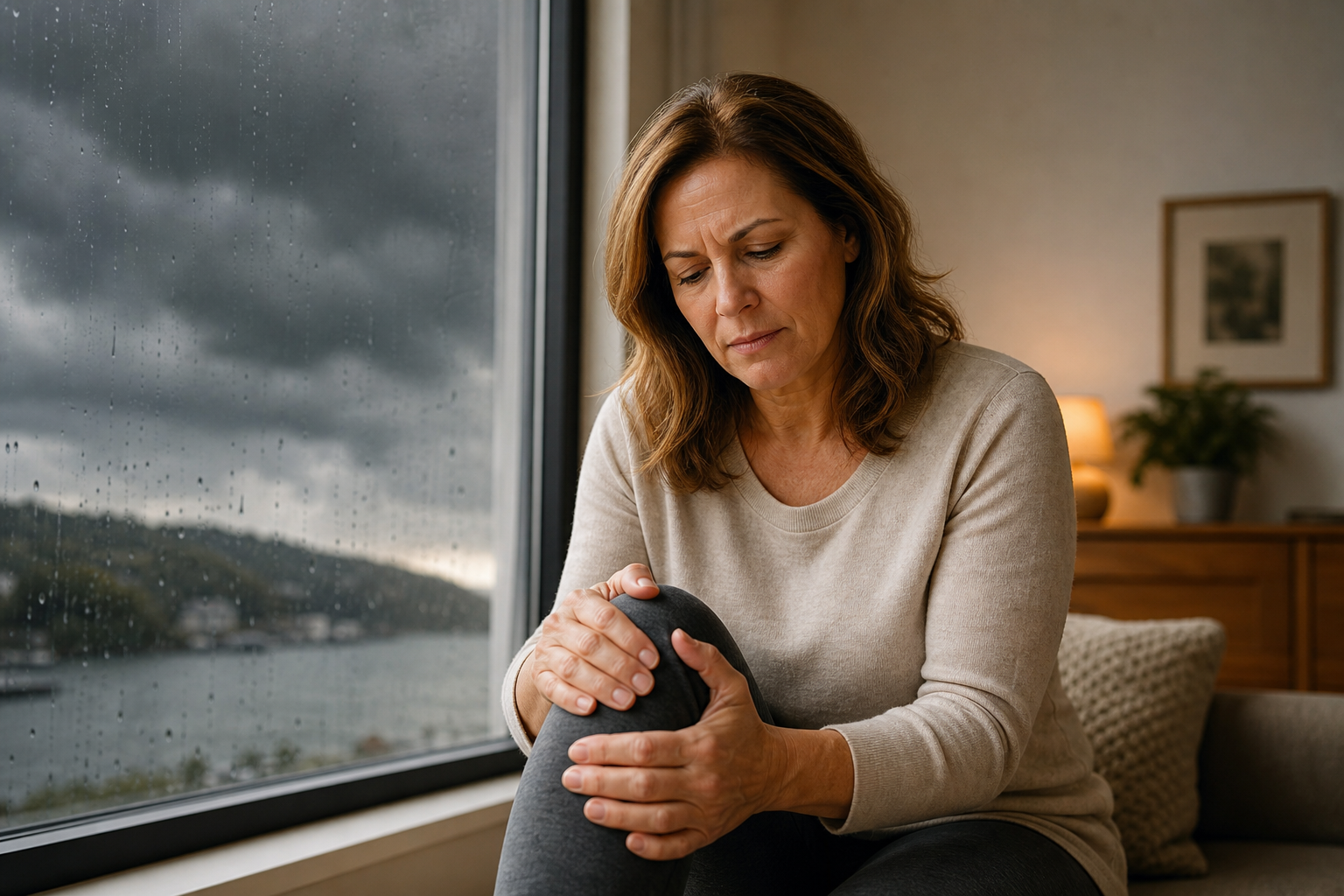
If you wince at the ache in your fingers every time a cold front rolls in, or if your hips seem to "know" when it’ll rain before your local meteorologist does, you’re in good company. A recent survey in the BMJ (2017) found that nearly 68% of adults with osteoarthritis believe weather affects their symptoms. Anecdotal? Sure. But these numbers ring true in my clinic week after week.
And let’s be honest: It can be maddening. Planning a walk, working in the garden, or just sitting comfortably through a movie — all of it feels like it’s at the mercy of the next forecast. I see the frustration, and sometimes even embarrassment, when patients describe this to their doctors, worried they’ll sound dramatic. If you’re nodding along, you’re not alone.
So, What’s Actually Going On Inside Your Joints?
Here’s where things get interesting. The "weather and joint pain" debate has been picked apart by researchers for decades. Some studies say yes, barometric pressure and temperature shifts do influence joint pain — others shrug and point to the placebo effect.
Let’s unpack a few of the big theories (and why none of the answers are black and white):
- Barometric Pressure Drops: When the air pressure falls (like before a storm), some scientists believe the tissues around your joints expand just a tiny bit. This can put extra pressure on nerves in arthritic joints, making them more sensitive. The Journal of Rheumatology (2015) reported that for many people with knee osteoarthritis, pain scores ticked up as barometric pressure dropped — but not for everyone.
- Temperature Swings: Cold weather seems to stiffen up muscles and connective tissue. Some patients tell me their hands become "useless blocks of wood" in mid-winter. There’s some support: A 2019 Arthritis Care & Research study found lower temperatures correlated with increased joint tenderness, especially in older adults.
- Humidity: Sticky, humid days can make joints feel swollen or puffy to some people, though evidence here is spotty. Still, I’ve had patients swear by it — even tracking their pain in a weather diary to prove the point.
But here’s the kicker: Not everyone is equally sensitive. Genetics, type of arthritis, even mood and sleep can all play a role. I had one gentleman with terrible knee OA who claimed he felt best on cold, drizzly days. Go figure.
No, You’re Not Making It Up: The Brain-Joint Connection
There’s more. Researchers now believe the central nervous system — your brain and spinal cord — actually "remembers" painful patterns. So if you’ve experienced joint aches during storms for years, your brain may start to expect pain whenever the sky turns gray. This doesn’t mean the pain isn’t real — it’s just another example of how complex (and frustrating) chronic pain can be.
Case in point: I remember when my mother-in-law, who’s battled rheumatoid arthritis for decades, insisted that humid weather "gets into her bones." After years of dismissals, her rheumatologist finally admitted there’s enough anecdotal evidence to at least take her seriously (a small victory, but she’ll take it).
The Science: What Do the Studies Really Say?
Let’s get specific. The BMJ 2017 study I mentioned earlier tracked over 13,000 people using a smartphone app — each person logged pain scores alongside local weather data. Their findings? On days with falling barometric pressure and rising humidity, pain was modestly higher. Not a dramatic effect, but statistically significant.
On the flip side, a meta-analysis published in Arthritis & Rheumatology (2022) looked at dozens of studies and decided...the jury’s still out. For every study that found a connection, another found no meaningful link. Why? Probably because arthritis, fibromyalgia, and other chronic pain conditions are just so individual.
And then there’s something nobody talks about: mood. Several studies show that gloomy, stormy weather can sap motivation and worsen mood, which in turn ramps up how we perceive pain. It’s a tangled web — physical, psychological, and environmental factors all tangled together.
What Can You Actually Do? Practical Tips for Weather-Linked Joint Pain
Look, I wish I had a magic solution to swap out your joints for brand-new ones every time a cold front hits. But after years of trial, error, and plenty of honest conversations with my patients, I can tell you what actually helps:
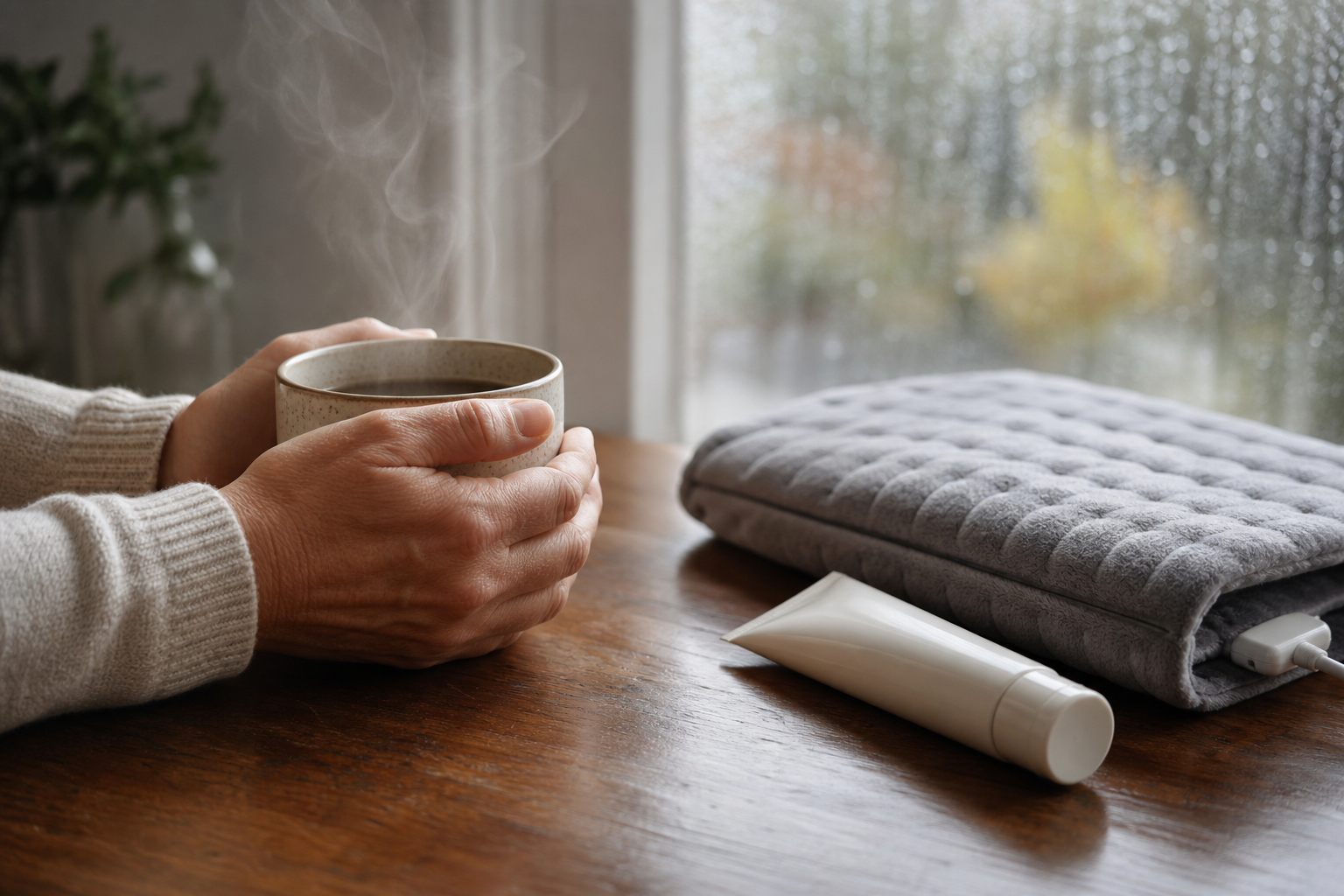
- Heating Pads Are a Game-Changer. Warmth helps increase blood flow, relax tight muscles, and, for a lot of my patients, provide instant comfort. My own family keeps a Pure Enrichment PureRelief XL Heating Pad draped over the couch for chilly evenings. The XL size (it’s huge — covers both knees at once), moist heat option, and auto shut-off are genuinely helpful if you struggle with hand or knee stiffness. Just don’t overdo it: 20-30 minutes at a time is usually plenty.
- Layers, Socks, and "Joint Warmers". Not glamorous, but practical. If your hands or knees scream in cold weather, keep them covered, even indoors. I’ve seen patients cut the toes off old socks to make DIY elbow warmers — whatever works.
- Mild Movement — Even When It Hurts. The instinct is to sit still and curl up. But gentle motion is key. I often recommend the routines in Treat Your Own Knees by Jim Johnson, PT — easy, research-backed exercises that genuinely help with mobility and swelling (especially helpful for those stuck indoors when weather’s grim).
- Topical Pain Relief. Not everyone wants (or tolerates) oral medicine. The Voltaren Arthritis Pain Gel is my top pick — it’s diclofenac-based and FDA-approved, with plenty of backing in the literature for osteoarthritis.
Obviously, talk to your doctor before starting any new medication or supplement — even something "topical" or OTC may not play nicely with your other treatments.
Hydration, Diet, and Supplements: Worth Considering?
Hydration matters more than you’d think. Dehydrated tissue is cranky tissue. I’ve also seen some mild benefit in patients who supplement with glucosamine and chondroitin (the research is mixed, but enough folks find it helpful that I keep an open mind). For those curious — most studies use 1,500mg glucosamine sulfate and 1,200mg chondroitin daily, but, again, check with your healthcare provider first.
Compression, Support, and the "Safety Net" Effect
I’ll be honest — I was skeptical of over-the-counter compression sleeves when they first flooded the market. But, after seeing how many patients felt more confident (and less wobbly) going up and down stairs, I’ve come around. The Modvel Compression Knee Brace set is a solid budget pick — it comes as a pair, is breathable, and doesn’t slide down mid-walk (thanks to those silicone strips).
Here’s the thing: Compression doesn’t "fix" arthritis, but it can provide a gentle sense of support, especially when weather swings make those knees feel extra unpredictable. Little tip: Put them on before you notice pain, not after, if you know a storm is coming. It’s about prevention, not just damage control.
Why Some Advice Just Doesn’t Work (And What to Ignore)
Not gonna lie, there’s a lot of bad advice out there. Freezing cold packs on already-stiff arthritic joints? Usually makes things worse unless there’s active swelling. "Powering through" regardless of pain? That just leads to more flares. And expensive supplements promising to "weatherproof" your joints? Save your money — the evidence isn’t there yet.
I get emails every week from frustrated readers who’ve spent hundreds on gadgets or miracle creams. Honesty time: If something sounds too good to be true, it probably is. Stick with the basics, track what works for you, and be patient with your body. Chronic pain is, unfortunately, a marathon — not a sprint.

Why Does Weather Affect You More Than Your Neighbor?
Here’s where it gets personal. Your age, type of arthritis, pain threshold, history of injury, and even genetics all shape your weather sensitivity. Two people can have the same diagnosis — say, knee osteoarthritis — and respond completely differently to the same cold snap. One’s fine, the other barely gets out of bed.
There’s also a psychological piece. I’ve lost count of patients who say their pain is worse when they’re stressed, tired, or expecting lousy weather. Our brains are wired to anticipate discomfort — and sometimes, that anticipation magnifies what we feel. (Don’t let anyone tell you it’s "all in your head" — pain is always real, but the mind definitely plays a role in how we experience it.)
Is Moving Somewhere Warm the Magic Bullet?
I know at least three snowbirds who swear their joints improved when they retired to Arizona. But — and this is a big but — most studies (including a major review in Osteoarthritis and Cartilage) show only minor benefits. People still experience flares, just maybe less dramatically. Plus, not everyone can pick up and move halfway across the country. Your best bet? Manage symptoms where you are, with the tools that actually help.
Takeaways: What Actually Matters for Weather-Sensitive Joint Pain?
- Track your symptoms. A simple pain diary (paper or app) matched with weather changes can help you predict your "bad" days.
- Prep ahead of bad weather. Use compression, heating pads, and warm clothing before pain spikes.
- Move gently, but move daily. Stiffness rarely gets better with total rest.
- Don’t be afraid of topical or OTC relief, but always run new routines past your doctor.
- Support matters — physically (braces, heat), emotionally (family, friends), and mentally (stress reduction helps pain, period).
And remember: Your experience is valid, even if science hasn’t found every answer yet. You are not imagining things.
Final Thoughts — And a Bit of Hope
If you’ve made it this far, you’re probably a weather warrior yourself. My best advice? Don’t write off your symptoms, and don’t settle for "just living with it." The small, daily tweaks — heat, movement, support, a little planning ahead — are where the biggest wins happen. And if you need a little extra help, there are products that genuinely make the rough stretches more manageable.
Here’s hoping your next weather front brings more comfort than complaint. And if you’ve got a tip that works for you, send it my way — I’m always learning from readers, too.
Dr. Sarah Mitchell, DPT
Senior Health Editor, JointReliefReviews.com