
Heat vs Cold Therapy for Joint Pain: What Actually Works (and When to Use Each)
By Linda Hargrove, RN
I’ll never forget the look on my husband’s face the first time his old knee injury flared up again. He limped from the living room to the freezer, muttering, "Do I get ice or the heating pad?" I’d wager half my readers have asked the same question at least once this past month. Deciding between heat vs cold therapy for joint pain seems simple—until you’re in pain, squinting at a cupboard full of options, and not feeling sure about anything.

Joint Pain: The Daily Tug-of-War
Here’s the thing: joint pain isn’t just an occasional nuisance for most folks. It’s often a slow, relentless ache that colors every movement. I saw this for 20 years working in orthopedics—patients would wake up dreading the first step out of bed, or clutch their knees after walking from the car to the store.
Arthritis. Overuse injuries. The mysterious twinges that show up after a long day standing. If you’re nodding along, you’re not alone. According to the CDC, nearly one in four American adults suffers from doctor-diagnosed arthritis. That’s over 58 million people, and I’d bet even more have undiagnosed aches and pains that make daily life a challenge.
Now, throw in the confusion around home remedies, and it’s easy to see why people just want a clear answer: “Do I use heat or ice for this pain?”
The Truth About Heat and Cold: Not Just a Preference
Most folks have a favorite—my friend Jill swears by warm baths, while my brother-in-law is evangelical about icing every little tweak. But science doesn’t care about our preferences, and neither do our joints.
Here’s how it really works. Both heat and cold therapy can help, but their effects are very different. And—this is key—using the wrong one at the wrong time can make pain worse instead of better. I’ve seen patients delay recovery by weeks, all because they iced when they should have used heat (or vice versa).
How Does Heat Therapy Work?
Let’s start with heat. Applying warmth to a joint does three main things:
- Increases blood flow: More oxygen and nutrients—plus faster removal of “waste”—reach sore tissues.
- Relaxes tight muscles: Especially helpful if you’re stiff as a board in the morning.
- Reduces pain signals: Heat can actually “distract” your nervous system, making pain less noticeable. (Think: how a hot shower soothes aches.)
The catch? Heat also increases swelling. If your joint is already inflamed and puffy, adding extra warmth can make it balloon up even more. That’s why I always caution patients: save the heating pad for aches and stiffness—not for fresh, swollen injuries.
Cold Therapy: More Than Just Numbing
Ice is the great equalizer. Cold therapy has been around since the days of Hippocrates (who, fun fact, recommended snow compresses for pain way back in 400 BCE). Here’s what modern science says it does:
- Reduces inflammation: By shrinking blood vessels, ice slows fluid leakage and swelling.
- Numbs pain: Cold desensitizes nerves, which is why that frozen bag of peas can feel so good after a twist or sprain.
- Limits tissue damage: Especially important in the first 48 hours after an acute injury.
I’ll be honest—ice can be uncomfortable. But in those first few days after a flare-up, it’s usually the right call.
But Which Should You Grab?
Here’s the simple cheat sheet I’ve given to hundreds of patients (and, yes, my own family):
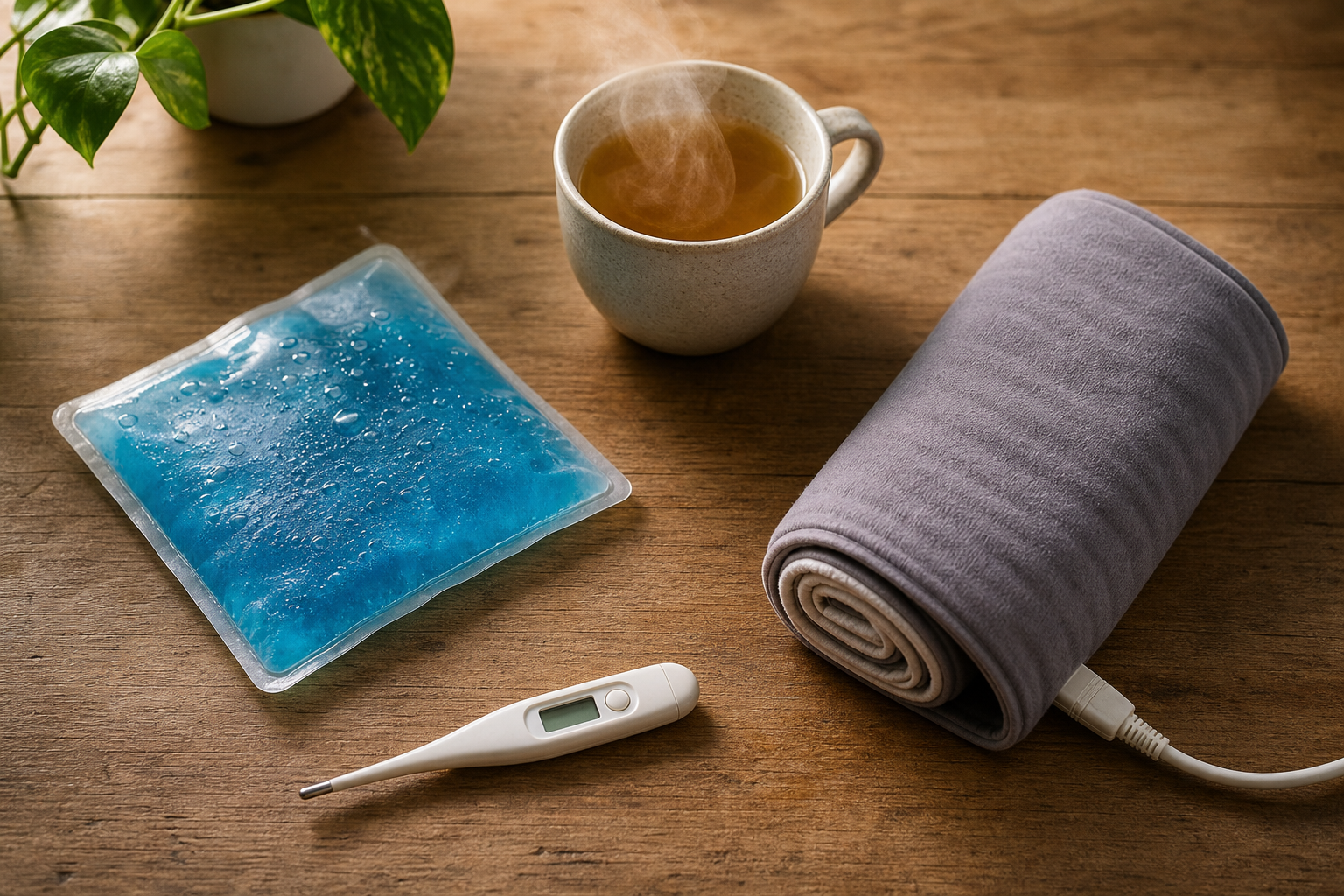
- Is your joint red, swollen, and warm to the touch? Ice it. Think of a fresh knee injury, a swollen ankle, or new flare of rheumatoid arthritis.
- Is your pain more of a deep ache, with stiffness but no swelling? Go with heat. This works wonders for osteoarthritis, chronic back pain, and morning stiffness.
- Still unsure? Start with cold for new pain or visible swelling. Try heat for old, stiff aches.
This isn’t just my personal rule—major organizations agree. The Arthritis Foundation and the American College of Rheumatology both say: use ice for acute injuries and inflammation, heat for chronic muscle and joint stiffness.
The Science—And Why There’s Still Debate
Here’s where it gets interesting. Study after study tries to settle the debate, but the results are… murky. In 2018, the Journal of Rehabilitation Medicine reviewed dozens of trials. Their verdict? Both heat and cold can reduce joint pain—but the benefits depend heavily on the timing, diagnosis, and even the person’s own response.
One 2020 randomized trial (published in Arthritis & Rheumatology) compared moist heat vs. cold packs for people with knee osteoarthritis. Both groups reported pain relief, but those using heat showed slightly better improvements in joint flexibility after two weeks. But here’s the kicker: the difference was modest. Some patients actually preferred a combination—icing after activity, then using heat in the morning.
I know this is unpopular, but: you may need to experiment. I always tell patients, "Your body knows best." Track what works for you by jotting a pain diary. Did the heating pad make knee swelling worse? Did ice help after a long walk, or leave you feeling even stiffer? Patterns will emerge, I promise.
The Physiology, Simply Explained
For my detail-loving readers, here’s a quick science recap:
- Heat: Vasodilation (opens blood vessels), boosts metabolic rate, relaxes connective tissues—good for stiffness, not for swelling.
- Cold: Vasoconstriction (shrinks blood vessels), slows inflammation, numbs nerves—good for acute flare-ups, not for tense muscles.
Mixing them? Some therapists recommend contrast therapy (alternating hot and cold) for chronic, long-standing pain. But the research is mixed, and I wouldn’t bother unless your doctor or physical therapist specifically suggests it.
Common Mistakes—and How to Avoid Them
I’ve seen just about every ice-and-heat mistake in the book. Here are the top ones to dodge:
- Leaving heat or ice on too long. More time isn’t always better. Stick to 15-20 minutes per session, whether it’s a heating pad or an ice pack.
- Applying directly to bare skin. Use a towel or cloth barrier. I’ve treated more than one minor burn from overzealous heating pads!
- Using heat on fresh injuries. If you’re swollen, heat will just bring more fluid to the area. Save it until the swelling is gone.
- Forgetting about underlying conditions. Poor circulation, nerve damage, or diabetes? Talk to your doctor before using heat or cold—those folks are at higher risk of injuries.
Trust me—your patience will pay off. I remember a reader, Susan, who swore her ice pack “did nothing” until she started timing her sessions and using a proper barrier. Suddenly, her knees were less puffy, and she didn’t have that pins-and-needles cold burn afterward.
Which Products Actually Help?
Alright, you want specifics. I’ve tested dozens of products—sometimes on my own cranky joints, sometimes with patients in the clinic. Here’s what consistently stands out for heat and cold therapy:
- For Heat Therapy: I’m a longtime fan of the Pure Enrichment PureRelief XL Heating Pad. It’s extra-large (great for wrapping around knees, shoulders, or even your lower back), heats up fast, and the moist heat option goes deeper than dry heat. The auto shut-off is a must-have if you’re forgetful like me. Over 55,000 reviews can’t all be wrong—this one’s a workhorse. Not gonna lie: I’ve bought two for my own family.
- For Cold Therapy: You don’t need anything fancy—a flexible gel ice pack or a bag of frozen peas will do in a pinch. But if you want less mess and more comfort, look for an ice pack with a cloth sleeve or Velcro straps. (Pro tip: keep two in the freezer so one’s always ready.) I personally like the ones that can double as heat packs if microwaved—just read the instructions carefully.
- Need Both? Some days you want options. There are combo packs out there—but honestly, one good pad and a gel ice pack are all you need. Don’t overcomplicate it.
And one more thing—timing and position matter as much as the product. Don’t forget to set a timer, and never fall asleep with a heating pad on. (That’s a phone call you don’t want to make.)

When to Avoid Heat or Cold (And When to Call Your Doctor)
This part’s non-negotiable: heat and cold therapy are not for everyone. If you have nerve problems, poor circulation, or any loss of sensation, talk to your doctor before using either. Same goes for open wounds, new bruises, or broken skin—skip heat and cold entirely.
And if your joint pain is sudden, severe, or accompanied by fever, redness, or unexplained swelling? Don’t mess around—see your doctor. I’ve seen more than one case of infected joint or deep vein thrombosis get missed because someone “just kept icing it.”
For most chronic aches, though, playing with heat and cold is safe—as long as you listen to your body.
Supporting Your Joints Beyond Heat and Cold
Here’s something most articles won’t tell you: heat and cold are only part of the story. If you want real, lasting relief, you need a daily plan. That means consistent exercise, anti-inflammatory eating, and—yes—a little help from modern medicine or supplements when needed.
One of the most practical things you can do is strengthen the muscles around your affected joint. If you’re dealing with knee pain, a resource like Treat Your Own Knees by Jim Johnson, PT, is a gem. It’s packed with simple exercises (think: quad sets and step-ups) that actually work—and they’re backed by real studies. I’ve recommended it to dozens of patients, and it’s especially helpful if you want to avoid (or delay) surgery.
Supplements? I’m cautious. The research around things like glucosamine and turmeric is mixed, but I have seen some patients benefit—especially when paired with lifestyle tweaks. If you go that route, pick a reputable blend and give it at least a couple of months to see results. But talk to your doctor first—especially if you’re already on medication, since some herbs can interact.
What Actually Works—My Bottom Line
So, is heat better than cold for joint pain? Honestly, it depends. For acute injuries and fresh swelling, reach for ice. For old, stiff, aching joints, bring on the heat. Don’t be afraid to try both (separately!) and see which your body prefers.
Above all, don’t treat heat and cold as your only line of defense. Mix in strengthening, gentle movement, and evidence-based advice—and you’ll be way ahead of the game.
And if you take nothing else from this article, let it be this: keep both an ice pack and a heating pad handy. You’ll thank yourself the next time your joints decide to put up a fight.
Take care, and keep moving—your joints will notice the difference. If you’ve got a question, drop me a line. I answer as many as my inbox allows (and yes, sometimes with an ice pack on my own knee).
Linda Hargrove, RN, spent two decades in orthopedic care before turning her focus to practical, research-backed joint pain solutions. She writes for JointReliefReviews.com, where real-world relief trumps hype every time.