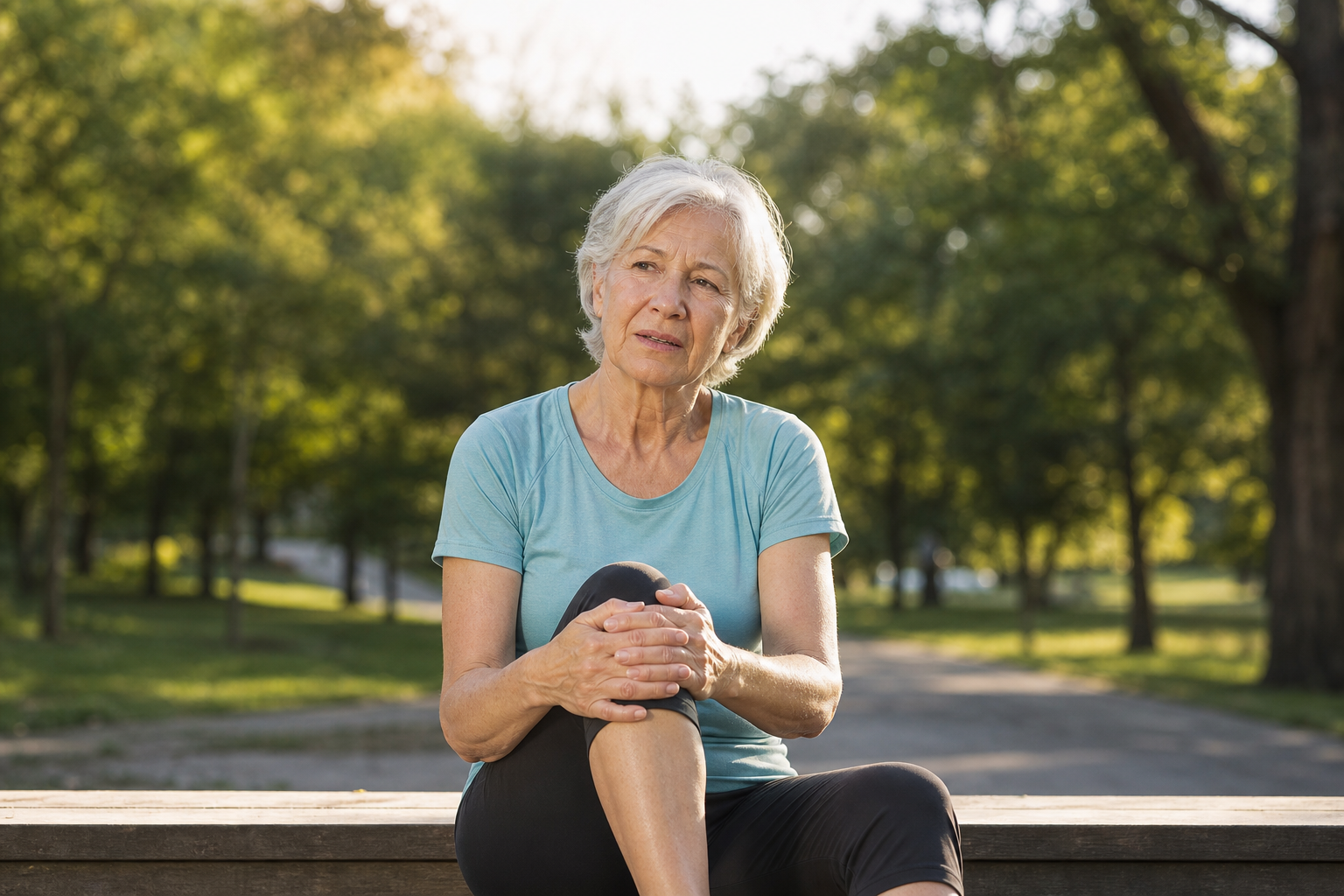
Why Do Joints Ache After 60? Here’s the Truth (From a Doc Who Sees It Every Day)
It was only last week that my neighbor, Linda, waved me down at the mailbox, wincing as she bent to pick up a package. She whispered, “Michael, why does it feel like my knees have turned into rusty hinges?” She’s 68, full of life, and suddenly struggling just to make it up her stairs. I hear stories like Linda’s all the time—especially from women over 60. If that sounds familiar, pull up a chair. I’ve got a few things I think you’ll want to know.
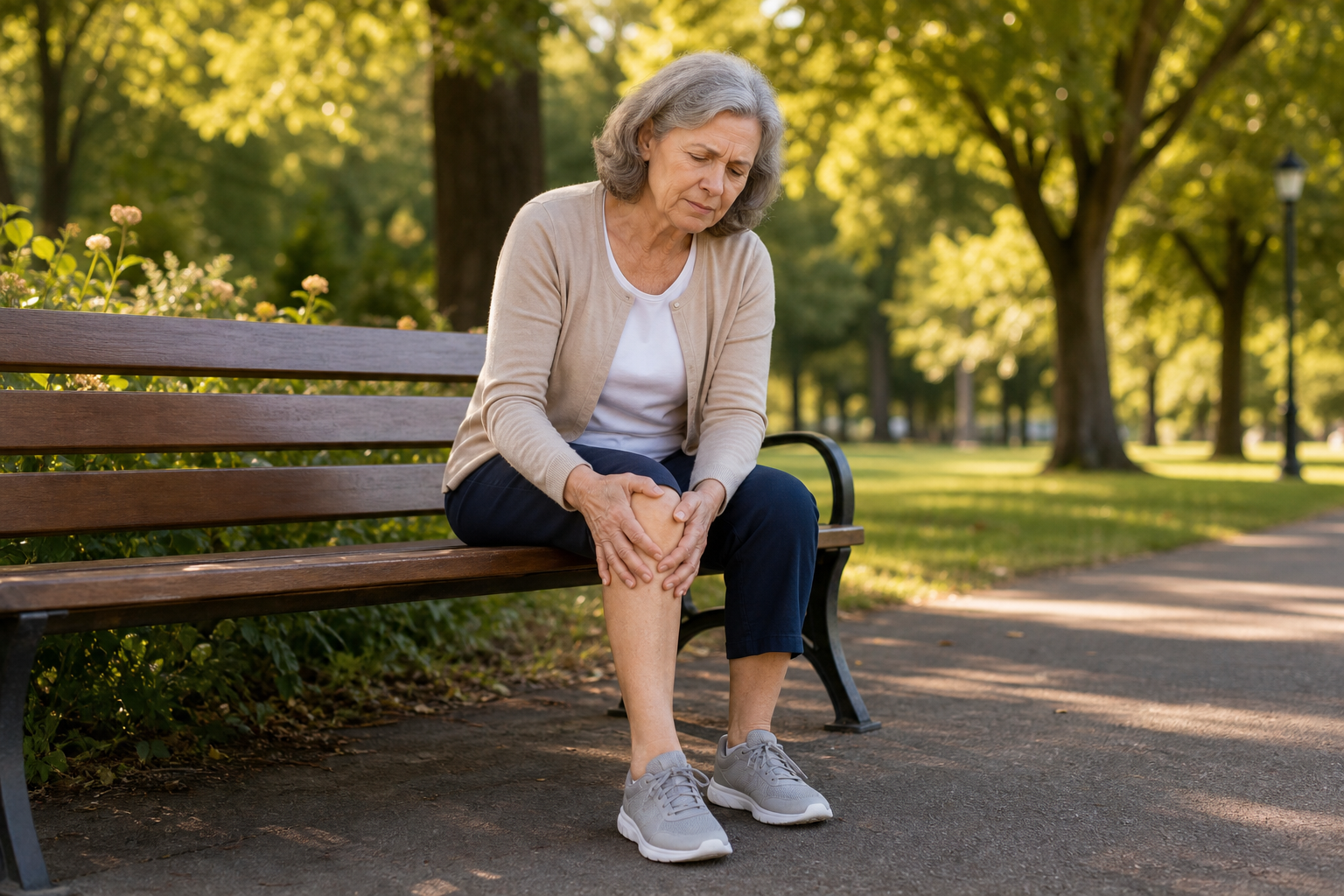
The Day-to-Day Reality: You’re Not Imagining It
Here’s the thing: joint pain in women after 60 isn’t just “getting old.” Yes, age matters. But there’s a whole cocktail of reasons—some predictable, some rarely discussed (and some, frankly, that even many doctors gloss over). And it’s not just about pain, either. Women tell me about the frustration of losing mobility, the anxiety over whether they’ll be able to keep up with grandkids, or the embarrassment of feeling ‘slowed down’ in social settings. If you’re nodding along, trust me: you’re in good company.
The Culprits: What’s Actually Causing Joint Pain in Women Over 60?
I know the easy answer: arthritis. But that’s like saying “it’s raining” when there’s an actual thunderstorm. Let’s take a closer look at the real drivers behind those creaky, aching joints.
1. Osteoarthritis: The Big One (But Not the Only One)
Osteoarthritis is, hands down, the most common form of arthritis after 60—particularly in women. The stats are eye-opening: according to the Journal of Rheumatology (2021), nearly 60% of women over 60 have radiographic evidence of knee OA, even if the pain varies from day to day. It’s the classic ‘wear and tear’ arthritis, where the cartilage (that smooth, rubbery cushioning between bones) thins out, leaving bones to grind a bit more than they’d like.
But—here’s where it gets interesting—estrogen seems to protect joints. When estrogen drops sharply at menopause, cartilage loses some of its natural defenses. That’s why, after 50, women catch up to (and then surpass) men in rates of knee and hand OA. If you ever wondered why things seemed to get worse post-menopause, well, there’s your answer.
2. Inflammation: The “Silent Spark”
Not all joint pain is pure mechanics. Chronic, low-grade inflammation is a massive piece of the puzzle. In fact, a 2022 study in Arthritis & Rheumatology found that postmenopausal women have higher blood markers of inflammation (like CRP and interleukin-6) and worse pain, regardless of cartilage thickness. Why? Hormonal shifts, yes, but also genetics, diet, stress, and even gut health all play a role. This inflammation can amplify pain—sometimes out of proportion to what shows up on an X-ray.
3. Lack of Movement (and the Fear Factor)
Here’s an unpopular opinion: rest isn’t always best. I’ve watched too many clients get caught in a vicious cycle—joint pain flares up, so they stop moving, which in turn weakens muscles, stiffens joints, and, you guessed it, makes the pain worse. A BMJ meta-analysis in 2020 showed that women over 60 who maintain regular gentle activity (think walking or swimming, not marathons) report up to 30% less knee pain than those who remain sedentary.
4. Old Injuries, New Problems
Remember that twisted ankle from gardening a decade ago? Or the knee you tweaked hiking years back? Those seemingly ‘healed’ injuries can resurface in your 60s, as weaker tissue and scarred cartilage struggle to keep up with daily demands. Several patients have asked me why their “old war wounds” ache more each winter—truth is, the body’s repair systems just aren’t as efficient at this stage of life.
5. Bone Density Drops, Joints Suffer
Women lose bone mass at a quicker rate than men post-menopause, right when joint degeneration is ramping up. Osteoporosis and osteopenia don’t cause joint pain directly, but weaker bones stress the soft tissue and can increase falls, fractures, and even subtle joint misalignment. I always recommend a bone scan after 60—just to be sure you’re not missing a piece of the puzzle.
6. Autoimmune Triggers: Not Just RA
Sure, we all know about rheumatoid arthritis (RA), but there are smaller, sneakier autoimmune culprits—like lupus, psoriatic arthritis, or even thyroid-related joint aches. These may show up around menopause or later. If your joint pain is sudden, severe, or comes with swelling and morning stiffness that lasts more than 30 minutes, talk to your doctor. Bloodwork matters here.
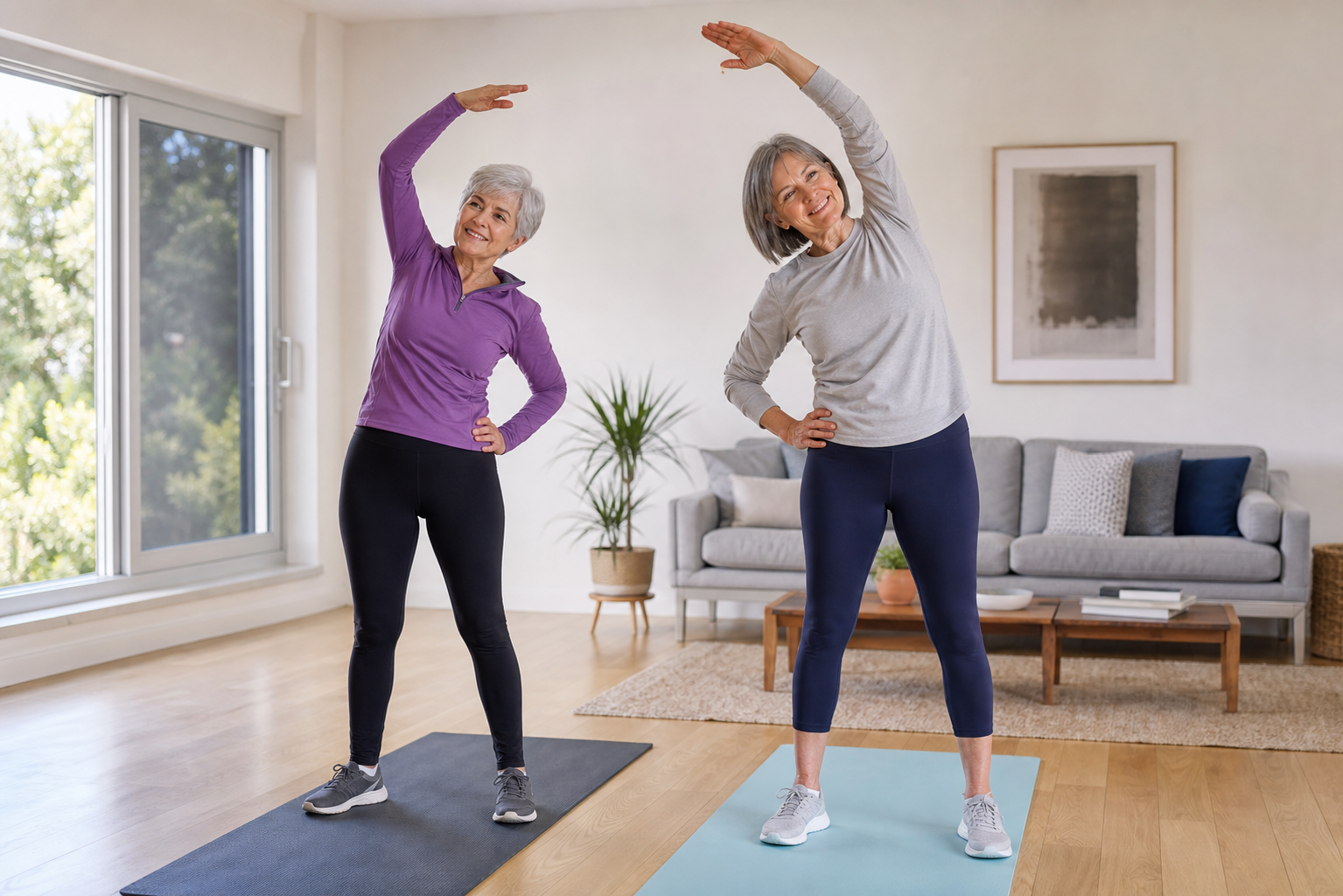
“My Joints Hurt—Now What?” Science-Backed Relief (And What to Skip)
Alright, so you know the causes. But what actually helps? I’ll be honest—there’s a lot of noise out there. I’ve seen everything from copper bracelets to celery juice cures. Some things really do move the needle, others just empty your wallet.
Keep Moving—But Move Smart
This is non-negotiable. Even a daily 15-minute walk can help lubricate joints, build strength, and tamp down inflammation. If the idea of exercise sounds daunting, start with tiny, regular movements. One of my favorite resources for patients: Treat Your Own Knees by Jim Johnson, PT. It’s refreshingly practical—simple exercises (with drawings!) that genuinely help knees function better. My mother-in-law swears by it, and at $11, it beats another co-pay at the ortho’s office.
Compression: Not Just for Athletes
If swelling or instability is part of your pain, lightweight compression sleeves can be a game-changer. I’ve reviewed dozens, but the Modvel Compression Knee Brace stands out—mainly because it’s sold as a pair, is affordable, and doesn’t slide down mid-walk (the anti-slip silicone is a small but crucial detail). A lot of my clients wear these for errands, garden work, or gentle exercise, and the feedback is almost always positive. Just know: compression supports, but it doesn’t ‘fix’ the underlying joint—think of it as a tool, not a cure.
Heat: Your New Best Friend
If you’re dealing with stiffness that’s worst in the morning or after sitting, heat can help unlock those joints. Moist heat especially—think heating pads that generate a gentle, penetrative warmth. One that’s gotten good marks from my more tech-savvy clients is the Pure Enrichment PureRelief XL Heating Pad—it’s extra-large (covers both knees if you’re creative), has six heat settings, and a moist heat function. I know, it sounds almost too luxurious, but in a clinical study (published in Disability and Rehabilitation, 2021), regular heat therapy reduced perceived pain by nearly 25% in older adults with knee OA.
Quick note: If you have any sensation loss (from neuropathy, for example), talk to your doctor before using heated products. Safety first.
Supplements: The Real Scoop
I could write a whole separate column on this—and probably will. Here’s the short version: Glucosamine (ideally glucosamine sulfate, 1500 mg/day) and chondroitin (800–1200 mg/day) have decent evidence for early to moderate knee OA, but only in some people. The 2016 BMJ network meta-analysis found that about 1 in 6 people see meaningful relief. Not perfect, but not snake oil, either. Don’t expect overnight miracles. And beware any supplement that promises to ‘cure’ arthritis outright.
Anti-Inflammatory Diet (Without the Overwhelm)
Forget trendy diets. Aim for more colorful fruits and veggies, a bit more fish or olive oil, and less processed sugar. Every extra pound you shed can take 4 pounds’ worth of pressure off your knee with every step. That’s not a typo: four pounds per pound, per step, according to the Johns Hopkins Arthritis Center.
What I Don’t Recommend
- Blanket Rest: Staying inactive for days often makes things worse. Joints crave movement.
- Unproven Supplements: Anything promising to ‘rebuild’ cartilage overnight is blowing smoke.
- Ignoring Pain That Wakes You Up at Night: That could mean something more serious—like a stress fracture, infection, or inflammatory arthritis. Don’t self-diagnose here.
Deep Dive: The Science of Women’s Joints After 60
Let’s get a little nerdy for a second. Why is joint pain so much more common in women post-menopause? Two things: cartilage composition and immune system tweaks.
Cartilage in women actually has a different balance of collagen and water content than in men, and it’s more sensitive to hormonal changes. When estrogen levels fall, so does the production of proteoglycans—those little ‘sponges’ that keep cartilage plump. At the same time, the immune system gets a little *rowdier* (technical term, I know). You’re more likely to develop autoimmune diseases, and low-level inflammation is harder to tamp down.
But here’s the kicker: Women are more likely to power through pain—favoring one hip, for instance—until asymmetries pop up elsewhere. This domino effect is why knee pain sometimes leads to back pain, or why an old foot injury resurfaces during menopause. Training both flexibility and gentle strength (not just ‘cardio’) matters more than ever now.
When to Check With Your Doctor
If your joint pain comes on suddenly, is associated with fever, hot/red/swollen joints, weight loss, or lasts more than a few weeks despite self-care, please don’t just ‘wait it out.’ Especially with autoimmune conditions, early intervention makes a world of difference.
Fresh Takeaways for Real Relief
- Keep moving—gently and regularly. Even 10 minutes a day adds up.
- Know your triggers. Jot down which activities flare things up. You’d be surprised by the patterns.
- Use tools, not crutches. Compression sleeves, heat pads, and easy exercise guides aren’t signs of defeat—they’re smarter ways to stay active.
- Eat, don’t diet. Add in anti-inflammatory foods, but don’t stress about perfection.
- Ask for help if pain is severe, constant, or comes with red flags. It’s not ‘bothering’ your doctor to check in.
I know it can feel daunting, but you are not stuck. Every week I watch women in their 60s and beyond reclaim their comfort, one small shift at a time. If you try any of the tips above, shoot me a note—I love hearing what actually works in real life.
Here’s to feeling a little more like yourself—rusty hinges and all. You’ve got this.
Dr. Michael Torres, DC
Licensed Chiropractor & Nutrition Counselor | JointReliefReviews.com
This article reflects my experience and review of current research but isn’t a substitute for personal medical advice. Always consult your own healthcare provider before starting new treatments, supplements, or exercise routines—especially if you have a chronic illness or take prescribed medications.