
CBD Oil for Joint Pain and Inflammation: What’s the Real Story?
I’ll never forget the first time a patient (let’s call her Linda) wheeled into my office clutching a small glass bottle. “My niece swears by this CBD oil for knee pain,” she said, “but I have no idea if it’s the real deal or snake oil.” If you’ve ever felt that exact confusion, you’re in good company—these days, I get at least one email a week from someone asking about CBD for joint pain. And honestly? The answer isn’t as black-and-white as marketers want you to believe.
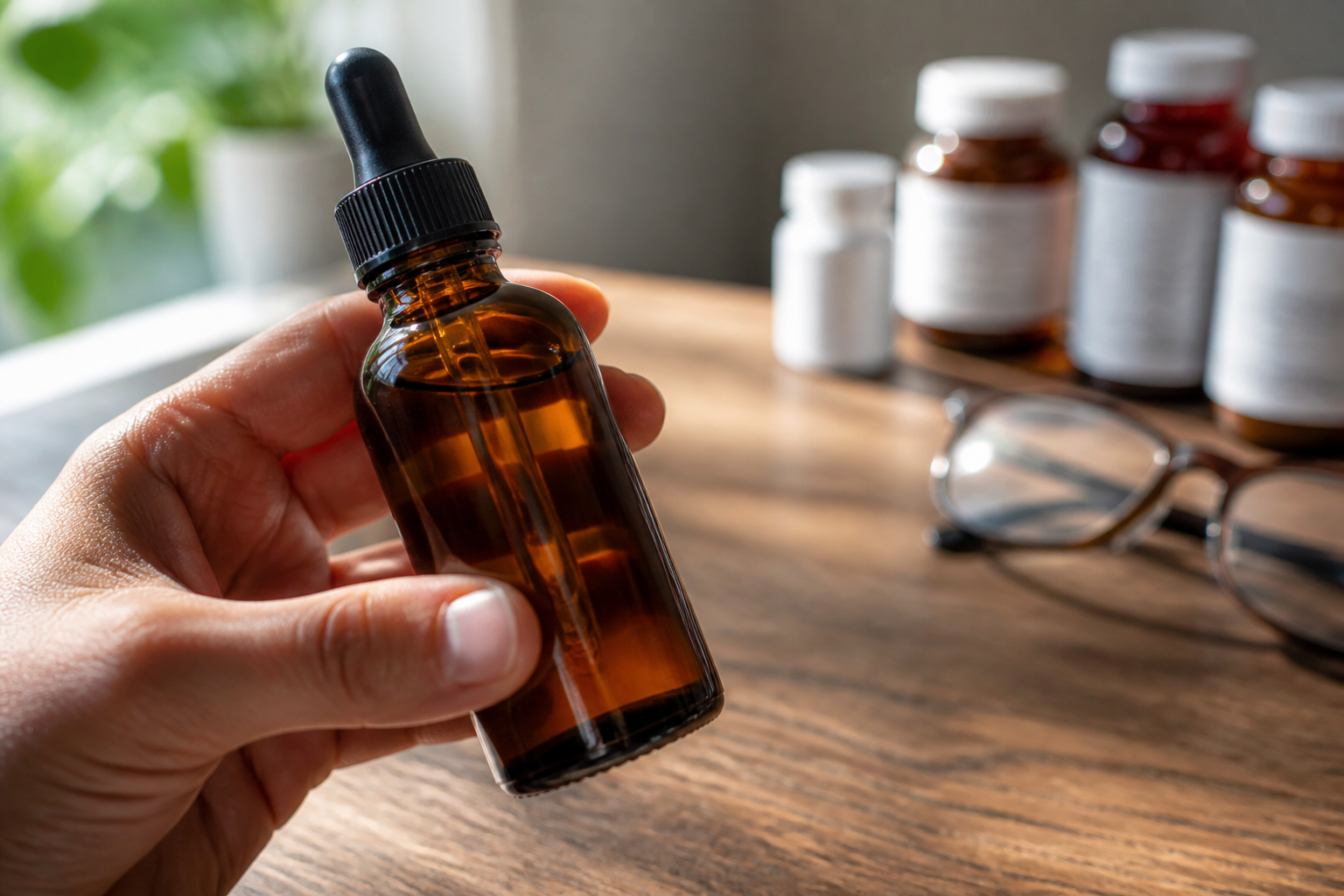
Why Joint Pain and Inflammation Are Such a Nightmare
Look, joint pain isn’t just an inconvenience—it can absolutely bulldoze your quality of life. I’ve seen patients, active their whole lives, suddenly rearranging their day around a sore knee, or skipping out on events because “the hips are barking.” It’s not just physical, either. Chronic pain chips away at your mood, your sleep, and, let’s be real, your patience with everyone around you.
And joint inflammation? That’s the real kicker. Inflammation is at the root of most of the misery—whether it’s osteoarthritis, rheumatoid arthritis, or that lingering sports injury that’s become your unwanted companion. According to the Centers for Disease Control and Prevention, over 58 million adults in the US have arthritis, most dealing with stiffness, swelling, and pain daily. And if you’ve ever iced your knee at midnight or woken up to fingers that just won’t move, you know how deeply this stuff can affect your day.
CBD Oil: Miracle or Marketing?
Here’s where it gets interesting. CBD (cannabidiol) comes from the cannabis plant—but unlike its cousin THC, it won’t get you high. Some folks call it “medical marijuana light,” but that’s missing the point. What intrigues me isn’t the hype; it’s the growing pile of studies hinting that CBD might actually temper the fires of inflammation and dial down those pain signals.
Let me be clear: CBD oil isn’t a cure-all. I know that’s unpopular in some circles, but it’s true. What it might provide is another tool in your toolbox—and for some, that means real, measurable relief. But not all CBD is created equal, and not everyone responds the same way.
How Does CBD Oil Actually Work? (The Science, Just Enough to Matter)
If you’re the type who likes to know why something works, I’m with you. CBD interacts with your body’s own endocannabinoid system (ECS)—a network of receptors that helps regulate pain, inflammation, mood, and even sleep. Picture it like your body’s thermostat for stress and pain. When you’re dealing with joint inflammation, the ECS gets involved in how you feel those signals.
Here’s the basic rundown:
- Cannabinoid receptors (CB1 & CB2): These act like tiny antennas throughout your nervous system and immune cells.
- CBD doesn’t bind directly like THC does, but it seems to influence these receptors to moderate inflammation and pain perception.
- Lesser-known: CBD may also interact with serotonin receptors and TRPV1 channels, both involved in pain modulation. (Journal of Experimental Medicine, 2012; European Journal of Pain, 2016.)
The upshot? In animal studies, CBD reduces joint swelling, pain sensitivity, and inflammatory markers. Human data is more limited (and sometimes contradictory), but there are hopeful signs—especially for arthritis sufferers.
What Does the Research Actually Show?
I’ll be honest—if you’re scouring the headlines, you’ll see wild claims. But let’s stick to the facts:
- 2016, European Journal of Pain: Topical CBD gel reduced joint swelling and pain in rats with induced arthritis.
- 2020, Arthritis Care & Research: In a survey of over 2,600 patients with arthritis, 79% reported using CBD for symptoms, and 29% said it “helped a lot.”
- 2022, Current Opinion in Rheumatology: Researchers concluded there’s “modest but promising” evidence for CBD easing pain and inflammation in chronic arthritis—but more rigorous trials are needed.
- 2018, Frontiers in Pharmacology: Review highlighted CBD’s anti-inflammatory properties and potential safety profile.
But here’s the flip side: Most clinical trials so far are either on animals or too small to make sweeping recommendations. And dosages vary wildly—from 20mg per day up to 300mg in some studies. Translation: results are real, but not guaranteed.
How to Use CBD Oil for Joint Pain (So You Don’t Waste Your Money)
If you’re nodding along, you’re not alone. I’ve talked to dozens of patients who tried CBD “just once” and wrote it off because nothing happened. Dosage, delivery method, and product quality matter—a lot.
CBD Oil Formats: What Works Best?
Look, not all CBD is created equal. Here’s what I’ve seen work (and flop):
- Oral CBD oil tinctures: These are versatile—you can measure the dose and take it under your tongue for quicker absorption. Start low (say, 10-20mg twice a day), then ramp up as needed.
- Topical CBD creams and balms: Ideal for targeting one cranky joint. Rub it right where it hurts—some people swear by the local relief.
- Capsules or gummies: Decent for long-term use, but less control over dose and slower onset.
Dosage is the wild west, if I’m being honest. I usually suggest starting with 20mg per day and slowly increasing to see what you feel—in some studies, people used up to 100mg per day with no serious issues. But always check with your doctor, especially if you’re on prescription meds or have liver issues.

Possible Side Effects (Don’t Skip This Part)
Most folks tolerate CBD pretty well. But I wouldn’t be doing my job if I didn’t mention possible hiccups: dry mouth, lightheadedness, drowsiness, and sometimes GI upset. Rarely, it can affect how your body metabolizes other meds (BMJ Case Reports, 2020). And because the supplement market isn’t tightly regulated, you really need to buy from reputable brands with lab-tested products—otherwise, you could be getting a mystery in a bottle.
Quick legal note: CBD derived from hemp (less than 0.3% THC) is federally legal in the US, but state laws can vary. Always double-check your state’s stance before ordering anything online.
Integrating CBD Oil with Other Joint Pain Strategies
Here’s the thing: I’ve never seen any magic bullet for joint pain. The folks who do best usually mix and match strategies—supplements, movement, heat, and lifestyle tweaks.
- Stay active. Even gentle joint-friendly movement (think swimming, walking, tai chi) helps lubricate the joints and keeps muscles strong. If you’re looking for a simple, gentle plan, the research-backed guide Treat Your Own Knees breaks it down with practical exercises you can do at home.
- Use heat therapy for flare-ups. I’m a fan of the Pure Enrichment PureRelief XL Heating Pad for its moist heat option and big surface area. Moist heat penetrates deeper—great for morning stiffness or after a long day.
- Support your joints with compression. For knees, something as simple (and affordable) as the Modvel Compression Knee Brace can make a real difference, especially if you’re active or on your feet all day.
CBD oil can slot right into this mix. Some of my patients use it before bed to calm down aches and help sleep, while others use it proactively before activity. Try pairing a topical CBD balm on the sore spot with a heating pad on chilly mornings—it’s a combo I see help a lot.
Spotting Quality CBD Oil: What I Tell My Own Family
My mother-in-law loves to ask, “How do I know I’m not getting scammed?” Fair question. Here’s my quick-and-dirty cheat sheet for finding CBD that actually delivers:
- Third-party lab testing: Any reputable brand should have easy-to-find COA (Certificate of Analysis) proving their product is what it says it is—free of heavy metals, pesticides, and with advertised CBD content.
- Full-spectrum vs. isolate: Full-spectrum includes trace cannabinoids and terpenes that may enhance the effect (the “entourage effect”). Some people prefer broad-spectrum (no THC). Pure CBD isolate is okay if you’re nervous about even tiny amounts of THC, but many users find full-spectrum more effective.
- Clear dosing information: Run (don’t walk) from products that hide how much CBD you’re actually getting per dropper or dose.
If you’re curious about brands, I tend to recommend looking for US-grown hemp, CO2 extraction (safer, cleaner), and transparent sourcing. And yes—be prepared to spend a little more for quality. The $15 “CBD oil” at the gas station probably won’t cut it.
Who Shouldn’t Try CBD Oil for Joint Pain?
Most people tolerate CBD well, but I always stress—talk to your physician before starting, especially if you’re pregnant, breastfeeding, have underlying liver disease, or take prescription meds that affect liver enzymes (like warfarin or some anti-seizure drugs). And if you’re allergic to cannabis, it’s obviously a no-go.
There’s limited research in children and teens—so I don’t recommend it for pediatric use outside of very specific, doctor-supervised circumstances.
Comparing CBD to Other Joint Relief Tools
I know people who swear by fish oil, turmeric, or the classic glucosamine 1500mg + chondroitin 1200mg combo (which, by the way, shows modest results for some in the Annals of Rheumatic Diseases, 2017). CBD is just one more option. For those who can’t (or won’t) use NSAIDs due to stomach issues or cardiovascular risks, CBD could be a gentler alternative—or a supplement to conventional meds.
Topical NSAIDs like Voltaren gel have more robust clinical data, especially for osteoarthritis (BMJ, 2016). But they’re not for everyone, and they don’t address stress or sleep the way CBD sometimes can.

So, Is CBD Oil Worth Trying for Joint Pain and Inflammation?
I know—there’s a lot of hype out there. But here’s my honest take: If you’re struggling with daily joint pain and inflammation, and you’ve already tried the basics (movement, joint-friendly heat, compression, well-tested supplements), CBD oil is worth a thoughtful trial, as long as you approach it with realistic expectations.
Start low, go slow, and keep a symptom diary for 3-4 weeks. Some notice a difference in a few days, others need a month. Track your sleep, stiffness, pain, and any side effects. If you don’t notice any change, it’s okay to move on—no single therapy works for everyone.
Takeaways: The Real-World CBD Playbook
- CBD shows real promise for some—but not all—people with joint pain and inflammation. The science is growing, but not blockbuster-level (yet).
- Topical and oral forms both have a place, depending on your symptoms and preferences.
- Always look for third-party tested, transparent brands and start with a low dose.
- Combine CBD with smart movement, heat therapy, and tried-and-true joint support for the best shot at relief.
And if you’re still not sure? Don’t be afraid to ask your doctor or physical therapist for their read—CBD isn’t for everyone, but it’s not the wild west it used to be. I’ve seen enough people get real, meaningful relief to stay curious about its role in joint health.
If you’ve tried CBD oil (for better or worse), I’d love to hear your story—drop me a note. And stay tuned: the research is changing fast, and I’ll keep sharing what’s actually worth your time (and what’s not).
Here’s to making movement a little easier—and finding the relief you deserve.
Dr. Michael Torres, DC
Chiropractor, Certified Nutrition Counselor, and columnist for JointReliefReviews.com