Why Your Sleep Position Might Be Worsening Hip and Knee Joint Pain
Here's the thing: I still remember the look on my mother-in-law's face after yet another sleepless night. She'd tried every pillow configuration, heating pad, and trendy mattress topper, and still—her hips ached and her knees throbbed by morning. If that sounds familiar, know you're not alone. According to the Journal of Rheumatology, nearly 54% of adults over 50 with osteoarthritis report disrupted sleep due to joint pain. That's not just a number; that's millions of us limping to the coffee maker at 4 AM. Not exactly what they promised us about aging gracefully, right?

Why Sleep (and How You Sleep) Matters for Your Joints
Look, I'm not going to sugarcoat this: the way you sleep can absolutely make or break your joint pain. When I first started in rehab clinics, I assumed people slept however they wanted and just "dealt with it." I was dead wrong. Here’s why: when you're asleep, your body isn't making the micro-adjustments it does during the day. So if you're putting pressure on an arthritic hip, or letting your knees knock together, that stress compounds over hours. By morning, tissues are inflamed, and your pain threshold is lower. That’s straight from a 2021 Arthritis & Rheumatology study that measured cytokine spikes after poor quality sleep in joint pain patients. Translation: your mattress isn't the only suspect—your preferred position matters just as much.
Common Positions That Backfire (And Why)
- Side Sleeping (without support): Can pinch hip bursae and let knees grind together. If you wake up with hip or inner knee pain, this might be why.
- Stomach Sleeping: The real kicker—this one torques the spine, externally rotates hips, and puts odd stress on the kneecaps. I rarely recommend this for anyone with chronic pain.
- Flat on Your Back (no props): Not as bad as the others, but for some, it causes low-back and knee ache due to unsupported joints.
The Science: How Sleep Positions Affect Hip and Knee Pain
Alright, let’s get a little nerdy. Multiple studies—like the 2018 BMJ Open sleep questionnaire—found that side-sleepers with arthritis tended to rate their morning pain 30% higher unless they used a pillow between their knees. Why? When the knees touch, there's direct pressure on the medial (inner) joint line, especially if you’ve lost cartilage there. For hips, sleeping directly on the affected side boosts localized inflammation. It’s not just anecdotal—I’ve seen MRI follow-ups where the bursa and synovium looked angry after bad sleep habits. None of this means you need to re-learn how to sleep entirely; it just means some subtle tweaks (not a total overhaul) might be the ticket.
But here’s where it gets interesting: a Canadian trial in 2022 found that patients who "optimized" their sleep setup—think pillows, gentle knee supports, and low-pressure mattresses—reported fewer flares, less pain, and even needed less medication over time. That’s compelling.
What’s Actually Comfortable? The Best Sleep Positions for Hip and Knee Joint Pain
I’ll be honest—I’m a physical therapist, not the Sleep Fairy. But after working with hundreds (maybe thousands?) of patients, some trends are clear. These aren’t rigid rules, but they’re a good starting point:
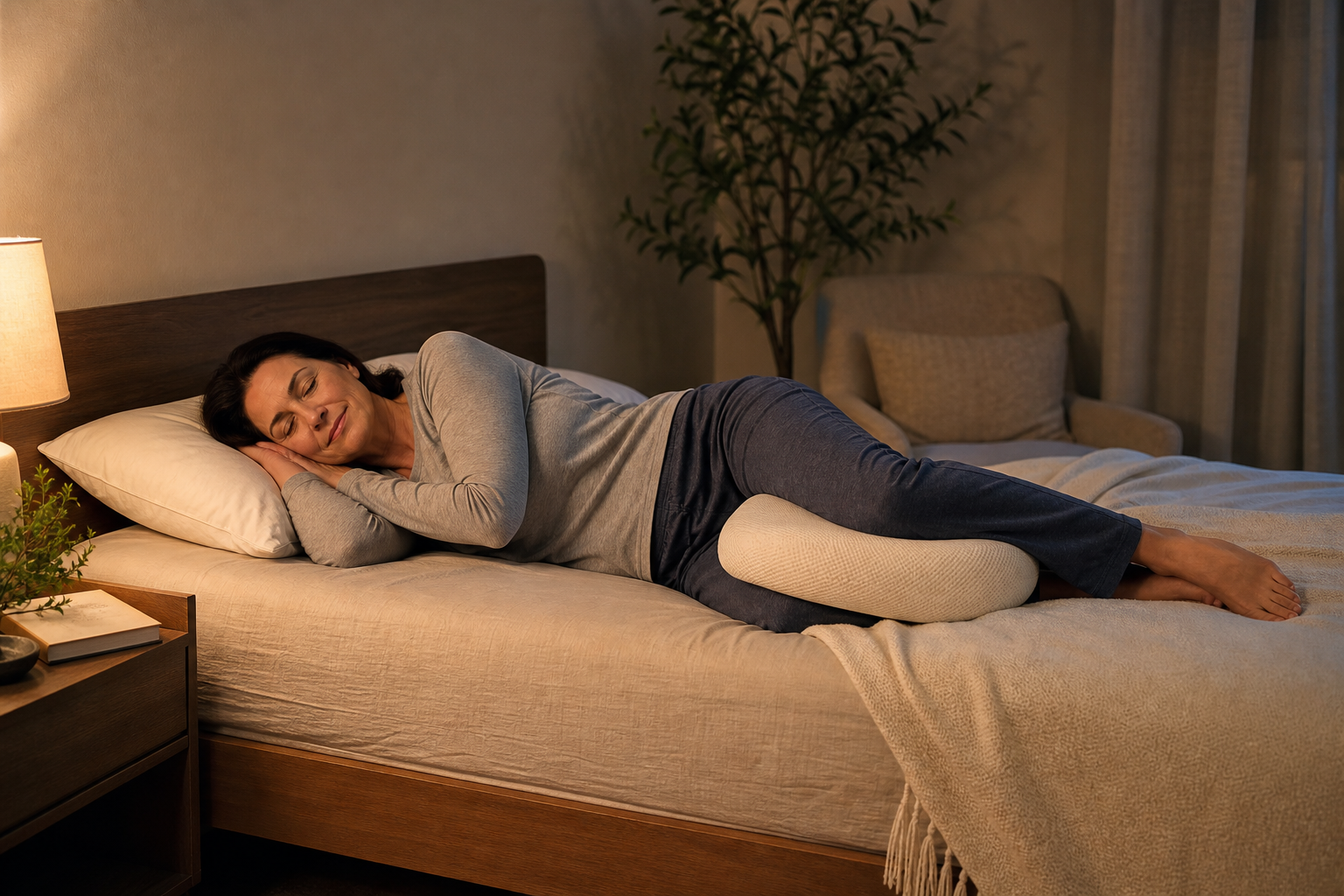
1. Side-Sleeping with Support (My Go-To Recommendation)
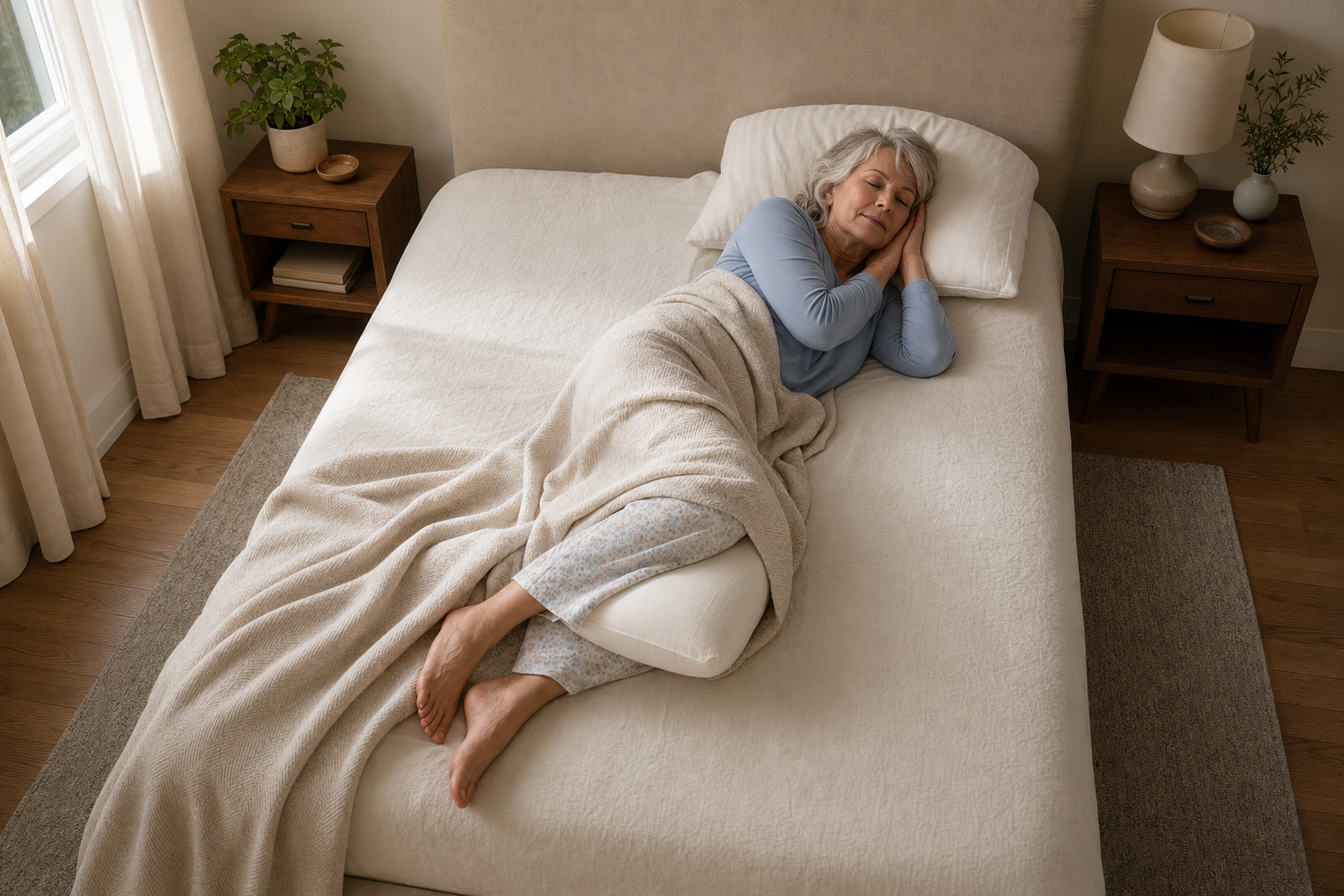
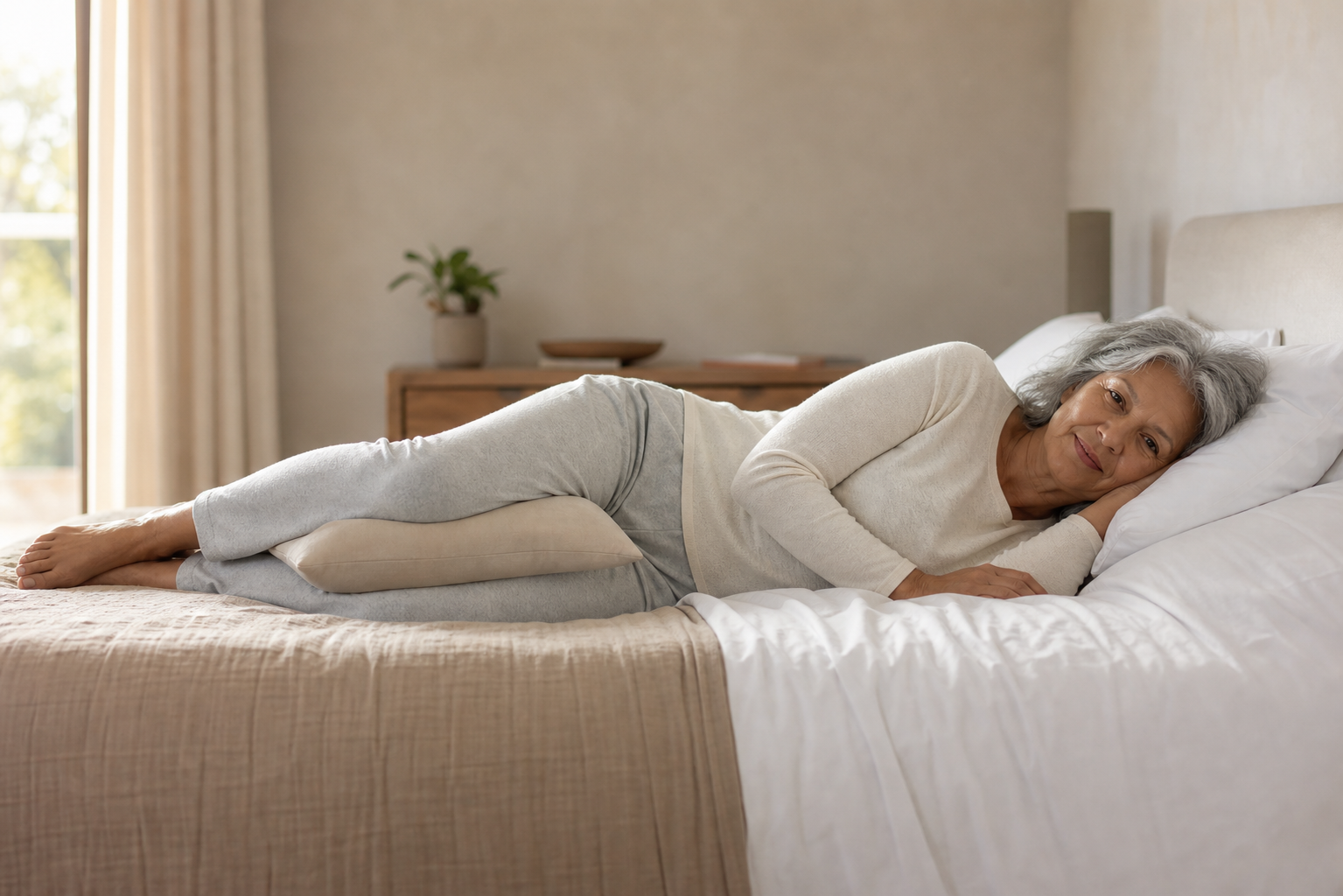
- Place a firm pillow between the knees. You want enough height so your top leg is level with your pelvis—about the thickness of a dense foam roller. Bonus points if you add a thinner pillow between your ankles (helps with alignment, especially if you have knock-knees or flat feet).
- If your hips are the culprit, also place a pillow under your waist. This reduces downward tilt and offloads pressure on the greater trochanter (the bony part of your outer hip).
- If you’re a restless sleeper, try a Modvel Compression Knee Brace for gentle support—especially if you wake up with odd stiffness or instability.
2. Back-Sleeping with Knee Support
- Place a medium pillow (or rolled-up towel) under your knees. Classic trick—reduces extension stress and decompresses the lumbar spine.
- If hip tightness bothers you, a wedge under the thighs can also help. Not everyone likes this, but it's worth trying if your hips cramp up flat on the mattress.
3. Zero-Gravity Position
This one’s a game-changer for some, especially post-surgery folks. You elevate both the head and knees (think: recliner chair shape). Some adjustable beds do this automatically, but you can DIY with stacks of pillows. It reduces gravitational force on both the hips and knees. A 2020 Musculoskeletal Research review found this position can actually lower intra-articular pressure in the hip and patellofemoral joint. If you snore, though, this may not be ideal for you.
4. Avoid Stomach Sleeping (Sorry!)
Look, I get it—some people only drift off on their stomachs. But for hip or knee pain sufferers, it almost always worsens things. Your hips are externally rotated, knees hyperextended, and the lower back caves. If you absolutely must, place a pillow under the hips and a thin one under the ankles, but I’d still suggest experimenting with the above options. Your joints will thank you.
Pillows, Braces, and Mattress Tricks That Actually Work
If you're nodding along thinking, "I've tried a pillow before—it didn't help," I hear you. Most folks use the wrong size or type: floppy decorative pillows won't cut it. A memory foam leg pillow or even a rolled-up yoga mat can provide the firmness and height necessary for proper joint alignment. I've seen patients transform their mornings just by swapping out a pillow. No joke.
Compression braces? I was honestly skeptical until I saw the data. A controlled trial in Clinical Rehabilitation (2019) showed that lightweight knee sleeves reduced night pain scores by 17% in osteoarthritis patients. They’re not magic, but for a lot of my patients—the Modvel Compression Knee Brace comes in a pair, stays put, and doesn’t overheat at night. Just don’t crank it up too tight (you’ll wake up numb, and that’s no fun).
Mattress-wise: medium-firm memory foam is the goldilocks zone for most with joint pain. Too soft, and your hips collapse. Too firm, and there’s pressure on bony landmarks. I always tell folks: before you buy a new mattress, layer a firm topper and see how your pain responds. It's cheaper, and you can experiment until you get it right.
Pro Tricks From the Clinic
- Heat at Bedtime: Applying moist heat right before bed can actually ramp up deep tissue circulation and relax tense muscles. I’ve recommended the Pure Enrichment PureRelief XL Heating Pad for years because it covers both hips—or both knees—at once. Six heat settings keep you from overheating. Pro tip: never sleep with it on, but a 15-minute session before bed can make a world of difference.
- Gentle Bedtime Stretching: A few slow, controlled hip and quad stretches before turning in can prevent that stiff, locked-up feeling come morning. Honestly, skipping this step is sabotage for most people.
- Consistent Sleep Schedule: Less sexy, but wildly effective. Your body craves routine, and sleep fragmentation heightens pain perception. That’s straight from the American College of Rheumatology guidelines.
One reader emailed me asking if she should try “orthopedic” knee pillows from late-night infomercials. I told her: If it’s firm, sized right, and keeps your leg in alignment, go for it. But don’t get suckered into wild claims—alignment is the only thing that matters.
Common Mistakes (And How to Fix Them)
- Using a pillow that’s too thin or too thick between your knees. Aim for your hips to be stacked, not twisted downwards or upwards.
- Ignoring your ankles—if your knees are supported but your ankles dangle, you’re still going to feel twisted up by morning.
- Neglecting pre-bed pain management. If pain is flaring, address it ahead of time (heat, gentle movement, topical relief if cleared by your doctor).
And trust me, don’t be embarrassed if it takes a few nights of trial-and-error. I’ve had professional athletes struggle to find the right setup. There’s no magic formula—just guidelines, patience, and a little creative experimentation.
Real-World Product Picks (That I Actually Recommend)
- Modvel Compression Knee Brace — For gentle nighttime support, these are a best-seller. Not bulky, affordable, and easy to wash. Just remember: always talk to your doctor if you have circulatory issues before wearing any compression overnight.
- Pure Enrichment PureRelief XL Heating Pad — The XL size is great for full-hip or knee coverage. Moist heat is a game-changer for a lot of folks, and the auto shut-off means you won’t roast yourself accidentally.
Notice I didn’t list painkillers or foam wedges that cost hundreds. Those have their place, but for most people, the real gains come from dialing in alignment and simple, consistent routines. And again—always check with your healthcare provider before trying new supports, especially if you have neuropathy or vascular disease.
What About Side Switching or Tossing?
I get this question every week: "I toss and turn all night—does anything help?" Short answer: yes, but it's not perfect. If you flip from side to side, keep a backup pillow or folded towel within arm’s reach so you can quickly re-align your legs. Some patients even "pre-stage" both sides of the bed. Is it a little extra? Maybe. But the people who do it report less pain and better sleep quality, hands down.
For the restless, compression sleeves like the Modvel Compression Knee Brace are especially useful—they move with you and won’t shift like a loose pillow. Just don't over-tighten them, and if you wake up with numbness, take a break for a night or two.
The Hard Truth: There’s No One “Perfect” Sleep Position—But There Are Better Choices
I know this might be a mild controversy, but: there’s no single "right" way to sleep for hip and knee pain. Anyone who says otherwise is selling something (probably a mattress). The goal is neutral alignment—hips stacked, knees supported, nothing twisted or hyperextended. That will look a little different for each body, especially if you’ve had replacements, fusions, or chronic instability.
So experiment. Try a side, try your back, prop with pillows, see what actually lets you wake up feeling human. Track which position makes you less sore by morning—keep a notepad next to the bed if you have to (a little old-school, but it works).
Final Takeaways: Wake Up With Less Pain—Starting Tonight
- Use a firm pillow between your knees and (if needed) ankles to align joints and reduce pressure.
- Try a compression knee sleeve if night pain or instability is an issue—just don’t overtighten.
- Warm up hips and knees with a moist heat pad 15 minutes before bed (not during sleep).
- Back sleepers: pillow under knees, maybe wedges under thighs if you get hip cramps.
- Mattress toppers can be your best friend; experiment before investing in a whole new bed.
- No position is perfect; alignment and comfort trump dogma every time.
- Talk to your doctor (especially if you have numbness, swelling, or new symptoms with any sleep aid).
If you’ve made it this far, you’re probably serious about finally getting a good night’s rest. I promise—it’s not about gimmicks, but about finding the right setup for your unique joints. Be patient, experiment, and don’t be afraid to tweak your routine. Your body will tell you when you’ve found the sweet spot.
Sleep well, and if you discover a trick I haven't mentioned, shoot me an email—I learn as much from readers as you do from me.
James Chen, MS, CSCS — Exercise Science, Strength & Conditioning Specialist, JointReliefReviews.com