
Can CBD Oil Really Help With Joint Pain and Inflammation? Here’s My Honest Perspective
Last winter, a long-time patient of mine — I’ll call her Linda — walked into my clinic looking utterly exhausted. She’d been waging war with her knees for years thanks to osteoarthritis. “Sarah, have you heard about CBD oil for joint pain? My neighbor swears by it, but I don’t want to waste my money.” If you’ve ever wondered the same thing, you’re in very good company. In fact, according to a 2022 Arthritis Foundation poll, 29% of people with arthritis have tried CBD, and most were hunting for relief from pain and inflammation.
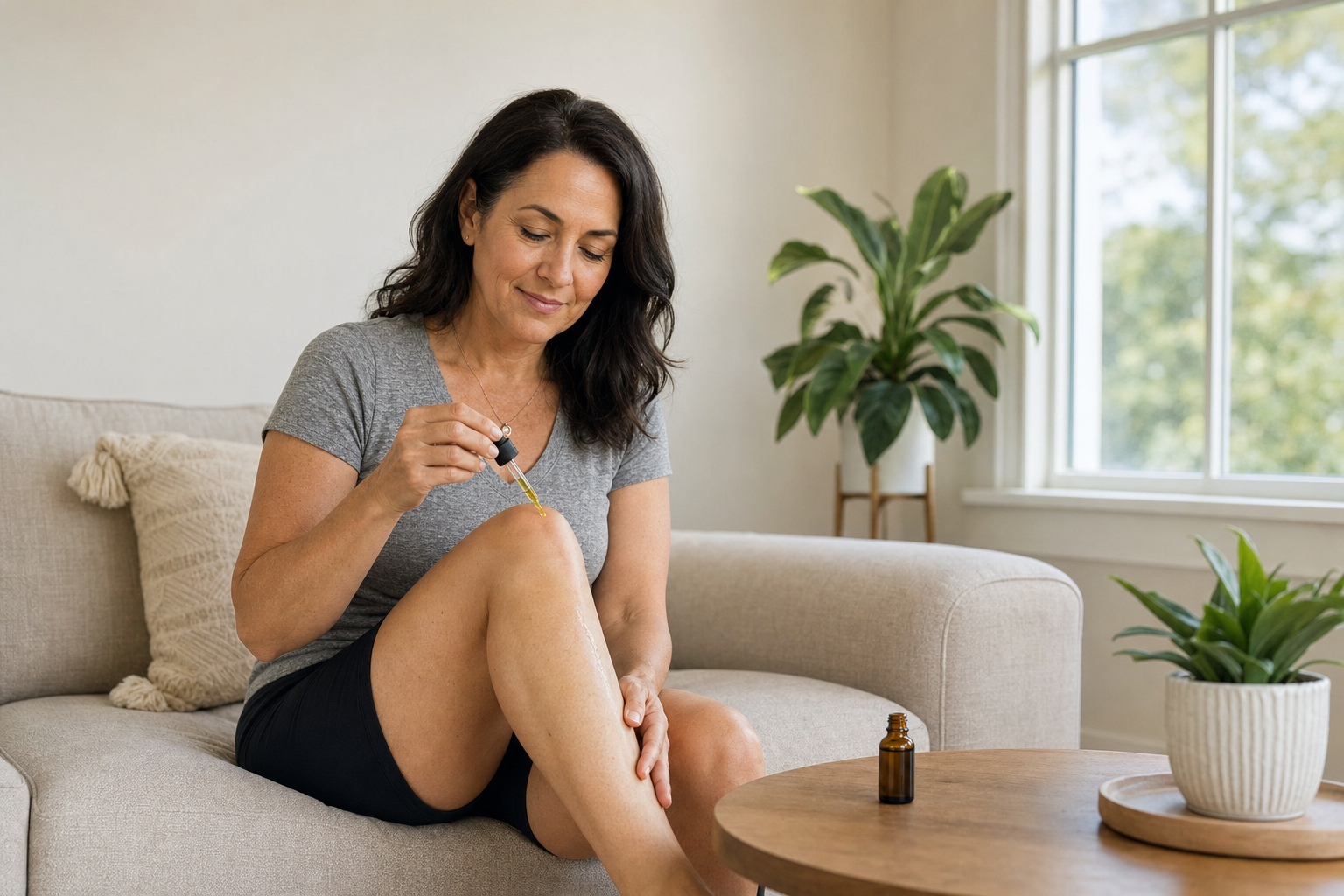
The Truth About Joint Pain: It’s Relentless
Whether it’s a dull ache in the morning or a sharp jab with every step, joint pain can bulldoze your quality of life. As a physical therapist with over a decade of experience, I see it up close: missed family hikes, trouble sleeping, even skipped social events. And inflammation? That’s the invisible culprit — your body’s misguided attempt to repair “damaged” areas, but in the case of osteoarthritis and rheumatoid arthritis, it just keeps the pain cycle rolling.
If you’re nodding along, you’re not alone. And if you’re considering CBD oil because you’re wary (or just plain fed up) with pain pills, steroid shots, or endless ice packs, I get that too. The search for something gentler — but effective — is real.
Making Sense of the Science: How Does CBD Work, Anyway?
Here’s the thing: CBD (that’s cannabidiol, derived from hemp or marijuana) has exploded onto the wellness scene, promising everything from “miracle” anxiety relief to arthritis pain fixes. But does it actually reduce joint pain and inflammation, or is this just another internet fad?
The key player here is your endocannabinoid system — think of it as your body’s own network for managing pain, mood, and inflammation. CBD doesn’t get you “high” (that’s THC’s job), but it does seem to interact with certain receptors (CB1, CB2) that help modulate inflammation and pain perception.
But — and this is a big but — most of the research so far is in its infancy. Lab and animal studies? Promising. Human studies? Much thinner. Still, a few recent investigations are worth noting:
- 2021 (Pain journal): A small double-blind study gave people with knee osteoarthritis either CBD or placebo. The result? Modest improvements in pain at rest, but not a game-changer for pain with movement.
- 2018 (European Journal of Pain): Rats with arthritis treated with topical CBD had “significantly reduced joint swelling and pain behaviors.” Translation: The anti-inflammatory effect is real — at least in rodents.
- Arthritis Foundation (2020): A survey of over 2,600 patients found that most who tried CBD reported some improvement in pain (67%) and physical function (30%). Still, these are self-reported results, not clinical trials.
I’ll be honest — CBD is not a slam dunk cure. But the real kicker? Some patients do notice relief, especially for daily aches and soreness, and the side effect profile (when you choose wisely and dose conservatively) appears pretty mild.
What’s the Right CBD Dose for Joint Pain?
This is where things get sticky. There’s no universally accepted “joint pain” dose. Most studies use 20-40mg/day of CBD, often split into two doses. Some people need more, others less. I tell my patients: start low (5-10mg once or twice daily), watch for side effects (fatigue, dry mouth, mild GI upset), and only gradually work up if needed.
And talk to your doctor before trying CBD — especially if you’re on blood thinners, seizure meds, or have liver issues. I’ve seen a few folks who ended up with weird drug interactions because they skipped this step.
CBD Oil for Joint Pain and Inflammation: What Actually Helps?
Okay, so maybe you’re considering a bottle of CBD oil. But the marketplace is a minefield — gummies, capsules, tinctures, topicals, full-spectrum, isolate... it’s overwhelming! Here’s what I’ve learned (sometimes the hard way):
- Topical CBD (creams, balms): These can be surprisingly effective for focal pain — knees, hands, elbows. I’ve seen patients get solid relief for mild-to-moderate soreness, especially when combining topical CBD with heat or gentle movement.
- CBD Oil/Tincture: Best for systemic pain (think: morning stiffness, widespread inflammation). Sublingual oil (drops under the tongue) is absorbed faster than edibles/capsules — good for when you want a quicker effect.
- Full-spectrum vs. Isolate: Full-spectrum CBD contains trace plant compounds (including tiny amounts of THC, under 0.3%), which may enhance the pain-relief effect thanks to the so-called “entourage effect.” But if you’re drug tested at work, stick with broad-spectrum or isolate products.
One reader emailed last month: “Is it safe to use a heating pad with CBD cream?” Absolutely — in fact, pairing a topical like CBD with something like the Pure Enrichment PureRelief XL Heating Pad can be a game-changer for deep joint aches. The mild heat helps drive the active ingredients deeper into tissues. Just keep skin checks in mind, especially for folks with neuropathy or fragile skin.

How Does CBD Stack Up Against Classic Joint Pain Relief?
Most articles either worship CBD or dismiss it entirely. Here’s a real-world take: Is CBD as powerful as prescription NSAIDs or steroid injections? No. But it may take the edge off mild-to-moderate, daily joint pain — and it’s unlikely to wreck your stomach the way chronic ibuprofen use might. Plus, you won’t get the drowsiness or dependence issues tied to opioids or muscle relaxers.
I’ve had several “tough guy” patients sheepishly admit that the only reason they tried CBD was because their prescription options caused too many side effects or didn’t play nice with their other meds. For some, CBD became a useful add-on, not a miracle fix. But for others? No effect at all. This variability is frustrating — but not surprising. Joint pain is personal, and our endocannabinoid systems aren’t one-size-fits-all.
Pro-tip: If you’re looking to get the most out of CBD (or any supplement, frankly), you’ve got to pair it with the basics: regular movement, strength work, anti-inflammatory nutrition, and — sometimes — practical supports for daily life.
- Try graduated exercise: Simple routines like those in Treat Your Own Knees can build resilience and reduce pain over time, whether or not you add CBD oil.
- Compression for support: I often recommend sleeves like the Modvel Compression Knee Brace for those with swelling or instability. Doesn’t clash with CBD use — and you get immediate mechanical relief.
How to Choose a Quality CBD Oil (So You Don’t Get Burned)
Let’s be honest — the CBD world is a bit of a Wild West. No FDA oversight, dozens of sketchy brands, and wildly inconsistent labeling. I always tell patients: keep your B.S. meter high. Look for:
- Third-party lab testing: Every reputable brand will post certificates of analysis showing CBD content (and confirming no contaminants).
- Clear dosing info: You should see “x mg CBD per serving,” not vague promises.
- Organic hemp, US-grown: Fewer pesticides, better quality control.
- Realistic pricing: If it’s $10 for a giant bottle, it’s probably junk. Most effective oils cost $30-80 for a 1-ounce bottle (around 500-1500mg CBD total).
And — here’s where it gets interesting — don’t fall for celebrity hype or “miracle cure” language. If a brand promises a pain-free life overnight, I’d run the other way.
Potential Side Effects and Safety Tips
Most people tolerate CBD oil well. Reported side effects (in actual peer-reviewed studies — think BMJ or Journal of Rheumatology) include: drowsiness (about 8-12%), dry mouth, light GI upset, and rarely, mild changes in appetite. At higher doses (100mg+ daily), you might see some liver enzyme changes; so if you have liver disease, skip it or get labs checked.
Biggest risk? Drug interactions. CBD can “hog” the same enzymes your body uses to process many prescription meds (especially blood thinners, seizure meds). Even topical CBD could theoretically interact if you’re using tons at once. Always check with your doctor or pharmacist — especially if you’re stacking supplements or on multiple prescriptions.
And please, skip CBD if you’re pregnant or breastfeeding; we just don’t have safety data.
Is CBD Legal? Will I Fail a Drug Test?
If you’re in the U.S., hemp-derived CBD oil with less than 0.3% THC is federally legal — but some state laws are stricter. If you’re worried about failing a drug test, stick with THC-free (broad-spectrum or isolate) products, and check batch test results. Cross-contamination is possible, but rare with reputable brands.
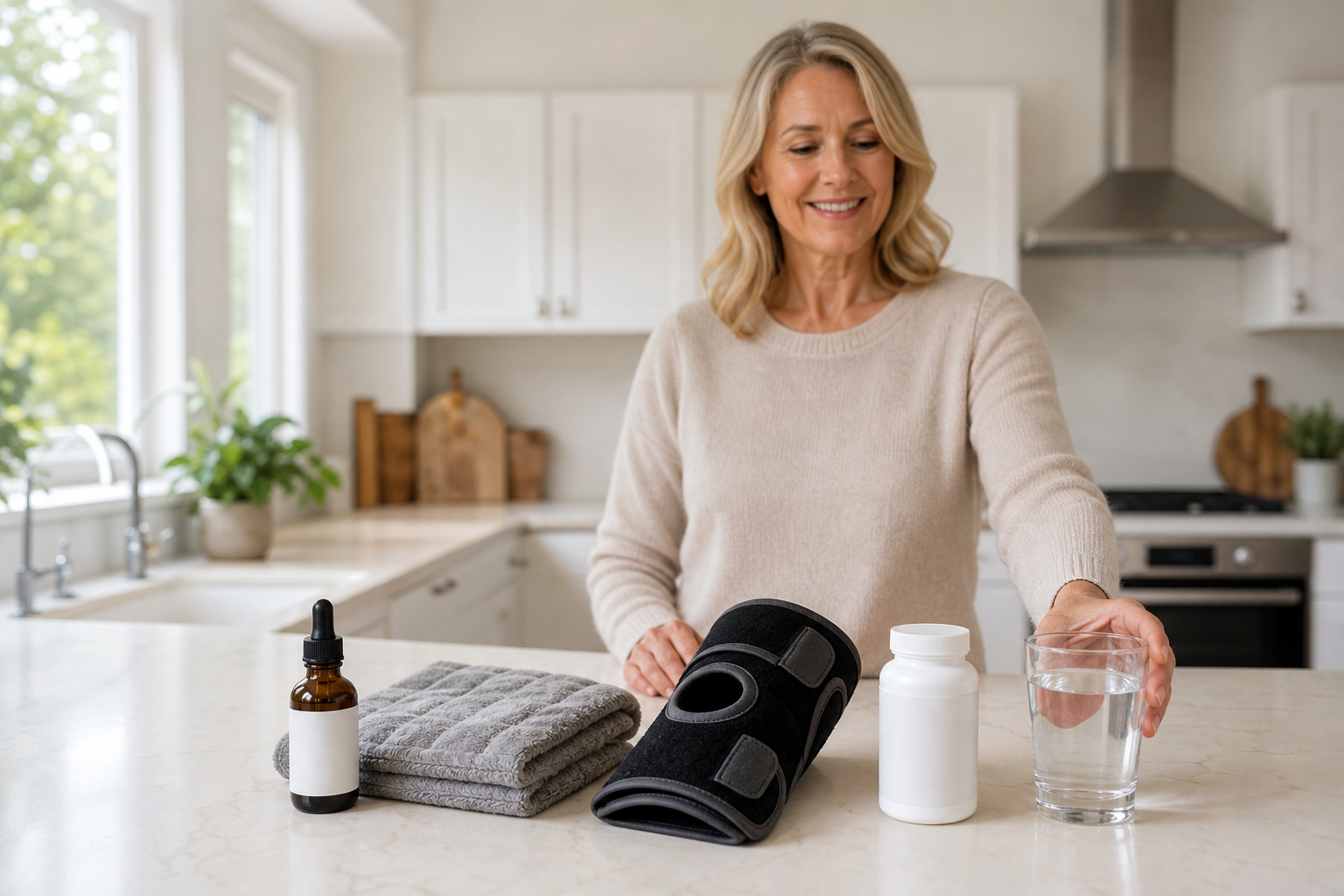
So — Is CBD Oil Worth Trying for Joint Pain and Inflammation?
I wish I could give you a black-and-white answer. Here’s where I land: for many, CBD oil (especially when you’re careful about sourcing and dosing) is a safe, low-risk experiment for mild-to-moderate joint pain and inflammation. Don’t expect miracles. But if you’re frustrated with your current regimen — or you’re seeking a holistic option to add to your toolkit — CBD might be worth a shot.
Do I use it myself? I have — after a low back tweak a couple years ago, I took a 15mg CBD capsule at night for a short stint. Did it “cure” my pain? Nope. But it took the edge off that stubborn, gnawing ache and helped me sleep. As for my mother-in-law, she’s a topical CBD convert for her hands — especially before gardening.
But — and I really mean this — don’t neglect the basics: keep moving, get enough sleep, use mechanical supports as needed, and stay in regular touch with your healthcare team. If you do decide to try CBD oil, track your symptoms for a few weeks, and be honest with yourself about what’s helping and what’s not.
Fresh Takeaways — and What I Tell My Own Patients
- CBD oil is not a silver bullet, but it’s a reasonable “add-on” for some people struggling with daily joint pain.
- Choose carefully: Demand third-party testing, clear labeling, and realistic claims.
- Pair it with evidence-based basics, like movement, heat, and (if needed) compression or smart supplementation.
- Start low, go slow, and check with your doctor to avoid drug interactions.
- Patience is key: It can take a week or two to notice subtle benefits — or to realize it’s not your solution.
Look, I know the world of joint pain relief can feel like a maze of empty promises. But there’s nothing wrong with cautiously experimenting, as long as you’re informed, open with your provider, and realistic about results. I’ll keep watching the research — and sharing updates as the science gets clearer.
Wishing you less pain, more movement, and a sense of optimism — wherever your joint health journey takes you.
Dr. Sarah Mitchell, DPT, is a licensed physical therapist with 12+ years of experience treating osteoarthritis and chronic joint pain. She’s the Senior Health Editor at JointReliefReviews.com.