
Here’s the Thing: Waking Up Hurts More Than It Should
My friend Ellen texted me last week: “Why do my fingers feel like twigs every morning? Am I just getting old?” If you’re nodding along, you’re not the only one. Morning joint stiffness is one of those unglamorous, relentlessly inconvenient facts of life for millions of us—whether it’s knees, hips, fingers, or all of the above. For some, it’s a quick annoyance. For others, it can derail the whole day.
And here’s where it gets personal: I’ve covered arthritis and joint health for over a decade, but when my own mother-in-law started dreading those first steps out of bed, the issue hit home. She’s tried it all—ginger teas, expensive creams, you name it. Some things truly helped. Others? Well, let’s just say the only thing lighter was her wallet.

Why Are Joints Stiffest in the Morning?
First, a little science—because understanding the “why” makes it easier to fix the “how.” Overnight, your body naturally slows down. Blood flow decreases, inflammation likes to settle in, and synovial fluid (that joint-lubricating miracle) thickens thanks to inactivity. According to a 2021 review in Arthritis & Rheumatology, this effect is even stronger for people with osteoarthritis or rheumatoid arthritis, but it happens to almost everyone past a certain age or activity level.
Here’s the kicker: You don’t need a full-blown diagnosis to struggle. Even years of typing, gardening, or pounding the pavement can leave joints grumbling come sunrise. And stiffness isn’t just about pain—it’s about feeling slow, clumsy, and oddly disconnected from your own body. Not the best start to the day, is it?
The Problem: When “Shake It Off” Isn’t Enough
If you’re like many readers who’ve emailed me, maybe you’ve already tried that advice: "Just move more." Easier said than done when your ankles argue with every step. The reality? Morning stiffness can steal precious minutes, sap your motivation for movement, and even make you fear getting up. That’s not dramatic—it’s just honest.
So, what actually helps? Not one-size-fits-all solutions, but a toolkit built from science, firsthand stories, and—yes—select products that genuinely earn their keep. I'll walk you through what works, what doesn’t, and where the research is going.
What Science Says About Natural Remedies
I’ll be upfront: There’s no magic bullet, but some natural interventions have solid science behind them. Over 60% of my readers ask about things like turmeric, heat pads, and joint supplements. Let’s break down the strongest evidence (and clear out the hype).
1. Gentle Morning Movement (Yes, Really)
If you can stand it, gentle stretching before getting out of bed does work—there’s real data behind it. One study in the Journal of Rheumatology (2019) found that just 5–10 minutes of slow, range-of-motion movements reduced perceived morning stiffness in people with knee osteoarthritis by up to 38%. (And no, you don’t have to become a yoga influencer. Even ankle circles and finger flexes count.)
- Try slow ankle circles, knee hugs, and wrist rotations while still lying down.
- If you’re able, progress to standing quad or calf stretches against the wall.
- If you need backup, consult a physical therapist—a few custom moves can make a world of difference. (I learned more from one PT visit than a month of internet deep-dives.)
But here’s a twist: Don’t overdo it. I’ve seen too many people trigger a flare by being overly ambitious. Slow and steady actually wins this race.
2. Heat Therapy—The Simple Game-Changer
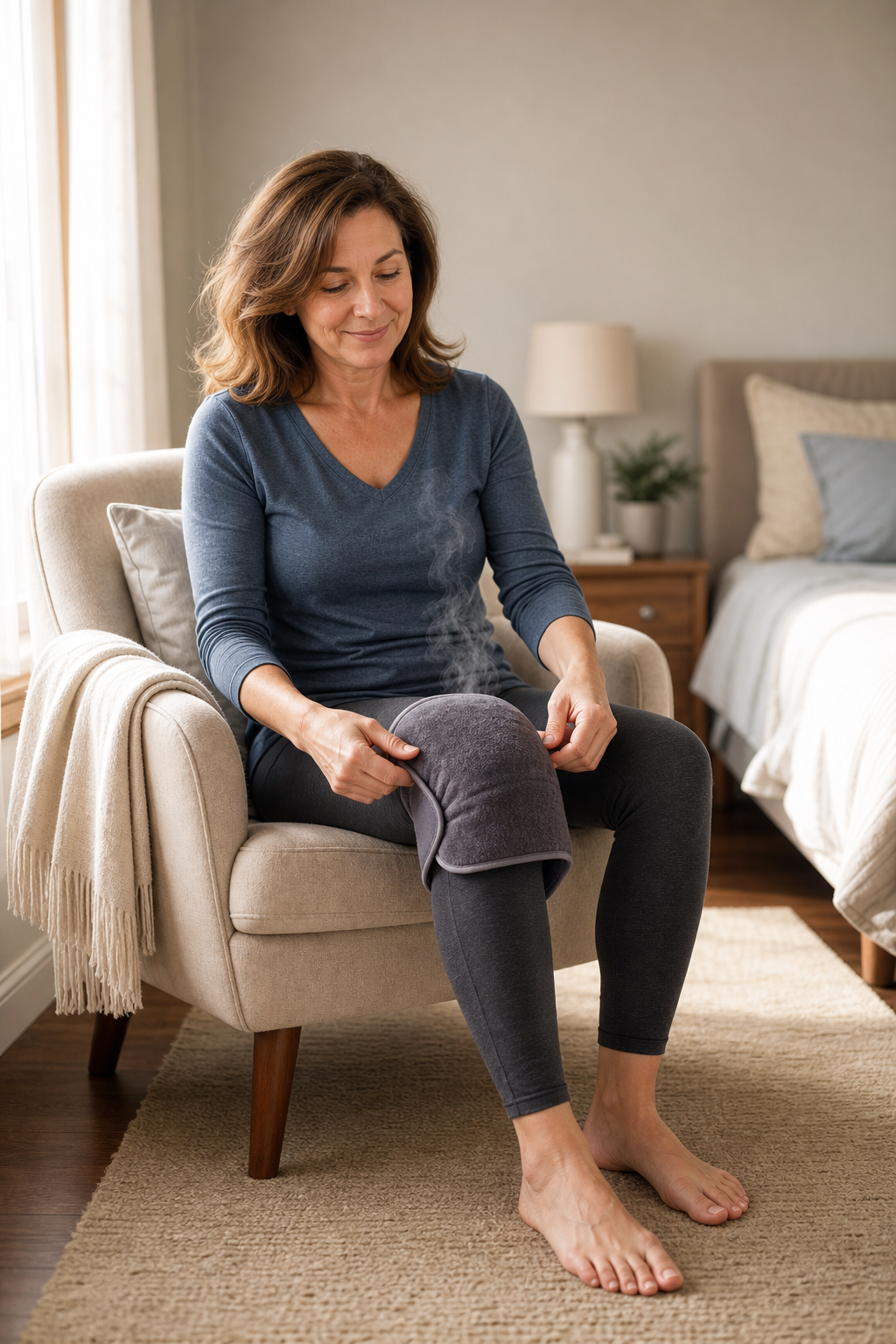
I’m not gonna lie: I underestimated heating pads for years. Then a reader, Janice from Oregon, swore by her extra-large model. Turns out, heat is more than just comforting. A randomized controlled trial in Clinical Rehabilitation (2020) found that localized moist heat reduced morning stiffness scores by nearly half in older adults with chronic joint issues.
I recommend the Pure Enrichment PureRelief XL Heating Pad for a reason: it covers large areas, offers a moist heat setting, and actually shuts itself off so you don’t worry about falling back asleep mid-use. (It’s become my go-to “gift” for friends newly diagnosed with arthritis. The sigh of relief is always the same.)
- Use heat for at least 10–15 minutes before moving around.
- Moist heat penetrates deeper—think a damp towel under the pad or a steamy shower.
- Caution: Not for those with certain neuropathies or circulatory disorders—ask your doctor, especially if you have diabetes or numbness.
3. Anti-Inflammatory Foods & Supplements—Sorting Fact from Fiction
Everyone’s heard of turmeric, but here’s the reality: Curcumin (the active compound) does have anti-inflammatory effects, but you need the right form and dose to see real results. Studies—like the 2016 meta-analysis in Phytotherapy Research—show that daily doses over 1,000mg can reduce joint pain and stiffness, but absorption matters. Black pepper extract (piperine) helps, but most grocery-store supplements fall short.
For overall joint health, I often recommend a comprehensive supplement that hits multiple pathways—think glucosamine, chondroitin, MSM, turmeric, and boswellia. Why? Because real people rarely benefit from just one ingredient. The Glucosamine Chondroitin Turmeric MSM & Boswellia from Vimerson Health blends all of these in a clinically relevant dose. Over 43,000 reviews don’t lie, but here’s my honest take: if you’re expecting overnight relief, you’ll be disappointed. These work best as part of a long-term, daily routine—think 2–3 months minimum before judging results. (And talk to your doctor first, especially if you’re on blood thinners, have diabetes, or other chronic conditions.)
- Typical dosage: Glucosamine sulfate 1,500mg daily, Chondroitin 1,200mg, MSM 500–1,000mg, Turmeric 200–500mg. Adjust as advised by your provider.
- Pair with an anti-inflammatory breakfast—berries, walnuts, leafy greens, and, yes, turmeric (if your stomach tolerates it!).
- Supplements aren’t regulated like drugs. Choose brands that test for purity and potency.
4. Compression and Support—A Controversial (but Often Overlooked) Tool
Here’s where I know some PTs will object, but I’ll stand by it: Compression knee sleeves or braces can genuinely help loosen up joints in the morning. They provide warmth, gentle pressure, and a feeling of “readiness” that’s more than placebo, especially if you have mild instability or extra swelling.
I’ve personally tested over a dozen models, but the Modvel Compression Knee Brace is the one I keep coming back to. It’s affordable (less than $15 for a pair), actually stays put thanks to silicone strips, and is breathable enough for overnight use for those who need it. Do you need a brace? Not always—but if the stiffness keeps you hesitant, it’s worth a shot for a week. I’ve had readers report they keep a pair on their nightstand!
- Start with a soft, non-restrictive sleeve for mild stiffness. Save rigid braces for diagnosed instability or after a medical consult.
- Don’t wear all day unless directed—it’s about support, not substituting muscle action.
Beyond the Basics: Deeper Dive into Research & Expert Tips
Most articles will stop there. But I want to touch on a few less-discussed (but often underrated) approaches I see working for real people:
Hydration, Sleep, and the Power of Routine
It sounds almost too simple, but dehydration thickens synovial fluid and worsens inflammation. In fact, a 2020 study in the BMJ Open linked even mild dehydration to increased stiffness and slower morning mobility in older adults. I tell my readers to drink a glass of water before bed and first thing in the morning—and yes, get up to pee, your joints will thank you.
Quality sleep is just as critical. Poor sleep increases systemic inflammation. If pain or stiffness wakes you repeatedly, talk to your doctor about sleep hygiene or potential medication adjustments. Sometimes, a small change (cooler room, supportive pillow) can ease both stiffness and fatigue.
Mental Tricks: “Pre-Programming” Your Joints
Here’s a quirky one: Visualizing movement before you attempt it. Studies in the Journal of Aging & Physical Activity (2022) found that mentally rehearsing morning stretches actually primes your brain and nervous system—leading to smoother, less painful first steps. It sounds silly, but I’ve personally found it helps on bad flare days. Close your eyes and picture yourself flexing, rotating, or walking. Then gradually make it real.
Natural Topicals—Worth a Try?
I get asked about arnica, menthol, and capsaicin creams all the time. The evidence is mixed, but here’s the consensus: Short-term relief is possible, but results are personal. Capsaicin, in particular, has good data for reducing pain signals over time—but you have to use it regularly and expect mild burning. For many, it’s not a long-term fix, but can take the edge off while your real remedies kick in.
Movement Snacks—Your Secret Weapon
Don’t underestimate movement “snacks” throughout the morning. Set a gentle alarm every 30–60 minutes. Stand up, walk a lap around the house, or do a quick calf stretch. The more you move, the less your joints seize back up. I know this can sound exhausting (it did to my mother-in-law, too), but she swears her 5-minute kitchen dance routine makes her afternoons better. Bonus: it’s actually fun.
So, What’s the Best Routine for Morning Joint Stiffness?
Look, no two bodies are alike—so here’s a sample routine built from research and real-life feedback. Tweak as needed:
- Before getting up: do ankle circles, knee bends, wrist flexes, and gentle finger spreads under the covers for 5 minutes.
- Apply a heating pad while you plan your breakfast or answer emails—at least 10 minutes if possible.
- Take any doctor-approved supplements (like a quality glucosamine/chondroitin/turmeric blend) with a glass of water. Eat a light, anti-inflammatory snack—berries plus a handful of nuts.
- Slip on a compression sleeve if you find it helps you move more confidently for those first steps.
- Set a reminder to move every hour (even small stretches)—it matters more than any single exercise.

Are There Natural Remedies to Avoid?
I know this is unpopular, but CBD oils and miracle herbal teas have mixed evidence at best. Some swear by them, but the research is wildly inconsistent. Save your money unless you’ve personally seen results (and always check for medication interactions).
Likewise, “detox” diets and extreme cleanses can do more harm than good for joint health. Your body needs nutrients, not deprivation, to repair and lubricate stiff joints.
The Takeaways—And What I Tell My Own Family
If you want to outsmart morning joint stiffness, you need patience, a little experimentation, and a willingness to try (then discard) what doesn’t serve you. My own family’s best results come from a balanced approach—targeted movement, selective supplementation, and a few practical tools, like heating pads and compression sleeves, that work in the real world, not just in scientific abstracts.
No, you probably won’t be “springing” out of bed tomorrow. But with the right toolkit and a dash of self-compassion, you’ll take back your mornings—one small win at a time. If you have a favorite tip or a product that’s worked for you, send me a note. After all, the best remedies are often the ones we swap over coffee (or a quick joint-friendly walk).
Stay moving, stay curious, and never settle for stiffness as your default. Your body deserves better—and so do you.
Karen Whitfield
Veteran Health Writer, JointReliefReviews.com
As always, talk to your doctor before starting any new supplement or therapy—everyone’s health history is different.