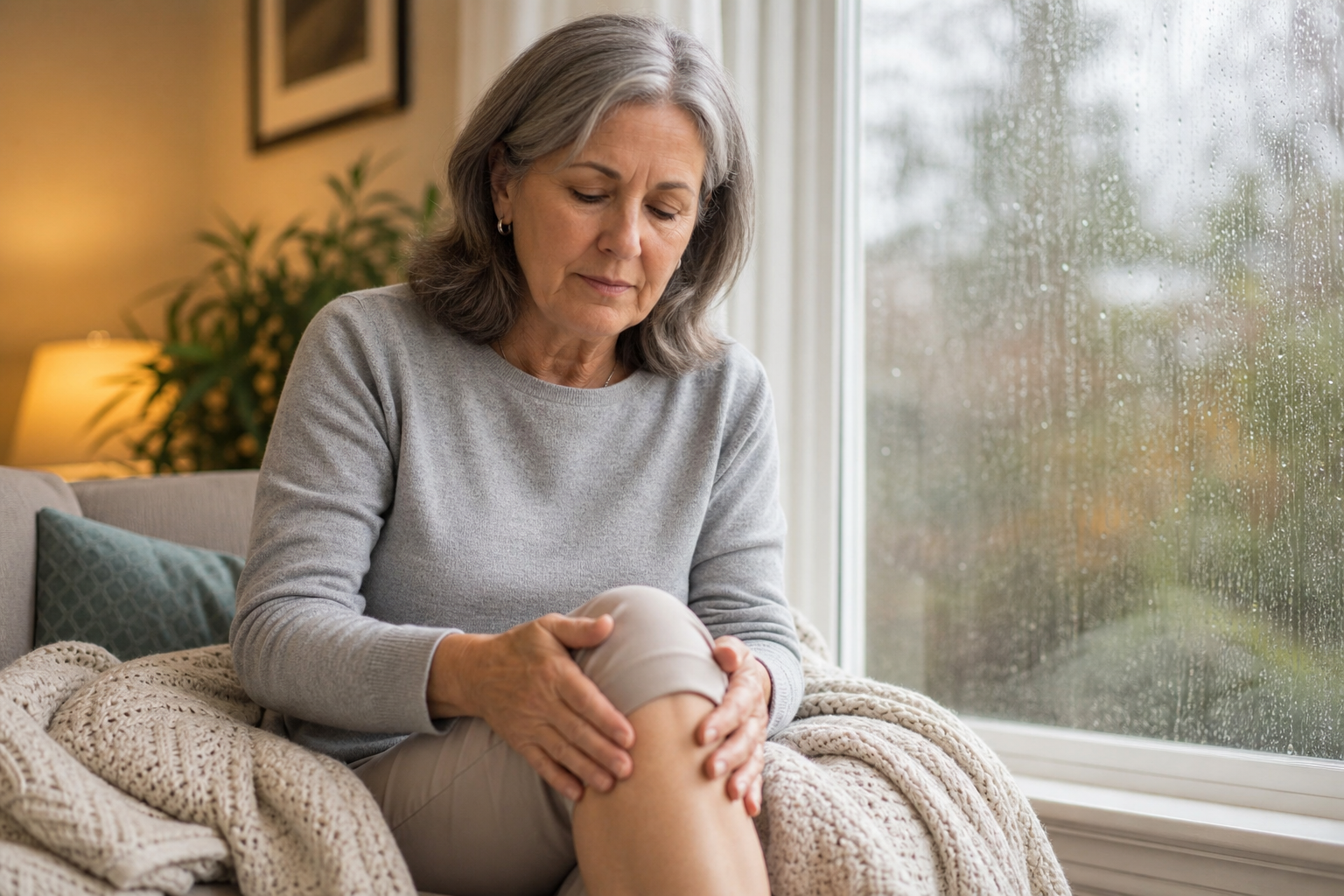
The Weather and Joint Pain Connection Explained: Fact, Fiction, and What Actually Helps
I’ll never forget the day my inbox flooded with questions after a cold front swept through Chicago. Knee pain, hip pain—folks swore they could predict rain with their joints better than any meteorologist. And I get it. I grew up with a grandmother who could always “feel a storm coming” in her knuckles. Here’s the thing: for a long time, doctors waved this off as old wives’ tales. But is there more to it? Let’s unpack the fascinating, sometimes maddening, relationship between weather and joint pain.

So—Is There a Real Link, or Is It All in Our Heads?
If you’re nodding along, you’re not alone. The idea that weather affects joint pain has been around for centuries. Arthritis sufferers, in particular, report more aches before storms, on damp days, or when the temperature suddenly drops. For years, scientists were skeptical—chalked it up to confirmation bias. But now, the tide is shifting.
In 2019, the BMJ published a study involving over 13,000 people in the UK with chronic pain. Their findings? On days with higher humidity and lower pressure, participants were indeed more likely to report increased pain. This wasn’t a tiny difference either—there was a 20% spike in reported pain during especially damp spells. That’s not something you can just shrug off as coincidence.
But biology isn’t as simple as “rain = pain.” There’s more nuance, and—just to make it fun—plenty of controversy, too.
What’s Actually Happening in Your Joints?
Let’s break down the main theories, in plain English:
- Barometric Pressure Drops: When a storm’s on the horizon, the air pressure around us falls. Joints with osteoarthritis or past injuries already have a little inflammation and swelling inside. Lower pressure lets those tissues expand even more, which can stretch sensitive nerves—cue the ache.
- Cold and Stiffness: Cold weather tends to stiffen up soft tissues and reduce circulation. This can make joints feel creaky and even restrict range of motion. One of my clients, Janice, says her hands “lock up like the Tin Man” after a frosty morning dog walk.
- Humidity and Swelling: High humidity is linked with more swelling and discomfort, likely because moisture in the air helps tissues retain fluid. A 2014 study in Arthritis & Rheumatology found that wet, muggy days increased pain for many people with knee osteoarthritis.
And then there’s the mind-body angle: dreary weather puts even the most optimistic folks in a funk, which can amplify our perception of pain. I know—no one likes to admit it, but mood matters.
The Research: Sorting Fact from Fiction
Look, I know most articles cherry-pick the studies that fit their story. I’ve read dozens—some are wishy-washy, others show pretty clear links. Here’s where it gets interesting:
- 2017, Journal of Rheumatology: Found that 67% of rheumatoid arthritis patients reported more pain with weather changes, especially damp and cold spells. But researchers struggled to link symptoms to any one weather factor.
- 2022, Arthritis Care & Research: Used smartphone pain diaries in over 2,500 knee OA patients. Weather actually explained only about 5% of day-to-day pain variation—but people’s expectations amplified real discomfort.
- 2016, Pain: Investigated pain flares in fibromyalgia. Drops in barometric pressure triggered more severe pain in a subset of patients but not all. Individual sensitivity was key.
Bottom line? The connection is real, but not universal. Some folks are weather-sensitive, some aren’t, and some “feel” weather more because their joints are already inflamed. Genetics, previous injuries, mood—all play a role.
Talk to your doctor if new joint pain appears suddenly, especially if it’s severe or accompanied by swelling, redness, or fever. Don’t just blame the weather and brush it off.
Why Some Joints Suffer More Than Others
If you’ve got arthritis in your knees or hips, you might notice it first. Large, weight-bearing joints are especially vulnerable because:
- They tend to be more inflamed if you’re carrying extra weight (guilty as charged after my pandemic poundage… working on it!).
- Old injuries from sports, accidents, or repetitive work can create micro-damage that acts up with pressure or cold changes.
- Synovial fluid inside the joint reacts to temperature and pressure—this is your body’s natural shock absorber, but it’s not perfect.
Hands, wrists, and even the spine can also be “storm predictors”—especially if you have rheumatoid arthritis. Ankles and feet are other common culprits; I had a retired runner email me last winter saying his left ankle could predict snow three days out. (He was right, by the way.)
So, What Actually Helps? Practical Relief for Weather-Induced Joint Pain
Here’s where my years as a strength and conditioning specialist (and family joint-pain guinea pig) come in. You don’t have to just grit your teeth. These are the strategies I recommend most, both in the clinic and at home:
- Keep Moving—Gently: I know, exercise is the last thing you want when you’re sore. But gentle movement—walking, easy stretching, or cycling—lubricates joints and keeps them from stiffening up. I’ve seen folks make huge progress with just 10-15 minutes a day.
- Warmth Is Your Friend: A hot shower in the morning is a classic for a reason. For targeted heat, I’m a big fan of the Pure Enrichment PureRelief XL Heating Pad. The extra-large size means you can cover your whole knee, hip, or lower back—and the moist heat setting is a game-changer for deep, persistent aches. It’s also safer than trying to juggle a microwaveable pack while you answer the door. (Not that I’ve ever scorched my own thigh…)
- Compression and Support: On bad weather days, a little extra support can make a huge difference. The Modvel Compression Knee Brace is a budget-friendly favorite—over 75,000 reviews for a reason. The anti-slip design means you’re not tugging it back up your leg all day. Just don’t wear these overnight or so tight you cut off circulation; that’s a rookie mistake I see all the time.
- Daily Joint Care: If you’re looking for supplements, glucosamine and chondroitin are the old standbys. The data is mixed—some studies show real benefit for knee osteoarthritis, others less so. If you give it a shot, go for 1,500mg glucosamine sulfate per day (talk to your doctor first, especially if you’re on blood thinners or have diabetes). I’m genuinely picky about brands, so stick with ones that are USP-verified.
- Topical Relief: Over-the-counter gels like Voltaren (diclofenac sodium) are FDA-approved for arthritis pain and actually have solid data behind them. Most of my clients prefer it to oral NSAIDs because it doesn’t mess with your stomach.
- Stay Dry, Layer Up: Wet, cold joints just hurt more. Waterproof your shoes, invest in thermal gloves, and keep a stash of dry socks. I know this sounds basic… but you’d be shocked how often it helps.
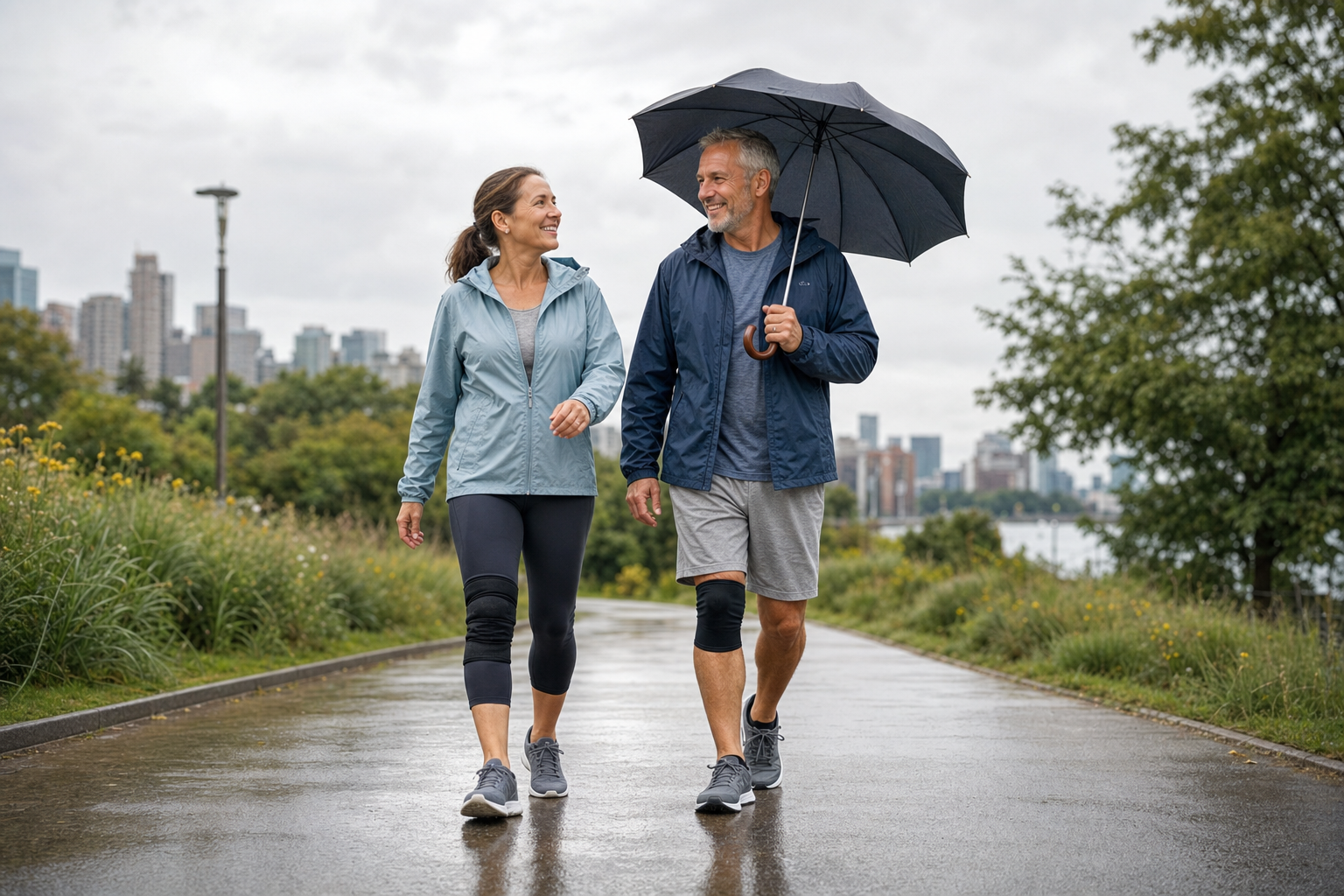
Mindset Matters: Don’t Let Weather Steal Your Joy
Here’s the real kicker—people who believe weather will ruin their day tend to have worse pain. That’s not psychological mumbo-jumbo, it’s been shown in multiple studies (including a 2019 Pain journal article). Our brains are wired to expect discomfort, and, well, they deliver.
I’m not saying you can think your way out of arthritis. But a little planning goes a long way: have your heat pad and compression sleeve ready, schedule movement breaks, and don’t be too hard on yourself if you need to scale back activities temporarily.
I remember when my mother-in-law, Pat, finally stopped toughing it out and started using a knee sleeve on rainy days. She called it “my little insurance policy”—and not gonna lie, it changed her mood along with her mobility.
Comparing Common Approaches: What’s Worth Your Time?
People try everything from bone broth to copper bracelets. Some help, some are just expensive placebos. Here’s a quick rundown from my experience and the research:
- Compression Sleeves/Braces: Good evidence for reducing swelling and discomfort, especially for knees. Look for a snug (but not tourniquet-tight) fit. The Modvel Compression Knee Brace is affordable and sold as a pair.
- Heating Pads: Especially valuable in cold or damp weather. The Pure Enrichment PureRelief XL Heating Pad stands out for its coverage and moist heat option. Just be sure to set a timer to avoid falling asleep on it—auto shut-off is a must.
- Supplements: As covered above, glucosamine/chondroitin may help, but the effects can be modest. Consistency and quality matter more than fancy packaging. And always run it by your healthcare provider first.
- Movement Programs: Structured exercise routines work wonders over months. I often point people to simple, evidence-based guides—Treat Your Own Knees by Jim Johnson is the resource I hand out most at workshops. Clear drawings, practical plans, no hype.
- Topicals & NSAIDs: Short-term relief, but don’t rely on them daily unless your doctor is on board.
- Alternative Therapies: Acupuncture, massage, and even meditation get mixed reviews. Some folks swear by them—if you find something that helps (and doesn’t empty your wallet), go for it.
Where Science Leaves Off (and Experience Kicks In)
Here’s what most articles won’t tell you: Even the best science can’t predict your unique pattern. Some of my patients feel fine in a rainstorm but ache when it’s dry and windy. Others only react to the big pressure swings before a snow dump. Pay attention to your own “forecast”—when you know your personal triggers, you can get ahead of the pain cycle.
Keep a brief joint pain/weather diary for a month. You might spot a pattern. If not, you haven’t wasted anything but a few minutes each evening. And if you discover, say, that Mondays after a wet weekend are always rough, you can plan accordingly (hello, heating pad and compression brace in the morning).
Remember, chronic pain isn’t a character flaw or a sign you’re getting old. It’s biology—period. You deserve support, relief, and a good quality of life, no matter what the weather gods are up to.
Practical Takeaways: What You Can Do, Starting Now
- Layer up and keep joints warm/dry on damp, cold days.
- Invest in a quality heating pad and a reliable compression sleeve—small outlays, big comfort boost.
- Keep moving, even on achey days. Gentle activity beats stiffening up.
- Track your own weather-pain cycles for smarter self-care.
- If you try supplements or topicals, stick with trusted brands and check with your healthcare provider first.
- Don’t tough it out alone—if pain is getting in the way of life, reach out to your doctor or a physical therapist. Fresh eyes help.

Final Thoughts (and a Nudge of Encouragement)
I’ll be honest—I was a skeptic about the whole weather-pain connection for years. But stories from my clients and family, plus some solid studies, convinced me otherwise. Whether you’re a “human barometer” or just frustrated by the occasional ache, there are ways to stay ahead of the weather curve. Use the tools that work for you—maybe a PureRelief XL Heating Pad, a Modvel Compression Knee Brace, or just an old-fashioned logbook and a listening ear.
Don’t let the forecast dictate your life. With a little planning and the right support, you can take charge—rain, snow, or shine.
Have questions about your joint pain or want to share your “storm predictor” story? I read every email—drop me a line anytime.
— James Chen, MS, CSCS
JointReliefReviews.com Columnist