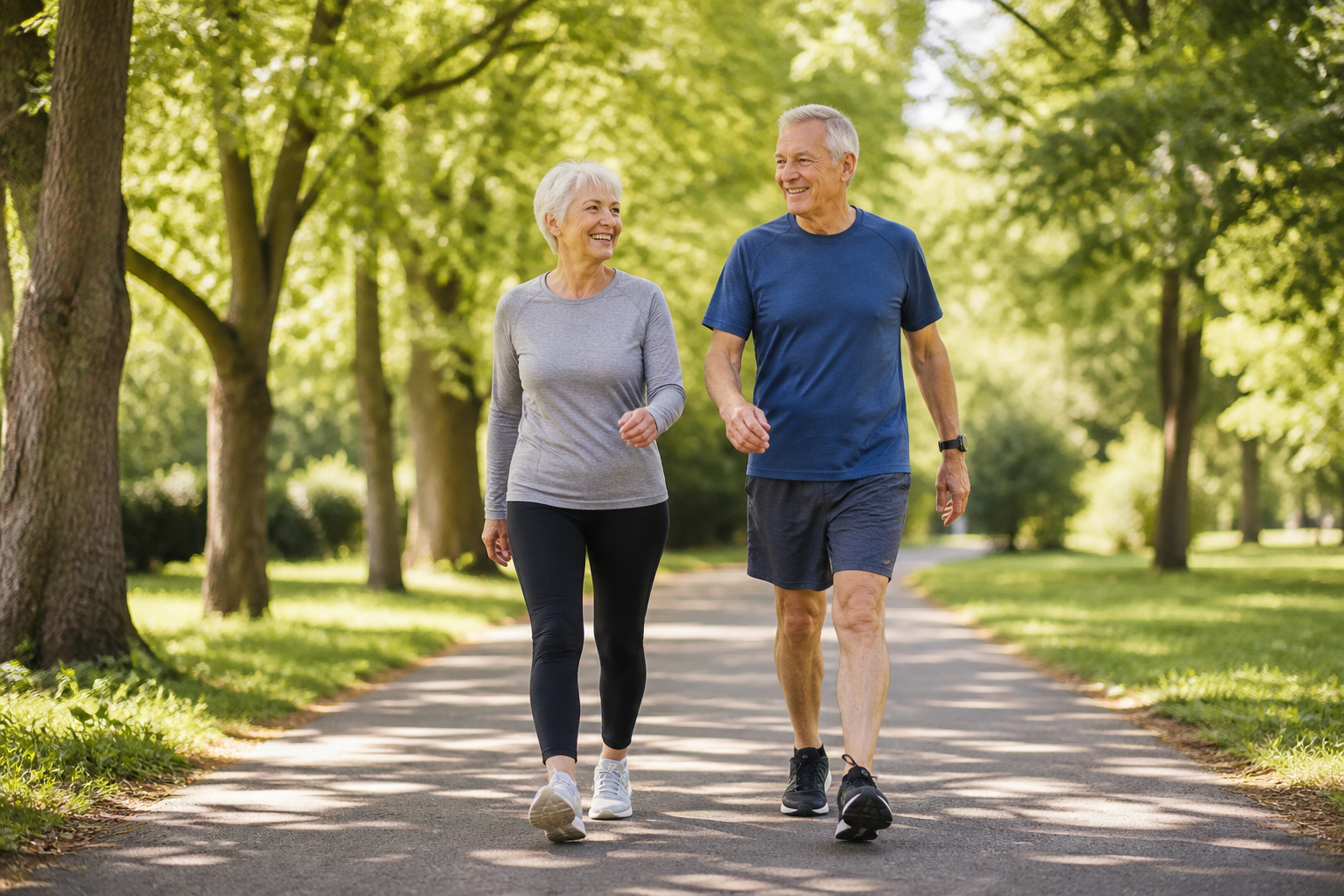
The Overlooked Secret: Why Walking is a Game-Changer for Joint Health After 50
I’ll never forget Bob—a retired firefighter with knees that cracked louder than popcorn at a matinee. He told me, “Sarah, just grocery shopping is an Olympic event.” But six months later, he was hiking local trails with his grandkids. What changed? A simple, structured walking program. Not magic—just movement, done consistently and safely.
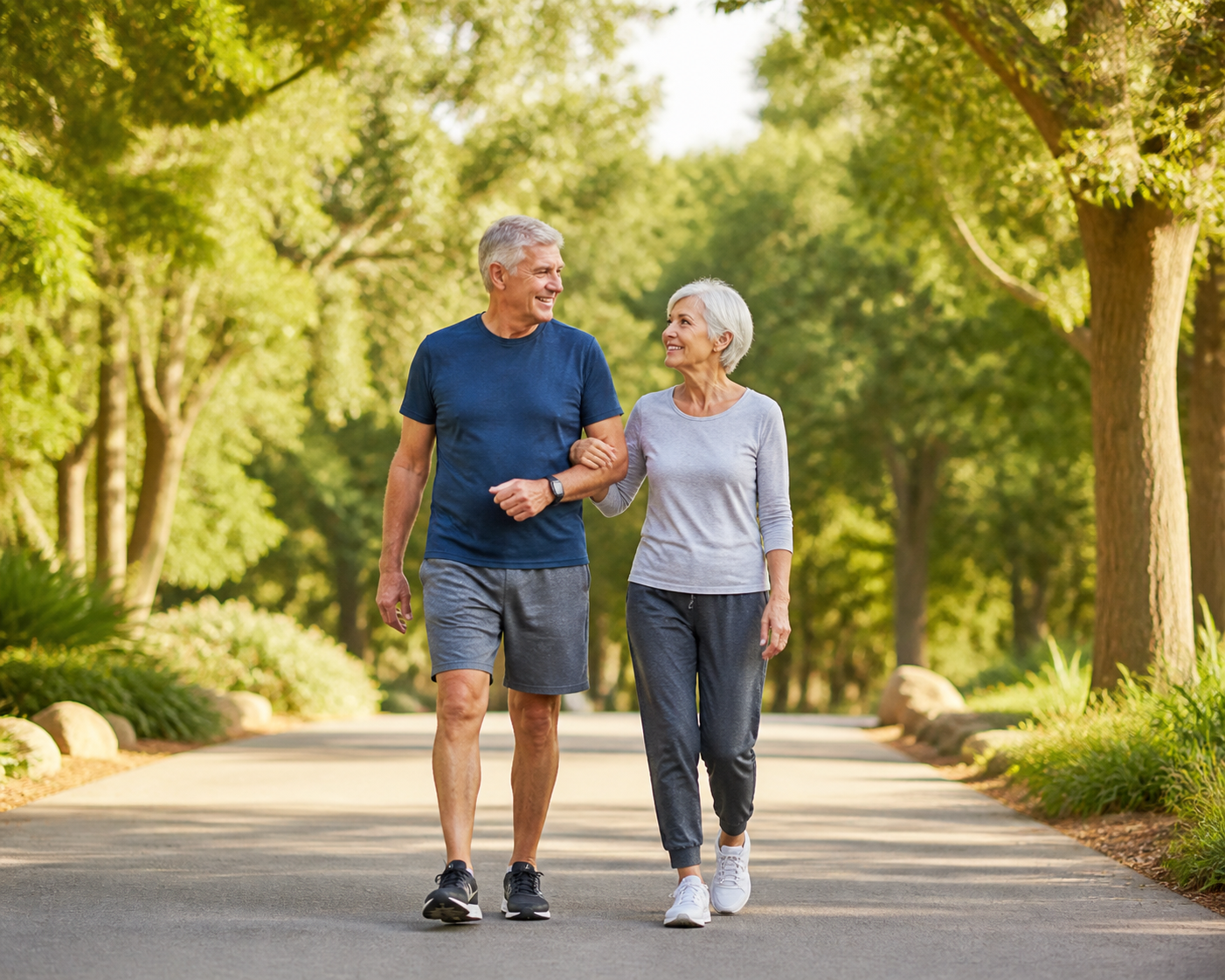
The Real Problem: Getting Moving When Every Step Hurts
If you wince when you stand up or have to think twice before tackling stairs, boy, do I hear you. Most of my patients over 50 have a complicated relationship with walking. They know it’s important, but the laundry list of aches and pains—the knees, the hips, sometimes even the feet—makes them hesitant, even scared.
The irony? Avoiding movement almost always makes things worse. Joints crave gentle activity. They’re like squeaky hinges: the more you freeze up, the stiffer and more inflamed everything gets. But how do you start when your joints feel about as flexible as old garden hoses?
Walking and Joint Health: Here’s What the Science Says
Look, I get skeptical too—especially about anything that sounds too good to be true. But the research on walking and joint health is robust. A 2022 study in Arthritis & Rheumatology followed over 1200 adults with knee osteoarthritis. Those who walked at least 10 minutes a day, 5 days a week, reported less pain and better function after 12 months. Ten minutes! Not a marathon.
But here’s where it gets interesting: walking isn’t just about lubrication or "keeping things loose." Regular, moderate walking appears to reduce inflammatory markers in the blood. One 2019 BMJ meta-analysis showed people over 50 with mild to moderate osteoarthritis cut their pain scores by roughly 25% after starting a structured walking program.
And—this is crucial—the benefits go beyond the knees. Hips, ankles, even the low back can improve thanks to increased circulation, muscle strength, and subtle boosts in cartilage metabolism (the science isn’t crystal clear here, but my patients often tell me their "whole body" feels freer).
What Actually Happens When You Walk?
- Joint lubrication: Movement pumps synovial fluid through your joints, reducing friction.
- Cartilage nourishment: Walking delivers oxygen and nutrients—cartilage has no direct blood supply, so this is huge.
- Stronger muscles: Every step activates stabilizing muscles around the hips, knees, and ankles. Stronger support = less joint stress.
- Reduced inflammation: Gentle activity can dampen those pesky inflammatory signals.
- Mood lift: Not to sound like your yoga teacher, but endorphins are real. A brighter mood actually helps you perceive less pain.
So if you’re nodding along, you’re not alone. Most people over 50 haven’t been told that walking—done right—can be as powerful as many prescriptions. No, it’s not a cure, but it’s a real intervention.
How to Build a Walking Program for Joint Health Over 50 (Without Flaring Up)
Here’s the thing: the biggest mistake I see is people doing too much too soon. You want to be the hero, only to wind up on the couch, ice pack in hand, feeling defeated. Start where you are, not where you think you "should" be.
Step-by-Step: My Go-To Program Framework
- Start Small: 5-10 minutes, 3-5 days a week. Yes, that little. Build the habit first.
- Monitor Pain: Use the “2-hour rule.” If your joints hurt more than mild soreness 2 hours post-walk, scale back.
- Ramp Up Gradually: Add 2-3 minutes per week. Honestly, slower progress = longer-term success.
- Surfaces Matter: If you can, start on flat, forgiving terrain—think parks or cushioned tracks, not concrete sidewalks.
- Support Matters: Good shoes are non-negotiable. And for those with knee issues, a compression knee brace can be a game-changer. Many of my patients swear by the Modvel Compression Knee Brace—it’s affordable, stays put (thanks to silicone strips), and comes in a pair. I know this is a product mention, but honestly, some patients wouldn’t make it around the block without this kind of support.
- Mix It Up: Alternate easy days with slightly longer walks. Variety keeps things interesting and prevents overuse.
Always, always check with your doctor or physical therapist before ramping up if you have a complex history—especially prior knee or hip surgeries, or if you’re on meds that can affect your balance or muscle strength.

Common Roadblocks (And How Real People Overcome Them)
Maybe you’re thinking, “Sarah, I’d love to walk, but my knees swell up like balloons.” Or, "What if I get halfway down the block and can’t make it back?" I hear variations on these worries every single week.
Swelling, Stiffness, and Soreness
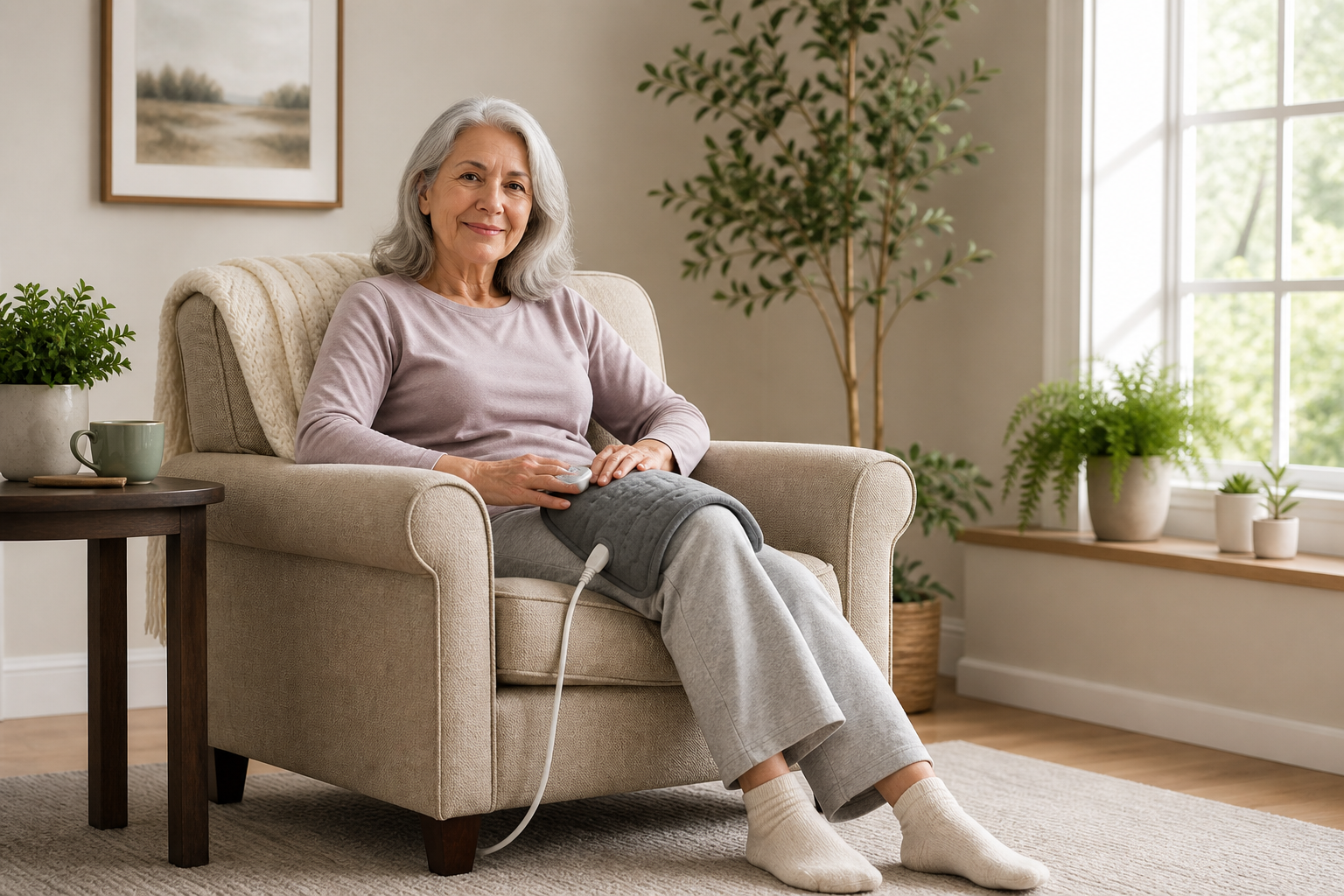
The big three. If you tend to swell, try gentle range of motion before walking (heel slides, ankle circles, a little quad activation). Post-walk, I often recommend 15-20 minutes with a heating pad—something like the Pure Enrichment PureRelief XL Heating Pad—especially if you’re prone to morning stiffness or low back twinges. I prefer this pad because the XL size covers knees, hips, or even your lower back at once. You want a tool that makes recovery easy, not a science project.
Motivation (or Lack Thereof)
Don’t underestimate the power of tracking. Whether it’s a simple notebook or a fitness tracker, jotting down your daily walk (just minutes, not miles) can be surprisingly motivating. I had one client tape a calendar to her fridge—she called it her "mobility streak." After 30 days, she was moving more and hurting less. The real kicker? She stuck with it, all because she could see her progress.
Joint Supplements: Can They Boost Your Walking Program?
This comes up every time I give a workshop: "Should I be taking something for my joints?" Full honesty: not all supplements are created equal. But if you’re over 50 and starting a walking routine, a solid joint formula can sometimes nudge your comfort level, especially if you have mild osteoarthritis or those "morning creaks." My mother-in-law swears by the Glucosamine Chondroitin Turmeric MSM & Boswellia (Vimerson Health). It combines five of the most-studied joint ingredients—glucosamine, chondroitin, MSM, turmeric, and boswellia. Many studies (like the 2016 Journal of Rheumatology review) suggest 1500mg glucosamine sulfate and 1200mg chondroitin daily can reduce pain and improve mobility for some adults over 50, especially when paired with gentle exercise.
But—and this matters—don’t expect miracles. Supplements support a walking program; they don’t replace it. Always talk to your doctor or pharmacist before adding anything new, especially if you’re on blood thinners (turmeric and boswellia can interact) or have shellfish allergies (common in glucosamine products).
Fine-Tuning Your Walking Program: Real-Life Tweaks for Real Bodies
No two knees (or hips) are the same. What works for your sister, neighbor, or that hyper-fit guy power-walking at the park might be very wrong for you. Here’s what to experiment with:
- Pacing: Try walk-rest intervals. Five minutes on, two minutes off. Sometimes, breaking it up is less daunting.
- Time of Day: Stiff in the mornings? Walk after lunch, when your joints are warmer. Test what feels best.
- Social Support: Walking with a friend (or dog, or audio book) keeps boredom and anxiety at bay.
- Posture: Head up, shoulders relaxed, gentle arm swing. Slouching loads your joints—imagine a string lifting your chest.
- Gear: Besides braces or shoes, layer up if you’re walking outdoors. Joints hate sudden cold.
And don’t ignore warning flags: sharp, persistent pain; swelling that doesn’t go down with ice and a rest day; joint “locking” or giving way. Those are cues to pause and check in with your health provider.
Beyond Walking: Building a Holistic Joint-Health Routine
Walking helps—tremendously—but I’d be remiss if I didn’t mention the role of strength and flexibility. Even a weekly session with light weights, yoga, or simple bodyweight exercises can amplify your progress. Gentle strength work (think sit-to-stand squats, calf raises, mini-lunges) supports aching joints by improving overall limb control.
And don’t forget about weight management. Every extra pound adds roughly 4 pounds of pressure to your knees with each step, according to the Arthritis Foundation. No need to fixate on a diet—just pairing walking with smarter food choices can snowball into serious relief over time.
The Hidden Perks: Heart, Mood, and Balance
What’s less discussed—but absolutely worth it: Walking slashes heart disease risk (the #1 killer for adults over 50), helps maintain healthy blood sugar, and boosts mood. I’ve had more than one client say their walking habit did more for their anxiety than their old prescription. This stuff is holistic, not just "for joints."
So, Is a Walking Program for Joint Health Over 50 Worth It?
I know it’s scary to start. The fear of "making things worse" is real. But I’ve watched too many people—hundreds, actually—get stronger, more confident, and just plain happier, one walk at a time. Is every day perfect? Of course not. But the small wins add up.
My advice? Start where you are. Invest in the right support if you need it—be it braces, a good heating pad, or a supplement to nudge things along. Celebrate the little victories. Progress isn’t linear, and some days, simply tying your shoes is a triumph. But if you move, consistently and kindly, your joints just might surprise you.
Your Next Steps
- Pick a comfortable pair of shoes and make a short walk part of your routine this week.
- Consider support, like the Modvel Compression Knee Brace or a solid heating pad for recovery.
- If curious about supplements, the Vimerson Health Joint Support formula has a strong following and a research-backed ingredient list.
But above all—move in a way that works for you. You’ve got a lot of life left to live, and trust me, walking is one of the simplest, most effective ways to enjoy it. If you’re unsure, talk to your doctor or drop me a note—I answer more emails than my kids would believe.
Stay steady, keep moving, and treat your joints with the respect they deserve.
Dr. Sarah Mitchell, DPT
Senior Health Editor, JointReliefReviews
12+ years clinical experience in osteoarthritis & mobility care