
Walking for Joint Health Over 50: Why I Recommend It (Even When It Hurts)
Three years ago, a client named Mark—61 years old, accountant, lifelong skeptic of anything labeled "exercise"—walked into my clinic rubbing his knees. "I've tried everything—creams, supplements, you name it. My doctor says just walk more. But every time I get started, my knees bark back. Is he serious?"
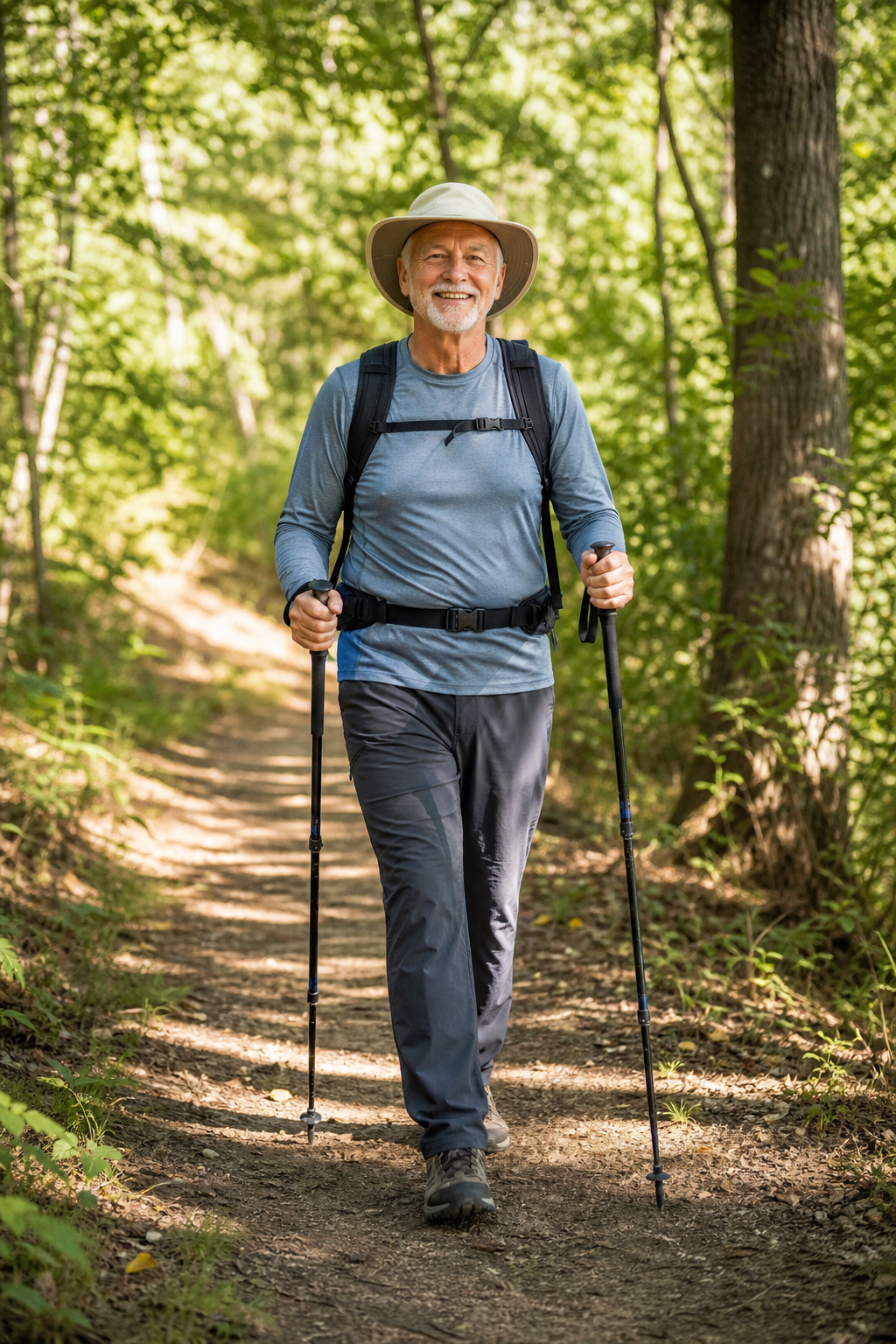
I get where Mark was coming from. If you're over 50 and reading this, there's a good chance you've felt the same. That first step out the door can feel like the hardest. And if you've been told, "Just walk more," without real guidance—well, it's easy to think nobody gets how tough those first few weeks can be. But here’s the thing: done right, a walking program can be a game-changer for joint health, even if you struggle with arthritis or past injuries.
Why Walking? The Science That Convinced Me
I'll be blunt—walking isn't sexy. You won't see many magazine covers touting "walker’s abs." But here's where the research gets interesting. A 2019 study in Arthritis Care & Research followed nearly 1,600 adults over 50 with knee osteoarthritis. Guess what? Those who walked at least 6,000 steps a day had substantially less functional limitation four years later compared to their more sedentary peers. That’s not just about reducing pain. We’re talking the freedom to get off the floor, climb stairs, even play with your grandkids.
Another one from the Journal of Rheumatology (2021) found that even low-intensity walking (think gentle, conversational pace) lowered joint stiffness and improved cartilage nutrition in folks with mild-to-moderate knee or hip arthritis. That’s because walking moves synovial fluid (think WD-40 for your joints), nourishing cartilage and reducing "rust." It’s not magic. It’s biomechanics.
But—and this is crucial—it’s got to be the right kind of walking, at the right dose, and paired with smart support. Otherwise, you risk giving up before you see the benefits.
The Real Barriers: Pain, Motivation, and That First Step
Here’s what most articles get wrong: they assume all you need is willpower. But if you’re reading this, I know you’ve likely tried to "just walk more" and ended up frustrated (or even in more pain). The truth? For many over 50, the problem isn’t laziness—it’s a mix of:
- Joint Pain Flare-Ups – That sharp knee or nagging hip ache after a ten-minute stroll.
- Stiffness After Sitting – Standing up feels like you aged ten years in one Netflix episode.
- Fear of Making Things Worse – "What if I damage my joints even more?"
- Lack of a Clear Plan – "How much is enough? How do I know if I’m overdoing it?"
If you’re nodding along, you’re not alone. I’ve walked this road with hundreds of clients. The good news? Each of these barriers is beatable—with a little science, some practical tools, and a dash of stubborn optimism.
Setting Up a Joint-Friendly Walking Program (the Way I Teach Clients)
Look, there’s no one-size-fits-all. But after years in the clinic and on the trails myself, here’s the system I recommend for adults over 50. You can tweak it, but don’t skip the basics—they’ll save you a lot of pain (literally).
1. Start Slow, Progress Gradually
Most people jump into walking like they did in their 30s. Big mistake. Your joints need time to adapt—especially if you haven’t been active lately. I typically start new walkers at:
- 10-15 minutes, 3-4 days per week
- Intensity: Easy (able to hold a conversation)
If you’re already somewhat active, you can start at 20-25 minutes. Either way, add just 2-5 minutes per session each week. It’s slower than you want—trust me, it works better in the long run.
2. Listen to Your Joints (But Don’t Baby Them)
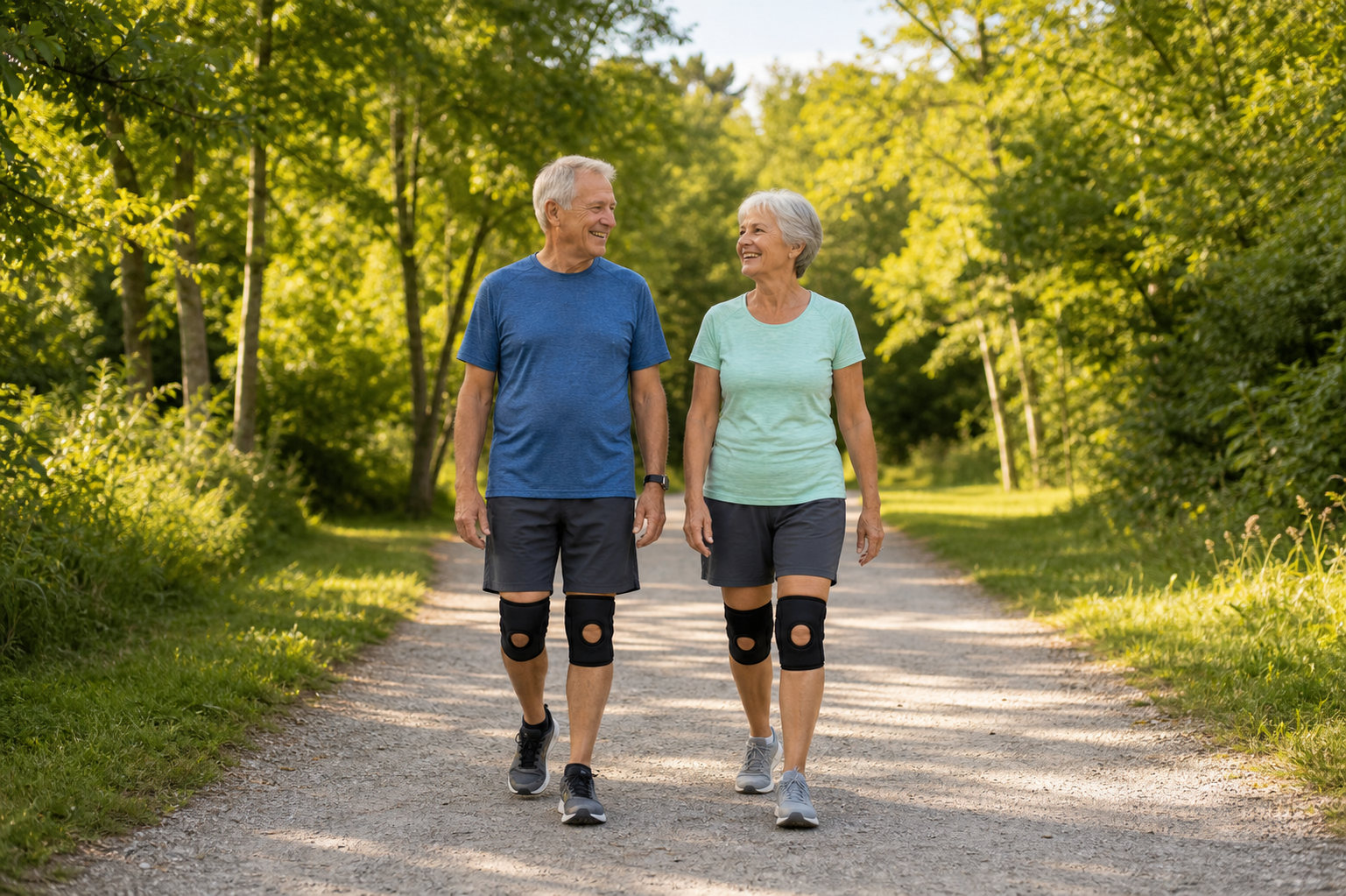
This is nuanced, so pay attention. Mild soreness (a 2 or 3 out of 10) that eases by the next day is normal. But sharp, stabbing, or lingering pain? That’s a red flag. Scale back, rest, and consider supports like a Modvel Compression Knee Brace—a practical, inexpensive tool I’ve recommended to dozens of clients who needed a little extra stability for achy knees or old injuries. It’s not a miracle cure, but the anti-slip design actually stays put (unlike a lot of the cheap sleeves out there), and it helps reduce that "wobbly" feeling.
3. Shoes Matter More Than You Think
I’ll be honest—proper footwear is the only "gear" I insist on. Look for a flexible sole, good arch support, and a wide toe box. If you’re not sure, visit a running store (they’ll analyze your gait for free). Cheap shoes = expensive knees.
4. Walk on the Right Surfaces
Here’s a quick hierarchy, best to worst:
- Soft dirt trails (most joint-friendly)
- Rubberized tracks
- Asphalt
- Concrete (avoid if possible—hardest on knees and hips)
Mix it up if you can. Even the local high school track is a great option.
5. Warm Up (Don’t Wing It)
Most injuries happen in the first 5 minutes. Try this: before you walk, spend 2-3 minutes doing gentle ankle circles, knee bends, and a few leg swings. Not glamorous, but effective.
6. Track Your Progress (for Real Motivation)
Here’s where people get stuck. Walking can feel "boring" unless you gamify it. Pedometers are cheap, but even your phone’s Health app does the trick. Set a target (say, 5,000 steps per day), then slowly increase by 500 steps every two weeks. It’s not about perfection—it’s about progress. And seeing those numbers go up? Surprisingly motivating, even for skeptics like Mark.
What about Supplements and Relief Tools? (Here’s My Unpopular Opinion)
Okay, story time. My mother-in-law (mid-70s, two knee surgeries) swore off walking after a rough winter. She was using every "joint pill" under the sun but still felt stiff. I nudged her toward a combined approach: structured walking, plus a reputable joint supplement—not a magic bullet, but something with some evidence behind it. She landed on the Vimerson Health Glucosamine Chondroitin Turmeric MSM & Boswellia. Why that one? It actually combines the dosages used in several studies—1,500mg glucosamine sulfate, plus turmeric and MSM—for a broader anti-inflammatory effect.
What does the research say? A 2022 BMJ review found modest but real improvements in pain and joint function with glucosamine/chondroitin—especially when combined with movement. The real kicker? Most people expect too much, too fast. You need 8-12 weeks before judging if it’s helping—so patience is key. And yes, check with your doctor, especially if you’re on blood thinners or have shellfish allergies.
Now, for those evenings when soreness creeps in (after your first longer walk, for example), I’m a big fan of the Pure Enrichment PureRelief XL Heating Pad. Moist heat calms stiff hips, knees, or lower backs better than dry heat, in my experience—and this pad is big enough to drape across both knees or your whole lumbar area. Plus, auto shut-off means you won’t roast yourself if you drift off during a post-walk nap (ask me how I know).
What Doesn’t Work (But Gets Hyped Online)
- Over-the-counter "joint creams" – Most just distract nerves, not heal joints.
- Super-restrictive braces – Okay if you’re post-injury, but for everyday walkers, they actually reduce natural stabilizer muscle activity.
- Skipping walks after a flare-up – Unless pain is severe, gentle movement usually helps you recover faster than full-on rest.
How a Walking Program Actually Changes Your Joints (Beyond the Hype)
Now, here’s where science starts to sound like science fiction—but it’s real. Regular, moderate walking helps:
- Increase synovial fluid production (your body’s natural joint lubricant)
- Stimulate cartilage metabolism (slowing, sometimes even slightly reversing, age-related thinning)
- Strengthen muscles that stabilize joints—think quads, calves, glutes, and hips
- Reduce systemic inflammation (C-reactive protein levels drop in regular walkers, as shown in a 2020 Arthritis & Rheumatology paper)
It’s not about pounding out marathons. It’s about gentle, consistent movement—a little, done often, beats "hero" weekends every time. My own dad hated exercise, but a daily 20-minute walk and a little accountability (hint: walking buddy) made his knee pain nearly irrelevant at 72.
Troubleshooting: What If My Joints Still Hurt?
Look, nobody’s joints are perfect. But if you’re still struggling after a month, try these troubleshooting tips:
- Check your shoes. Are they more than a year old? Time for new ones.
- Switch up your route. Even a slight incline or off-camber sidewalk can stress joints.
- Are you doing any resistance work? Strong legs support happy knees. Add some chair squats or wall sits on off-days.
- Hydration and nutrition. Dehydrated tissues = creakier joints. Aim for at least half your body weight in ounces daily.
- Supplements take time. I tell clients: 8-12 weeks, minimum. And always consult your healthcare provider before starting anything new.
My Takeaways (and What I Tell Every 50+ Client)
Here’s the bottom line: the right walking program is simple, but not easy. The benefits are real, but so are the hurdles—pain, motivation, uncertainty. You don’t have to "gut it out" alone. Small tweaks make an enormous difference. Use supports as needed (Modvel Compression Knee Brace for stability, Glucosamine Chondroitin Turmeric MSM & Boswellia for joint nutrition, PureRelief XL Heating Pad for recovery) but don’t obsess over quick fixes. And if you take away nothing else: progress matters more than perfection. Walking is medicine, but like all medicine, the right dose matters.
If you’re about to lace up—or if you’re still on the fence—think of Mark. He started with five minutes around the block. Six months later, he was walking three miles, three times a week, no longer wincing at every step. Not everyone’s story will be the same. But nobody regrets starting.
So, how far will your first step take you?
— James Chen, MS, CSCS
Joint health columnist, JointReliefReviews.com
The advice in this article is based on my experience and published research, but it isn't a substitute for medical care. Always speak with your doctor before starting a new walking program, especially if you have significant joint issues or other health concerns.