Tai Chi Benefits for Arthritis and Balance: Why Everyone's Talking (and Hobbling) About It
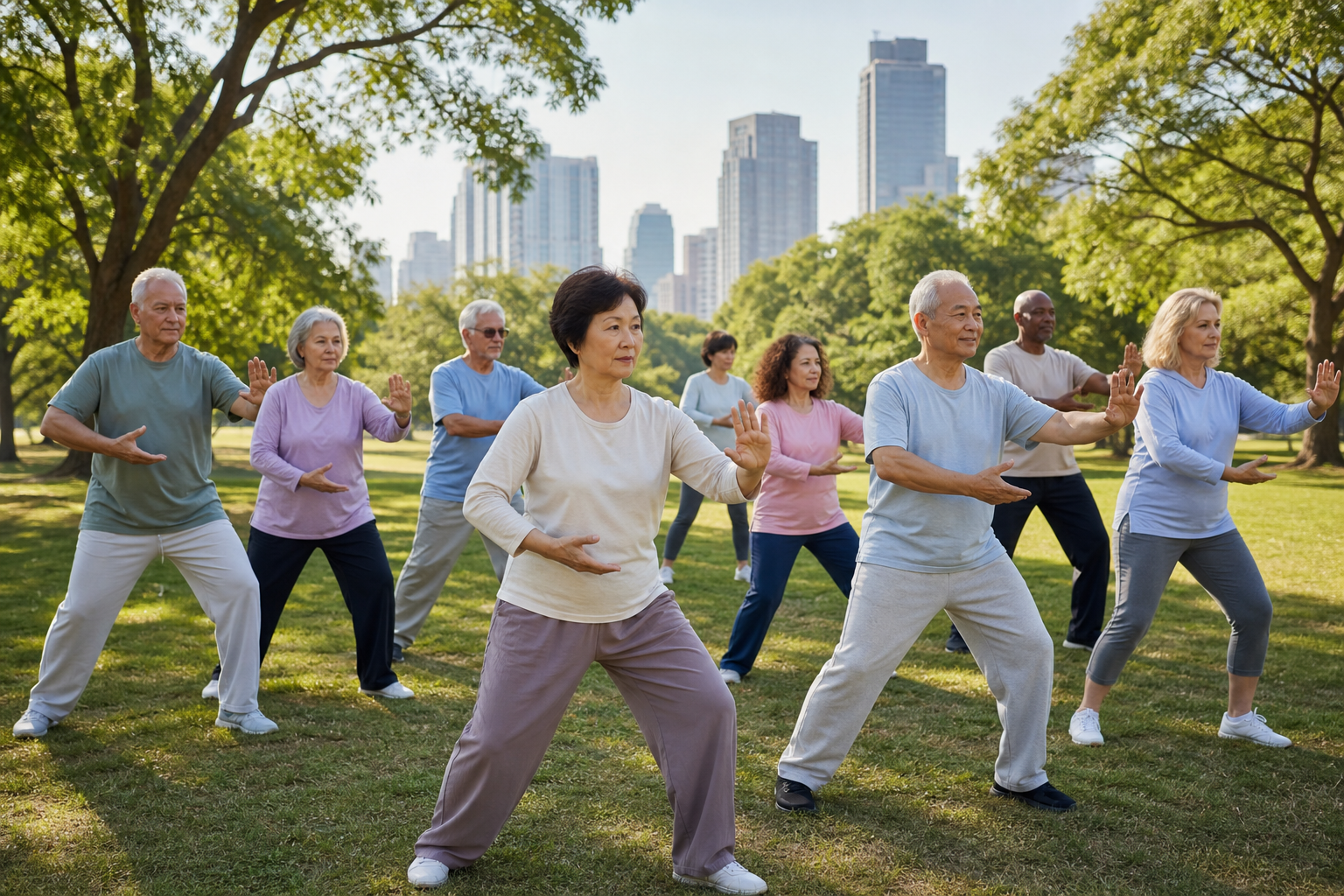
I’ll be honest — the first time I watched a group of folks doing tai chi in the park, I thought, “Looks peaceful, but is it really doing anything?” I was a young exercise science grad, fresh off the weight room floor, and all those gentle, flowing movements seemed almost... ornamental. But a decade — and a couple of cranky knees — later, I get it. I see the power in those deliberate motions. And if you live with arthritis, struggle with balance, or have ever felt that little jolt of anxiety when stepping off a curb? Tai chi might just be the tool you didn’t know you needed.
That Stubborn Morning Stiffness
Let me paint you a picture. One of my clients — we’ll call her Joan — once told me her biggest fear wasn’t pain, but losing her independence. “It’s the little things,” she said, “like getting out of bed and feeling like the Tin Man, or worrying about falling in my own kitchen.” If you’re nodding along, you’re not alone. Arthritis and age-related balance issues aren’t rare; they’re the norm. The CDC estimates 1 in 4 adults has some form of doctor-diagnosed arthritis. And after age 65, about a third of folks fall at least once a year. Those numbers aren’t just statistics — they’re daily reality for millions.
But here’s the thing: most people don’t realize how much movement (the right kind, at the right intensity) can help. Not all exercise is created equal when it comes to cranky joints. High-impact? Ouch. Fast moves? Risky. And that’s where tai chi quietly shines.
What Exactly Is Tai Chi — and Why Should You Care?
Tai chi, at its heart, is an ancient Chinese martial art turned mind-body practice. Think slow, intentional movements paired with deep breathing and a focus on body awareness. It’s low-impact, weight-bearing, and — unlike most gym classes — it actually gets easier the more joint pain or stiffness you have. That’s not a typo.
Look, I know what you might be thinking: “I’m not really into ‘Eastern’ exercise” or “I don’t have time for all that.” I get it. But tai chi isn’t about incense or chanting. It’s about functional movement — stuff you do every day, like shifting your weight, turning, bending, and regaining your balance when life tries to knock you over. The National Center for Complementary and Integrative Health (NCCIH) calls it “meditation in motion.” But the real kicker? It works for arthritis and balance in ways Western science can actually measure.
The Science: Tai Chi and Arthritis Pain (What Do the Studies Say?)
If you’re like me — meaning, a little skeptical until you see the numbers — you’ll appreciate this: a 2016 meta-analysis in the Journal of Rheumatology found that tai chi significantly reduced pain and improved physical function in people with knee osteoarthritis (OA). And we’re not talking about tiny, barely-there effects. Across 9 randomized controlled trials, participants practicing tai chi (usually 2-3 sessions per week, 45-60 minutes per session) reported:
- A 24-36% improvement in pain compared to controls (often measured by the WOMAC pain scale)
- Noticeable gains in walking speed and confidence on stairs
- Less morning stiffness and easier movement during daily tasks
Another bombshell: A 2021 Arthritis & Rheumatology review found that tai chi produced results similar to physical therapy for knee OA — and with fewer dropouts. The lead author even stated, “Tai chi seems to be a safe, accessible, and cost-effective intervention.” That’s as close as you’ll get to scientific enthusiasm in a journal abstract.
But is it just pain? Not at all. Tai chi also helps with stiffness, swelling, and even mood — the trifecta of arthritis misery. Multiple studies show reductions in the inflammatory marker CRP (C-reactive protein) after several months of regular practice. And, yes, participants self-report less anxiety and depression, too. (The brain-body link is real, especially with a chronic condition like arthritis.)
Balance: Tai Chi's Undercover Superpower
If arthritis is the villain, poor balance is its sneaky sidekick. They work together — pain makes you move less, which weakens stabilizer muscles, which makes falls more likely. Here’s where tai chi gets interesting, because its slow-motion moves are specifically designed to challenge balance. Every weight shift, every pause on one leg, every direction change is a mini-balance drill.
A landmark 2012 study in the BMJ followed 600 older adults and found that tai chi reduced falls by 43% over 12 months — better than traditional exercise classes. And a 2018 review in Gerontology backed this up, highlighting tai chi’s impact on proprioception (your body’s sense of spatial position) and reaction time. Translation: you’re less likely to freeze, wobble, or topple when life (or a rogue grandchild) sends you off balance.
I remember my mother-in-law — fiercely independent, but starting to “furniture walk” around the living room — started tai chi at 68. Three months in, she told me, “I caught myself before I fell in the garden. I don’t think I could’ve done that last year.” That’s the stuff no pill replicates.
How Does Tai Chi Actually Work for Arthritis and Balance?
It’s not magic, and it’s not placebo. Here’s what’s happening under the hood (as best we understand it):
- Joint Lubrication: The gentle range-of-motion exercises encourage synovial fluid (your joints’ natural lubricant) to circulate, reducing that “rusty hinge” feeling.
- Strengthening Weak Links: Tai chi works intrinsic muscles — the little stabilizers around hips, knees, and ankles — that most workouts ignore. These are crucial for balance and joint alignment.
- Neuromuscular Coordination: By forcing your brain and body to sync up (think: “move left foot, shift weight, rotate torso”), tai chi re-trains movement patterns, reducing missteps and awkward compensations.
- Stress Reduction: Chronic pain is exhausting. Tai chi, through its breathing and mindfulness, dials down sympathetic “fight or flight” responses, which can decrease pain perception and improve overall well-being.
And here’s something most articles won’t tell you: you don’t have to memorize a 108-move sequence or wear silk pajamas. The best results often come from simple, focused routines — even just 20-30 minutes, 2-3 times a week, can make a measurable difference.
So, Who Should Try Tai Chi? (And Who Should Wait)
Nearly everyone, honestly. But — and this matters — talk to your doctor or physical therapist if you have severe joint instability, recent surgery, or progressive neurological issues. For most adults over 50, though? Tai chi is safer than most exercises. No equipment, no jumping, minimal risk of overdoing it. I’ve seen folks with knee replacements, spinal stenosis, even “bone-on-bone” OA improve their pain and confidence with consistent practice.
It’s also a fantastic option if you’re not a gym person, or if you’ve been burned by aggressive trainers who don’t understand arthritis (don’t get me started). Tai chi instructors with experience in therapeutic populations are ideal, but even YouTube videos or local community classes are a good start.
How to Start Tai Chi for Arthritis and Balance (No Experience Needed)
Here’s how I recommend getting started — no matter your age, flexibility, or coordination:
- Find a beginner-friendly class. Many YMCAs, senior centers, or local rec departments offer “Tai Chi for Arthritis” or “Tai Chi for Balance” programs — these are evidence-based, slower-paced, and focus on safety. Don’t be afraid to ask questions or observe a class before joining.
- Start with short sessions (even 10-15 minutes). Consistency beats duration — better to do a little daily, rather than one monster session per week that leaves you sore.
- Wear flexible, supportive shoes. No need for fancy martial arts slippers. Your favorite pair of sneakers or socks with grip will do for home practice.
- Consider a home guide. If classes aren’t available, a good home program can help. I’m a longtime fan of Treat Your Own Knees by Jim Johnson, PT — it’s not a tai chi manual per se, but it blends joint-friendly movement, strength, and balance tips in a way that dovetails perfectly with tai chi. At under $15, it’s cheaper than one co-pay and packed with diagrams that actually make sense.
But don’t feel obligated to “go big” right away. Even 5 minutes, before breakfast or TV, is a start. The hardest part? Just showing up, especially when you feel stiff or discouraged. (Small confession: Even as a fitness professional, I have to pep-talk myself into movement some mornings.)
Maximizing Your Tai Chi Results: Complementary Tools and Habits
Tai chi can do a lot, but sometimes you need a bit of backup on rough days. If knee pain flares, for example, I might suggest a Voltaren Arthritis Pain Gel before or after practice. Why? The diclofenac sodium in Voltaren is FDA-approved and clinically proven to reduce arthritis pain — and it’s non-greasy, so you won’t slip on the mat (ask me how I know). I have several clients who keep a tube in their gym bag just for tai chi days.
And if you’re struggling with knee stability when practicing, a well-designed brace can sometimes make all the difference — especially as you build joint strength. The NEENCA Professional Knee Brace is the one I see most in my classes: it’s medical-grade, has side stabilizers, and (importantly) won’t cut off circulation during slow, extended moves.
Look, none of these are substitutes for movement or medical guidance. But when paired with tai chi — and a little patience — they can help you stick with a routine, even on tough days.
Beyond the Hype: What Tai Chi Can't (and Can) Do
Here’s where I’ll ruffle a few feathers: tai chi is powerful, but it’s not a miracle cure. It won’t regrow cartilage, reverse severe deformities, or replace every medication. Progress is measured in inches, not miles — better sleep, less pain, steadier steps, or a newfound confidence walking outside. Some days you’ll feel like a graceful crane; other days, more like a wobbly penguin. That’s normal. Stick with it.
And, yes, the research is still growing. Most studies look at knee OA, but there’s emerging evidence for hip, hand, and spinal arthritis, too. The impact on younger adults — or those with severe neurological disease — is less clear. But here’s what we know for sure: tai chi is gentle enough to try, effective enough to matter, and adaptable enough for almost any body.
My Favorite Practical Tips for Arthritis-Friendly Balance
If you’re looking for “extra credit,” here are a few small tweaks that make a big difference for my clients:
- Practice barefoot or in grippy socks, especially at home — you’ll improve foot strength and proprioception (just make sure the floor isn’t slick).
- Set a timer, not a goal. Focus on the habit: “I’ll do tai chi for 15 minutes” beats “I’ll master all the moves this month.”
- Pair tai chi with other arthritis-friendly routines — gentle resistance bands, short walks, or the home exercises from Treat Your Own Knees can keep joints happy.
- Use supports as needed — a sturdy chair, countertop, or NEENCA knee brace. There’s no shame in safety.
- Stay social — group classes aren’t just more fun; socializing has been shown to reduce pain perception and boost adherence.
And if you miss a day (or a week)? Forgive yourself and get back out there. Arthritis is a marathon, not a sprint.
The Takeaway: A Simple, Powerful Tool Hiding in Plain Sight
I could rattle off a dozen more studies, or share more “before and after” stories from clients who went from fearful walkers to confident movers. But here’s the bottom line: tai chi offers real, measurable benefits for arthritis and balance — and it’s practically risk-free. You don’t need fancy gear, superhuman flexibility, or hours of free time. Just patience and a willingness to try.
If you’re living with arthritis, struggling with balance, or just want to feel steadier on your feet, tai chi deserves a spot on your “must-try” list. And if you need backup — a helpful book, a tube of pain gel, or a supportive brace — those little extras can make staying active even easier.
Ready to give it a shot? Your joints (and your future self) will thank you. If you have questions, drop me a note — I always love hearing from readers trying something new.
Stay strong, stay steady, and keep moving.
James Chen, MS, CSCS is a mobility specialist and Certified Strength & Conditioning Specialist who writes about evidence-based joint health for adults over 50. He’s helped hundreds of older adults find safer, smarter ways to move — and still does tai chi (badly) most mornings.