
How to Stay Active with Chronic Joint Pain: Real-World Tips, Wins, and What Most Advice Misses
I’ll never forget the look on my patient Marie’s face when I first suggested she try exercising again. She’d been battling knee pain for years. "Move more? Are you kidding me?" her eyes seemed to say. But the science (and frankly, the results I see with my own eyes) is clear—staying active really is one of the best things you can do for chronic joint pain. The trick is knowing how to do it without making your pain worse.
The Daily Battle: Why Movement Feels Impossible
If you’re reading this with an aching knee, hip, or shoulder, I know exactly the kind of mental gymnastics you’re doing. "Should I risk a short walk? Will I regret it later? How much pain is too much?" These are the questions my clinic is built around. The fear of making things worse often leads to less movement, which—cruel irony—makes pain and stiffness spiral further out of control. It’s not just the pain that’s tough. It’s the unpredictability, the constant second-guessing, and the loss of the activities you love. That loss can feel just as acute as the physical discomfort.
Here’s the thing: You absolutely can stay active with chronic joint pain. But you need the right tools, mindset, and—sometimes—a little outside help. (No shame in that. My own mother-in-law swears by her knee sleeves for golf, and she’s got a mean backswing.)
What the Research Actually Says About Activity and Joint Pain
I know you’ve probably heard it before: "Exercise is good for arthritis." But it’s one thing to read a headline and another to actually trust it. So, let’s break down the real science—without the sugarcoating.
Several large studies (see the Journal of Rheumatology, 2014; Arthritis & Rheumatology, 2018) show that people with osteoarthritis who keep moving see:
- Up to 30% reduction in pain over 12 weeks of structured movement
- Improved physical function, especially in the morning (yes, really!)
- Less progression of stiffness and loss of muscle
The kicker? The type of exercise can matter less than just doing something regularly. Walking, light cycling, water aerobics, even gentle yoga—all have real data behind them. The most important variable is consistency.
But here’s where most articles miss the mark: They don’t talk about pain flare-ups or how to bounce back when you inevitably overdo it. Because let’s be honest—some days just sitting through a movie feels like a marathon.
How Movement Eases Joint Pain (Even If It Doesn’t Feel Like It…Yet)
I wish I could say movement works instantly, but real talk: improvement takes weeks. The science behind why is actually pretty interesting:
- Lubrication: Gentle activity squeezes synovial fluid through your joints, keeping them less sticky.
- Muscle Support: Stronger muscles act like scaffolding, offloading some force your joints would otherwise absorb.
- Pain Pathway Tweaks: Regular movement changes the way your nervous system processes pain (this is called "central desensitization"—nerdy but true).
And—here’s the real payoff—studies in BMJ (2022) show those who stick with an activity routine are less likely to need joint replacement surgery down the road. It’s not about "no pain, no gain" (I actually hate that saying). It’s about smart movement, paced for your body.
Practical Ways to Stay Active—Even on Bad Pain Days
First, grant yourself permission to scale way back on high-pain days. That’s not laziness, that’s wisdom. But movement doesn’t have to be all-or-nothing. Here are the strategies I use with my own patients (and, frankly, my family):
- Micro-movements: Gentle heel slides in bed, ankle circles, opening and closing your fists. Every little bit helps.
- Short Bouts: Three 10-minute walks can trump one 30-minute slog, especially for creaky knees or hips.
- Water Work: Pool exercise is hands-down my favorite for painful joints (less gravity = less load). Don’t belong to a gym? Even walking laps in a backyard pool counts.
- Compression and Support: Sleeves and braces can offer comfort and "proprioceptive feedback." A lot of my patients use items like the Modvel Compression Knee Brace—they’re affordable and surprisingly effective at providing a little extra stability, especially during exercise or errands. (And yes, I do actually prefer the Modvel sleeves over some of the pricier brands. Don’t get suckered by marketing hype.)
- Modify, Don’t Quit: If squats make your knees bark, try wall sits or chair stands. Swap stairs for gentle ramps. It counts.
Here’s a tip almost nobody teaches: use heat smartly. A high-quality heating pad, like the Pure Enrichment PureRelief XL Heating Pad, can be a game-changer before activity—especially if you’re stiff or having trouble "warming up." Apply for 15 minutes while you do some gentle stretches. (Just don’t fall asleep with it—auto shut-off is your friend.)
If you’re nodding along, you’re not alone. I get at least three emails a week from readers asking if they’re "allowed" to use heat daily. For most people with chronic pain, the answer is yes—but always check with your doctor if you have issues with sensation, circulation, or are recovering from an acute injury.
What About Supplements and Medications?
I know, I know—this could be a whole article by itself. (Actually, it is on my desk for next month.) Here’s my real-world, slightly-controversial take:
Supplements aren’t magic bullets. But for some folks, a combination like 1500mg glucosamine sulfate plus 1200mg chondroitin can help with mild-to-moderate osteoarthritis pain over several months. The Nature Made Glucosamine Chondroitin Complex with MSM is a solid, USP-verified pick if you want to try it. But don’t expect overnight miracles or think it replaces movement or weight management. (And please, always run new supplements by your physician, especially if you’re on other meds.)
Medications like NSAIDs or acetaminophen have their place—especially for breakthrough pain. But my approach as a PT is always to layer them as-needed, not as the primary "solution." The real magic is in consistent, gentle movement and, yes, persistent self-kindness.
The "Master Plan" Approach: Combining Tools for Your Daily Routine
People with chronic joint pain often bounce between extremes: "all in" (overdoing) or "all out" (total rest). What works best is a structured, flexible plan you actually enjoy. One book I often recommend (because the exercises are simple and actually research-backed) is Treat Your Own Knees by Jim Johnson. It breaks things down with clear drawings, not scary workout regimens, and explains how to build responsiveness, flexibility, and endurance—without needing a fancy gym.
And if you need a sample “master plan,” here’s what I’ve seen work for dozens of my own joint pain patients:
- Start with heat: 10-15 minutes to loosen up
- Targeted gentle stretching: calves, quadriceps, and hamstrings are crucial (hold each for 20-30 seconds)
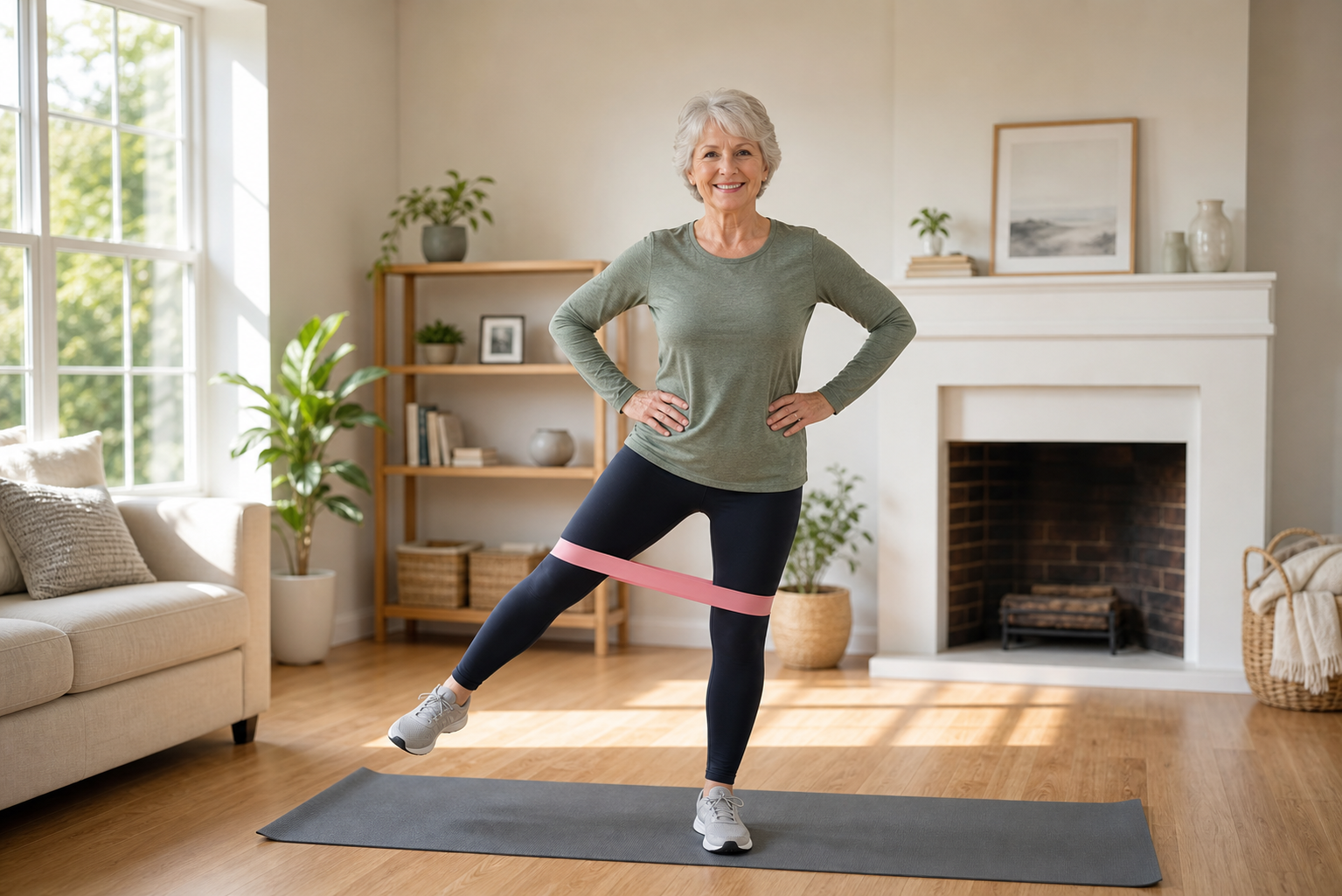
- Core and stability work: Think seated marches, standing hip abductions, or wall pushups
- Short walk or water session: If you can get outside safely, vitamin D is a bonus
- Compression sleeve if needed: Especially for “bad” knees, hips, or wrists
All of this can be done in less than 30 minutes most days, and the payoffs (less pain, more confidence, better sleep) are real. Progress is about consistency—even if you’re only at 50% effort some days.
How to Trust Your Body (and When to Ask for Help)
This part is harder than it sounds. Chronic pain messes with your sense of what’s safe. Here’s my personal rule: Pain that spikes during activity and lingers more than 2 hours after? Scale back. Lingering swelling or redness? Call your doctor. If you ever feel "locking" in a joint or can’t bear weight, that’s a reason to seek care ASAP. (Sorry, that’s the boring but necessary legal bit.)
I know some therapists say "push through," but I’ve seen too many folks end up flared for days because of that old-school advice. Be kind to yourself. Modify, adapt, rest as needed—but don’t quit entirely.
What I Wish More People Knew About Joint Pain and Activity
So many people believe they have to do "real exercise" for it to count. Total myth. I’ve watched a patient gain back nearly all her lost knee motion just from daily home stretches and short walks. No gym, no spandex, no pressure to impress anyone. It’s about consistency, not heroics.
If you’re someone who gets frustrated by slow progress or setbacks (who doesn’t?), try keeping a simple activity journal. Jot down which moves feel good, which days were tough, and what tools (heat, compression, pool access) made a difference. Patterns will emerge—trust me. And, you’ll have hard evidence on hand when you visit your doc or PT.
Takeaways: Your Next Step Matters More Than the Perfect Plan
Look, I’m not going to tell you this is easy. Chronic joint pain is unpredictable, and "staying active" looks different for a marathon runner than it does for someone just trying to get through the grocery store. But small, smart changes—stacked daily—are more effective than occasional heroic efforts. Use support tools when you need them, don’t be afraid to adapt, and give yourself permission to rest. But keep moving, even if that means a short shuffle in the hallway on a bad day. Your joints, your muscles, and honestly your mind will thank you.
And if you’re still on the fence, try building your own "master plan" with some of the tools I’ve mentioned—a reliable heating pad, a decent compression sleeve, and a trustworthy exercise guide. These aren’t miracle cures. But put together, they can help turn your pain management from survival mode to something a lot closer to thriving.
Questions or want specifics for your situation? Shoot me an email. I read every one (seriously). Wishing you less pain and more movement, one step at a time.
—Dr. Sarah Mitchell, DPT
Senior Health Editor, JointReliefReviews.com