Tai Chi Benefits for Arthritis and Balance: What Science (and Experience) Actually Shows
My phone buzzed last spring — a longtime patient, Ellen, texting: "Is it true tai chi can help arthritis? My knees just can’t handle yoga anymore." Ellen’s 68, fiercely independent, and not shy about calling out any "fluffy wellness trend." She wanted the real deal, not hype. And honestly? That’s the only way I practice as a physical therapist (after 12+ years in the trenches, you get both practical and a bit stubborn about what you recommend).
Here’s the thing: If you have arthritis—especially knee, hip, or hands—or simply feel your balance isn’t what it used to be, you are not alone. Roughly 58.5 million adults in the U.S. live with arthritis (2021 CDC numbers), and falls remain a massive problem as we age: more than one in four people over 65 fall every year. That’s why when a gentle, accessible practice like tai chi shows up in medical journals—sometimes with shockingly good results—it’s worth digging deeper.
Why Does Arthritis Wreck Both Comfort and Confidence?
If your joints are stiff, achy, or just unpredictable, everyday things—getting out of a chair, carrying groceries, walking down a curb—become low-key terrifying. I’ve watched dozens of patients tense up, moving slower and more cautiously, not because they’re weak, but because pain (and fear of pain) trains your brain to "play it safe." That’s smart…to a point. But the hidden cost? Muscles weaken, balance gets worse, and falls become more likely.
I know some articles treat balance like a simple side effect, but for people with arthritis, it’s often the main issue keeping you from living the way you want. I’ve had patients say, “If I could just trust my knees, I’d walk more.” That’s where tai chi enters the picture—and why the research caught my eye.
What Exactly Is Tai Chi—And Why Are Doctors Recommending It?
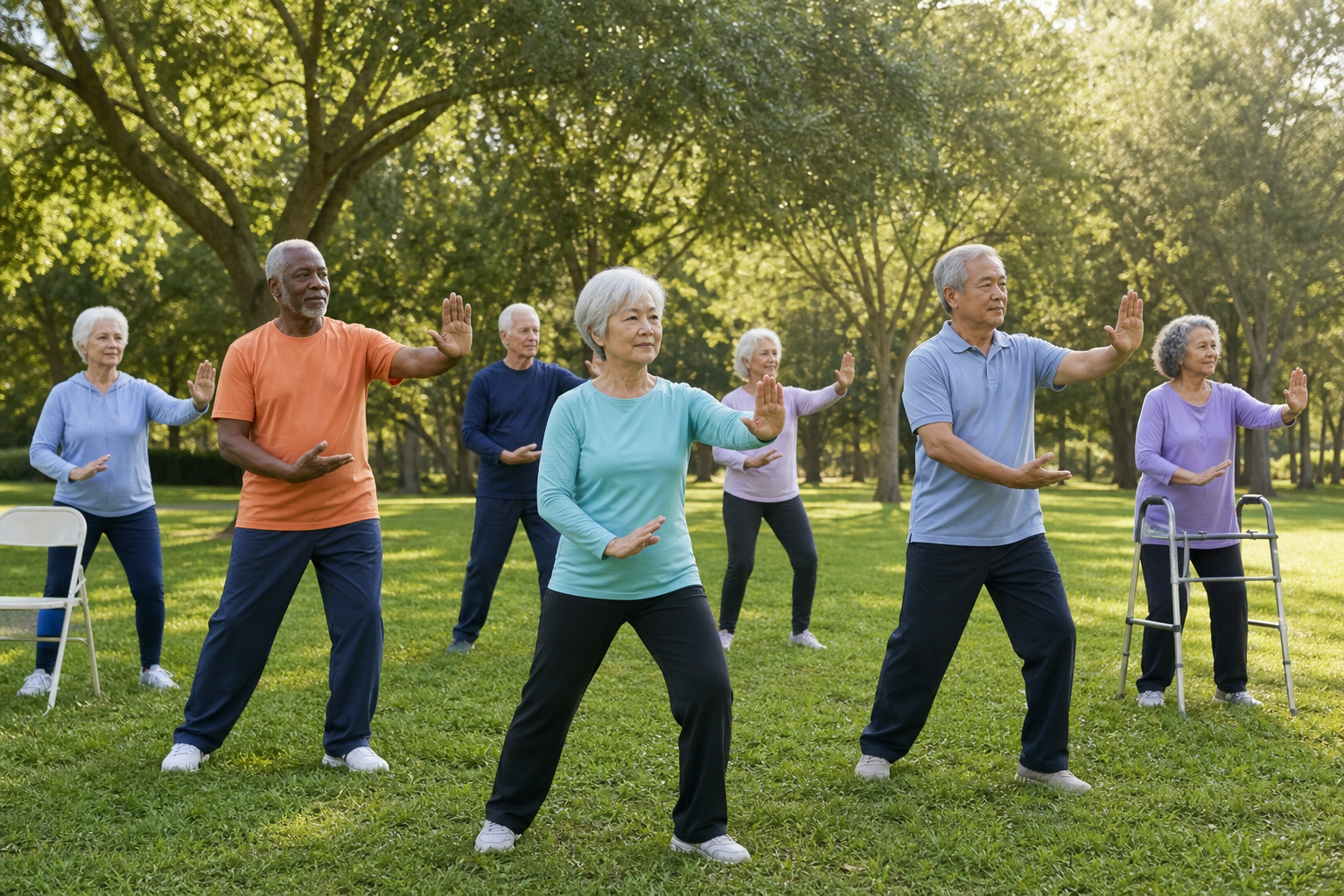
Picture slow, flowing movements, almost like a dance, but without any music or rush. Tai chi started as a martial art in China centuries ago, but over time, it’s become known as a form of “moving meditation.” There’s no jumping, no deep squats, no impossible postures. Just gentle shifting of weight, controlled breathing, and surprisingly focused attention on how your body feels from moment to moment.
Now, here’s what’s wild: In the last decade, tai chi has gone from something you might see in a park to a prescribed intervention in arthritis clinics and physical therapy departments. When Arthritis & Rheumatology published a 2016 randomized trial comparing tai chi and physical therapy for knee OA, even the skeptics had to sit up: both groups improved, but tai chi offered the same pain and function gains—with better mood results and higher class attendance. (If you’re nodding along—yep, I was surprised too.)
How Tai Chi Actually Helps Arthritis (Beyond Just "Being Gentle")
Let’s break it down, because this isn’t woo-woo stuff—there’s real research muscle here.
- Eases Pain—Really: A 2020 review in the Journal of Rheumatology pooled data from 12 studies: tai chi led to 23-33% pain reduction among people with knee and hip arthritis, often matching or beating the results from traditional exercise.
- Improves Joint Function: Consistent tai chi practice (2-3x/week, 12+ weeks) improves walking speed, climbing stairs, and even getting out of chairs—real-life stuff, not just exercise-test numbers. This matches what I see: after a couple months, patients almost always report feeling more steady and "less creaky."
- Reduces Fall Risk: Maybe the biggest win. Meta-analyses (including a gold-standard Cochrane Review, 2019) show tai chi can reduce fall risk by 19-31% among older adults. That’s huge—and not just for people over 80. If you have arthritis, your risk starts climbing much earlier.
- Boosts Balance and Confidence: Balance isn’t just about leg strength. It’s "proprioception"—your body’s sense of its position in space—and tai chi's slow, mindful weight shifts train this directly. The result? Less shuffling, more stability, less fear.
- Relieves Stiffness and Improves Mood: Several studies (BMJ Open, 2015) found tai chi delivered measurable reductions in depression and anxiety, both common with chronic pain. Movement that soothes the mind and the body? That’s rare.
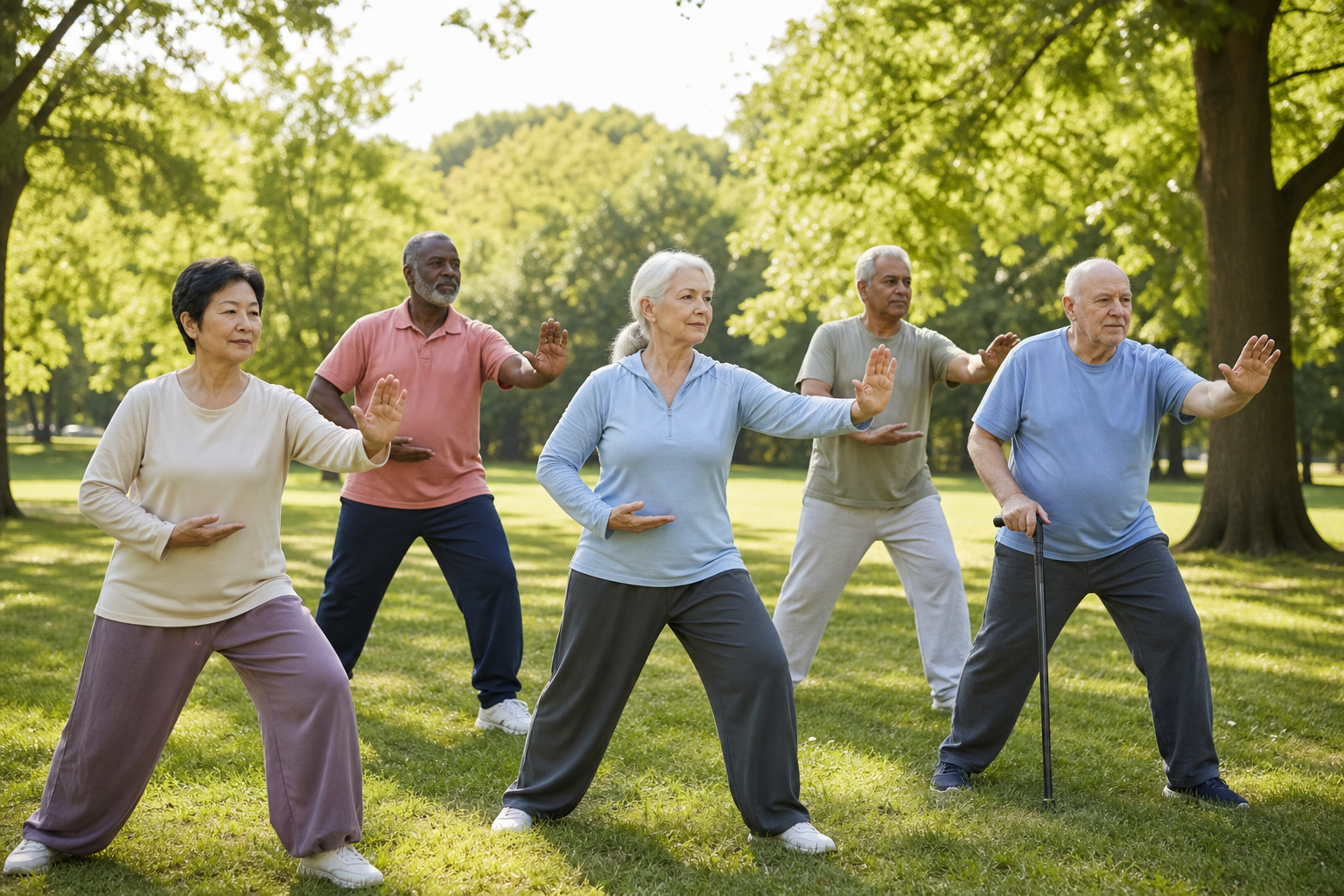
And I’ll be honest—most of my patients are surprised at how accessible tai chi is, even if they have significant joint limitations or use a cane. (I’ve taught basic forms to folks post knee replacement, and some even practice while seated.)
What Makes Tai Chi Different From Other Exercise for Arthritis?
If you’ve ever done physical therapy (hello, knee flexion strap stretches, I see you), you know the drill: strength, range of motion, "functional" exercises. These are effective—but not always fun, or easy to keep up at home. Tai chi, on the other hand, is:
- Low-Impact: No thudding, no twisting, no sudden loads on sensitive joints.
- Progressive—But Gentle: Movements can be made smaller or larger. You can focus on upper body, lower body, or both.
- Social (or Solo): Many communities offer group classes, but you can learn at home too. Bonus: social connection is an underappreciated part of pain relief, believe it or not.
- Minimal Gear Required: No need for fancy shoes, weights, or mats. (Though if you DO need knee support, I’ll share the brace most of my clients use at the end.)
Look, I’m not saying tai chi replaces all arthritis care. It won’t "re-grow" cartilage, and it’s not a substitute for your medications or periodic PT tune-ups. But the real kicker: for many, it becomes a gateway to more movement, less pain, and—yes—better balance.

How Often Do You Need Tai Chi for Results? (And What If You’re a Complete Beginner?)
Short answer: two to three sessions per week, 30-45 minutes each, is where the best results show up in studies. But—and I see this all the time—even 10-15 minutes, a few times a week, moves the needle for most people. It’s consistency, not perfection, that matters.
And you don’t need to know a full "long form"—even practicing basic movements (like "Parting the Wild Horse’s Mane" or "Wave Hands Like Clouds") builds results. I usually teach my beginners just 2-3 movements they can safely memorize. If you’re worried about your balance, stand near a chair or countertop for support (no shame; safety first).
If you’re starting from scratch, check for community classes at local senior centers, YMCAs, or arthritis foundations. You’ll find no-judgment beginners there. For those who prefer home practice, Treat Your Own Knees by Jim Johnson, PT, isn’t a tai chi manual, but it dovetails beautifully with gentle movement strategies (at just $11.49, a lot of my patients use his exercises alongside their tai chi practice).
Can Tai Chi Help with Other Kinds of Joint Pain?
Absolutely. The best research is on knees, hips, and lower back, but I’ve seen benefits for hand arthritis and even post-shoulder replacement. The key is to adjust the movements: smaller range, less weight shift, work within your comfort zone. (And if something hurts, back off—pain is not the goal.)
The Evidence: What Do the Big Studies Actually Show?
Let’s get specific. In 2016, a major trial in Annals of Internal Medicine recruited 204 adults with knee osteoarthritis. Half did structured tai chi, half did physical therapy. After 12 weeks:
- Pain improved by 56% in the tai chi group (vs. 54% in PT)
- Function and stiffness improved equally in both groups
- Tai chi group reported better mood and overall quality of life
- More people stuck with tai chi long-term (maybe not a shock—no resistance bands required!)
Another 2018 study (Journal of the American Geriatrics Society) tracked older adults at high fall risk. After six months of tai chi, their fall rate dropped by 31%. That’s not a small deal—that’s the difference between confidence and constant worry. (I remember my mother-in-law texting me after she learned tai chi at her senior center: "I trust my feet again." Sometimes the research and the real world line up perfectly.)
What About Medication and Pain Relief Tools?
Even with tai chi, some days are rough—especially when the weather turns. That’s when topical pain relief can be a game-changer. About one-third of my more active arthritis clients use Voltaren Arthritis Pain Gel (diclofenac sodium)—it’s FDA-approved for arthritis and actually penetrates the joint, unlike menthol rubs. (Pro tip: apply it about 30 minutes before your tai chi practice for extra comfort, especially if knees are your trouble spot. Always check with your doctor or pharmacist first, as it’s still a medication, even if "over the counter.")
And if your knees feel wobbly? There’s nothing wrong with using a brace for confidence. My older clients rave about the NEENCA Professional Knee Brace for that extra stability during activity (or even just for walks to the mailbox). Adjustable, medical-grade, and—unlike some of the bulkier options—actually comfortable enough for all-day wear.
Practical Tips for Getting Started—And Sticking With It
- Start Slow—But Start: Ten minutes is better than nothing. You’ll be surprised how quickly it becomes easier.
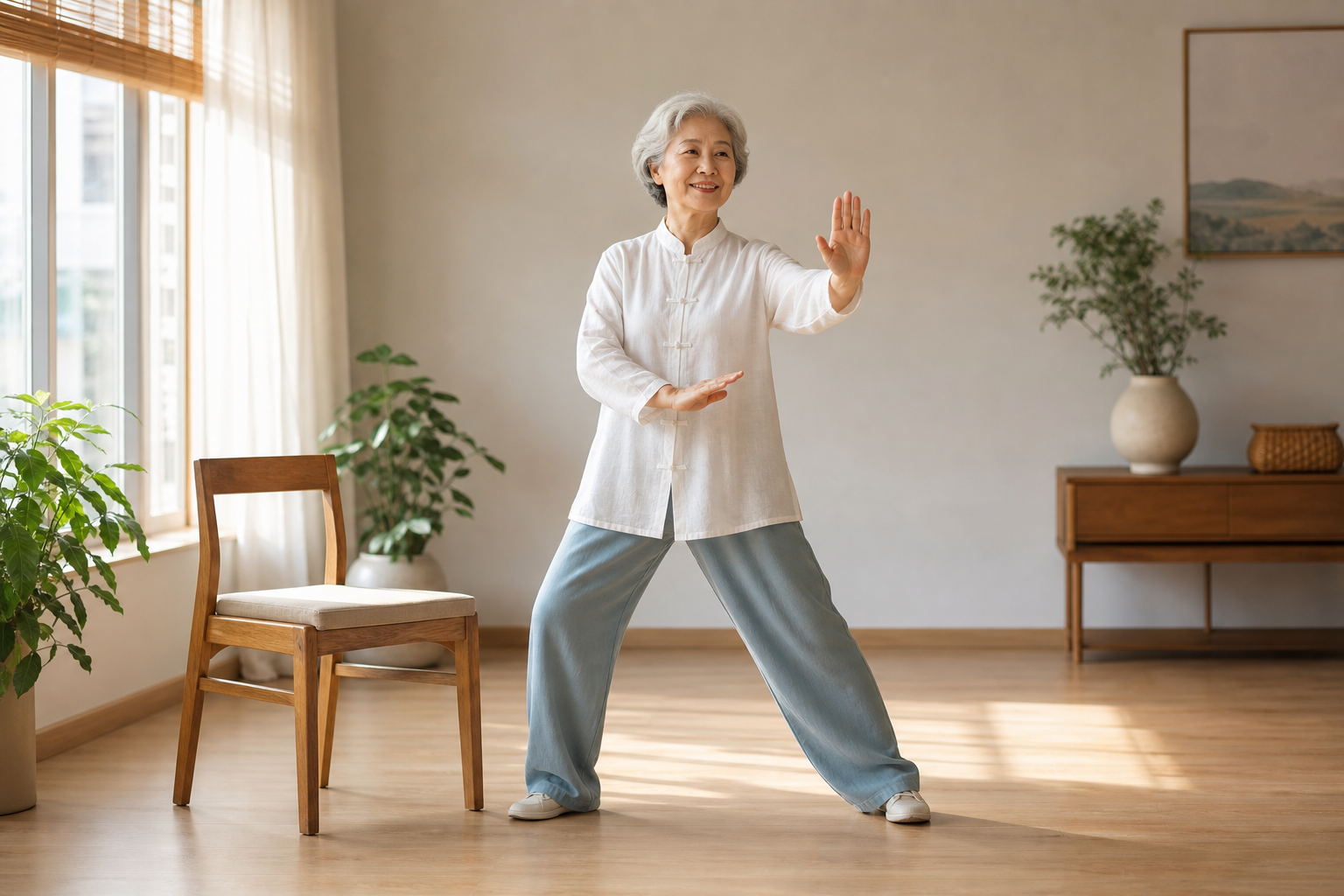
- Safety First: Use a steady chair or countertop for support. Avoid slippery floors. Wear flat, flexible shoes (socks can be risky!).
- No Perfection Needed: Movements don’t have to look “graceful.” The goal is to feel your body, not win style points.
- Track Your Progress: I always ask my patients to jot down how they feel after each session—energy, pain, confidence. Even subtle changes add up.
- Find Your Community: Whether it’s a class, a YouTube instructor you trust, or a spouse who’ll join you, support keeps things fun.
I know not everyone is a "group exercise person"—and that’s fine! There’s a lot to be said for the quiet focus of solo tai chi. (If you’ve been burned by gym classes where you’re the only beginner, tai chi instructors are usually a different breed: patient, low-key, and very understanding of physical limitations.)
What If Tai Chi Isn’t For Me?
Hey, I get it. It’s not magic for everyone. Some people find it too slow, or just can’t get into the flow. If that’s you, don’t give up on movement altogether—other gentle options like aquatic therapy, walking poles, or light Pilates can help, too. The key is consistency. And if you’re in pain, don’t try to "push through"—work with your doctor or physical therapist to find the safest starting point.
Honest Takeaways—And What Most Articles Won’t Tell You
I know this is unpopular in the online wellness world, but: tai chi isn’t a cure-all. It won’t reverse arthritis, and it won’t give you the "knees of a 25-year-old." But for pain management, confidence, and living life with less fear? It’s easily among the top 3 movement tools I recommend—right alongside evidence-based PT, and the right mix of medication or topical relief as needed.
The secret sauce isn’t the movements themselves—it’s the commitment to gentle, mindful activity. Tai chi just happens to make that enjoyable and sustainable (and yes, research-backed).
If you want to try, start with one movement, a couple times a week. Use support. Don’t worry about doing it "right"—the only wrong move is not moving at all.
Final Thoughts: Your Path, Your Pace
Every arthritis journey looks different. But trust me—whether you’re 40 or 80, there is a way to feel steadier, more comfortable, and (maybe) a little less anxious about each step you take. Tai chi might just be the low-pressure, evidence-based springboard you need.
Wishing you strength, ease, and balance—one gentle step at a time.
— Dr. Sarah Mitchell, DPT
Senior Health Editor, JointReliefReviews.com