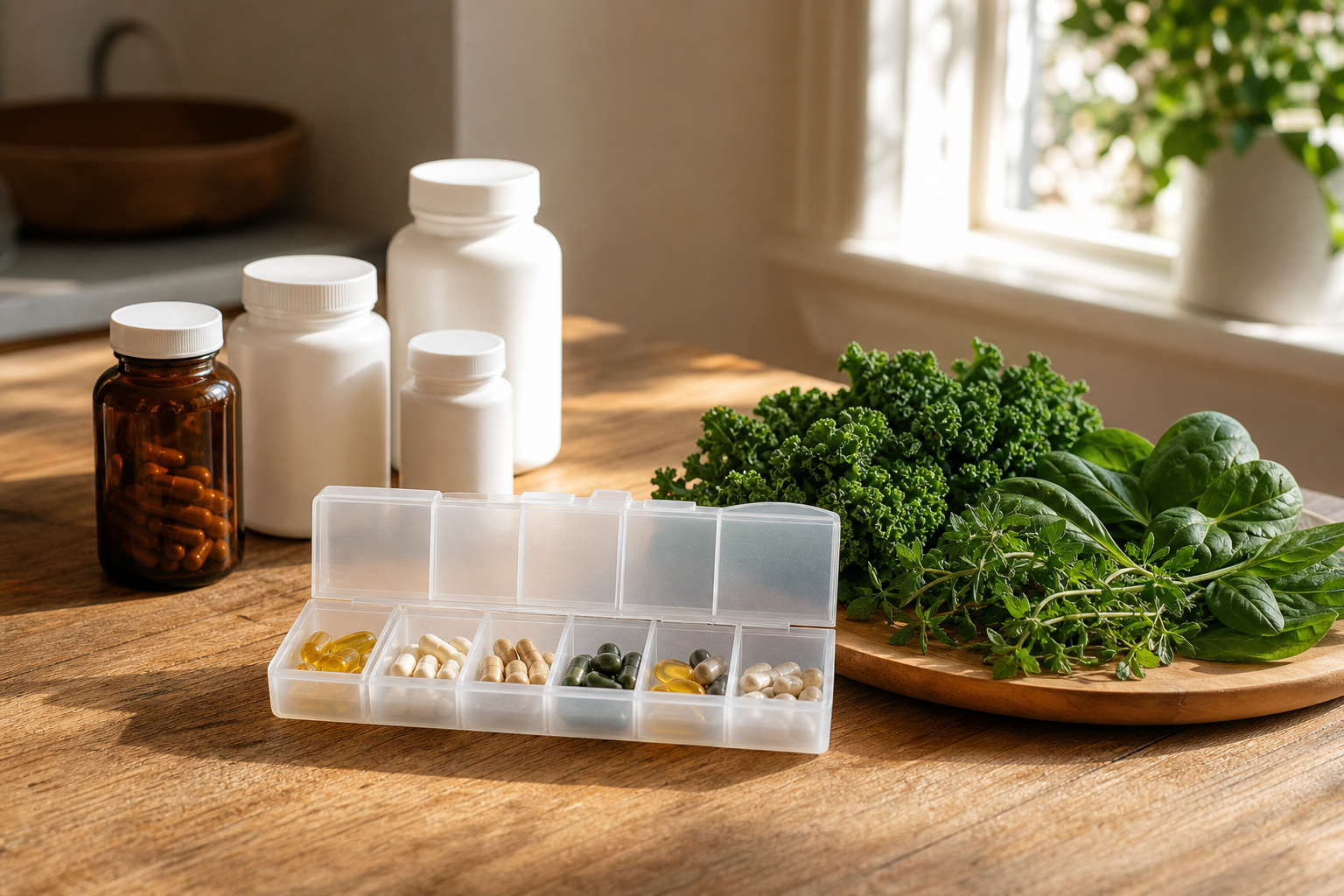
The Nutrient Lowdown: Vitamins and Minerals Your Joints Absolutely Need
Three years ago, I met a woman at a conference who could barely shake my hand. Arthritis, she said. "But I take a multivitamin every day!" she insisted. That stuck with me, not because her pain was unusual (it’s not), but because so many of us assume a basic vitamin covers our joint health bases. I wish it were that simple.
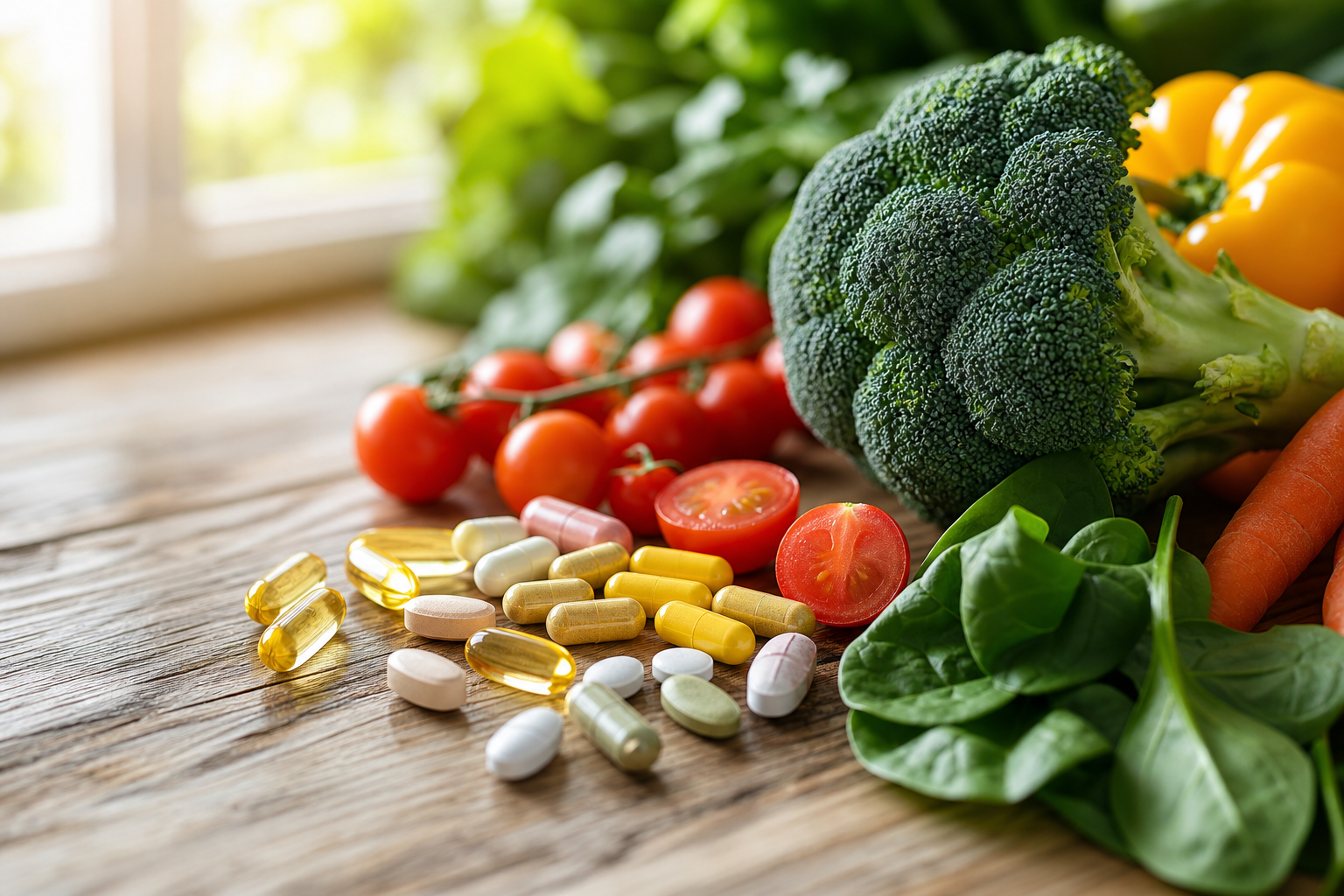
If you’re reading this, odds are you’ve felt that familiar morning stiffness or the dull ache after gardening, walking, or even just typing too long. I have, too—thanks, genetics—and I know how frustrating it is to hear "just exercise more" or "lose a little weight." Look, those things matter, but so does what’s on your plate—and what’s missing from it.
Why Joints Fail Us: The Real Problem
Here’s the thing: Joint pain isn’t just an old person’s game. Research in Arthritis & Rheumatology (2021) estimated that 1 in 4 adults over age 18 report chronic joint pain. The reasons are all over the map—aging cartilage, too much inflammation, accidents, even nutrient shortfalls. And while I’m a huge fan of movement and mindfulness, I wouldn’t dream of ignoring the nutritional side of joint health. The real kicker? Most of us are low on one or more of the key nutrients that help keep those joints gliding like they’re supposed to.
Joint Health 101: What Science Tells Us
I’ll admit, it’s easy to get lost in the supplement aisle—especially when words like "collagen," "turmeric," and "MSM" are plastered everywhere. But what about the basics? Vitamins and minerals serve as the body’s repair crew, anti-inflammatories, and lubricants (sometimes literally, like vitamin C in the collagen matrix). I’ve spent two decades interviewing rheumatologists and combing through studies, and here’s what actually matters:
- Vitamin D: This one’s a heavy hitter—for bones, yes, but also for joint tissues. Low D is linked to worse pain and even faster cartilage loss (see the Journal of Rheumatology, 2013).
- Vitamin C: You probably know it as an immune booster, but it’s vital for collagen formation—think of it as the glue in your cartilage.
- Vitamin K2: Quietly crucial. It helps shuttle calcium to your bones (not arteries) and seems to slow joint degeneration, though most multivitamins barely include it.
- Calcium & Magnesium: The classic bone duo. But did you know magnesium also helps regulate inflammation? I was surprised, too.
- Zinc & Copper: Small but mighty. Both help repair connective tissue and keep inflammation in check. Zinc deficiency has been tied to more severe rheumatoid arthritis in several studies.
- Omega-3s (honorable mention): Technically a fat, not a vitamin or mineral, but these deserve a seat at the table for their anti-inflammatory punch.
What Happens When You’re Low?
Let’s be blunt: low vitamin D? Expect stiffer mornings. Not enough vitamin C? Collagen production—and joint cushioning—slows to a crawl. Skimp on magnesium? You might notice more muscle cramps and even higher pain levels during flare-ups. And yet, many Americans fall short, especially on D, magnesium, and K2. I see this in reader emails constantly. "Karen, I take a multivitamin—why am I still stiff?" Well, most multis are oddly stingy with the very nutrients your joints are starving for.
Making Sense of the Research (And the Hype)
This is where things get messy. Scan Google, and you’ll see a dizzying list of nutrients "essential for joints," but some have little clinical backing. My approach? Stick with what’s proven—or at least promising—in reputable journals.
Vitamin D: The Underdog for Pain Relief
Let’s start with D. In a 2017 BMJ Open meta-analysis, adults supplementing with vitamin D (usually 2,000 IU daily) reported modest but real improvements in knee pain and mobility. Not a miracle, but considering how safe D is (within reason—talk to your doctor before high doses), it’s an easy win. I nudge all my readers to get their blood levels checked—especially if you live north of Atlanta or rarely see the sun.
Vitamin C: Not Just for Colds
Here’s where it gets interesting. The Framingham Osteoarthritis Cohort Study (published 2004) found people with the highest vitamin C intake had a threefold lower risk of knee osteoarthritis progression. But there’s a catch—too much C might not be better, and megadoses can upset your gut. I aim for around 90mg a day (men may need a bit more), mostly from food but sometimes a supplement if I’m slacking on veggies.
Vitamin K2: The Overlooked Protector
Confession: I ignored vitamin K2 for years. Then a Dutch study (Osteoarthritis and Cartilage, 2015) showed that people with low K2 had more knee joint space narrowing—a fancy way of saying their cartilage thinned out faster. K2 is tricky to get from diet unless you love fermented foods (natto, anyone?). Some joint blends now include it, but check your labels.
Magnesium and Calcium: The Forgotten Duo
Magnesium deficiency is a sneaky culprit in chronic pain. One 2018 review in Nutrients linked low magnesium to elevated CRP (a key marker of inflammation). Most adults get less than the recommended 320-420mg per day. As for calcium, you probably have that base covered (especially if you eat dairy), but don’t ignore it—especially post-menopause, when both bone and joint health take a nosedive.
Zinc and Copper: Minor but Mighty
Recent research in Biological Trace Element Research (2020) points to zinc’s anti-inflammatory effects in arthritis. It also helps enzymes rebuild cartilage. Copper, meanwhile, is needed for the cross-linking of collagen and elastin (think: joint flexibility). Deficiencies are rare but possible, especially with restrictive diets.

How to Get These Nutrients: Real Food vs. Smart Supplementation
I’m not going to sugarcoat it: you can get most of these nutrients from food, but it takes intention. And let’s face it, some days I’m lucky to hit five servings of veggies, let alone track down natto or sardines. Here’s a cheat sheet from my own fridge (and supplement cabinet):
- Vitamin D: Wild salmon, fortified dairy or plant milks, egg yolks. Sun exposure (arms and legs, 15 min a few times a week) helps—but talk to your doctor about a supplement if you live north or cover up.
- Vitamin C: Bell peppers, strawberries, citrus, broccoli. Freshness counts—C degrades with storage.
- Vitamin K2: Fermented cheeses, natto, some yogurts. Otherwise, look for a K2 (MK-7 form) supplement.
- Magnesium: Pumpkin seeds, almonds, dark chocolate, spinach. I keep a tub of pumpkin seeds in my desk drawer—life hack!
- Calcium: Dairy, tofu, sardines (with bones), fortified plant milks.
- Zinc: Oysters (the gold standard), red meat, lentils, cashews.
- Copper: Nuts, seeds, shellfish, whole grains.
But sometimes food just isn’t enough—especially with modern soil depletion and, honestly, picky eaters (my husband would rather eat cardboard than spinach). That’s where targeted, research-backed supplements step in.
Beyond Vitamins: Joint-Specific Nutrients Worth Considering
Okay, here’s where the conversation usually pivots: "Should I take glucosamine, chondroitin, MSM, turmeric, or boswellia?" I used to lump these in with "maybe, maybe not," until a few well-done studies changed my mind. In particular, the Annals of Rheumatic Diseases (2015) found that a combo of glucosamine and chondroitin (about 1,200mg each) may reduce pain for people with moderate knee osteoarthritis. Turmeric and MSM have their fans, but the science is mixed—though I’m seeing better results these days when they’re combined.
For readers who want an all-in-one approach, something like Glucosamine Chondroitin Turmeric MSM & Boswellia (Vimerson Health) has a loyal following (over 43,000 reviews and counting). I’ve recommended it to a few skeptical friends, and—surprise!—some actually saw less morning stiffness after two months. It’s not magic, and results vary, but the multi-ingredient formulas do seem to help fill the "nutritional cracks" for a lot of people.
Simple Lifestyle Habits to Boost Nutrient Absorption
Here’s something most articles won’t tell you: It’s not just what you swallow, it’s what your body actually absorbs. As we age, our stomach acid drops, making it harder to glean minerals from food. If you take PPIs (like omeprazole) or have GI issues, you’re at even greater risk.
- Pair fat-soluble vitamins (D and K2) with healthy fats—like avocado or olive oil—for better absorption.
- Space out magnesium and calcium supplements; they compete for absorption.
- Avoid taking minerals with high-fiber meals if you’re relying on supplements—fiber can bind minerals and block uptake.
- If you’re vegan or eat little animal protein, consider lab testing for B12 and zinc.
And please—always check with your healthcare provider before starting new supplements, especially if you’re on blood thinners (vitamin K2, looking at you!) or have kidney issues (some minerals can build up).
What About Topicals and Supportive Devices?
I get this question all the time: "Are supplements enough, or do I need more?" Honestly, if your pain is flaring, oral vitamins alone won’t calm things down overnight. That’s when topical relief, heat, or compression sleeves can save the day. I remember when my mother-in-law, skeptical as ever, tried the Pure Enrichment PureRelief XL Heating Pad and finally admitted her knees felt "less like rusty hinges." The moist heat actually enhances blood flow—helping those nutrients get where they’re needed most. And unlike popping another pill, it’s basically risk-free.

Comparing Products: What Actually Works?
Here’s my honest take: Most "joint health" products are a blend of marketing and, yes, wishful thinking. But when you combine the right vitamins and minerals with proven joint-soothing ingredients (like glucosamine, chondroitin, and MSM), especially in well-dosed formulas, the results are better. I like products where the ingredient label actually matches the clinical research—too many cut corners or under-dose just to fit a price point.
Want a simpler approach? The old-fashioned two-prong attack—solid nutrition plus smart topicals—still works best for most people. Use a product like Vimerson Health’s blend above for your daily baseline. When pain spikes, layer on a tool like the PureRelief XL Heating Pad for hands-on relief. Works for my family. Works for a lot of my readers, too.
Fresh Takeaways: What to Do This Week
- Audit your nutrient intake. Track a typical day’s food and see if you’re hitting the recommended amounts of D, C, magnesium, and K2 (the big four for joint health).
- If you fall short, prioritize food first—but don’t be afraid to supplement, especially if blood tests show you’re low.
- Look for multi-ingredient joint formulas if you want to cover all your bases, but check the label for actual dosages (glucosamine: 1,200-1,500mg, chondroitin: 800-1,200mg, MSM: ~500mg+).
- Use absorption-boosting hacks (healthy fats with D, split up minerals, avoid mega doses at once).
- Keep emergency relief handy—like a quality heating pad or compression sleeve—so you’re not sidelined by a surprise flare-up.
I know it’s tempting to look for the one magic pill—but joint health is a long game. The right mix of vitamins and minerals, plus the occasional supplement, gives you the best odds of staying in the game for decades.
And who knows? Maybe you’ll be the one shaking hands at a conference, pain-free, wondering why nobody told you this sooner.
— Karen
Karen Whitfield is a veteran health journalist covering arthritis, joint health, and pain relief for outlets like Arthritis Today and Prevention. She’s on a mission to make joint science accessible—and turn research into real relief.