
CBD Oil for Joint Pain and Inflammation: Hope or Hype?
I’ll never forget one of my first regulars—a retired dance teacher with knees that creaked so loud, you’d think she was walking on gravel. Her solution, after trying just about every cream and pill on the shelf? CBD oil. She swore by it. And she wasn’t the only one who asked me: “Doc, is this stuff legit, or am I just chasing the latest trend?”

The Real Frustration Behind Joint Pain
If you’re reading this, you probably don’t need me to describe what aching, swollen joints feel like. But let me say: it’s not just about the pain. It’s the lost sleep. The grimace getting out of a car. Missing out on grandkids, gardening, golf—whatever makes you you. I see it every week in my clinic. And while physical therapy and exercise are essential, sometimes even the best routines need an assist.
The real kicker? Most people with joint pain have already tried the “usual suspects”—acetaminophen, a heating pad, maybe even prescription meds—before considering something a little more outside the box. Enter CBD oil.
CBD Oil: What Is It, and Why the Buzz?
Cannabidiol, or CBD, is a compound found in the cannabis plant. And yes, it’s legal in the U.S. as long as it’s derived from hemp with less than 0.3% THC. That’s the short version. But here’s where it gets interesting: unlike THC, CBD won’t get you high—but it does interact with your body’s endocannabinoid system, which plays a role in pain, inflammation, mood, and more (see Frontiers in Pharmacology, 2020).
Now, do I think CBD is a “miracle cure” for joint pain? Not even close. But science doesn’t dismiss it outright either. After seeing dozens of patients try it, and combing through stacks of research, here’s what actually holds up—and what you should watch out for.
How Does CBD Oil Help Joint Pain and Inflammation?
Let’s get nerdy for a second. When you apply or ingest CBD, it interacts with CB1 and CB2 receptors in the body. These are part of the endocannabinoid system, which regulates pain and immune responses. The 2017 review in Pain journal showed that cannabinoids can reduce inflammatory markers and dampen pain signals—at least in animal models. Human evidence? It’s catching up, slowly.
The proposed benefits break down like this:
- Reduced inflammation: CBD may suppress inflammatory cytokines, especially in conditions like rheumatoid arthritis (study: European Journal of Pain, 2016).
- Pain relief: Some people report less frequent or intense pain—the mechanism seems to be both central (brain) and peripheral (joints themselves).
- Improved sleep: Not a direct effect, but hey—if you sleep better, you hurt less.
I’ll be honest—there’s more solid data for topical CBD (creams, gels) than oral drops when it comes to joint issues. One solid 2020 trial from Arthritis & Rheumatology found that topical CBD gel applied twice daily reduced knee pain in osteoarthritis patients by nearly 30% over four weeks. That’s not earth-shattering, but it’s not nothing, either.
CBD Oil vs. Other Pain Relief Options
So how does it stack up against, say, Voltaren gel or an old-fashioned heating pad? Here’s where personal experience and published evidence both matter.
Voltaren (diclofenac) is the gold standard topical NSAID for arthritis pain—FDA-approved, lots of data, but it can’t be used everywhere on the body, and some people get stomach issues even with topical use. Heating pads (like the Pure Enrichment PureRelief XL Heating Pad) are a clinic favorite for safe, non-drug relief, especially for stiff or cold-weather aches. But neither touches inflammation quite like CBD might, at least theoretically.
Here’s the real comparison: if you want to avoid more meds, or your skin can’t tolerate strong NSAIDs, CBD could be worth a shot. But don’t expect magic overnight. The best results I’ve seen usually combine CBD with other strategies—compression, heat, gentle strengthening, sometimes even trusted over-the-counter gels like Voltaren Arthritis Pain Gel. And always, movement comes first.
What Does the Research Actually Say?
I know some people reading this are all about the hard numbers. So, let’s dig in. A randomized placebo-controlled trial from Clinical and Experimental Rheumatology (2021) looked at oral CBD in knee osteoarthritis. Result? Modest reductions in pain—a mean improvement of 1-2 points on a 10-point scale. Not a total fix, but for some, it made the difference between “can’t walk the dog” and “I’m back on the trail.”
Another study in Current Opinion in Rheumatology (2022) reviewed cannabinoids for arthritis and concluded: “CBD shows promise for chronic pain and inflammation, but larger, longer-term studies are needed.” Translation? It’s hopeful, especially for folks with conditions like osteoarthritis and rheumatoid arthritis, but don’t throw out your other meds just yet.
And a word of caution—dosing is all over the place. Some studies use 20mg CBD per day, others 200mg. For topicals, you want at least 5-10mg per application. Always start low, go slow, and watch for side effects (dry mouth, drowsiness, drug interactions). And yes, talk to your doctor, especially if you’re on blood thinners, seizure meds, or have liver issues.
How to Actually Use CBD Oil for Joint Pain
I get this email at least twice a week: “How do I use CBD for my joints? Rub it on? Swallow a dropper?”
Here’s what I tell friends, family, and patients:
- Topical CBD creams/gels: Apply directly over the sore joint. Massage in, wait 15-30 minutes. This is the most targeted approach—and the one with the strongest evidence for joint pain.
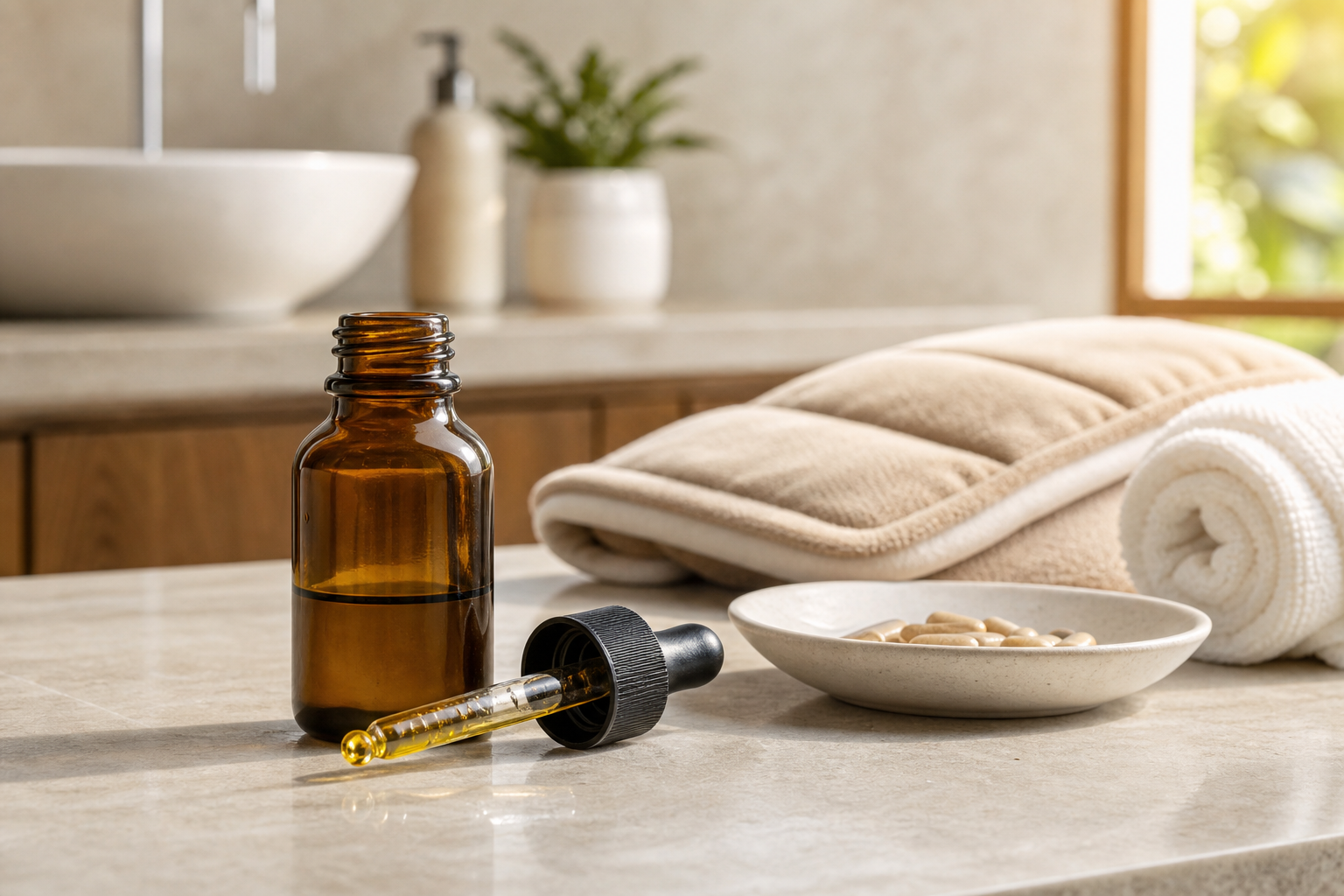
- CBD oil tinctures: These go under the tongue. You’ll get more systemic effects (anxiety reduction, sleep help), but for pure joint pain, the benefits are less direct.
- Dosing: Start with a 10-20mg dose, 1-2 times a day for oils, or a pea-sized amount for topicals. Adjust up slowly if needed. Watch for allergic reactions or skin irritation.
- Timing: Many people find best results before bed (for sleep plus pain) or 20-30 minutes before activity (like a walk or stretching session).
And please—don’t buy your CBD at a gas station or random vape shop. Look for third-party lab testing, organic hemp, and full-spectrum or broad-spectrum products (which use the full plant, not just isolated CBD).
What Helps Most: My “Joint Pain Stack”
Truth? CBD oil isn’t a silver bullet. But paired with the right at-home strategies, it can be one more tool in your kit. Here’s my “stack” that’s helped more patients than I can count:
- Gentle movement: Even on bad days, try water walking, recumbent biking, or Tai Chi.
- Compression sleeves: Like the Modvel Compression Knee Brace. These are affordable, washable, and genuinely help with swelling and support.
- Heat or ice therapy: The Pure Enrichment PureRelief XL Heating Pad is my go-to—big enough for hips, knees, even low back.
- Evidence-backed supplements: Glucosamine/chondroitin or turmeric have more research than CBD, believe it or not, but combining (responsibly) can be safe for many adults.

Who Should (and Shouldn’t) Try CBD Oil for Joint Pain?
Let’s get real. CBD oil isn’t for everyone. Who might benefit most? Folks with:
- Chronic knee, hand, or shoulder arthritis that isn’t fully controlled by other means
- Trouble tolerating NSAIDs (stomach or kidney issues)
- Sensitivity to prescription painkillers or a desire to cut back
- Neuropathic pain layered over joint issues (e.g., after a fracture or surgery)
Who should not use CBD without close supervision?
- Pregnant or breastfeeding women (safety not established)
- Those with a history of liver disease or on liver-metabolized drugs
- Anyone with a cannabis allergy (rare, but it happens)
- Children or teens, unless under specialist guidance
If you’re nodding along, you’re not alone—joint pain affects more than 1 in 4 adults over 50 (CDC, 2023). But as always, consult your doctor or pharmacist before adding anything new, especially if your medical history is complicated.
The Bottom Line: My Honest Take on CBD Oil
Most articles won’t tell you this, but here’s my honest opinion: CBD oil is an option—not a miracle and not a scam. For some patients, especially with mild-to-moderate osteoarthritis or stubborn post-injury aches, it can make the difference between “good enough” and “good.” The science is promising, but it’s not a slam dunk yet. And costs can add up, so be smart about your spending.
For best results? Try combining CBD oil (topical or oral—your choice, but start with topical if you want joint-specific relief) with a couple of proven tools: a reliable compression sleeve like Modvel Compression Knee Brace for daily support, plus a solid heating pad for those chilly mornings. And never underestimate the power of consistent, gentle movement—your joints are meant to move, even if they complain.
If you’re experimenting with CBD and want to compare, I always recommend tracking your pain and function for 2-4 weeks. Rate your pain on a 1-10 scale, jot down whether you’re sleeping better, and be honest with yourself about any side effects. If you notice meaningful changes, great! If not, you haven’t wasted six months and can move on with no regrets.
Fresh Takeaways (Not the Usual Fluff)
- CBD oil may help with joint pain and inflammation, but it works best as part of a bigger plan.
- Topical use is supported by better research for joints than oral forms (right now).
- Always pick quality—third-party tested, traceable origin, and no mystery ingredients.
- Don’t ditch movement, compression, or heat/ice just because you’re trying something new.
- Talk to your healthcare provider whenever you’re layering therapies or have health questions.
Still have questions? Drop me a line. I’ll always give you the straight story—no hype, just what actually works for real people I see every day.
To healthier, happier joints—one step at a time.
Dr. Michael Torres, DC
Chiropractor, Nutrition Counselor, and (sometimes skeptical) wellness explorer