
CBD Oil for Joint Pain and Inflammation: Can It Really Make a Difference?
My inbox gets more questions about CBD oil than any other supplement these days. And not just from the usual wellness crowd. My neighbor asked me about it at the mailbox last week — her husband with knobby, arthritic knuckles wants to try "that hemp stuff" for his aching hands. A reader with rheumatoid arthritis emailed me, half hopeful and half exasperated: “Karen, does this stuff actually help? Or is it just another expensive bottle of snake oil?”

The Daily Reality: Joint Pain Isn’t Just Annoying—It’s Exhausting
If you live with arthritis, old injury flare-ups, or one of those mystery aches the doctors just call “inflammation” and shrug, you know: pain colors everything. Getting out of bed is a production. Even the gentlest yoga class can feel like punishment. And those little moments—twisting a jar lid, typing too long, standing up after a movie—suddenly get complicated.
I’ve reported on joint health for years (Everyday Health, Prevention, even for Arthritis Today), and here’s what always stands out: people don’t just want to feel less pain. They want their life back. They want to garden, to play with grandkids, to sleep through the night without waking up because their knee is throbbing again. Honestly, if you’re nodding along, you’re not alone.
What’s With the CBD Craze?
CBD—short for cannabidiol—is everywhere. I’ve seen it in bath bombs, coffee, muscle rubs, and, of course, those little amber bottles of oil. The claims? Everything from “It cured my back pain” to “It didn’t do squat.” But here’s where it gets interesting: there are some real reasons CBD has caught people’s attention for joint pain and inflammation.
CBD is a non-intoxicating compound found in cannabis and hemp plants. It doesn’t get you high—that’s THC’s department. The 2018 Farm Bill made hemp-derived CBD federally legal (as long as it contains less than 0.3% THC), and companies wasted no time rolling out new products. If you’re wondering whether this is all just a slick marketing ploy, I hear you. I was skeptical at first, too.
How Might CBD Help with Joint Pain?
Here’s the science in plain English: CBD interacts with the body’s endocannabinoid system, a complex network of receptors and signals that helps regulate everything from sleep to immune response. One of those roles? Modulating pain and inflammation (see the Journal of Experimental Medicine, 2012—it’s not just folklore).
Animal studies have shown CBD can reduce both pain and inflammatory responses. In a 2017 European Journal of Pain study, topical CBD reduced joint swelling and pain behaviors in arthritic rats—without the stomach-upset side effects that oral NSAIDs can cause. But rats aren’t people, and I know you want to know about real human results.
What Does the Research Actually Say for Humans?
Alright, here’s the good, the bad, and the still-not-clear. Clinical research on CBD oil specifically for joint pain is still in its early days. A 2020 review in Current Opinion in Rheumatology summed it up: preclinical (animal) data look promising, but human studies are limited and mixed. There’s anecdotal evidence out the wazoo, but actual randomized controlled trials? Far fewer than you’d think for the hype.
One open-label study in Arthritis Care & Research (2020) looked at CBD use in people with hand osteoarthritis or psoriatic arthritis over five weeks. The result? About half reported some pain improvement—not everybody, and certainly not a miracle. There were no major safety concerns in that study, which is a relief.
But the catch: Dosing, quality, and even the way you take it (oral oil vs. topical creams) varies wildly between studies. That’s why results can feel all over the map. And don’t get me started on sketchy CBD products that barely contain any real CBD (the FDA has sent warning letters more than once).
How Are Real People Using CBD Oil for Joint Pain?
I’ve heard from dozens of readers who’ve tried CBD oil for arthritis or post-injury pain. Some describe it as “subtle but real”—not a magic bullet, but a gentle dial-down of background pain and stiffness. One woman in her late 60s told me she uses a dropperful (about 20mg) under her tongue at bedtime, and finally sleeps through the night. Another swears by rubbing a CBD balm into her knuckles before gardening.
But I’ve also heard from folks who noticed zero difference, even after a few weeks. (And a few who said the taste was so grassy they couldn’t stand it.) It’s not a panacea. But for a subset, it seems to take the edge off—especially when used as part of a bigger self-care routine.
Risks, Side Effects, and the Elephant in the Room
Let’s get real: CBD isn’t totally risk-free, even if it feels safer than popping ibuprofen every six hours. Mild side effects (fatigue, dry mouth, a little dizziness) do happen, especially at higher doses. There are also drug interactions to worry about—CBD can impact how your liver processes certain meds, including some blood thinners and seizure medications. If you take prescription meds, please check with your healthcare provider before experimenting with CBD. I can’t say this enough.
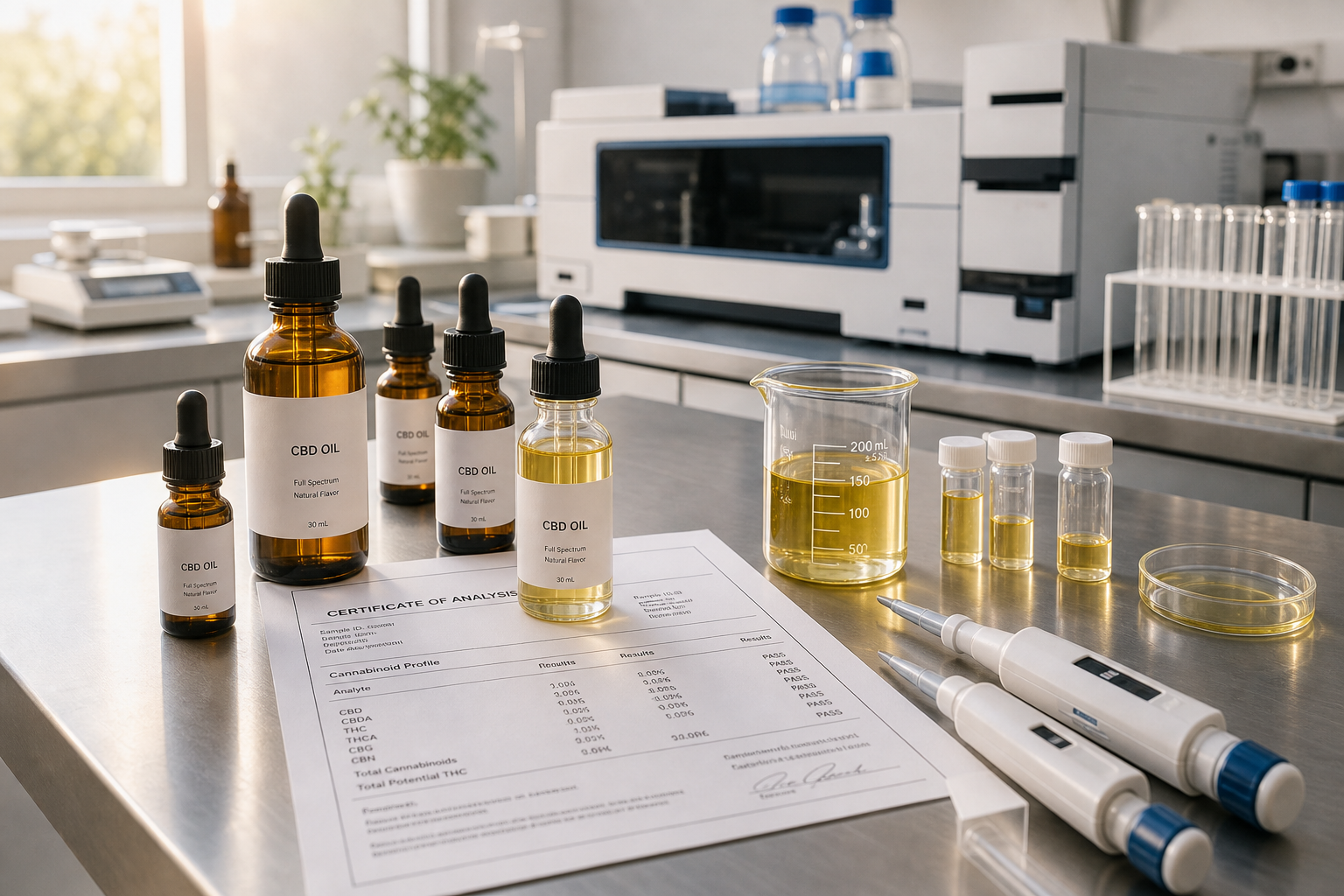
And while the World Health Organization (2018) called pure CBD “generally well tolerated,” keep in mind: The supplement industry is still the Wild West. Not all CBD oils are created equal. Some contain less CBD than advertised; others may have trace THC or even contaminants (heavy metals, pesticides—I wish I were kidding). That’s why third-party lab testing is non-negotiable. Look, if a brand won’t share a Certificate of Analysis (COA), I’d skip it. Simple as that.
How to Choose a Quality CBD Oil for Joint Pain
Here’s where I get picky—because, in my opinion, quality is everything. After reviewing dozens of CBD brands over the years, these are my non-negotiables:
- Hemp source: Look for US- or EU-grown hemp, to reduce risk of contaminants.
- Full-spectrum vs. isolate: Full-spectrum CBD includes a range of cannabinoids and terpenes (the so-called “entourage effect”), but may contain trace THC. Broad-spectrum is THC-free. Isolate is pure CBD, but may be less effective for pain.
- Third-party tested: Only buy brands that publish recent COAs from independent labs. No exceptions.
- Dosing transparency: You need to know exactly how much CBD per mL—ideally, 15-25mg per serving for most adults starting out (I see most people use 20-30mg for moderate pain, but go slow at first!).
- No wild health claims: If a label says “cures arthritis,” run the other way.
Personally? I’d start low (5-10mg), see how your body responds, and titrate up slowly. Patience pays off. Oh, and steer clear of “gas station” CBD or anything suspiciously cheap. Seriously, I’ve had readers send me photos of bottles with labels that look like they were printed on someone’s old inkjet—I wouldn’t use that on a stubborn weed, let alone my joints.
How Does CBD Compare to Other Joint Pain Relief Options?
Let’s not pretend CBD is your only option—even if the marketing sometimes makes it sound that way. Most people I talk to are using CBD alongside other pain-relief strategies. That can mean NSAIDs (ibuprofen, naproxen), topical creams, physical therapy, and—my personal favorite—simple lifestyle changes like gentle exercise and heat therapy.
Case in point: For targeted, temporary relief (say, after a long hike or gardening session), something like Voltaren Arthritis Pain Gel can work wonders. It’s FDA-approved, clinically backed, and doesn’t carry the liver or stomach risks of long-term oral NSAIDs. A lot of my readers use it in tandem with CBD oil—one for deeper, systemic relief, and the other for spot-treating flare-ups. Just don’t mix too many products at once before talking it over with your pharmacist or doctor.
Other tools that often come up in my reviews? Compression sleeves (like the Modvel Compression Knee Brace for knees), heating pads, turmeric supplements, and old-fashioned ice packs. Everyone’s “pain relief cocktail” looks a little different.
CBD Oil: Oral Drops vs. Topical Creams for Joint Pain
People love to ask: “Should I take CBD by mouth, or just rub it on?” Here’s what I tell them: Both methods can work, but there are real differences.
- Oral CBD oil: Absorbed systemically. Works throughout the body—potentially helpful if you have widespread pain or multiple joints. Effects can take 30-90 minutes.
- Topical CBD: Rubbed directly onto sore joints or muscles. Hits the local nerve endings and skin-level inflammation. Relief can start in 15-45 minutes, but may not impact deeper, systemic pain.
Some folks layer both—a dropperful at night and a dab of cream when their hands flare up. No two bodies (or joints) are the same, so there’s some trial and error involved.
What Dose of CBD Oil Works for Joint Pain?
If you’re still with me, here’s where most people get hung up: dosing. There’s no perfect answer, but based on the research and real-world feedback I get, most adults start seeing results somewhere between 15mg and 50mg of CBD per day. (One 2020 study on chronic pain patients used 25mg/day, and a lot of brands recommend similar.)
But—big but—starting low and going slow is smart, especially if you’re sensitive to supplements. Every body processes CBD a little differently, depending on metabolism, body weight, and even what you had for breakfast. If you notice any unwanted side effects (drowsiness is the most common), just dial back.
Consistency is key. Most people I’ve talked to needed to use CBD consistently for several days (sometimes a week or two) before judging its true effects. It’s not a one-and-done situation—more like adjusting your glasses until things come into focus.
Can CBD Oil Replace Traditional Arthritis Medications?
This is where I’m going to get a little controversial: No, CBD oil is not a replacement for disease-modifying treatments in conditions like rheumatoid arthritis or severe osteoarthritis. I know some natural health sites say otherwise, but the major rheumatology organizations (ACR, EULAR) haven’t endorsed CBD as a first-line treatment. It may help with symptom management, but it doesn’t halt joint damage or replace your prescription meds.
And I know this is unpopular, but for now, I see CBD as a helpful adjunct—not a magic cure-all. I want to be very clear: Always talk to your doctor before stopping or changing any prescribed meds, especially disease-modifying drugs.
How to Add CBD Oil to Your Joint Pain Routine—Safely
If you want to give CBD oil a try, here’s my best advice (as your friendly neighborhood joint health nerd):
- Talk to your doctor or pharmacist first—especially if you’re on other meds.
- Pick a trustworthy, third-party tested product—preferably with a Certificate of Analysis you can actually read.
- Start with a low dose (5-10mg), increase slowly every few days, and keep a pain journal. Track effects, good or bad.
- Give it 2-3 weeks. If you don’t notice any change at all, it might not be for you—and that’s okay.
- Be cautious with “full-spectrum” products if you get drug-tested for work—some contain trace THC.
- Don’t expect miracles. Pair CBD oil with other proven strategies—movement, healthy eating, good sleep, and joint-friendly tools (like the Modvel Compression Knee Brace if your knees are your trouble spot).
And if you’re not a fan of oils? There are CBD capsules, gummies, and even infused creams. The form matters less than the quality and dosing. (Honestly, I am partial to the oil tinctures since they’re easy to adjust, but you do you.)
So…Is CBD Oil Worth Trying for Joint Pain?
I’ll be totally upfront: The science isn’t rock solid yet—but the safety profile (for most adults) is pretty reassuring, and for some folks, CBD oil is a genuine game-changer. Will it fix everyone’s arthritis or magically erase every twinge? No. But for some, it’s the missing piece that makes daily movement bearable again, or gives them a little edge so they can do what they love—gardening, walking the dog, or picking up their grandkids without wincing.
Here’s the thing: Everyone’s pain story is unique. If you’re out of options, or just want to complement your other strategies, high-quality CBD oil is reasonable to try—with proper guidance and realistic expectations. Keep it safe, keep it slow, and be honest with yourself about the results.

Takeaways (If You Skimmed, Read This):
- CBD oil may help dial down joint pain and inflammation for some people—but it’s not a miracle cure.
- Look for quality: US- or EU-grown hemp, third-party testing, and clear dosing info are non-negotiable.
- Start low, go slow, and check with your doctor—especially if you’re on other meds.
- Pair CBD with other science-backed pain tools (like Voltaren gel or a knee brace).
- If CBD doesn’t help after 2-3 weeks, don’t blame yourself. Everyone’s body is different.
If you’re curious, try it—thoughtfully. If you have a favorite brand or story, send it my way; I love hearing what actually works (and what’s just hype) from real people.
Be well, move gently, and may your good days outnumber the bad ones.
— Karen Whitfield
Veteran health journalist (Everyday Health, Arthritis Today, Prevention), patient advocate, and lifelong joint health nerd.